Though former Minneapolis officer Derek Chauvin was convicted of murdering George Floyd nearly a year ago, Senator Tina Smith (D-Minn.) said there is much more work to be done to increase police accountability.
Smith, whose hometown is Minneapolis, told Cheddar that people have to continue organizing and bringing grassroots movements to the forefront so this isolated and rare conviction of a police officer can become a more commonplace reality.
“I think a lot of people in Minnesota and probably around the country were feeling a sense of great relief, that in this most egregious murder that we all saw play out on our video screens, that there was accountability," she said. "But we know that the work ahead to really address these challenges and to fight to make sure that there is true equal justice in this country is a long road ahead of us, and we’ve got to get on it.”
Smith is encouraging her Senate colleagues to support the George Floyd Justice in Policing Act, which the House passed in March, though it is expected to hit a few roadblocks, particularly when it comes to altering qualified immunity for police officers. Such a change would make it easier for citizens to bring civil lawsuits against officers for police misconduct.
The bill would also eliminate several problematic policing tactics used by various departments nationwide, including no-knock warrants, like the one obtained by police in the lead-up to the killing of Breonna Taylor, and chokeholds, a restraint technique already banned by the NYPD before it was used on Eric Garner. It would also provide an easier path for the Justice Department to investigate patterns of misconduct.
“I believe that addressing qualified immunity is what it’s going to take to change the culture in police departments and to change the ways in which we then hold police departments and law enforcement accountable for excessive use of force,” Smith noted.
“I’m not naive. This is going to be difficult to get support for, but you can see some little inklings among some of my Republican colleagues who are willing to take a look at this," she said. "I want to thank and commend Senator Tim Scott who has shown a real interest in trying to address this because he himself as United States Senator and a Black man has experienced this kind of disproportionate effect of law enforcement on him personally.”
Drastically different from the Democrats’ reform bill, Scott (R-S.C.) introduced his own police reform bill, which includes incentives for cities to end the use of chokeholds but stops short of completely banning them. Smith said she is willing to negotiate and believes some bipartisan progress can be made since more GOP members may be recognizing that changes in American policing are necessary.
“The thing we cannot do is to take steps that are not that meaningful, that aren’t going to result in real change, declare victory, and then reduce the pressure to really change these systems that result in such disproportionate impact on Black and Brown people and all people of color,” she added.
Student loan debt continues to be a major concern for tens of millions of Americans who collectively owe about $1.7 trillion. Black college students often take on larger amounts of student debt in order to pay for a higher education. In turn, they are more likely to struggle post-graduation with repaying their debt, creating a racial wealth gap divide. Andre Perry, senior fellow at Brookings Institution joined All Hands to help break down the black student debt crisis.
After two NYPD officers were killed with an illegal gun, President Biden made a trip to New York City to speak on the issue of gun violence fed by the "iron pipeline" of illegal firearms that make their way from the South to the Big Apple. Kris Brown, the president of the gun violence prevention organization Brady United, joined Cheddar to discuss what this visit from the president could mean for the future of gun laws in America. "He's asked Congress to pass things like expanding the Brady background check system, but with the filibuster a barrier to so much action right now in the Congress, he's looking at solutions that involve funding at the federal level and really involve enforcement."
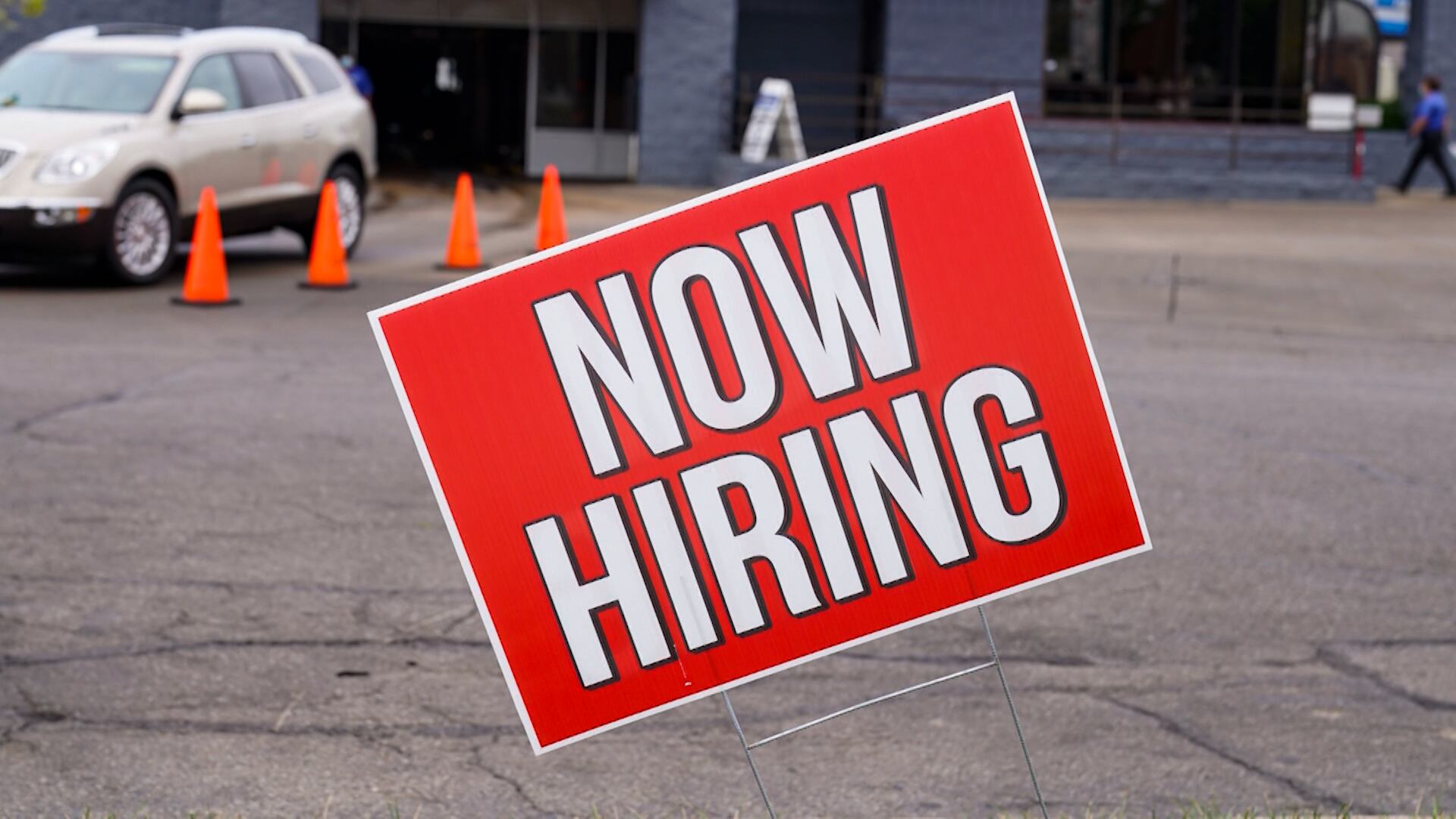
Following the surprising big beat on estimates for the January jobs report, William M. Rodgers III, vice president and director of the Institute for Economic Equity at the Federal Reserve Bank of St. Louis, joined Cheddar News to break down the data. “We ended 2021 with a strong crescendo to a recovery that had taken hold, and we started 2022 in good fashion." He also discussed the dueling pressures of wage growth and inflation.
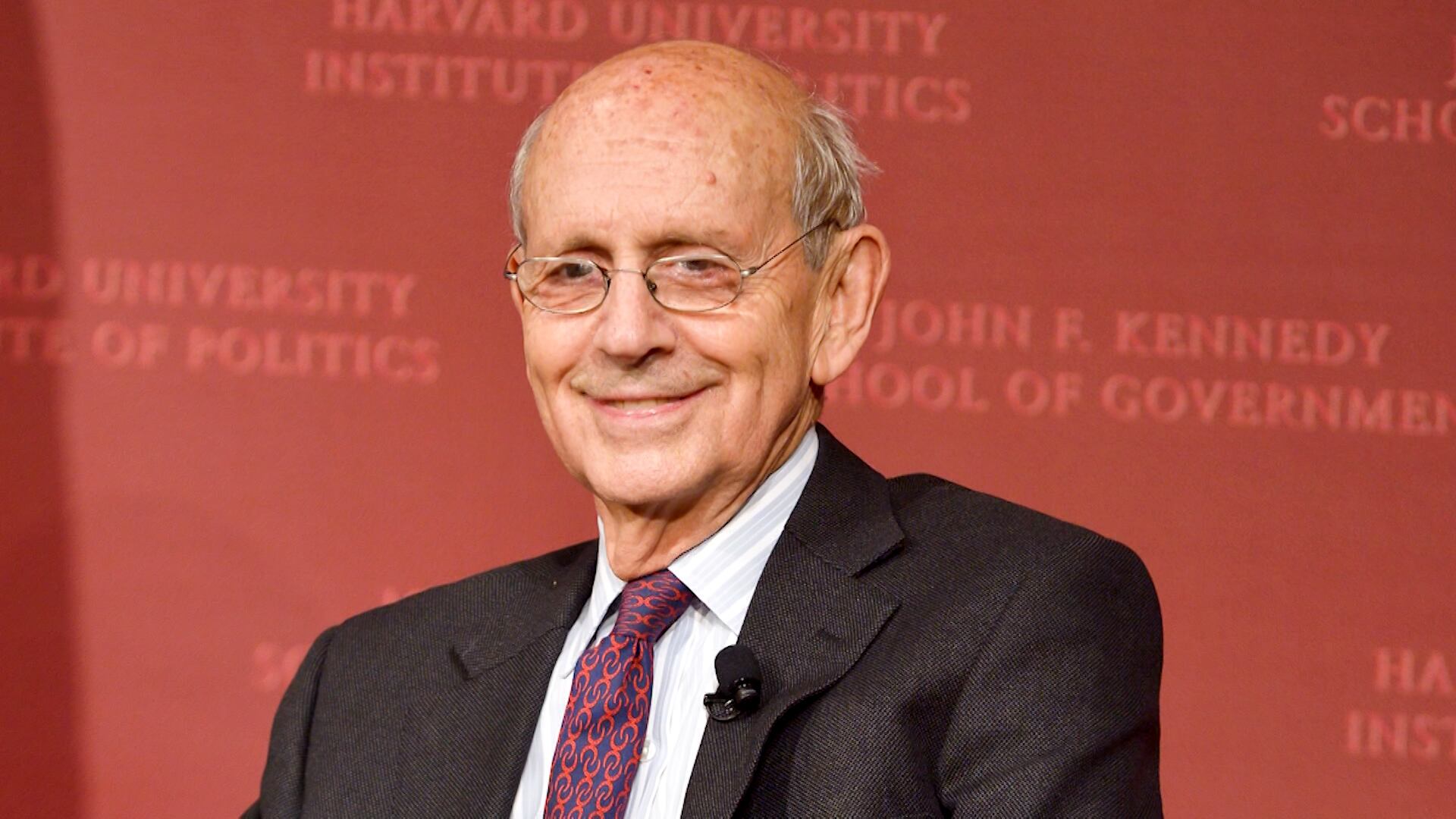
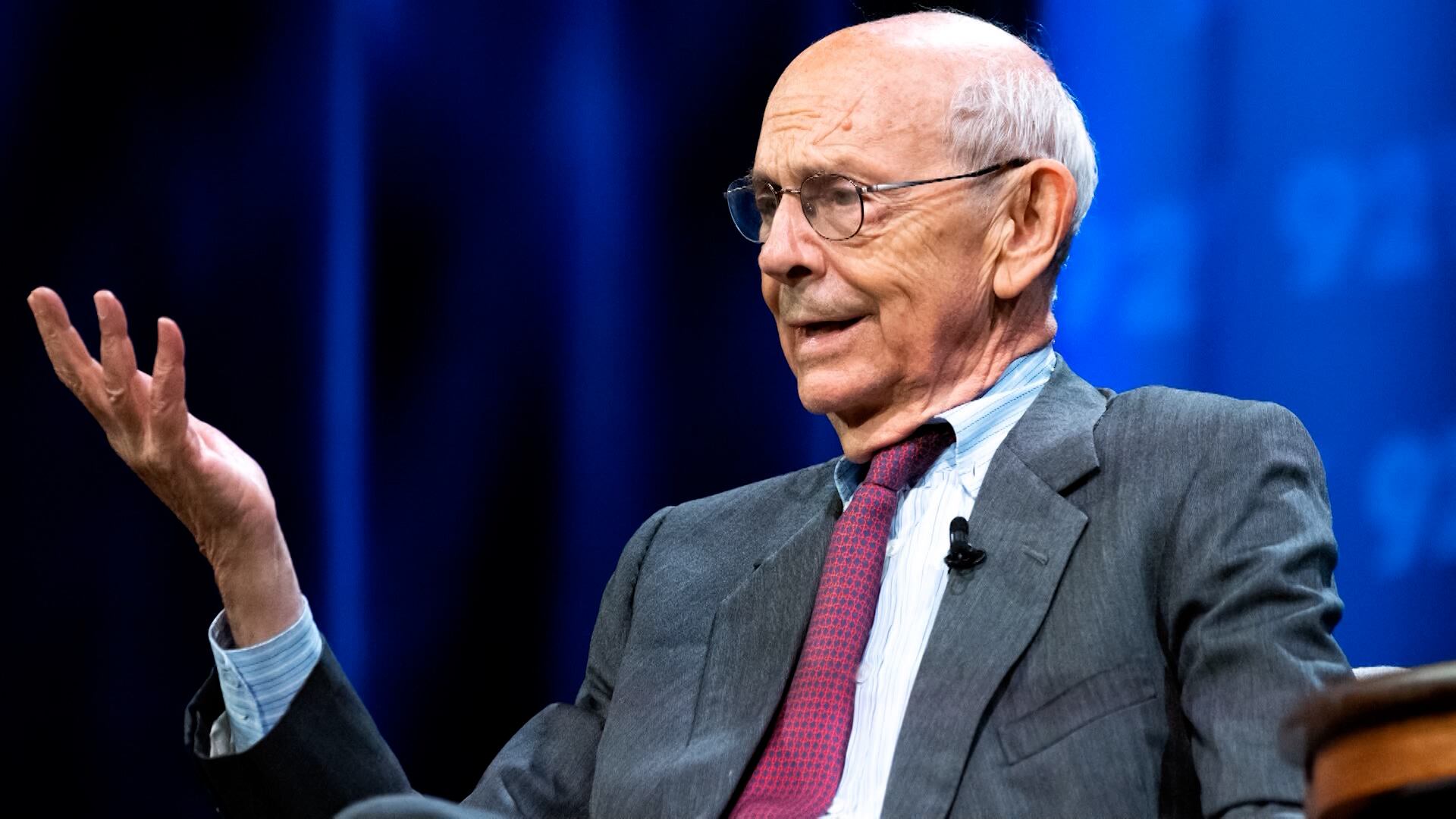
Jessica Mason Pieklo, senior vice president and executive editor of the Rewired News Group and co-host of the podcast. "Boom! Lawyered," joins Cheddar Politics to discuss Justice Stephen Breyer's retirement, legacy and potential replacement on the Supreme Court.
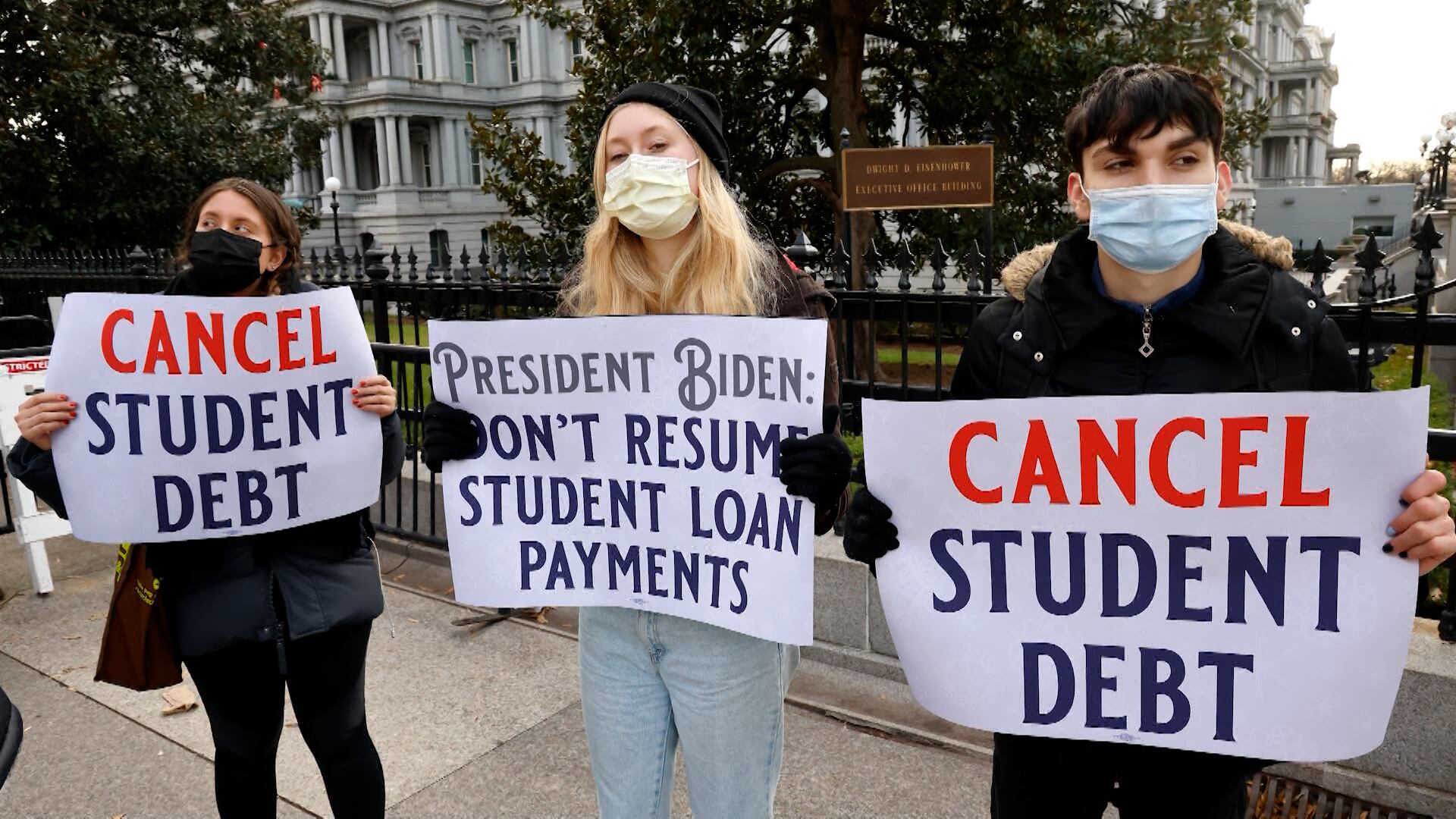
The Biden administration delivered a temporary win for student loan borrowers this year by extending the moratorium on federal payments for a few more months. That moratorium is coming to an end on May 1st and borrowers will again have their monthly loan payment plopped in their lap.
Stephanie Vanderslice, a creative writing professor paying off debt through the Parent Plus program, and Mike Pierce, executive director of the Student Borrower Protection Center, join Cheddar Politics to discuss.
2022 was already going to be a big year for the Supreme Court. We have decisions on major issues like abortion and gun rights on the way. Then, Justice Stephen Breyer announced his retirement and that set up a major confirmation fight for later this year. Amy Howe, co-founder of SCOTUSblog, joins Cheddar Politics to discuss.
The Labor Department released a better-than-expected report of 467,000 jobs added in January. Heather Boushey, Council of Economic Advisers Member for President Biden, joined Cheddar to tout the administration's handling of the economy amid the pandemic and the upward revisions for the previous month. "It also shows that, because of the revisions, the economy was stronger over the past couple of months," she said. "I don't think that this can be said enough, but economic forecasting during an historic pandemic is extremely difficult." Boushey also addressed issues involving wage growth versus the rapid rise of inflation.
The Labor Department's January jobs report showed 467,000 jobs were added, compared to the 150,000 that were projected, a sign that employment is continuign to return to pre-pandemic levels. Lindsey Piegza, chief economist at investment bank Stifel, joined Cheddar to break down the report, noting the big gains but adding a note of caution. "Remember, even with this morning's stellar report, we're still millions below that level that we had reached prior to the onset of COVID-19," she said." Yes, we are recapturing jobs. We still have further ground that needs to be made before we can talk about reaching that previous peak." Piegza also discussed the role of the Federal Reserve going forward as the employment figures turn more positive.