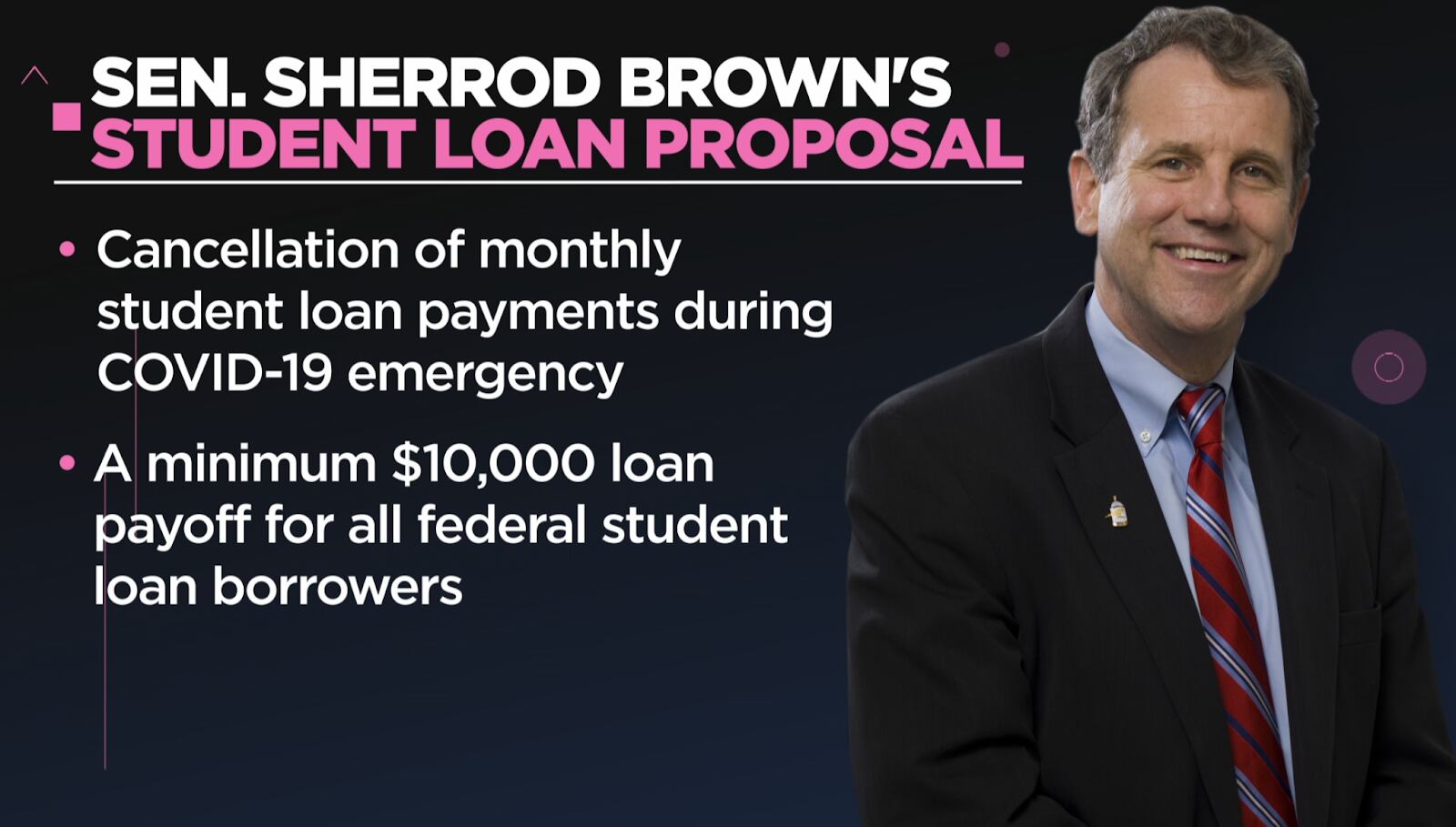
Ohio Senator Sherrod Brown is pushing forward with his proposal to provide a $10,000 payoff to all federal student loan borrowers.
“The next round of stimulus, we want to do that,” Brown told Cheddar from his home in Cleveland, Ohio on Tuesday.
Brown said that he and other Democratic senators have already been partially successful with bringing relief to those burdened by student loan debt.
“Senator Warren and I wanted two major things. We wanted a freeze on payments so nobody had to pay during this six-month or so period,” Brown explained. “We also wanted $10,000 in forgiveness of federal loans. The Republicans wouldn’t accept that. Trump opposed that.”
Brown also lobbied for $4,500 in direct payments for every American adult and child, with restrictions on higher-income families. The $2.2 trillion stimulus package included a one-time payment of $1,200 to most adults and $500 for every child.
When asked about Republicans accusing Democrats of trying to use the coronavirus crisis to push long-sought progressive legislation, Brown shrugged off the criticism saying the government is obligated to take action.
“This is the role of government to help people that are unemployed, to help people that are sick, to help people that are struggling, to help people that are hungry,” he said. “I don’t apologize for a second for any of that.”
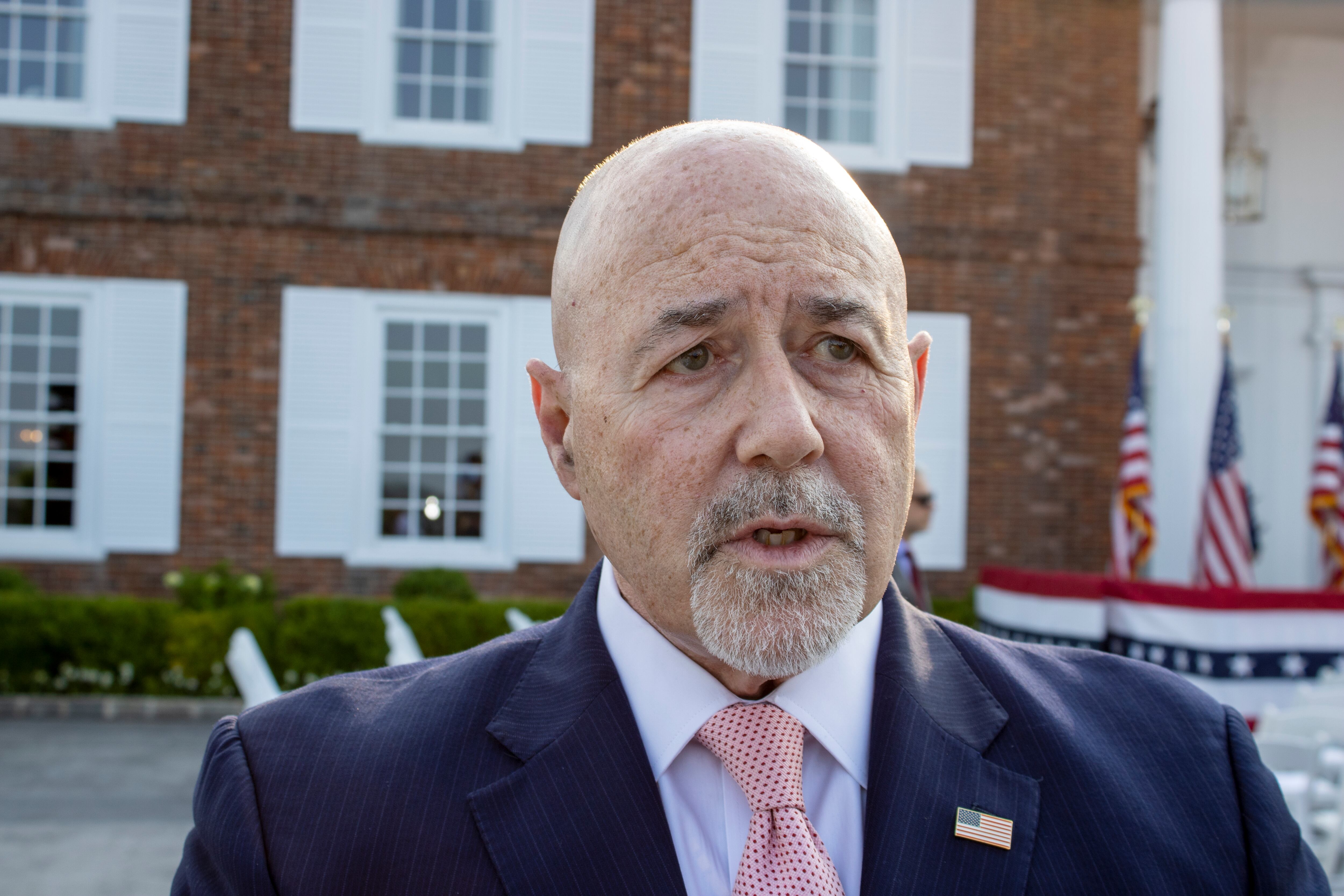
The lawyer for former NYPD commissioner Bernard Kerik turned over thousands of pages and documents to a special counsel as part of an investigation into Kerik's alleged involvement to overturn the results of the 2020 election.
Israel’s parliament on Monday approved the first major law in Prime Minister Benjamin Netanyahu’s contentious plan to overhaul the country’s justice system, triggering a new burst of mass protests and drawing accusations that he was pushing the country toward authoritarian rule.
North Korea fired two short-range ballistic missiles into its eastern sea, South Korea’s military said Tuesday, adding to a recent streak in weapons testing that is apparently in protest of the U.S. sending major naval assets to South Korea in a show of force.
Now the federal Mine Safety and Health Administration has proposed a rule that would cut the current limit for silica exposure by half — a major victory for safety advocates. But there is skepticism and concern about the government following through after years of broken promises and delays.
A state trooper's account of officers denying migrants water in 100-degree Fahrenheit (37.7 Celsius) temperatures and razor wire leaving asylum-seekers bloodied has prompted renewed criticism.