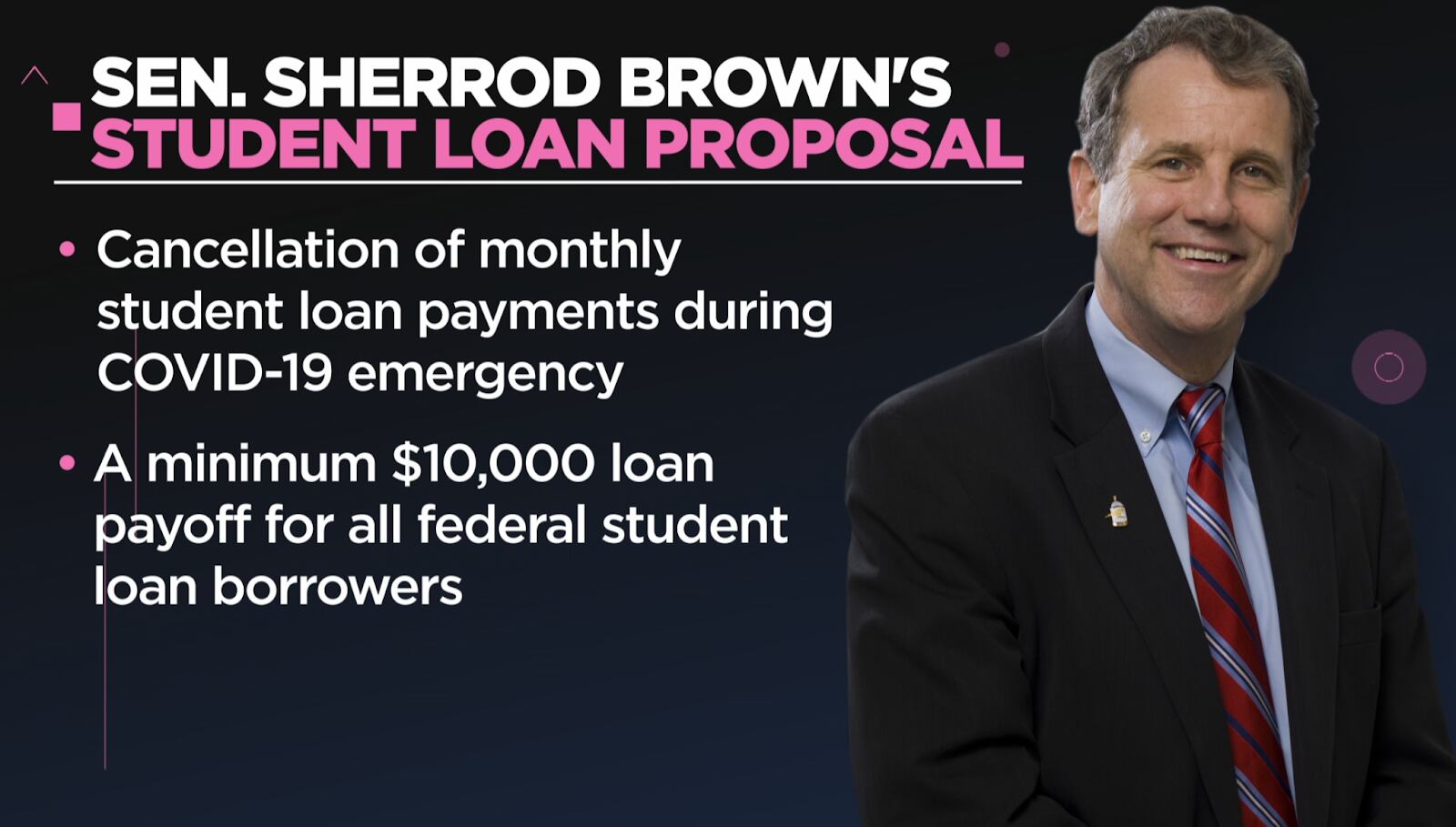
Ohio Senator Sherrod Brown is pushing forward with his proposal to provide a $10,000 payoff to all federal student loan borrowers.
“The next round of stimulus, we want to do that,” Brown told Cheddar from his home in Cleveland, Ohio on Tuesday.
Brown said that he and other Democratic senators have already been partially successful with bringing relief to those burdened by student loan debt.
“Senator Warren and I wanted two major things. We wanted a freeze on payments so nobody had to pay during this six-month or so period,” Brown explained. “We also wanted $10,000 in forgiveness of federal loans. The Republicans wouldn’t accept that. Trump opposed that.”
Brown also lobbied for $4,500 in direct payments for every American adult and child, with restrictions on higher-income families. The $2.2 trillion stimulus package included a one-time payment of $1,200 to most adults and $500 for every child.
When asked about Republicans accusing Democrats of trying to use the coronavirus crisis to push long-sought progressive legislation, Brown shrugged off the criticism saying the government is obligated to take action.
“This is the role of government to help people that are unemployed, to help people that are sick, to help people that are struggling, to help people that are hungry,” he said. “I don’t apologize for a second for any of that.”
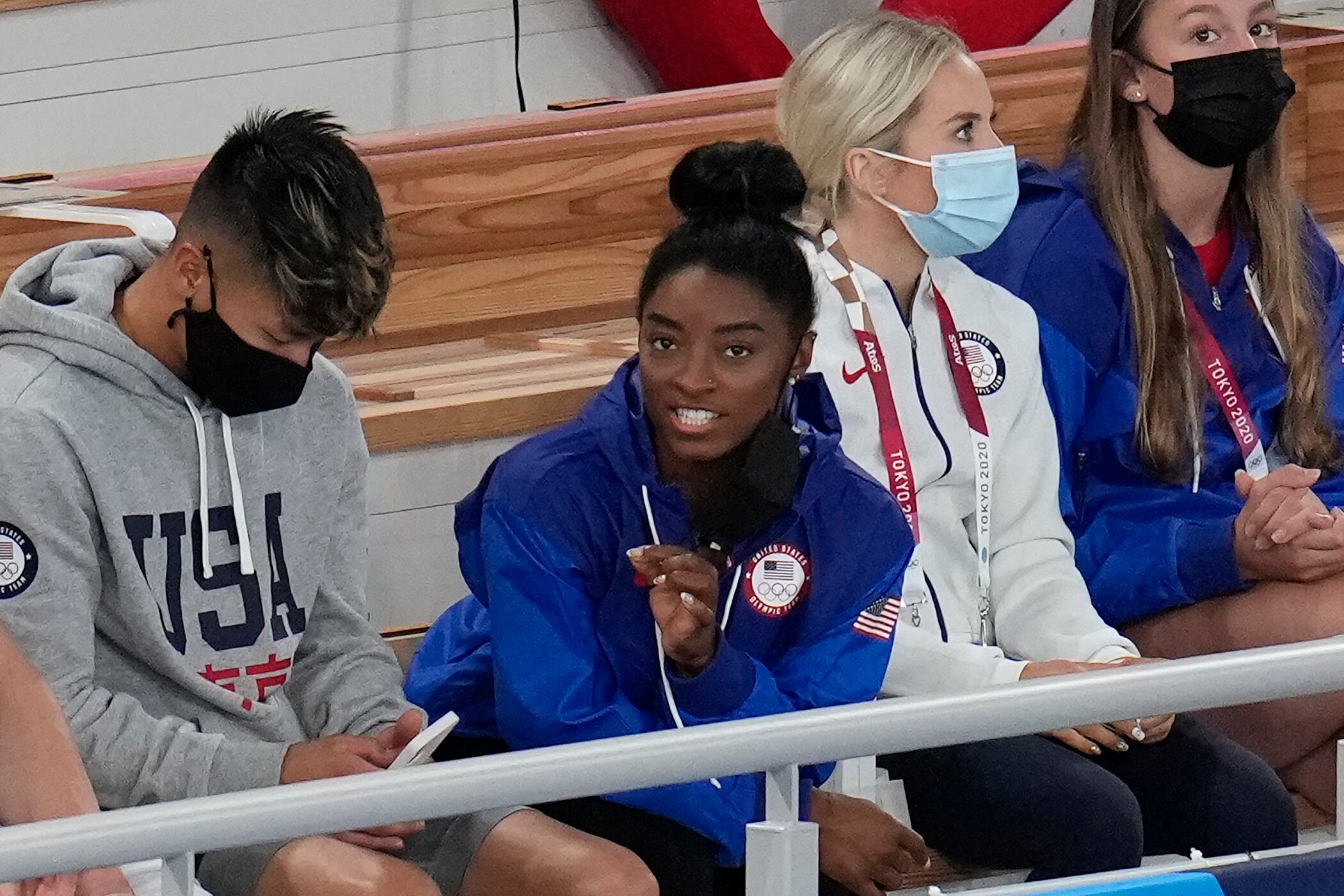
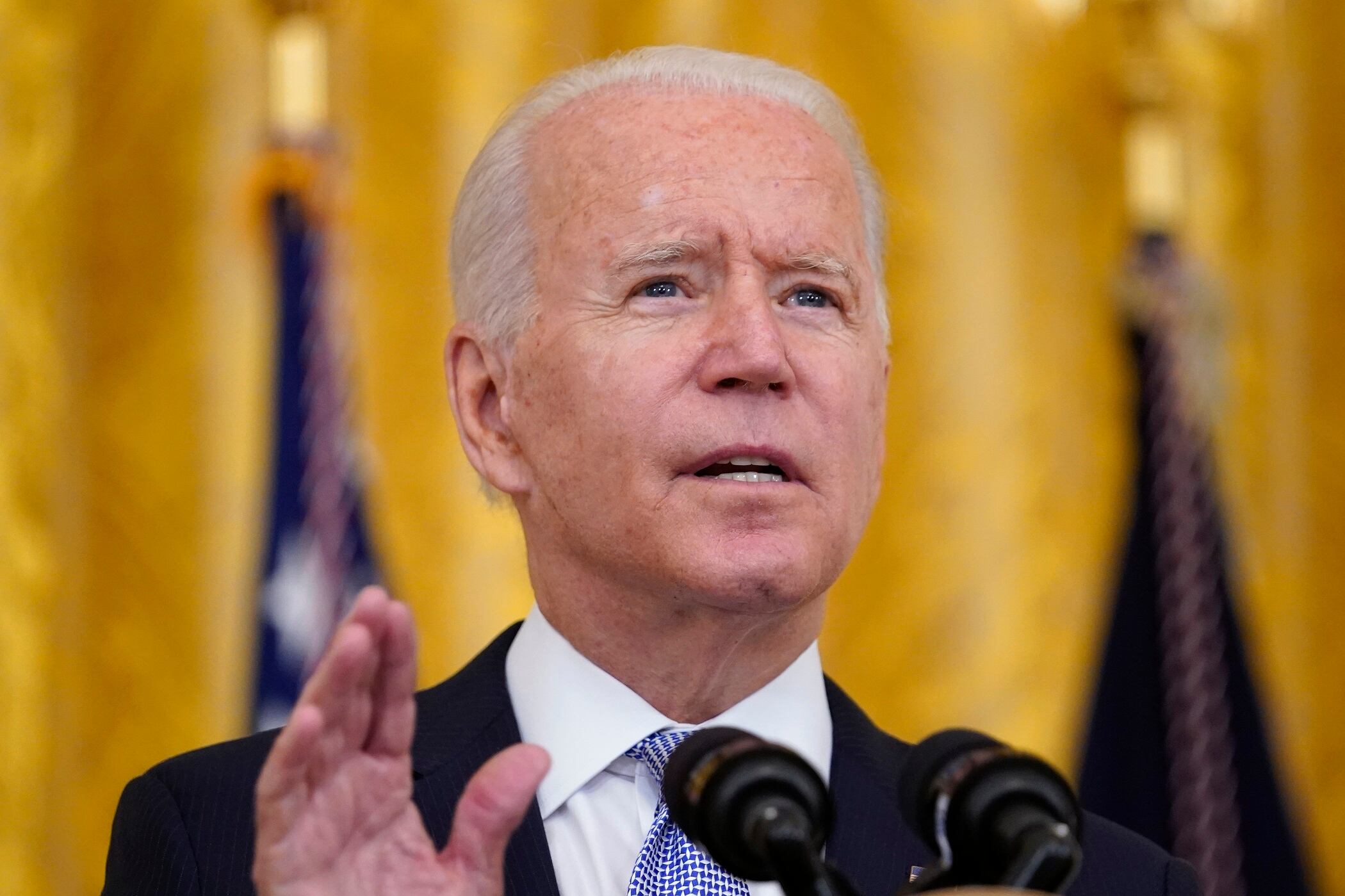
Jill and Carlo talk about the latest from Tokyo including Simone Biles plans to compete in the balance beam final, Dr. Fauci's dire Delta warning, high profile vaccine mandates from employers like Walmart and Disney, and Square's acquisition of Afterpay.
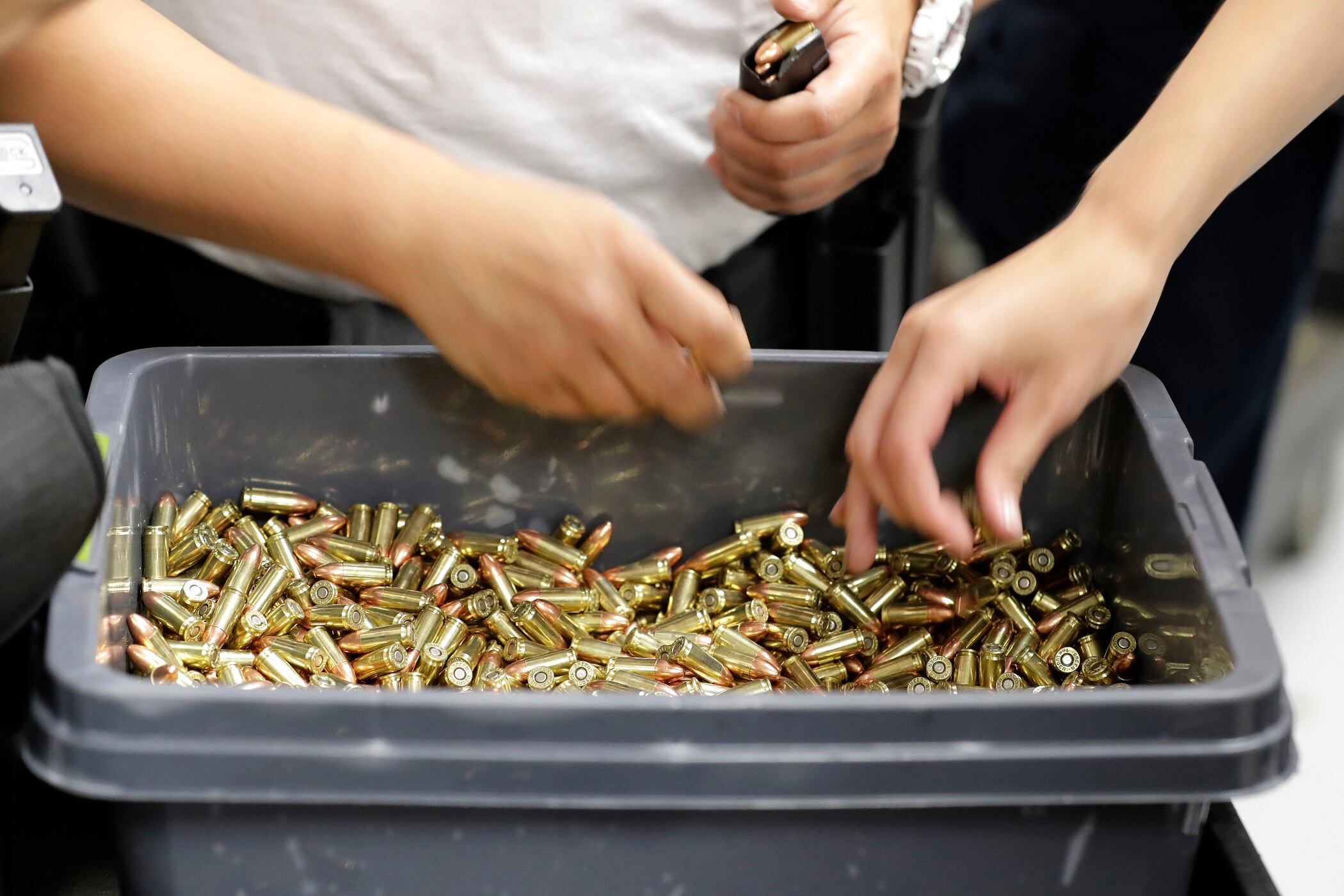
A shortage of ammunition in the U.S. is having an impact on law enforcement agencies, people seeking personal protection, recreational shooters and hunters.
Scientists who studied a big COVID-19 outbreak in Massachusetts concluded that vaccinated people who got so-called breakthrough infections carried about the same amount of the coronavirus as those who did not get the shots.
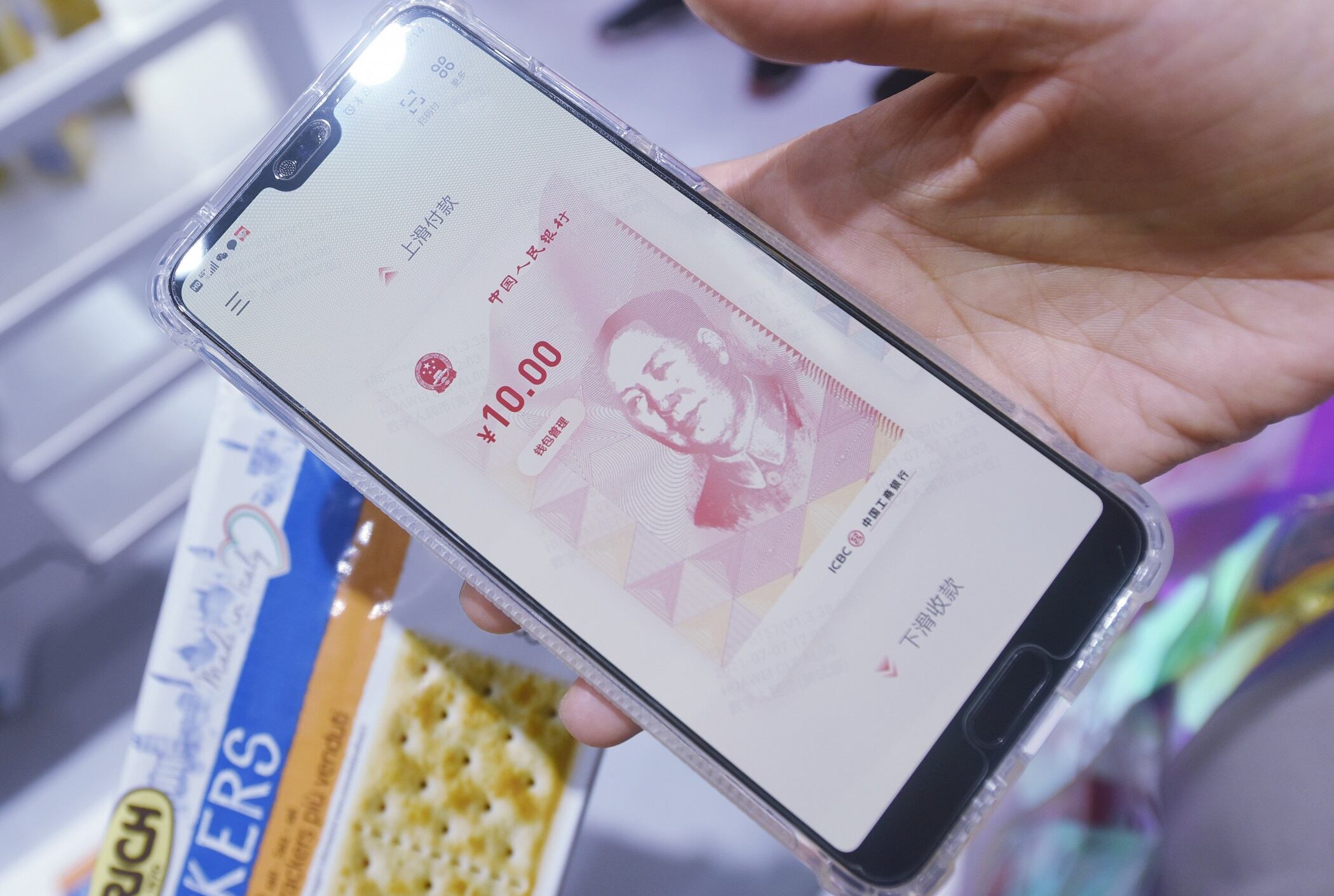
A new interactive tracker from the Atlantic Council shows that 81 countries are at some stage of development with a central bank digital currency, but the U.S. is notably absent from its list of frontrunners.
Fueled by vaccinations and government aid, the U.S. economy grew at a solid 6.5% annual rate last quarter in the clearest sign to date that the nation has achieved a sustained recovery from the pandemic recession.
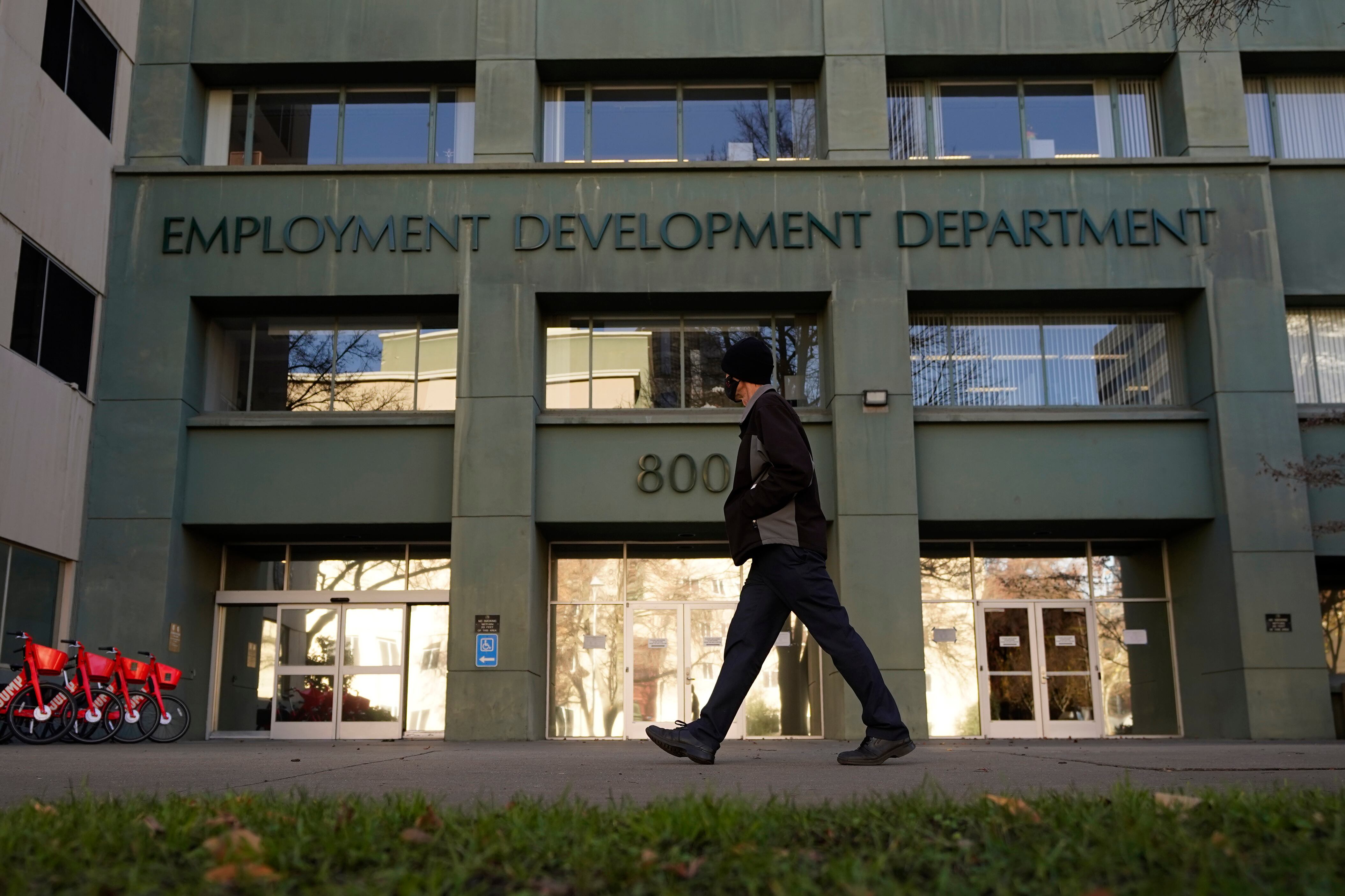
The number of Americans collecting unemployment benefits slid last week, another sign that the job market continues to recover rapidly from the coronavirus recession.
Fed-watchers had their ears peeled after Wednesday's meeting of the Federal Reserve's Open Market Committee for any signal of when the central bank might start tapering its $120 billion in monthly assets purchases.