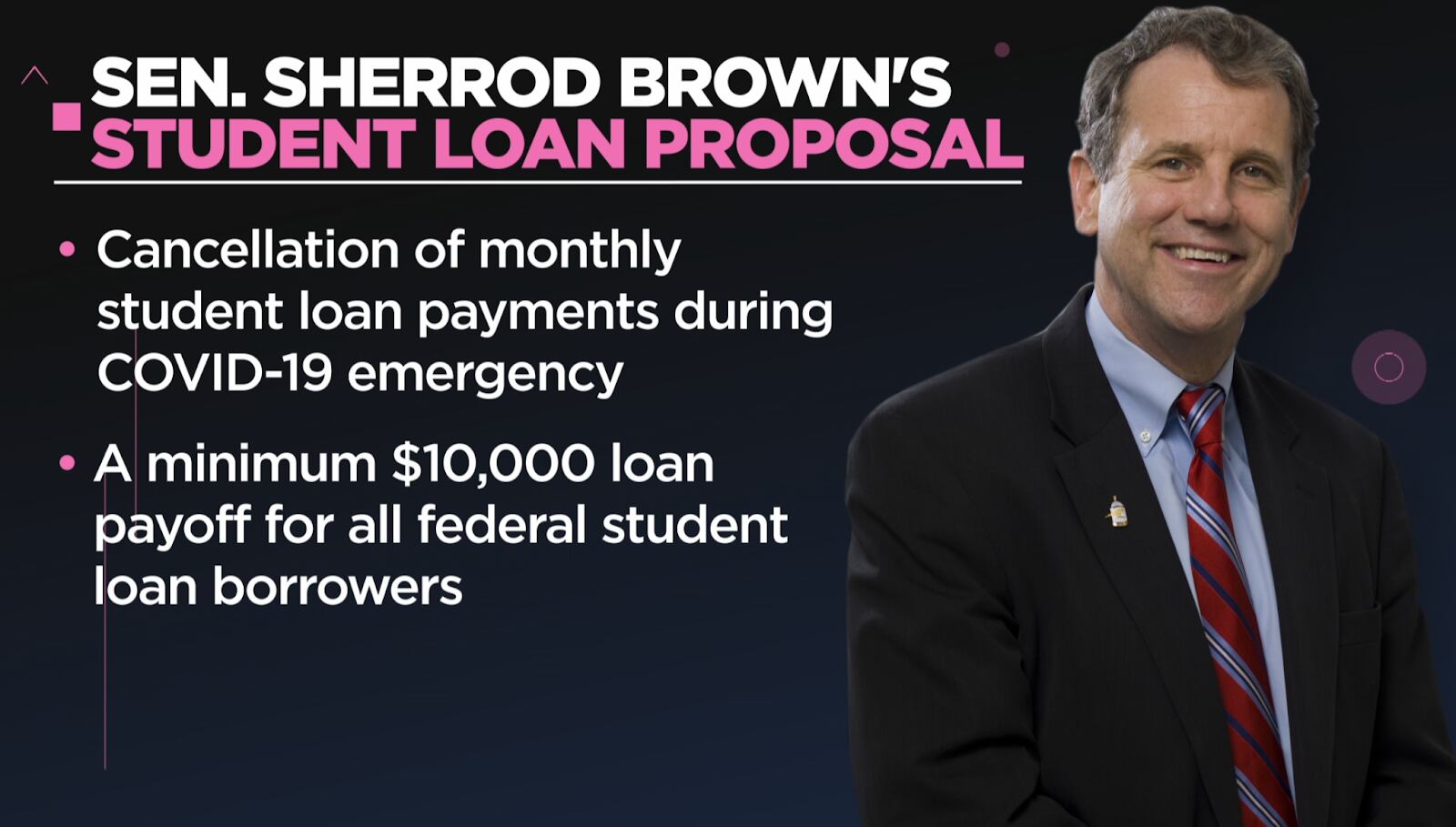
Ohio Senator Sherrod Brown is pushing forward with his proposal to provide a $10,000 payoff to all federal student loan borrowers.
“The next round of stimulus, we want to do that,” Brown told Cheddar from his home in Cleveland, Ohio on Tuesday.
Brown said that he and other Democratic senators have already been partially successful with bringing relief to those burdened by student loan debt.
“Senator Warren and I wanted two major things. We wanted a freeze on payments so nobody had to pay during this six-month or so period,” Brown explained. “We also wanted $10,000 in forgiveness of federal loans. The Republicans wouldn’t accept that. Trump opposed that.”
Brown also lobbied for $4,500 in direct payments for every American adult and child, with restrictions on higher-income families. The $2.2 trillion stimulus package included a one-time payment of $1,200 to most adults and $500 for every child.
When asked about Republicans accusing Democrats of trying to use the coronavirus crisis to push long-sought progressive legislation, Brown shrugged off the criticism saying the government is obligated to take action.
“This is the role of government to help people that are unemployed, to help people that are sick, to help people that are struggling, to help people that are hungry,” he said. “I don’t apologize for a second for any of that.”
Lines of cars formed at British gas stations for a fourth day on Monday, as the government mulled bringing in the army to help ease supply disruption triggered by a shortage of truck drivers.
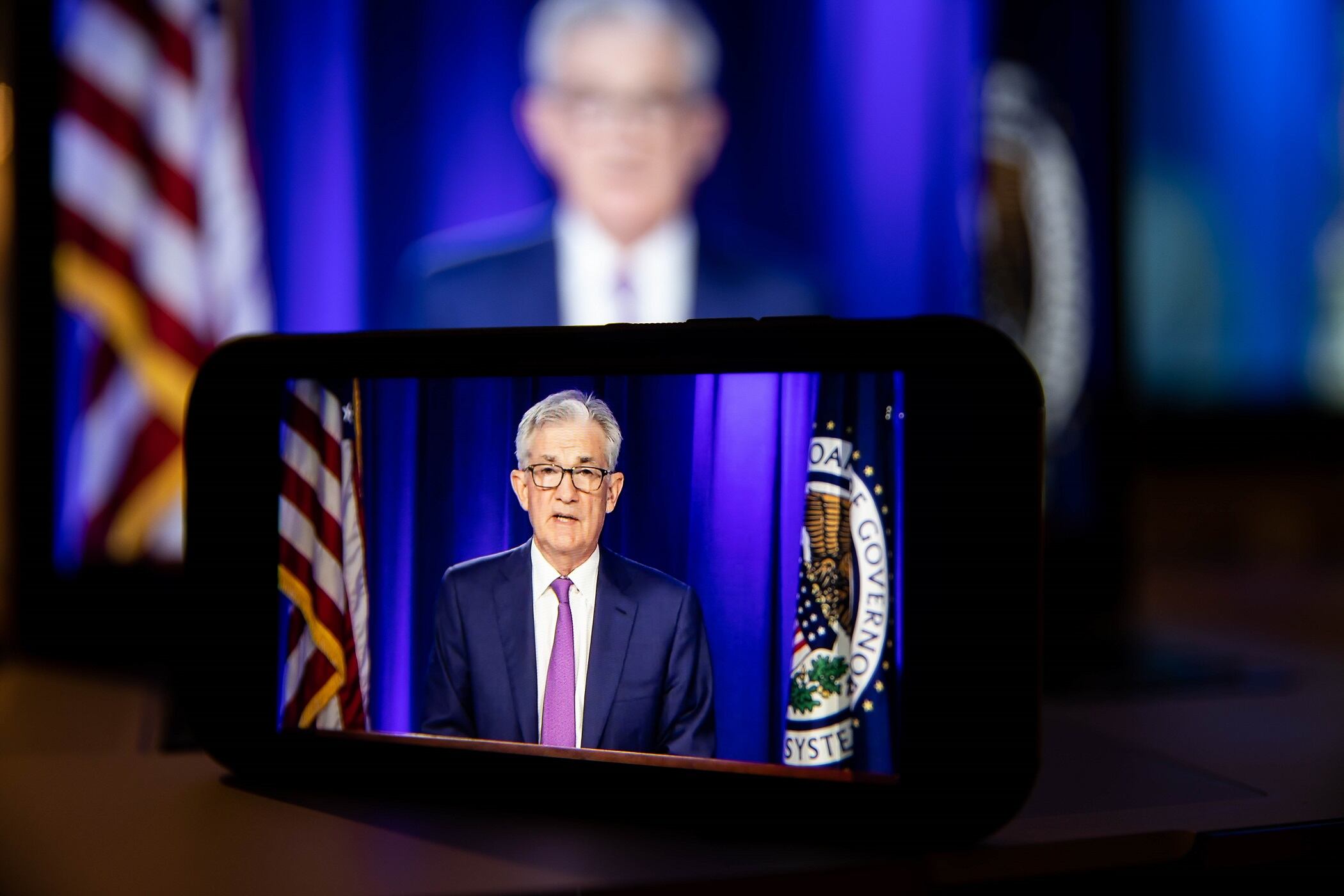
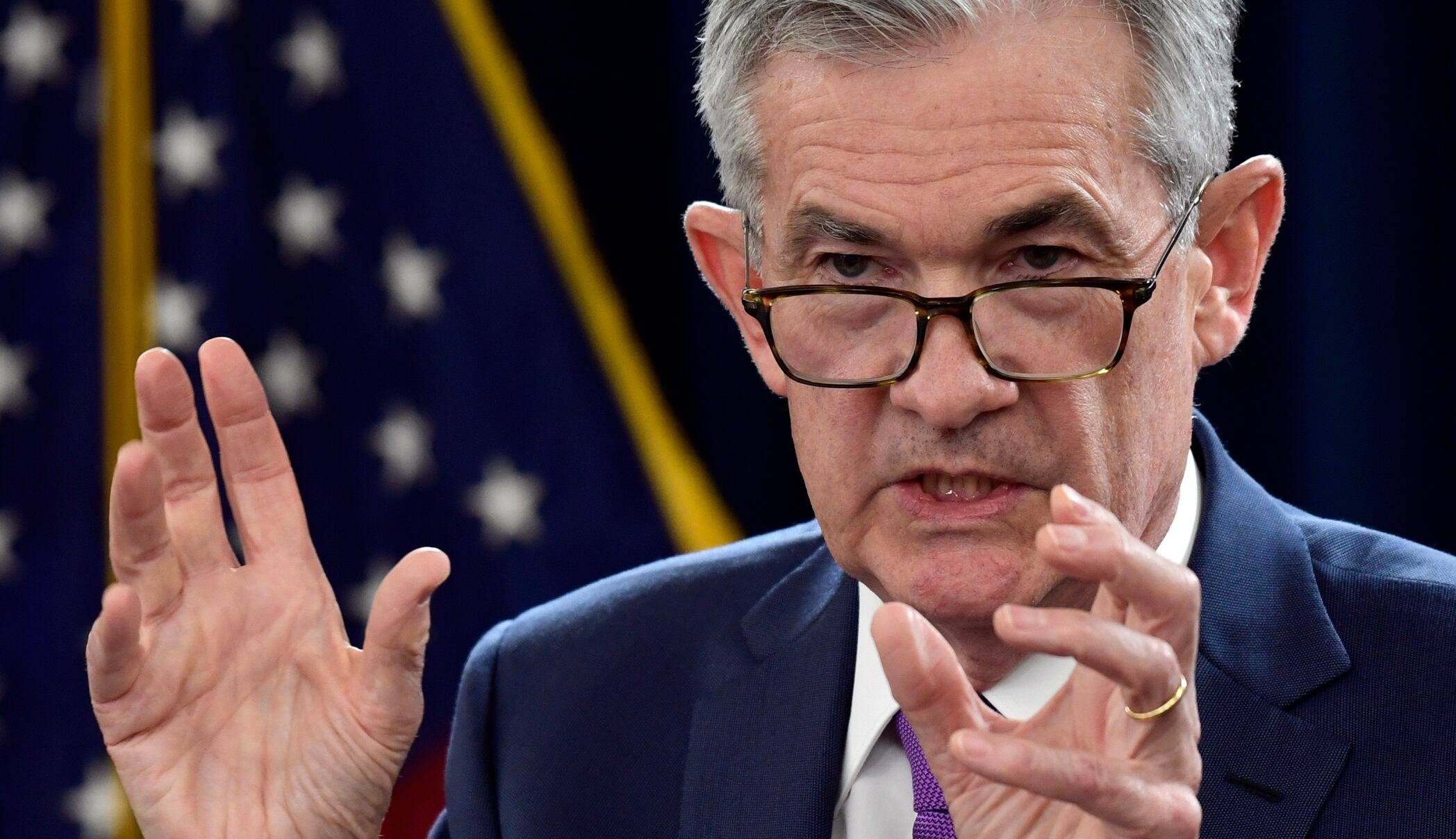
Powell on Wednesday shed new light on the possibility of launching a central bank digital currency (CBDC) in the U.S., and stakeholders in the worlds of both monetary policy and cryptocurrency took notice.
China’s central bank has declared all transactions involving Bitcoin and other virtual currencies illegal, stepping up a campaign to block use of unofficial digital money.
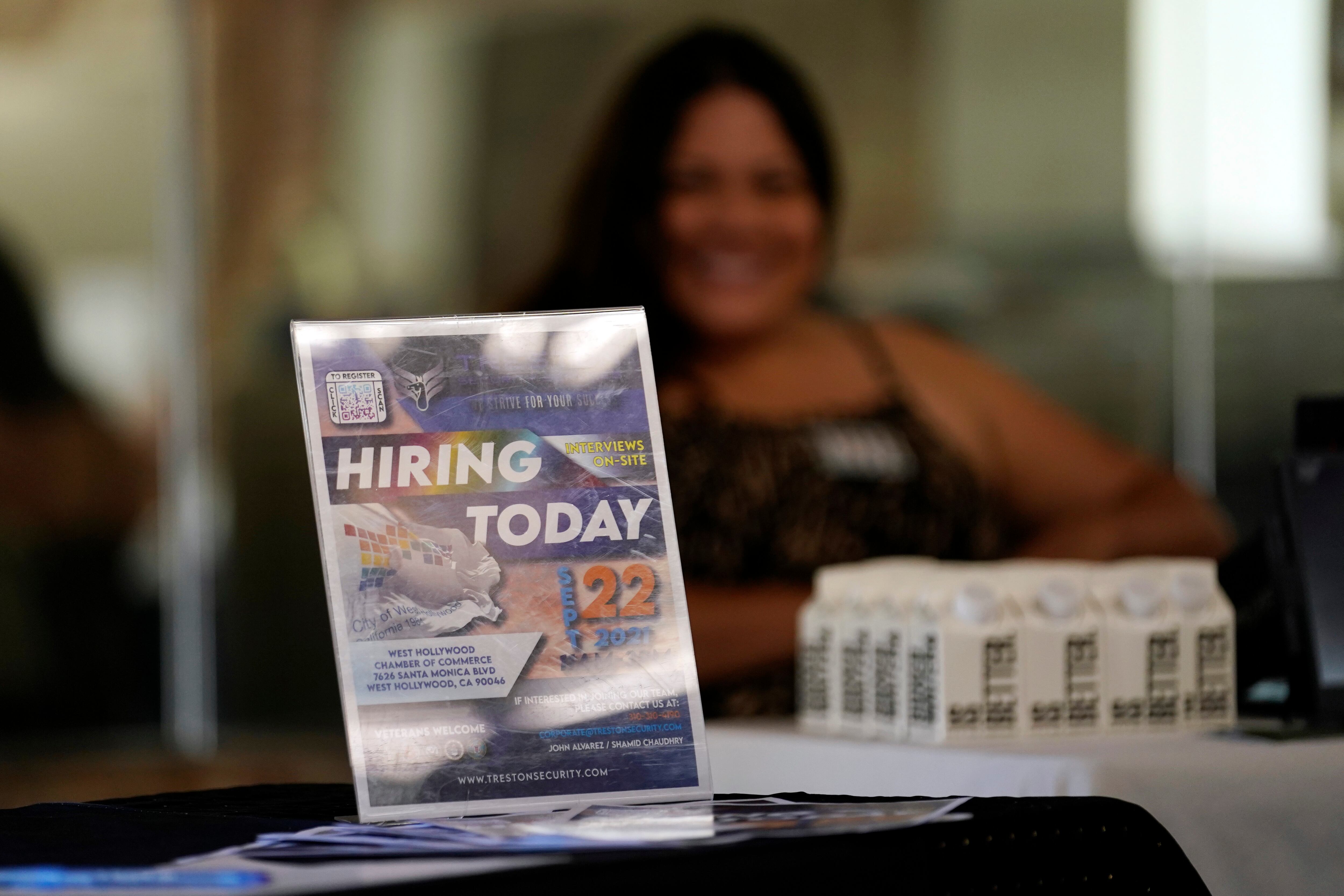
The number of Americans applying for unemployment aid rose last week for a second straight week to 351,000, a sign that the delta variant of the coronavirus may be disrupting the job market’s recovery, at least temporarily.
Many had expected Fed Chair Jerome Powell to clarify the timing of the long-anticipated taper following Wednesday's meeting of the Federal Open Market Committee (FOMC), and he didn't disappoint.
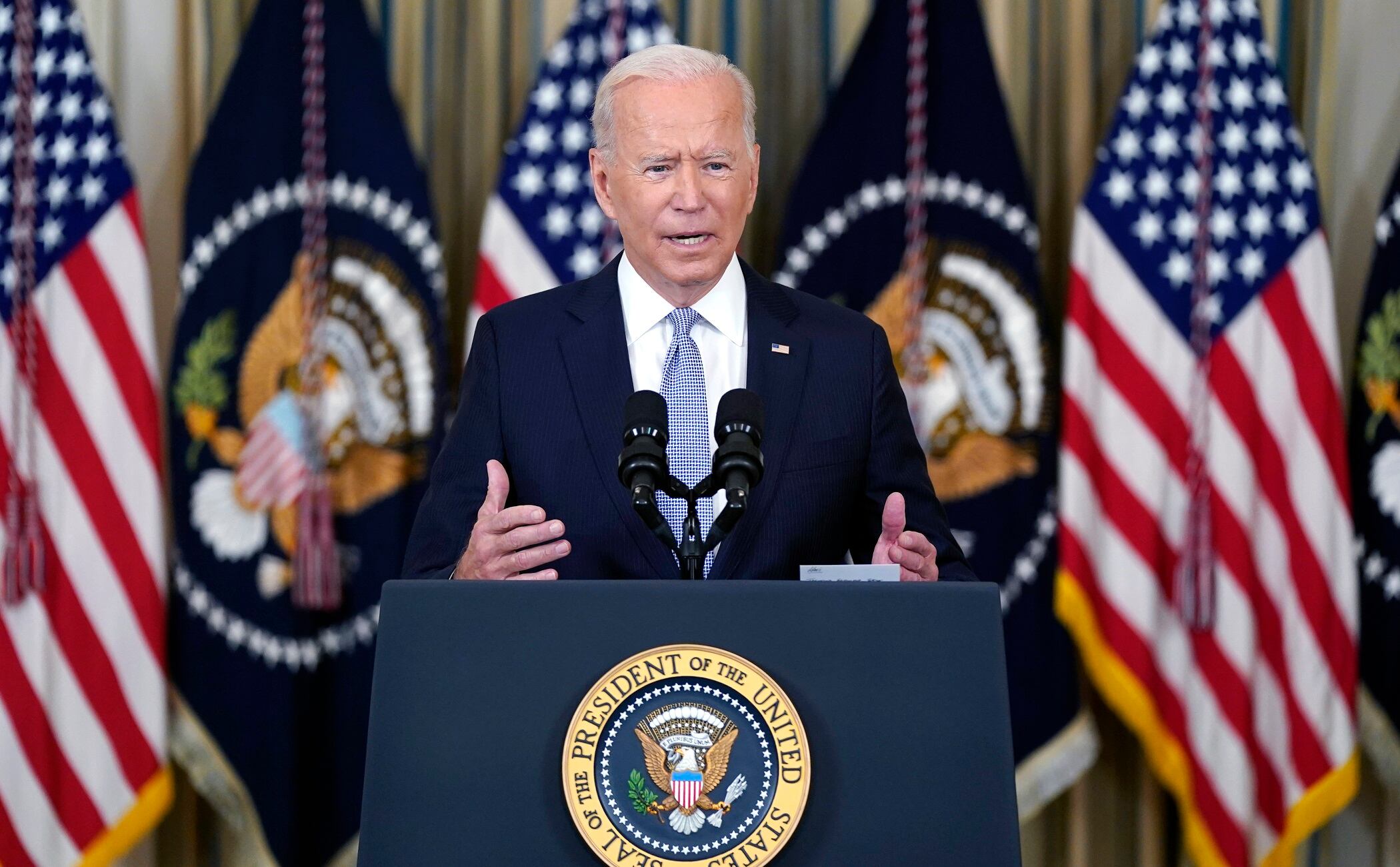
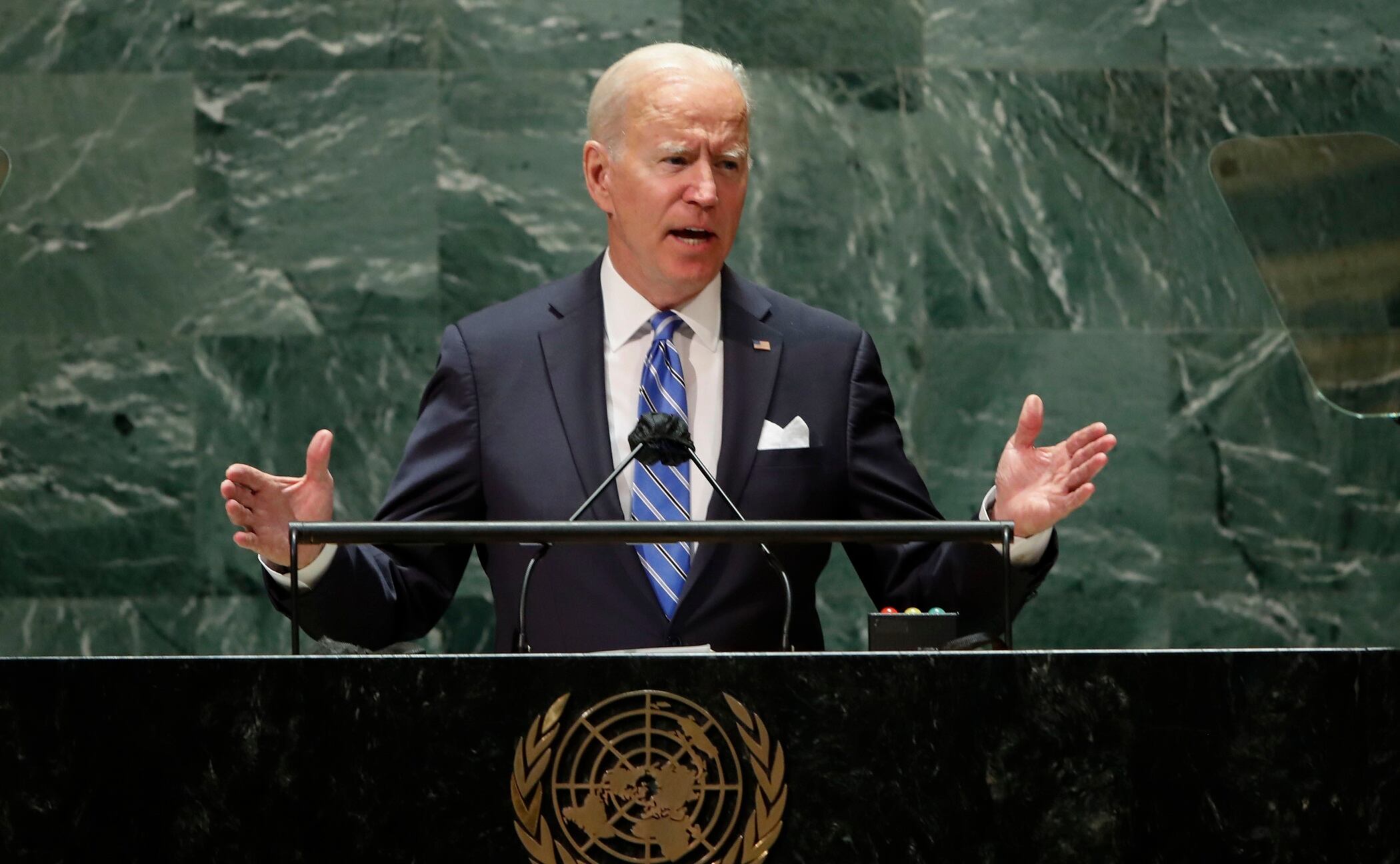
President Biden used his first address before the U.N. General Assembly to declare that the world stands and at an “inflection point in history” and that the world must act with haste to move quickly and cooperatively to address the festering issues.