Photo By Bill Clark/CQ-Roll Call, Inc via Getty Images
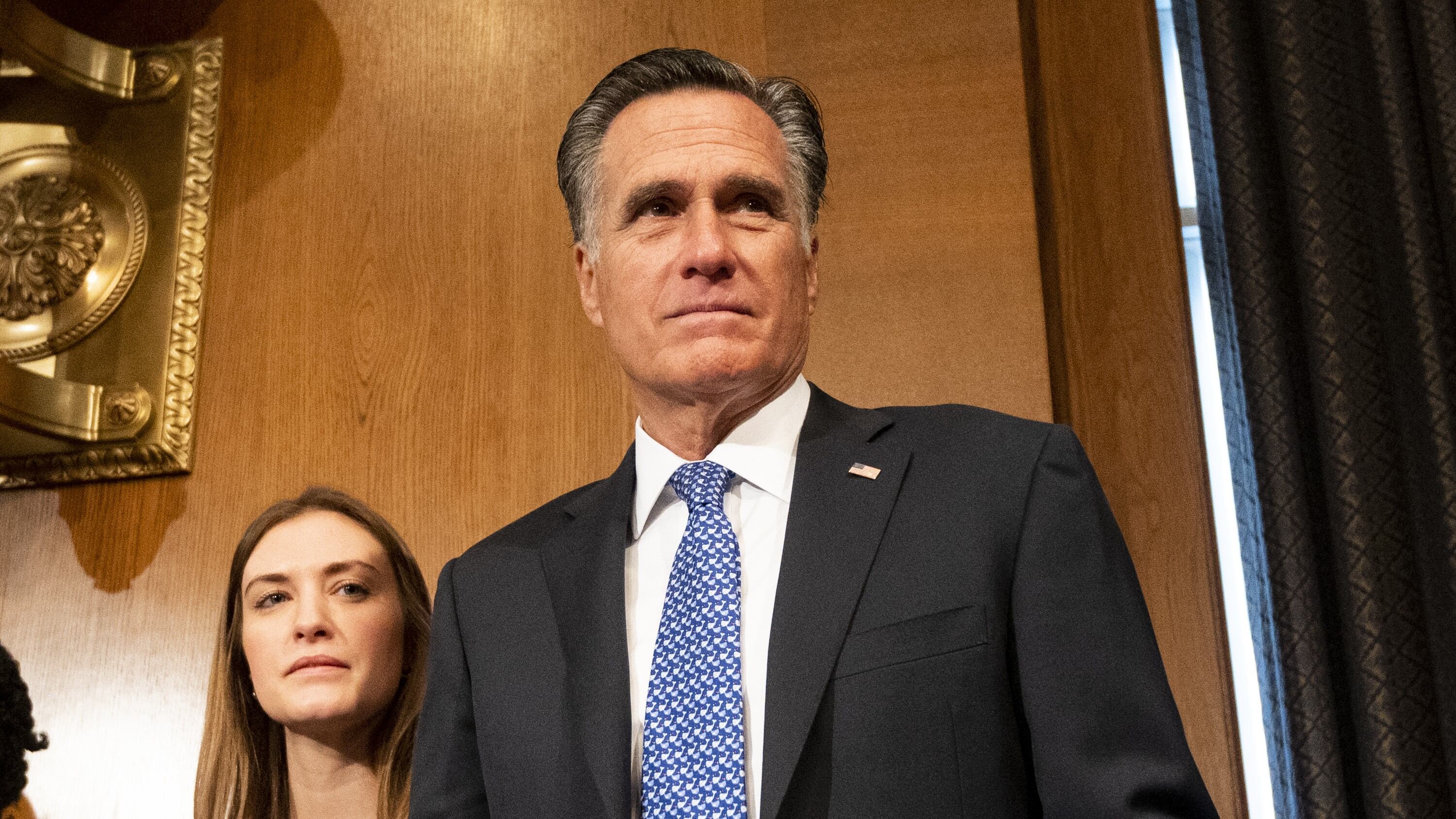
Sen. Mitt Romney seems to be channeling former Democratic presidential candidate Andrew Yang in his proposal to give every U.S. adult $1,000 to help them deal with the economic impact of the coronavirus outbreak.
“Every American adult should immediately receive $1,000 to help ensure families and workers can meet their short-term obligations and increase spending in the economy. Congress took similar action during the 2001 and 2008 recessions,” he said. “While expansions of paid leave, unemployment insurance, and SNAP benefits are crucial, the check will help fill the gaps for Americans that may not quickly navigate different government options.”
The Republican senator proposed the measure amid efforts in Washington D.C. to push a second relief package through the Senate offering free testing and limited paid sick leave.
Critics of the bill say it falls short of addressing the massive economic fallout of the outbreak.
"We also urgently need to build on this legislation with additional action to help families and small businesses meet their short-term financial obligations, ease the financial burden on students entering the workforce, and protect health workers on the front lines and their patients by improving telehealth services," Romney said in a statement.
Romney has also called for giving “bridge grants” to small businesses that apply but don’t receive Economic Injury Disaster Loans under the Small Business Administration. Qualified businesses would need to show a 50 percent decline in monthly revenue from the prior year.
The grants will help businesses afford short-term costs such as payroll and rent that could help them avoid bankruptcy down the line, Romney said.
The same statement includes proposals to defer student loan payments and adjust federal Pell Grants to cover additional costs related to the coronavirus.
In addition, Romney has proposed requiring all private insurance companies to cover telehealth services, with the caveat that the federal government would reimburse all costs.
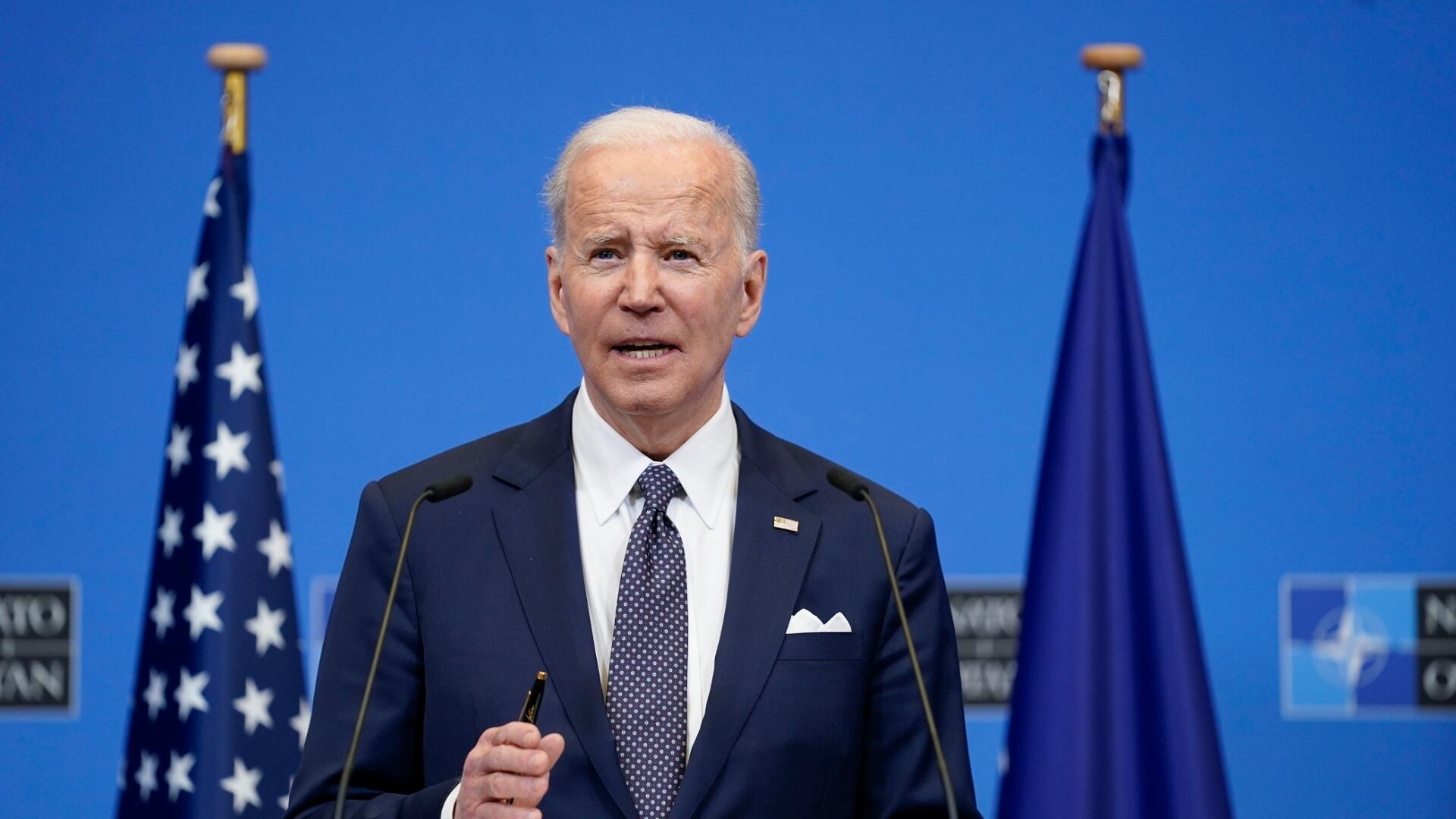
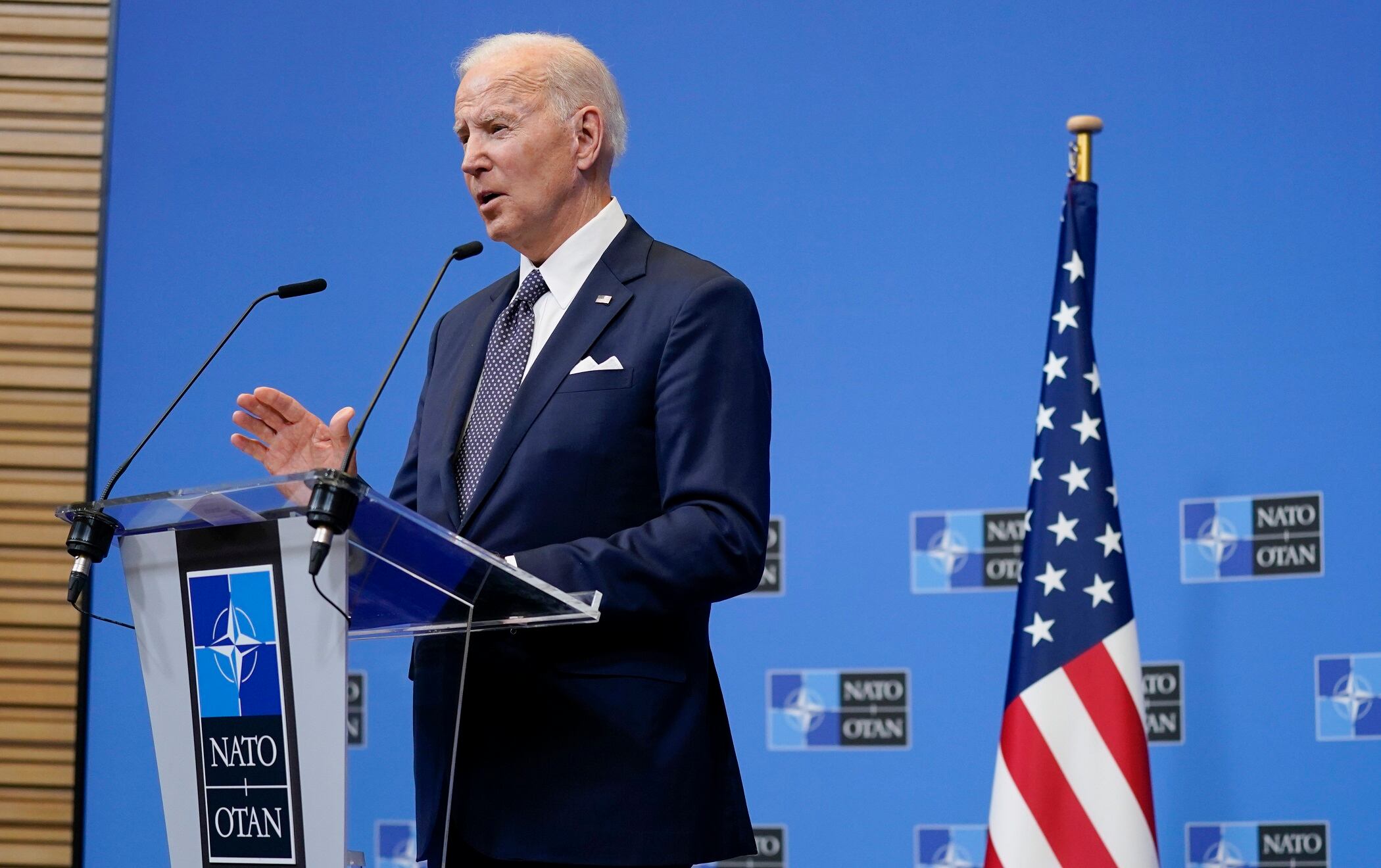
As President Biden travels to Europe this week amid Russia's ongoing invasion of its neighbor Ukraine, former Obama campaign foreign policy advisor and former Bush administration State Department official David Tafuri, joined Cheddar News to discuss the president's stop in Brussels, Belgium, to coordinate with NATO leaders efforts to dissuade Russian President Putin's war. "The maintenance of sanctions and increasingly ratcheting up the sanctions is what he thinks will cause a country like Russia to back off," Tafuri said of Biden. "And so he's committed to that strategy."
John Logan, Director of Labor and Employment Studies at San Francisco State University, joined Cheddar News to discuss the growing unionization push by employees at Starbucks and Amazon, and the wider implications of employee organization at these big companies.
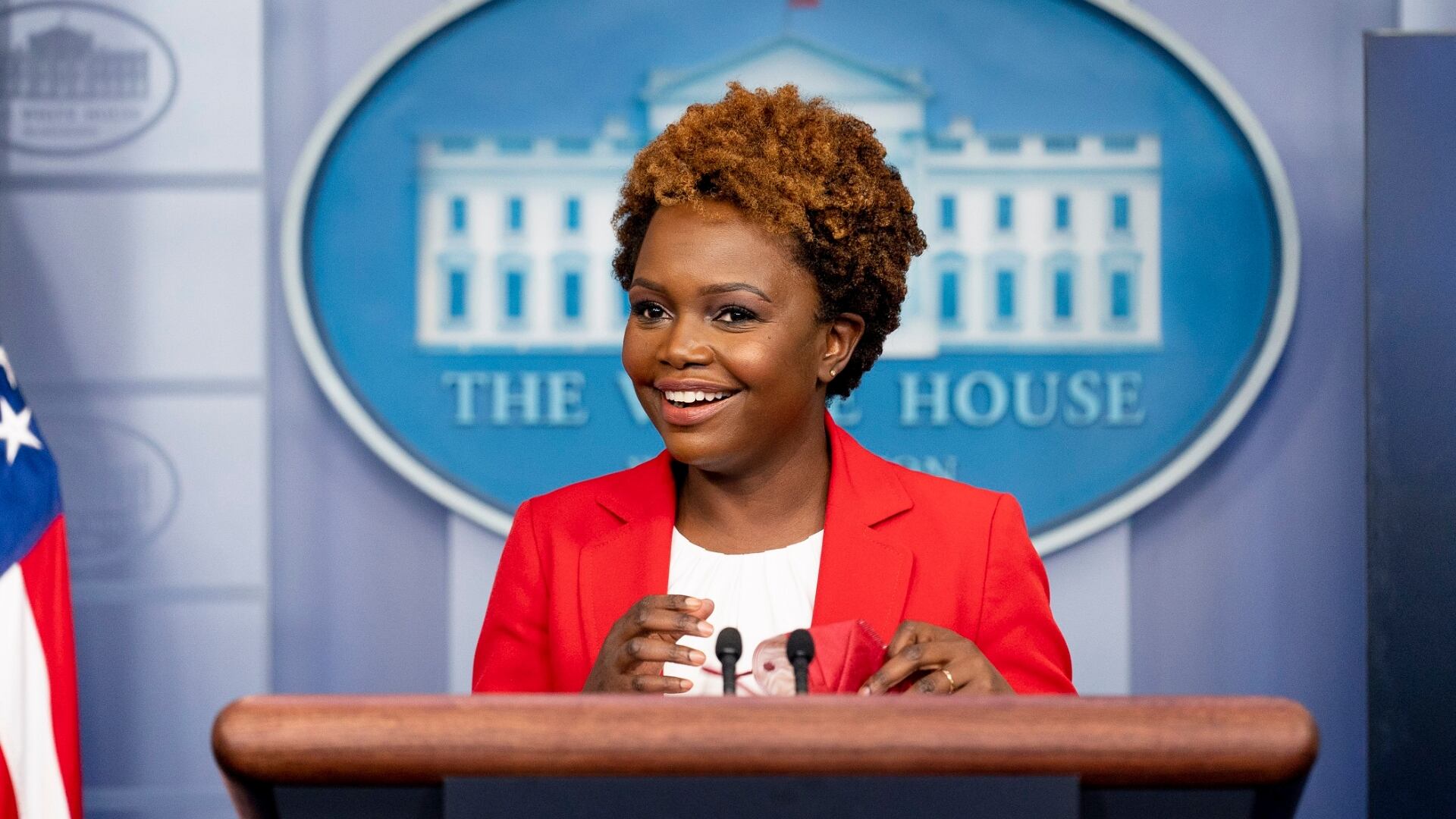
Cheddar's Arielle Hixson sat down with five Black women making history as part of the Biden administration's communications team. Karine Jean-Pierre, the principal deputy press secretary; Khanya Brann, the chief of staff to Kate Bedingfield; Amanda Finney, the chief of staff to Jen Psaki; Erica Loewe, the director of African American media; and Rykia Dorsey, the senior regional communications director, shared their stories.
President Biden has embarked on a crucial trip to meet with allies in Belgium and Poland to discuss new sanctions on Russia as it continues to wage war on Ukraine. The president will seek to address the growing humanitarian crisis out of Ukraine, demonstrate a united Western front against Russia, and reassure Ukraine that it has support from the U.S. Joel Rubin, Former Deputy Assistant Secretary of State & President of the Washington Strategy Group, breaks down what to expect from the President's crucial visit to Europe.
Catching you up on what you need to know Mar 24, 2022, with NATO meeting updates, Ukraine retaking suburbs around Kyiv, the spread of omicron subvariant BA.2 in China, Google Pay launching a third-party billing option, and a 16-year-old is suspected of being the Lapsus$ mastermind behind hacks of Microsoft and others.
The number of Americans applying for unemployment benefits last week fell to its lowest level in 52 years as the U.S. job market continues to show strength in the midst of rising costs and an ongoing virus pandemic.
Alicia Garza joined Cheddar News to talk about the Black Futures Lab where serves as founder and principal. The non-profit organization seeks to develop grassroots power in the Black community with projects like the Black Census, which takes into account the granular experiences of the demographic. "What we know about Black folks and the reason that we decided to focus on black communities again, it's because we're being left out and left behind their stories being told about us without our input and without our shaping," she said. "If we want a robust democracy in this country, we have to change that equation." Garza also touched on issues around voter suppression and the midterm elections.
Sean O'Hara, President of Pacer ETF's, explains why investors who were down after Jerome Powell's remarks on inflation Monday were more optimistic on Tuesday as the major indexes ended the day near session highs.