Photo By Bill Clark/CQ-Roll Call, Inc via Getty Images
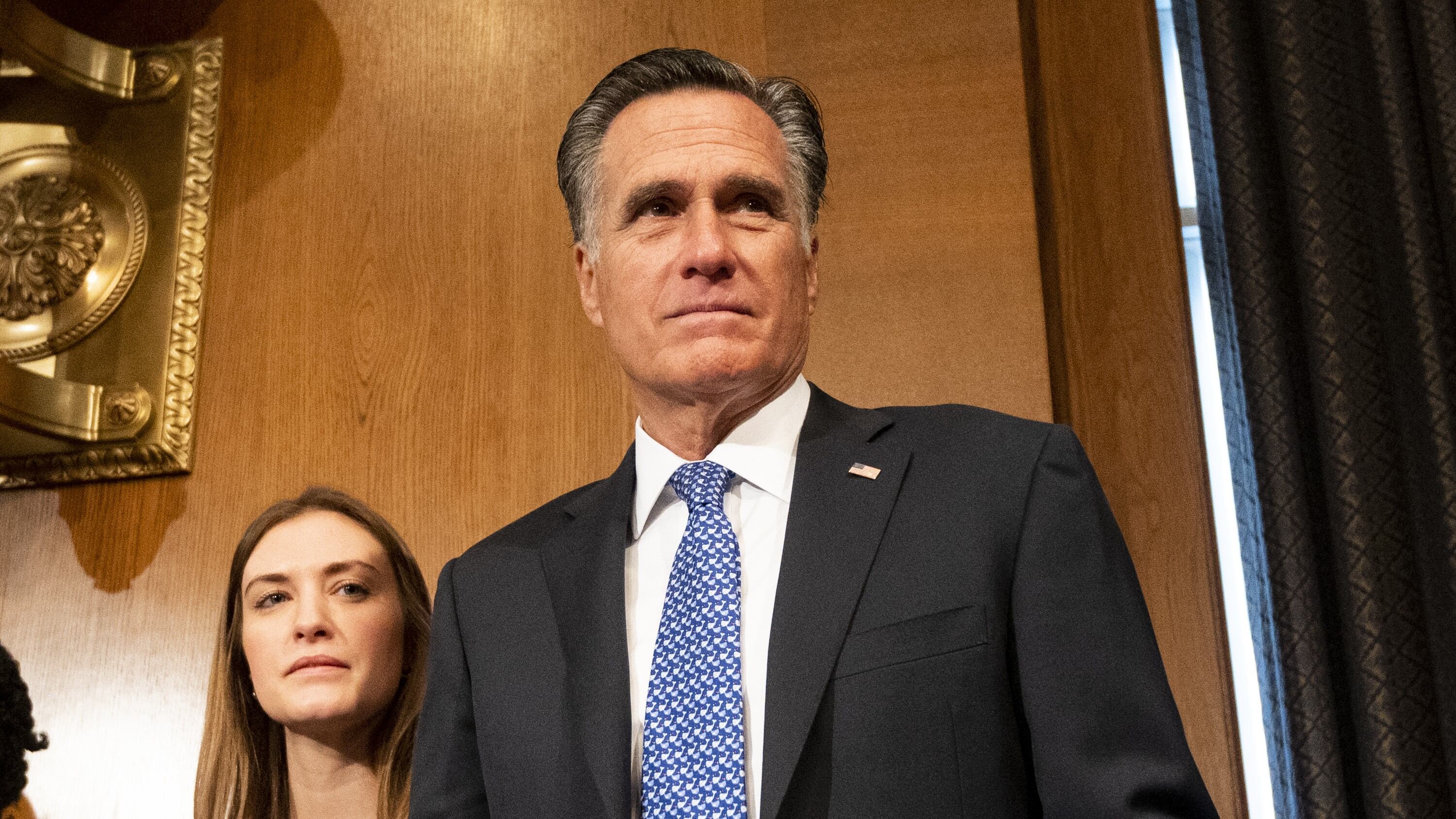
Sen. Mitt Romney seems to be channeling former Democratic presidential candidate Andrew Yang in his proposal to give every U.S. adult $1,000 to help them deal with the economic impact of the coronavirus outbreak.
“Every American adult should immediately receive $1,000 to help ensure families and workers can meet their short-term obligations and increase spending in the economy. Congress took similar action during the 2001 and 2008 recessions,” he said. “While expansions of paid leave, unemployment insurance, and SNAP benefits are crucial, the check will help fill the gaps for Americans that may not quickly navigate different government options.”
The Republican senator proposed the measure amid efforts in Washington D.C. to push a second relief package through the Senate offering free testing and limited paid sick leave.
Critics of the bill say it falls short of addressing the massive economic fallout of the outbreak.
"We also urgently need to build on this legislation with additional action to help families and small businesses meet their short-term financial obligations, ease the financial burden on students entering the workforce, and protect health workers on the front lines and their patients by improving telehealth services," Romney said in a statement.
Romney has also called for giving “bridge grants” to small businesses that apply but don’t receive Economic Injury Disaster Loans under the Small Business Administration. Qualified businesses would need to show a 50 percent decline in monthly revenue from the prior year.
The grants will help businesses afford short-term costs such as payroll and rent that could help them avoid bankruptcy down the line, Romney said.
The same statement includes proposals to defer student loan payments and adjust federal Pell Grants to cover additional costs related to the coronavirus.
In addition, Romney has proposed requiring all private insurance companies to cover telehealth services, with the caveat that the federal government would reimburse all costs.
After scrutiny over the negative impact on the mental health of children, social media apps have begun adding stricter limitations to parental controls. Jim Steyer, CEO of Common Sense Media, a nonprofit organization focusing on recommendations for entertainment platforms, joined Cheddar News to talk about the changes, why they might not be enough, and what parents can do to help. "It's almost that the companies — whether they're Snapchat, Instagram, YouTube, or whatever — have to start the process from the beginning of designing the product," he said. "They have to be much more clear about age verification so that a 12-year-old and 11-year-old can't get on there." Steyer also pushed for federal legislation to reign in the issue.
As Big Tech companies from the U.S. like Google and Apple managed to build market dominance overseas, the European Union has decided to curb what it sees as monopolistic growth. Greg Martin, the co-founder of Rainmaker Securities, joined Cheddar News to talk about how the impact of the antitrust regulations being adopted. "I think there's a lot of great outcomes here, but those will be far down the road [because] I do think there's some interoperability things that need to be worked out technologically," he said. "But it's going to be really good ultimately for the consumer in my opinion."
Tenicka Boyd is a digital creator making content that reflects her two passions: activism and style. The TikTok star joined Cheddar News to talk about her platform and new looks this Spring. Boyd admitted that at first she wanted to remain anonymous on the social media platform before finding her passion. "I just joined TikTok hoping that no one would find me, and I started creating colorful content," she said. "I didn't know that you could monetize this and really do it full time, and I just followed my passion because I realized that you can have multiple different lives and do multiple different things."
Catching you up on what you need to know on March 25, 2022, with Ukrainian forces retaking Kyiv, 300 deaths reported from the bombing of a theater used as a shelter in Mariupol, U.S. regulators ditch a climate review of natural gas projects, the 94th Academy Awards, and more.
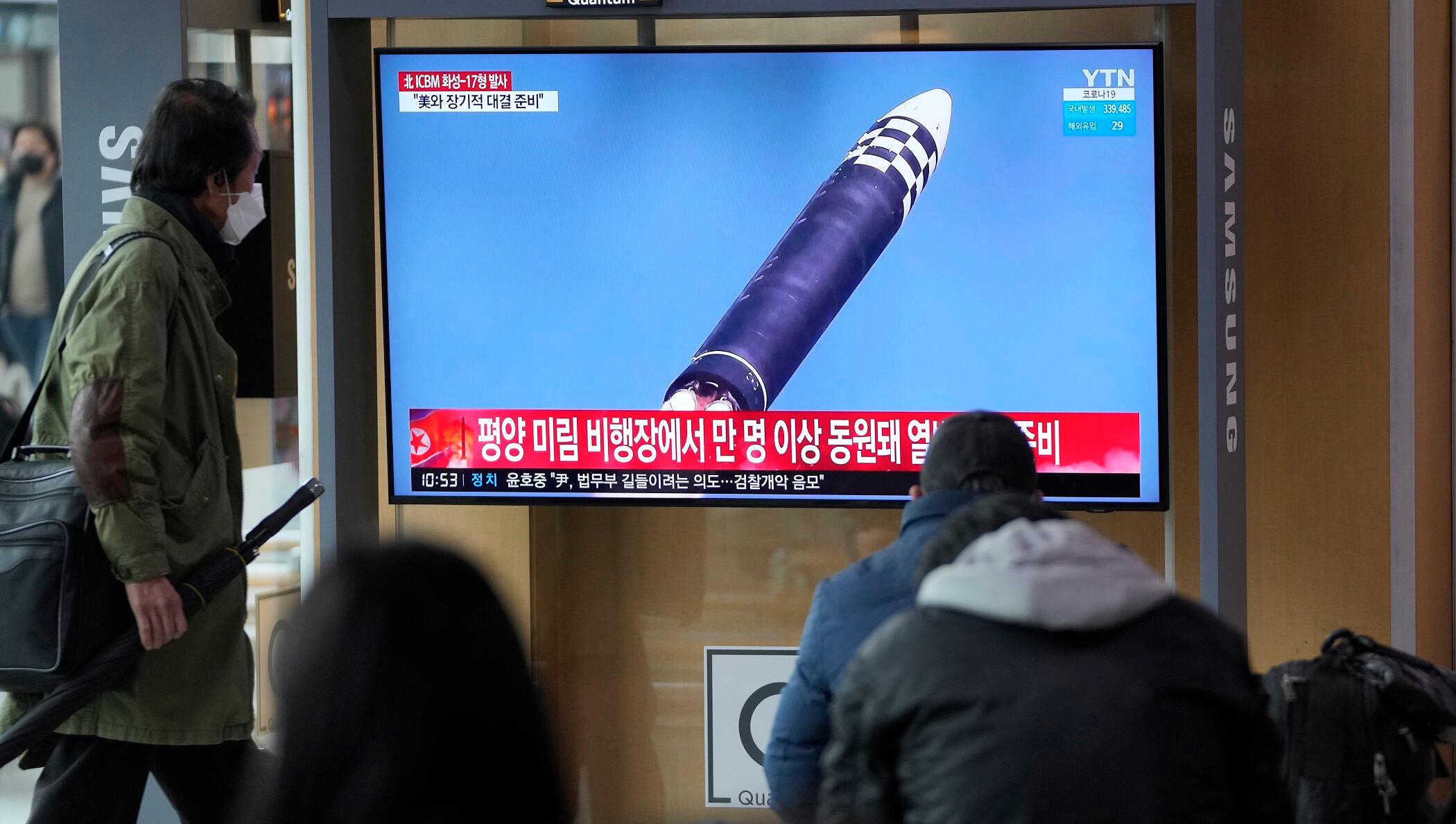
North Korea says it test-fired its biggest intercontinental ballistic missile under the orders of leader Kim Jong Un, who vowed to continue expanding his nuclear arsenal while preparing for a “long-standing confrontation” with the United States.
Ukrainian authorities in the besieged ruins of Mariupol say that about 300 people died when a Russian airstrike blew up a theater where hundreds of civilians were sheltering.
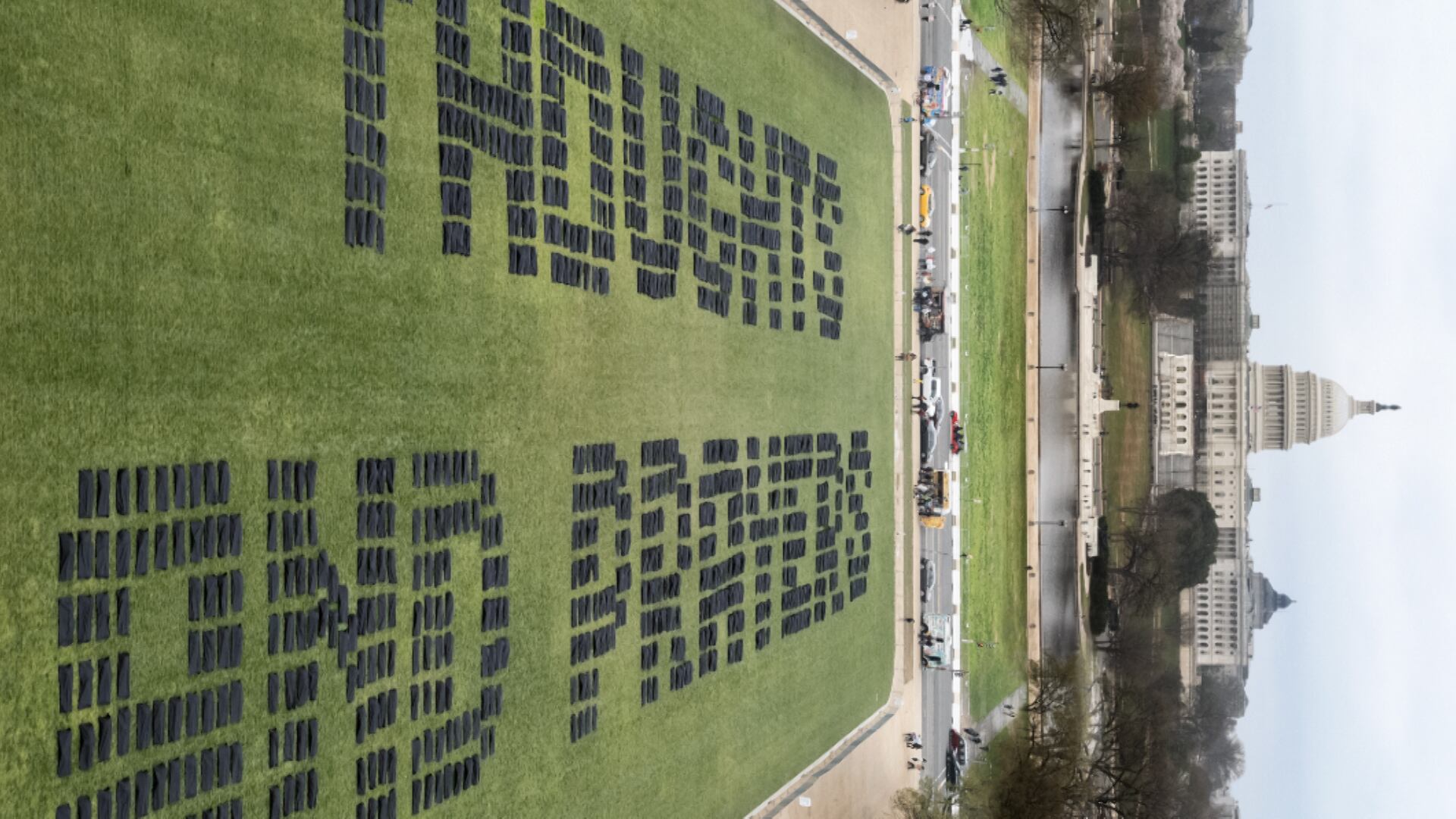
Survivors of the Parkland School Shooting along with activists from March For Our Lives set up on the National Mall on Thursday. Their demonstration displayed 1,100 bodybags that spelled out the phrase “Thoughts and Prayers” to remind lawmakers that condolences are not enough and to push for action on guns. Each bag represented 150 lives lost due to gun violence. Trevon Bosley, a board member of March For Our Lives, joined Cheddar News to discuss the organization's return to Washington, DC. "The main thing bringing us back is that we have not seen anything being done on the national level for gun violence.” Bosley said. “We’re not seeing anything changed, and we’re not seeing lives being saved”
UK's prince William and his wife were met by protesters during their visit to Jamaica. Cheddar News speaks with political strategist Dee Dawkins-Haigler, who explains why the country's path to independence is relevant to Americans.