Photo By Bill Clark/CQ-Roll Call, Inc via Getty Images
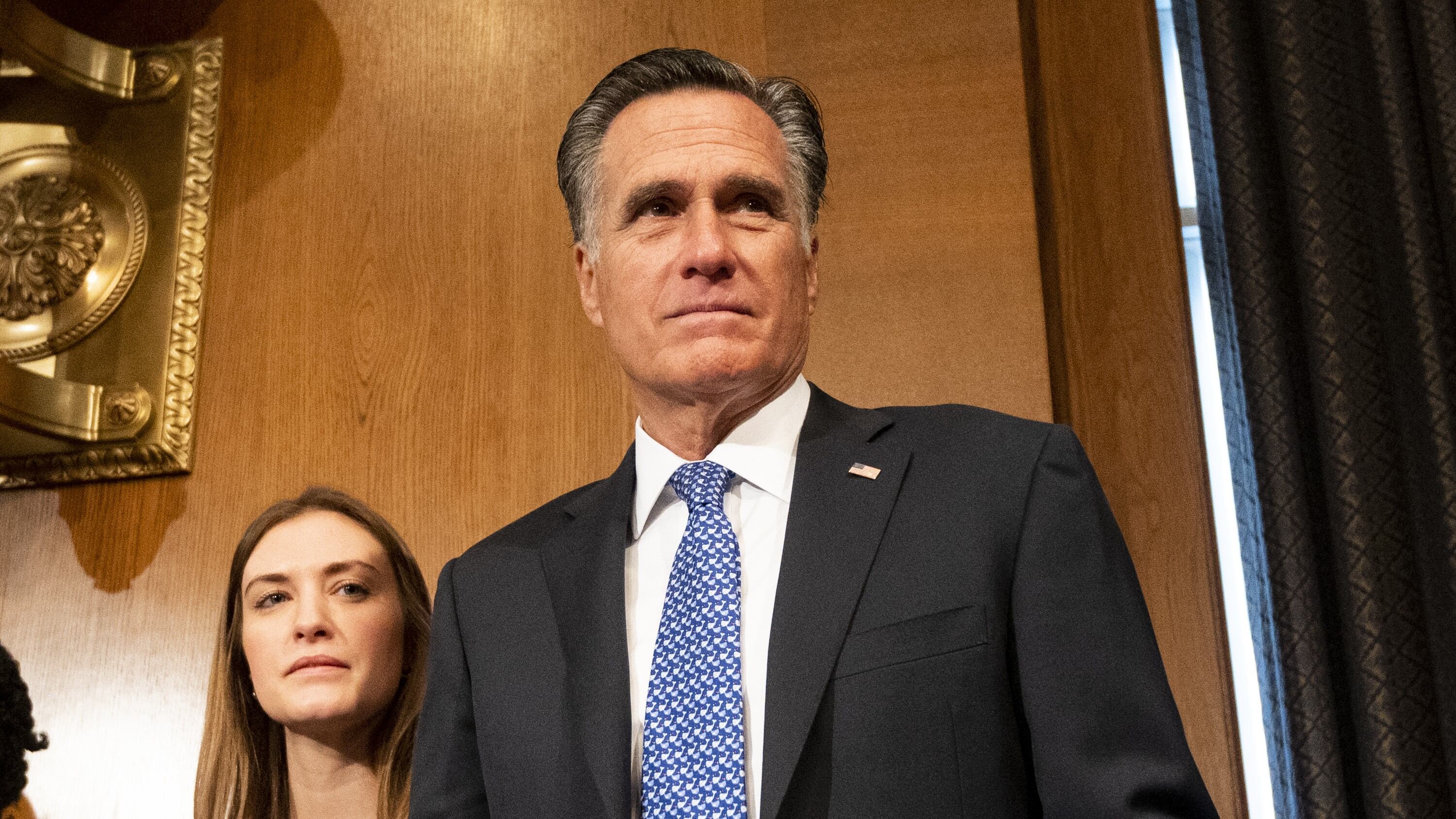
Sen. Mitt Romney seems to be channeling former Democratic presidential candidate Andrew Yang in his proposal to give every U.S. adult $1,000 to help them deal with the economic impact of the coronavirus outbreak.
“Every American adult should immediately receive $1,000 to help ensure families and workers can meet their short-term obligations and increase spending in the economy. Congress took similar action during the 2001 and 2008 recessions,” he said. “While expansions of paid leave, unemployment insurance, and SNAP benefits are crucial, the check will help fill the gaps for Americans that may not quickly navigate different government options.”
The Republican senator proposed the measure amid efforts in Washington D.C. to push a second relief package through the Senate offering free testing and limited paid sick leave.
Critics of the bill say it falls short of addressing the massive economic fallout of the outbreak.
"We also urgently need to build on this legislation with additional action to help families and small businesses meet their short-term financial obligations, ease the financial burden on students entering the workforce, and protect health workers on the front lines and their patients by improving telehealth services," Romney said in a statement.
Romney has also called for giving “bridge grants” to small businesses that apply but don’t receive Economic Injury Disaster Loans under the Small Business Administration. Qualified businesses would need to show a 50 percent decline in monthly revenue from the prior year.
The grants will help businesses afford short-term costs such as payroll and rent that could help them avoid bankruptcy down the line, Romney said.
The same statement includes proposals to defer student loan payments and adjust federal Pell Grants to cover additional costs related to the coronavirus.
In addition, Romney has proposed requiring all private insurance companies to cover telehealth services, with the caveat that the federal government would reimburse all costs.
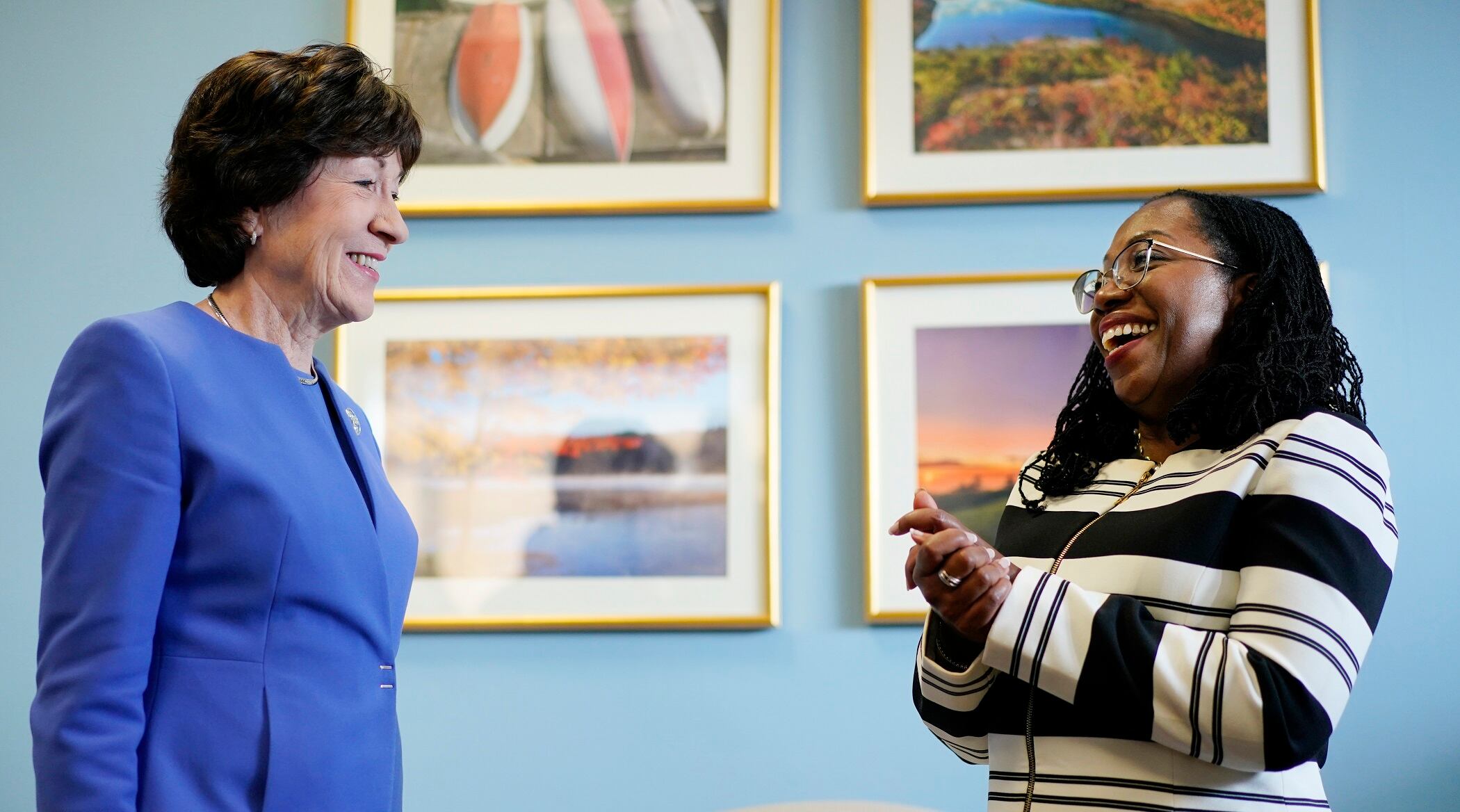
Maine Sen. Susan Collins says she'll vote to confirm Judge Ketanji Brown Jackson, giving Democrats at least one Republican vote and all but assuring Jackson will become the first Black woman on the Supreme Court.
A NASA astronaut is back on Earth after a yearlong, record-setting spaceflight. He caught a Russian ride from the International Space Station on Wednesday with two cosmonauts.
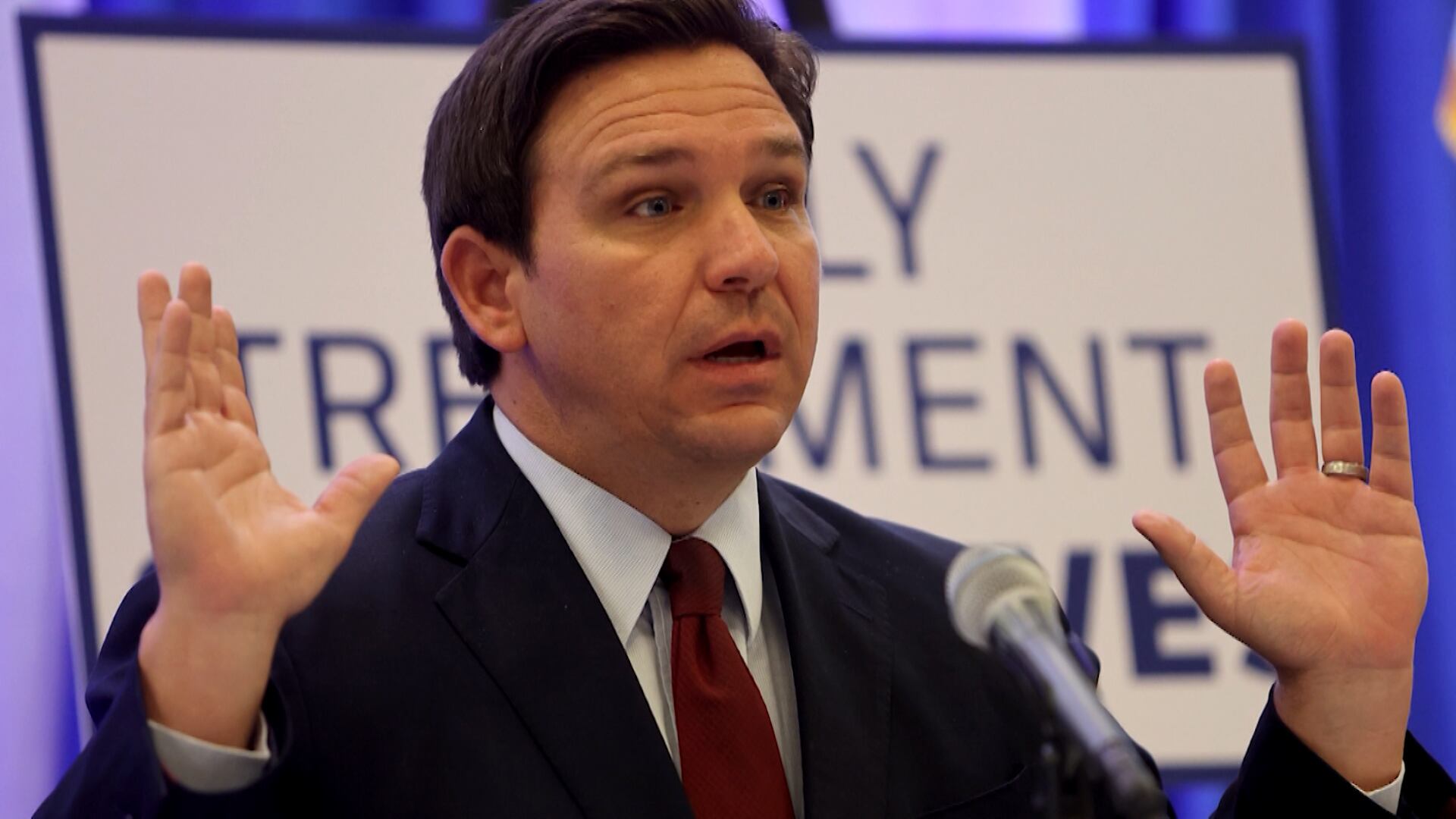
Florida Governor Ron DeSantis has signed the controversial so-called ‘Don’t Say Gay' bill into law, banning classroom instruction on gender identity and sexual orientation in kindergarten through third grade. Gary Fineout, reporter at Politico, joins Cheddar News to discuss.
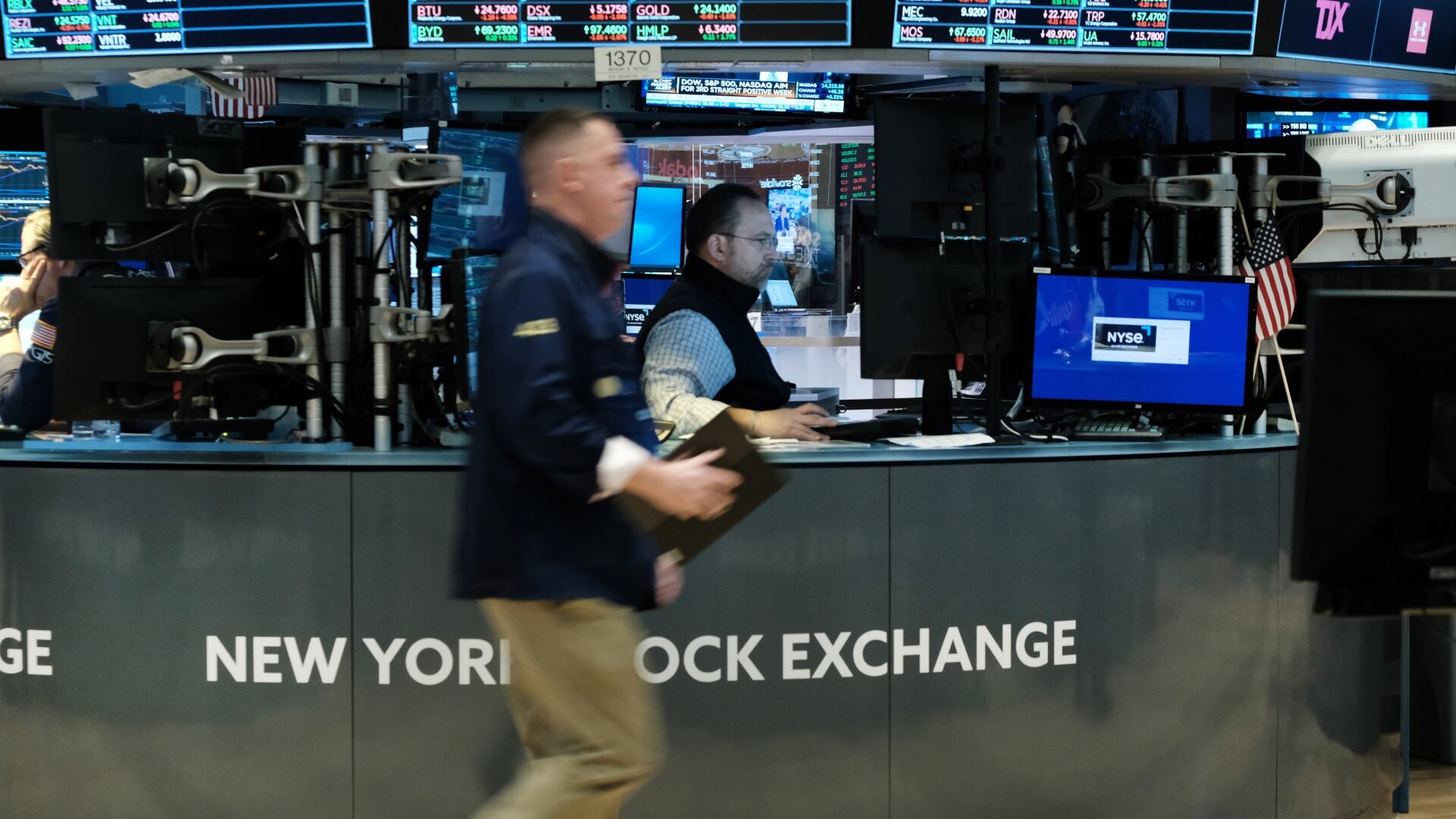
U.S. stocks closed Tuesday's session near session highs. The Dow Jones Industrial Average rose 350 points, after rising more than 400 points at its session high. Shares were also impacted positively by optimism around peace talks in Ukraine. Nancy Prial, Co-Chief Executive Officer & Senior Portfolio Manager of Essex Investment Management, joins Cheddar News' Closing Bell to discuss.
Sylvia Jablonski, CIO at Defiance ETFs, breaks down the factors leading to the market's strong start to the week and discusses what investors should be focusing on when it comes to the Russian invasion of Ukraine and inflation.
Bitcoin surged to its highest level on Monday since January 2nd. The gains also come after a late Sunday rally for the cryptocurrency, when it surpassed the key price of $45,000, and also turned positive for 2022. Matt Hougan, CIO of Bitwise Asset Fund, joins Cheddar News' Closing Bell to discuss what is behind the recent rallies for Bitcoin and other cryptocurrencies.
Cross-border payments are big business, and crypto companies want in on the action, which means challenging established remittance services such as Western Union and MoneyGram.
Sanctioned Russian billionaire Roman Abramovich has been seen on the sidelines of negotiations between Kyiv and Moscow aimed at bringing to an end the war in Ukraine.
Catching you up on what you Need to Know on Mar 29, 2022, with updates on the snow squall in Pennsylvania that caused a pileup killing three, the teacher's strike in Sacramento heading into week two, Walmart no longer selling tobacco products in select stores, and what meme stocks are up to this week.