Photo By Bill Clark/CQ-Roll Call, Inc via Getty Images
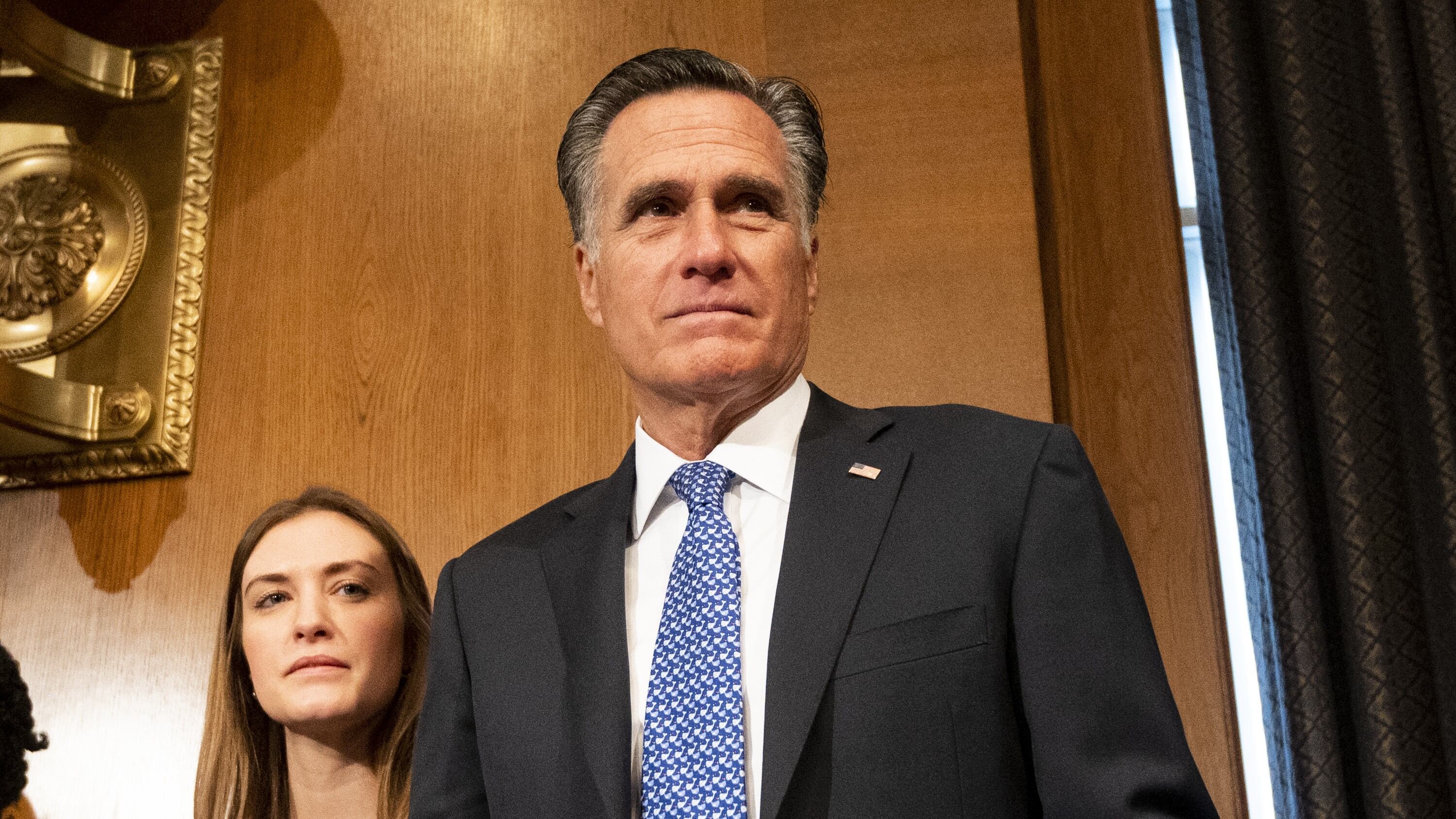
Sen. Mitt Romney seems to be channeling former Democratic presidential candidate Andrew Yang in his proposal to give every U.S. adult $1,000 to help them deal with the economic impact of the coronavirus outbreak.
“Every American adult should immediately receive $1,000 to help ensure families and workers can meet their short-term obligations and increase spending in the economy. Congress took similar action during the 2001 and 2008 recessions,” he said. “While expansions of paid leave, unemployment insurance, and SNAP benefits are crucial, the check will help fill the gaps for Americans that may not quickly navigate different government options.”
The Republican senator proposed the measure amid efforts in Washington D.C. to push a second relief package through the Senate offering free testing and limited paid sick leave.
Critics of the bill say it falls short of addressing the massive economic fallout of the outbreak.
"We also urgently need to build on this legislation with additional action to help families and small businesses meet their short-term financial obligations, ease the financial burden on students entering the workforce, and protect health workers on the front lines and their patients by improving telehealth services," Romney said in a statement.
Romney has also called for giving “bridge grants” to small businesses that apply but don’t receive Economic Injury Disaster Loans under the Small Business Administration. Qualified businesses would need to show a 50 percent decline in monthly revenue from the prior year.
The grants will help businesses afford short-term costs such as payroll and rent that could help them avoid bankruptcy down the line, Romney said.
The same statement includes proposals to defer student loan payments and adjust federal Pell Grants to cover additional costs related to the coronavirus.
In addition, Romney has proposed requiring all private insurance companies to cover telehealth services, with the caveat that the federal government would reimburse all costs.
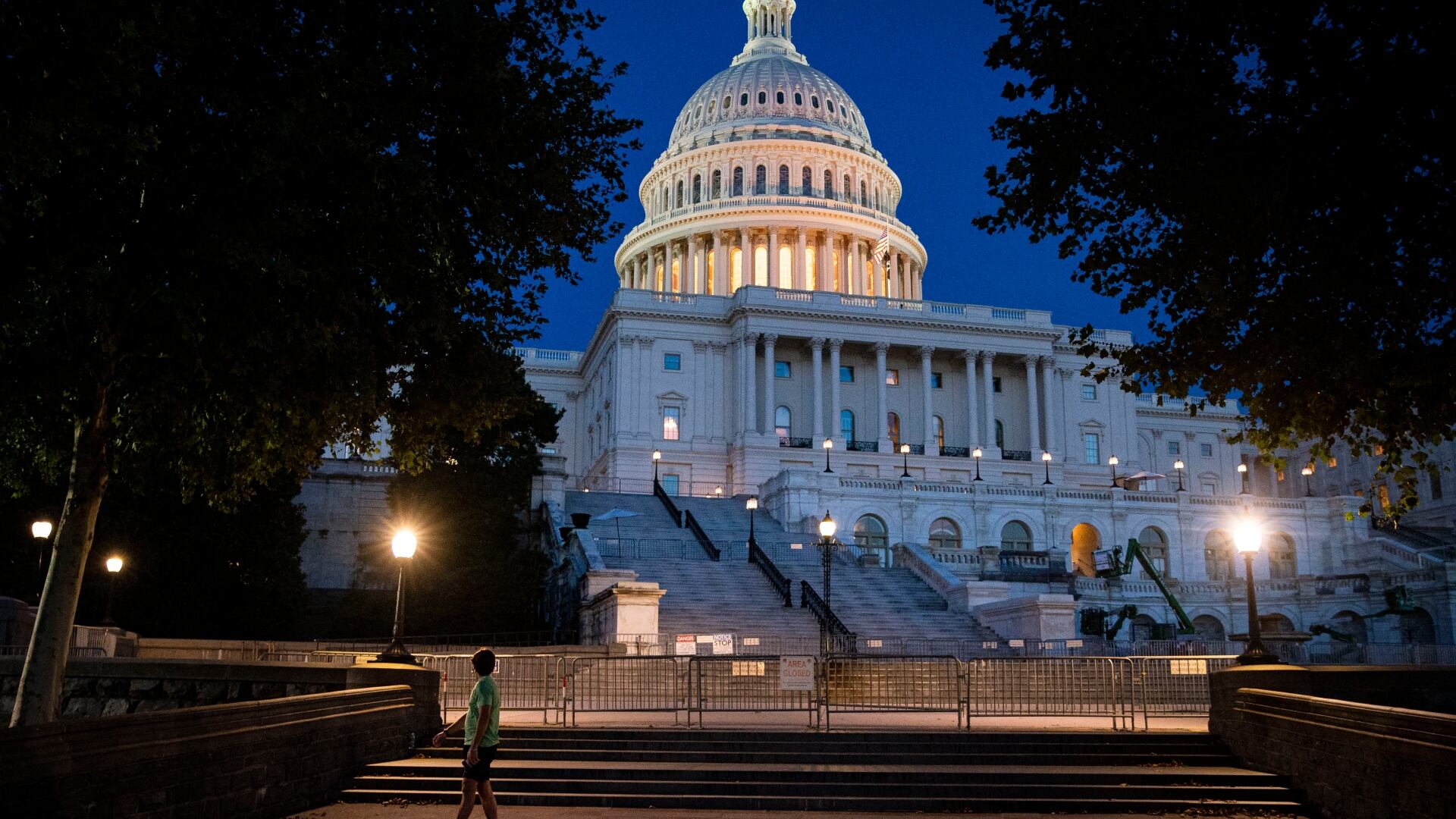
As negotiations drag on in Washington, DC over President Biden's social spending bills, Senate Democrats have introduced a new idea to fund Biden's plans: taxing the unrealized capital gains held by billionaires. Barron's reporter Sabrina Escobar joins Cheddar News' Closing Bell, where she explains what's in the billionaire tax proposal, who it will impact, and why it's on the table.
Hunter Walker joins Cheddar News to talk about his report in Rolling Stone that revealed how members of Congress and the White House helped plan the protest that turned violent on January 6.
Jill and Carlo discuss the pending approval for Pfizer's vaccine for kids, the state of anti-Semitism three years after Tree of Life, potential criminal charges in the 'Rust' prop gun shooting and more.
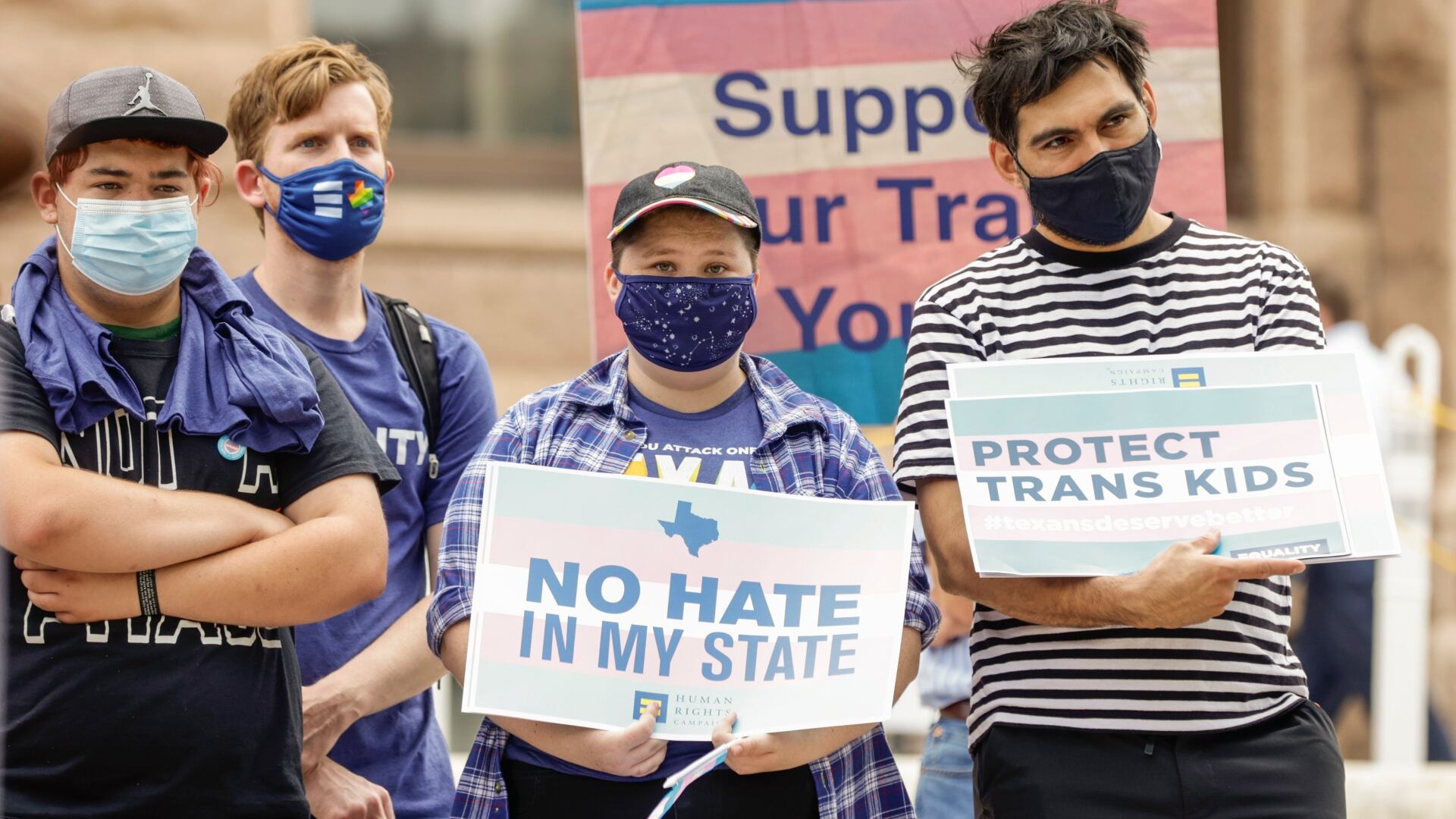
Texas Governor Greg Abbott, a Republican, signed a bill into law on Tuesday that restricts transgender students from playing on sports teams that correspond with their gender identity. Democratic State Representative Mary E. Gonzalez joined Cheddar to discuss the ramifications for transgender youth the new law represents. She also disputed the bill's proponents who argue that the measure is a matter of fairness for girls in sports, noting that various medical groups have affirmed that transgender athletes do not inherently hold an advantage over cisgender ones.
COP26 been dealt a blow as Chinese President Xi Jinping and Russian President Vladimir Putin, whose countries are responsible for a third of the world's annual greenhouse gas emissions, will not be in attendance. Bertrand Piccard, Chairman and Founder of the Solar Impulse Foundation, joins Cheddar Climate, where he discusses what he expects to see when the summit commences in Glasgow.
Social media platforms TikTok, Snapchat, and YouTube are facing questions in DC about consumer protections, data security, and product safety for young users. Emily Birnbaum, tech lobbying and influence reporter at Politico, joined Cheddar to provide some background into what led to the congressional hearing and the potential outcome. Birnbaum noted that social media platforms have been attempting to distance themselves from Facebook and the ongoing bad press it garnered in recent months.