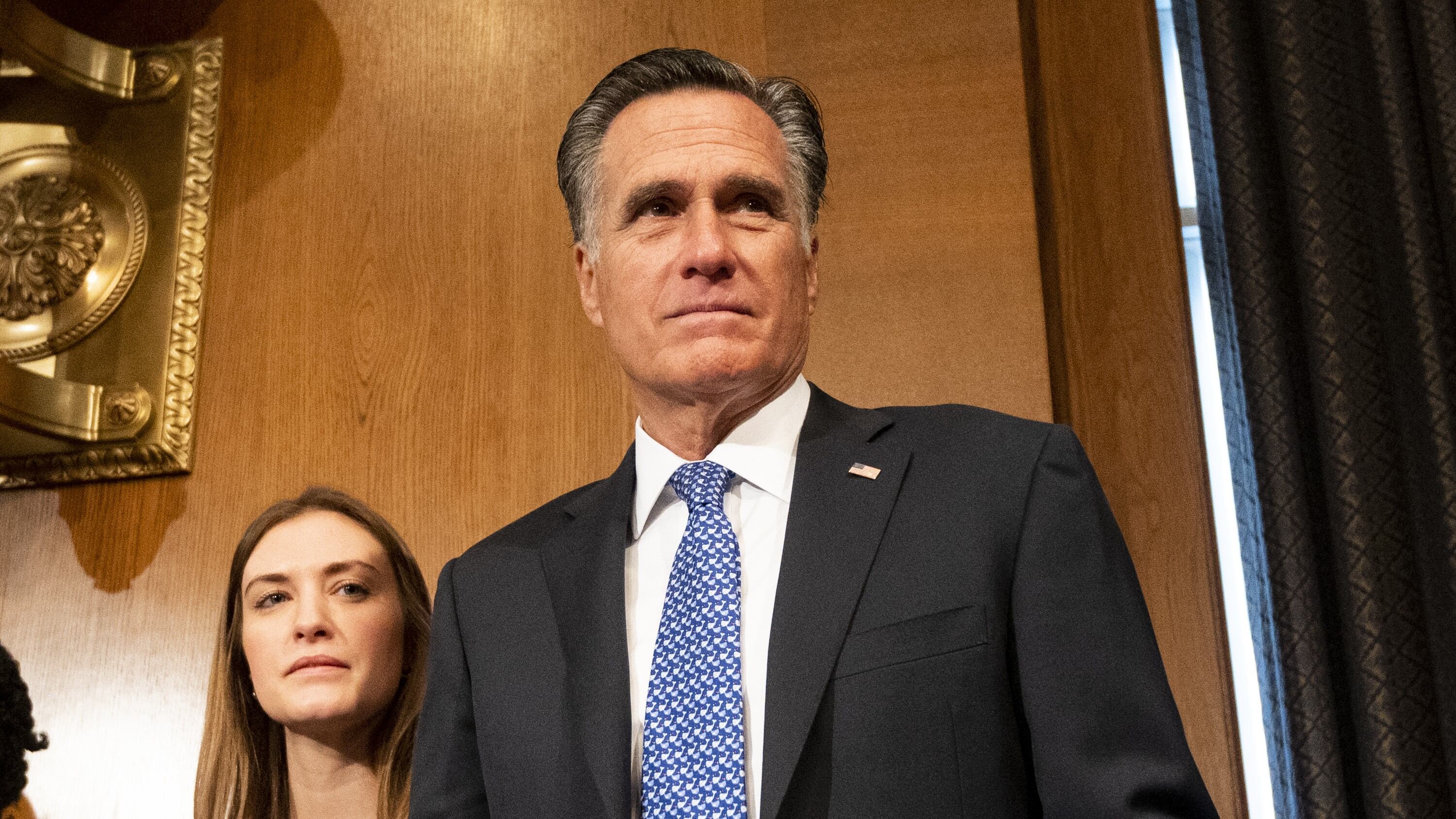
Sen. Mitt Romney seems to be channeling former Democratic presidential candidate Andrew Yang in his proposal to give every U.S. adult $1,000 to help them deal with the economic impact of the coronavirus outbreak.
“Every American adult should immediately receive $1,000 to help ensure families and workers can meet their short-term obligations and increase spending in the economy. Congress took similar action during the 2001 and 2008 recessions,” he said. “While expansions of paid leave, unemployment insurance, and SNAP benefits are crucial, the check will help fill the gaps for Americans that may not quickly navigate different government options.”
The Republican senator proposed the measure amid efforts in Washington D.C. to push a second relief package through the Senate offering free testing and limited paid sick leave.
Critics of the bill say it falls short of addressing the massive economic fallout of the outbreak.
"We also urgently need to build on this legislation with additional action to help families and small businesses meet their short-term financial obligations, ease the financial burden on students entering the workforce, and protect health workers on the front lines and their patients by improving telehealth services," Romney said in a statement.
Romney has also called for giving “bridge grants” to small businesses that apply but don’t receive Economic Injury Disaster Loans under the Small Business Administration. Qualified businesses would need to show a 50 percent decline in monthly revenue from the prior year.
The grants will help businesses afford short-term costs such as payroll and rent that could help them avoid bankruptcy down the line, Romney said.
The same statement includes proposals to defer student loan payments and adjust federal Pell Grants to cover additional costs related to the coronavirus.
In addition, Romney has proposed requiring all private insurance companies to cover telehealth services, with the caveat that the federal government would reimburse all costs.