*By Carlo Versano*
Google is "missing an opportunity" by not sending a top official to Capitol Hill next week to testify on election interference and censorship, Sen. Mark Warner (D-Va.) told Cheddar's J.D. Durkin on Wednesday.
Facebook and Twitter are both sending C-Suite executives ー COO Sheryl Sandberg and CEO Jack Dorsey, respectively ー to testify in front of both chambers on Sept. 5.
So far, Google has said it will only dispatch its general counsel, Kent Walker.
"We need policy makers, not simply their lawyers," Warner said.
The heads of the top social and web platforms will head to the Hill to answer questions about how they are combating misinformation campaigns from state actors like Russia and Iran ahead of the midterm elections. Additionally, they are expected to face pointed questions about censorship ー a topic that President Trump has been pushing, most recently on Wednesday afternoon when he told reporters, "I think they treat Republicans and conservatives very unfairly" and such handling "may not be legal."
That echoes the sentiment of several Trump tweets Tuesday which suggested that Google News technology suppressed conservative views. Economic adviser Larry Kudlow said the White House would look into the matter, but many questioned Trump's statements on their face.
"The president doesn't really understand how search algorithms work," Warner said, noting that content is ranked in searches as a result of computer calculations, not human action.
The last time officials from Facebook, Twitter, and Google testified together ー last November on the topic of Russian hacking ー the reaction from lawmakers was largely negative. Since then, each company has shown a more proactive approach to the policing of their platforms.
Warner said he hopes next week's hearings will be forward-looking. "We want to look at solution sets" for these complex problems, he said.
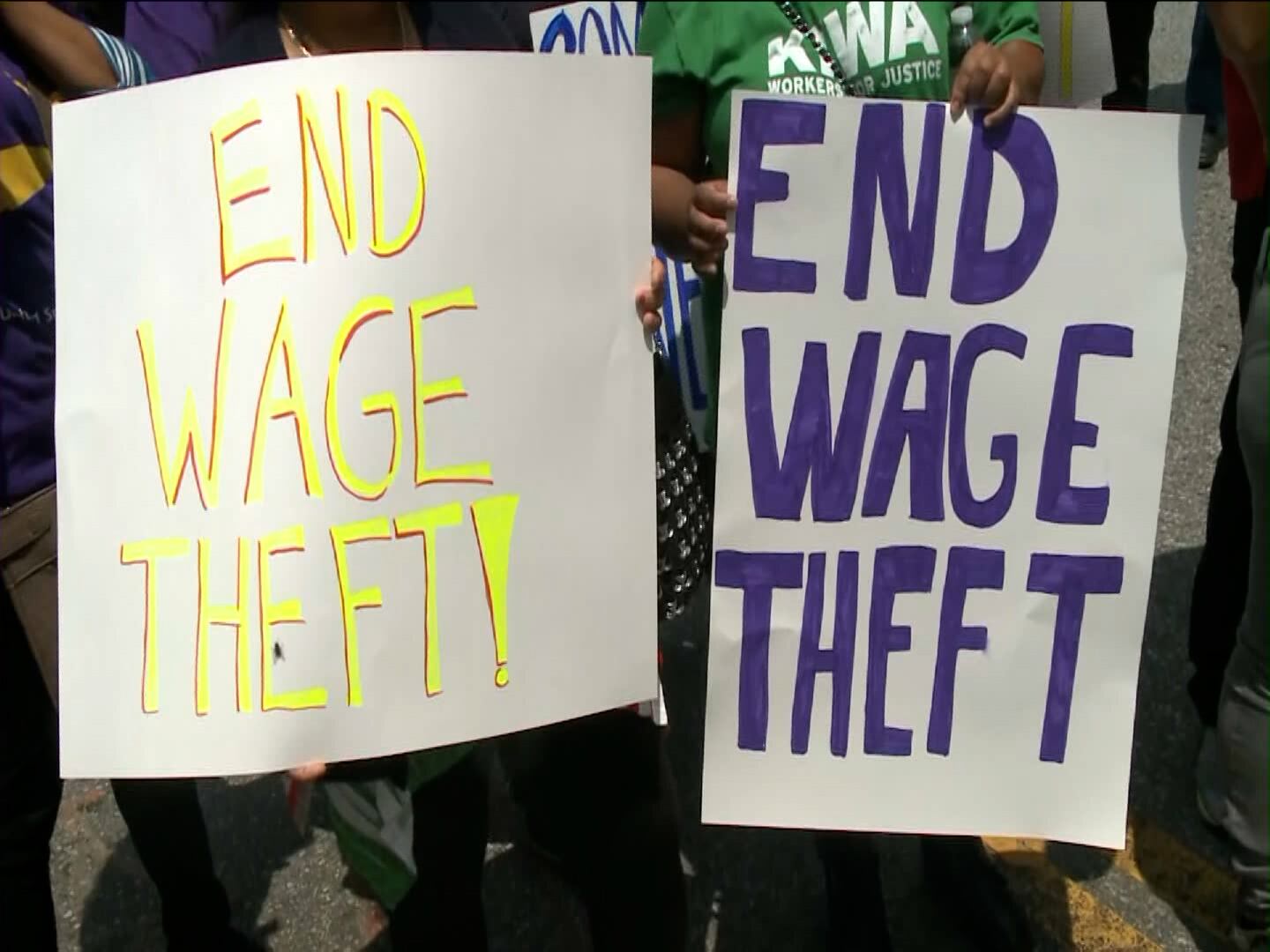
The average city in California has a 38% higher cost of living than the average American city, according to a cost of living index. For many, the general minimum wage of $15/hour just doesn't cut it. Anti-poverty activist Joe Sanberg wants to get the minimum wage changed to $18/hour. He joins Cheddar News to discuss the Living Wage Act of 2022.
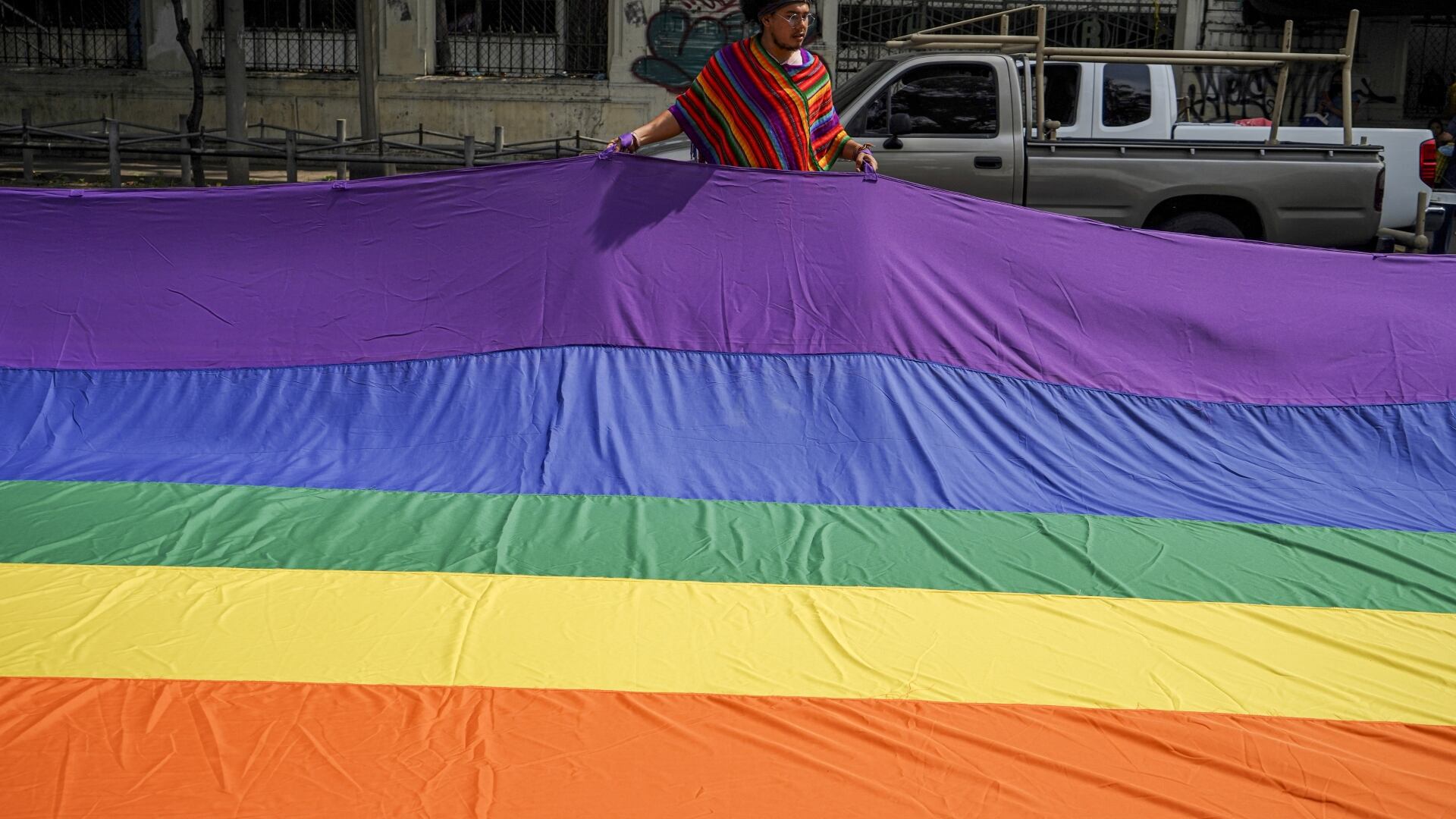
Liana Guzmán, CEO of FOLX Health, joins Cheddar News to discuss the company launching billboards across the country in response to anti-LGBTQ+ legislation.
President Biden has announced an additional $800 million in military assistance to Ukraine, including artillery, armored personnel carriers, and helicopters. It comes as Russian forces appear to be preparing for a new, aggressive offensive in the eastern part of Ukraine. Paul McLeary, defense reporter for Politico, joined Cheddar to discuss this new round of aid and what it means for the U.S. commitment to arming the embattled country.
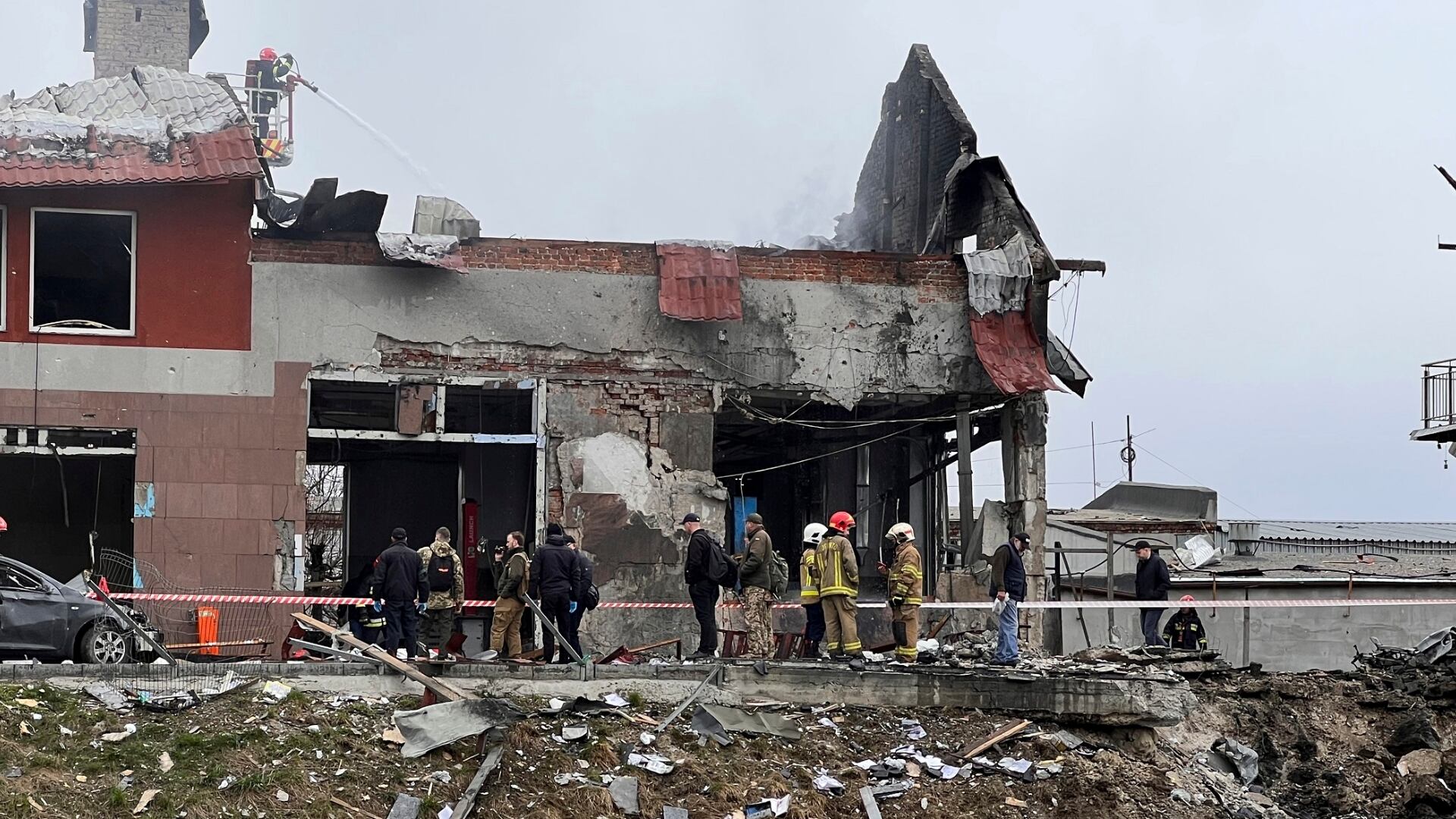
Catching you up on what you need to know on April 18, 2022, with Russian missile attacks on the Ukrainian city of Lviv killing seven, mass shootings in South Carolina and Pittsburgh, Lucky Charms cereal under official investigation by the FDA, and more.
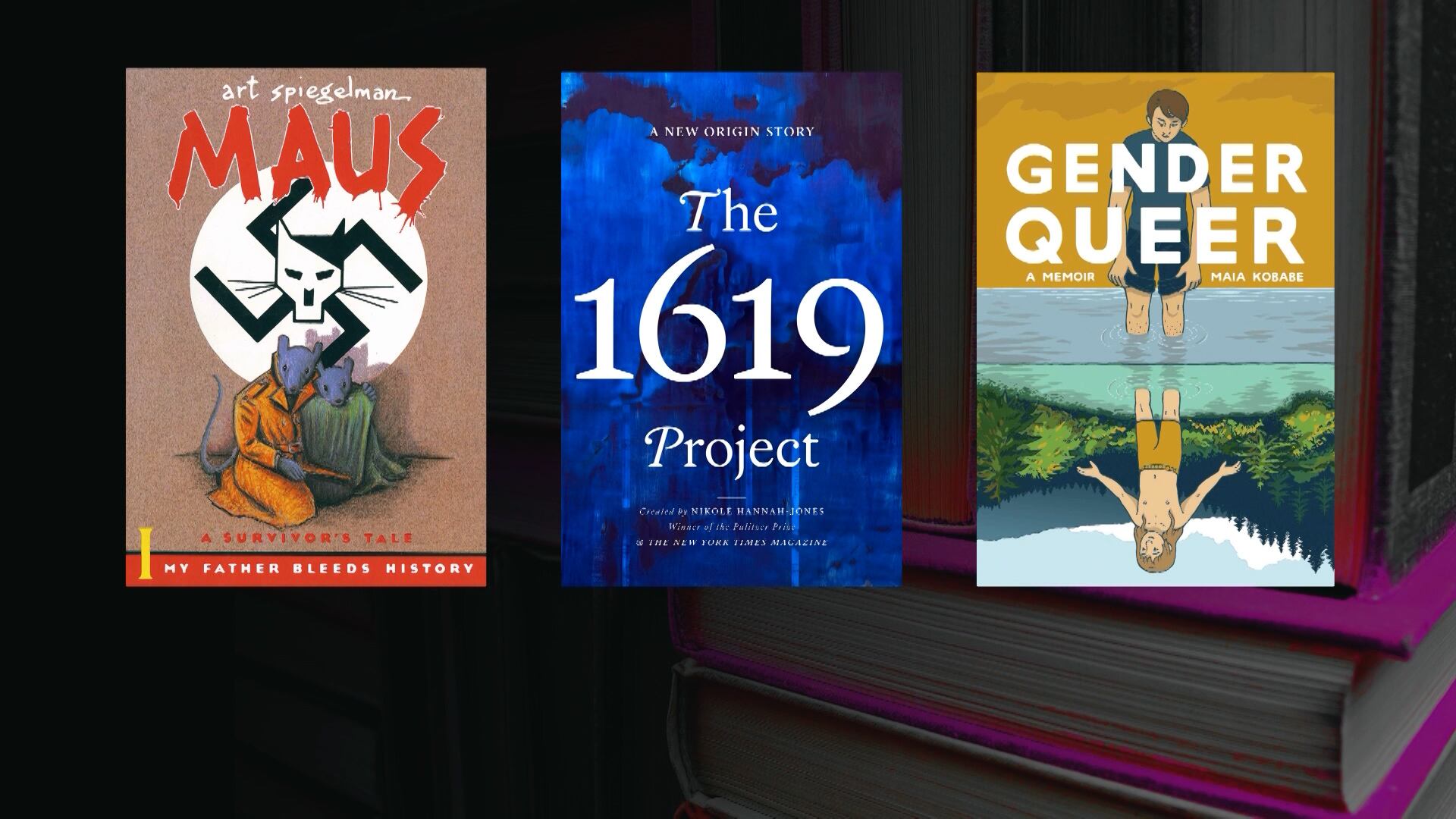
Activism is growing around the country in response to school boards banning books from shelves that focus on sexuality, gender, identity, or race. Jen Cousins, co-founder of The Florida Freedom to Read Project, joins Cheddar News to discuss.
As the Russian invasion of Ukraine intensifies, President Biden has announced a ban on importing Russian oil, gas, and energy. To discuss how this ban will impact the war and Americans, Amir Handjani, non-resident fellow at Quincy Institute, joins Cheddar News.
Thousands of protesters around the world are expressing their solidarity with Ukraine against Russia's invasion.
Jason Beardsley, national executive director of the Association of the U.S. Navy and national security expert, joins Cheddar News to discuss.
As gas prices surge amid the Russian invasion of Ukraine, other nations could potentially transition faster to using clean energy than previously expected. Philip K. Verleger, a senior fellow at the Niskanen Center, joined Cheddar News to explain how this could be a possibility in the near future. "Part of the reason I think we have this invasion and the tantrum that's being thrown by Russia, terrible tantrum, is because the Russians were trying to slow down the transition," he said. "Ironically they speeded it up."