Sen. Mark Warner: Amazon's HQ2 Will Put Virginia on the Map as a Tech Hub
*By Justin Chermol*
Unlike some Democrats in New York City, Virginia's top Dems see no downside to Amazon moving in.
Sen. Mark Warner (D-Va.) told Cheddar he is confident the e-commerce giant's newest planned headquarters will create a "culture of entrepreneurship" throughout the region that will benefit locals and local businesses.
Amazon ($AMZN) announced Tuesday that it would split its second unbuilt headquarters between Arlington, Va, just outside the nation's capital, and Long Island City, in Queens, N.Y. In an Amazon [press release](https://blog.aboutamazon.com/company-news/amazon-selects-new-york-city-and-northern-virginia-for-new-headquarters), the tech giant promised to bring more 25,000 jobs at an average salary of $150,000 to the Arlington neighborhood it dubbed "National Landing."
Warner said he expects the benefits to be even more far-reaching.
Not only will Amazon drive employment and wages, but the headquarters will boost confidence in local businesses and attract new talent, he said. That includes indirect talent, like "the sub-contractors that will support Amazon, the folks that will come out of Amazon and start their own businesses."
Amazon's arrival has sparked concern from some locals in both places, particularly about the likelihood of increased traffic and rent.
But Warner doesn't think the risks outweighs the potential rewards. Quite the opposite.
"The state is committed to put another $200 to 300 million in additional transportation funding to the region," he said, adding that Amazon will recruit an "age cohort" that favors mass transit, biking, and walking.
He said Amazon's arrival also makes possible the prospect of a "regional housing authority" to ensure there is affordable housing from Northern Virginia to D.C. to Maryland.
"We will look back and call this one of those transformative moments for Northern Virginia and the Greater Capital Area," Warner said.
For full interview [click here](https://cheddar.com/videos/sen-mark-warner-says-amazons-hq2-in-virginia-is-a-big-win).
While the U.S. may slowly be on the path to lowering inflation (and therefore interest rates), Europe has thoroughly trounced America, putting it on the path to lower rates by this summer.
April's release of the monthly Housing Starts and Building Permits reports by the Census Bureau provides crucial insights into the construction activity in the housing market. These reports are an economic indicator, shedding light on the current state of the housing market and its broader economic impact.
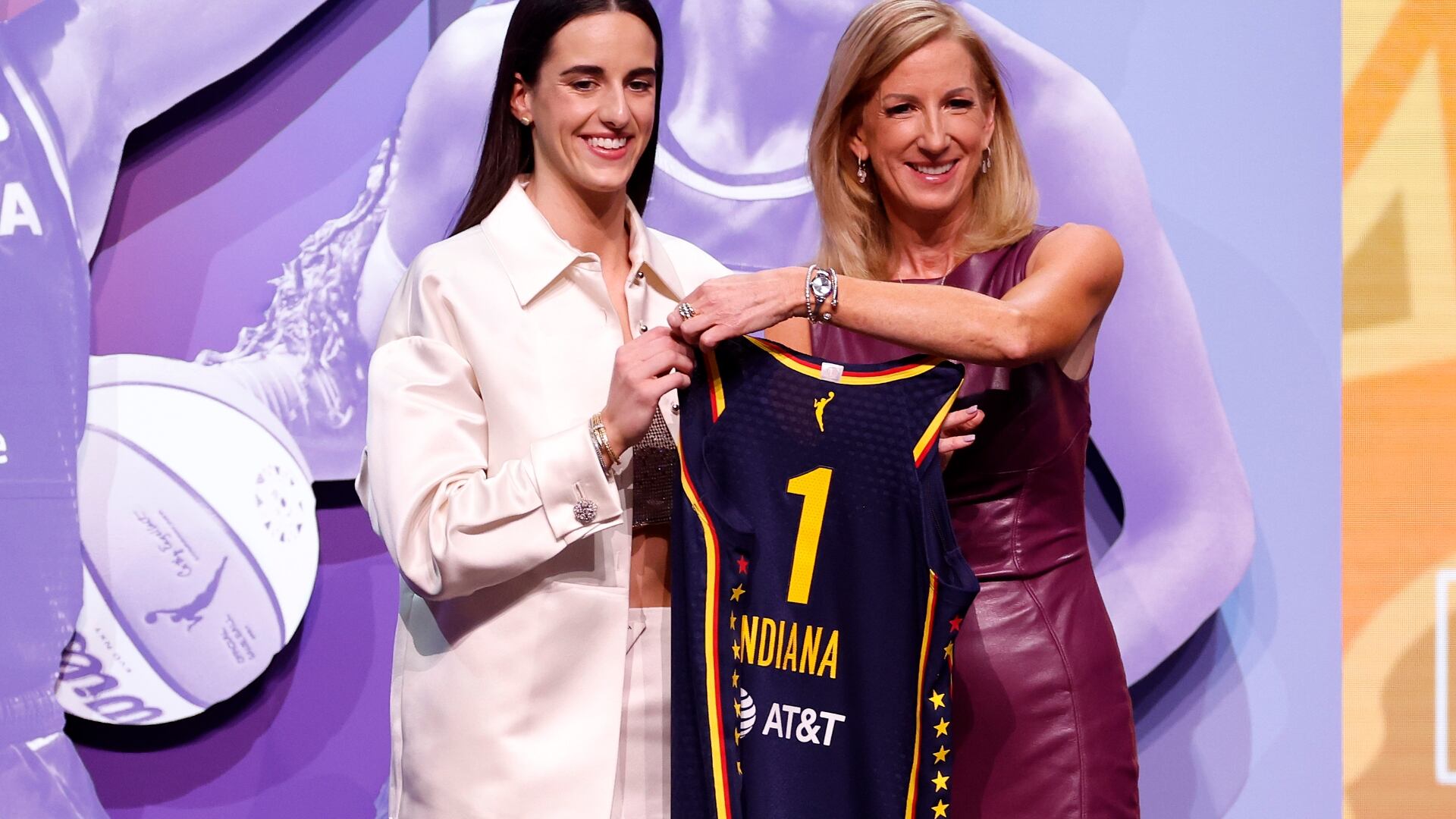
Caitlin Clark is heading to the Indiana Fever, the number one draft pick and the highest-scoring college basketball player of all time. And while she may not be getting millions from the WNBA, there's a few ways she'll net compensation for her generational talents.
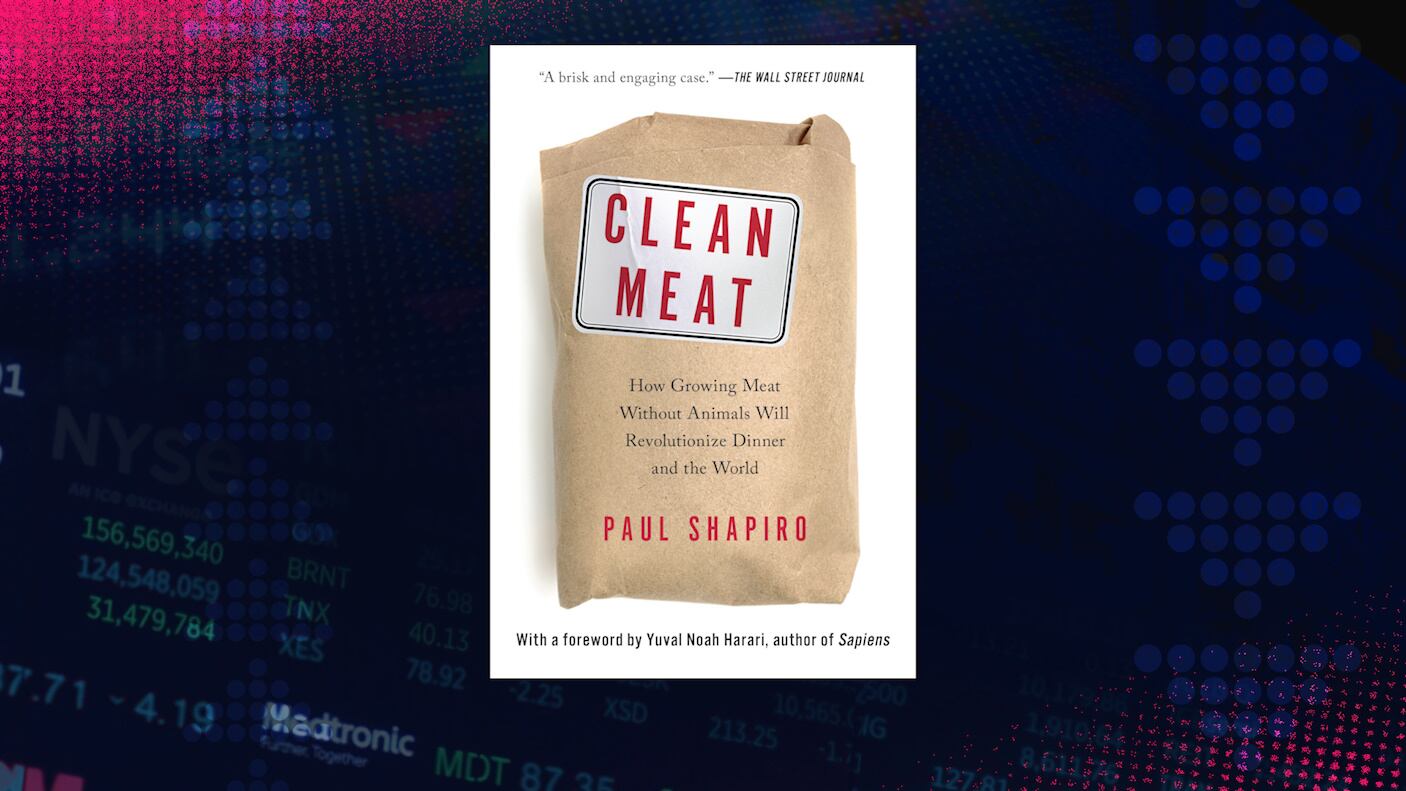
Author of 'Clean Meat,' Paul Shapiro joins Cheddar to discuss how the cellular agricultural revolution helps lower rates of foodborne illness and greatly improves environmental sustainability. Plus, how his company The Better Meat Co. is bringing healthier food options to the table.
Recent headlines might make it sound like World War III is imminent, but when it comes to your finances, it's not the time to panic. The market is coming off its longest winning streak since 2011.
You may have noticed fewer new venture capital-backed startups (like Airbnb or Uber) lately. The market slowed to a crawl after 2021, but things are expected to take off again in 2025.
Corporate earnings season is underway, that time when companies share their billions in sales or double-digit profits. But the data shows even companies are struggling with high inflation and interest rates.
Boeing continues their terrifying trend of having their planes fall apart mid-flight, inflation — checks notes — is still up and the future of AI looks terrifying. Cheery!
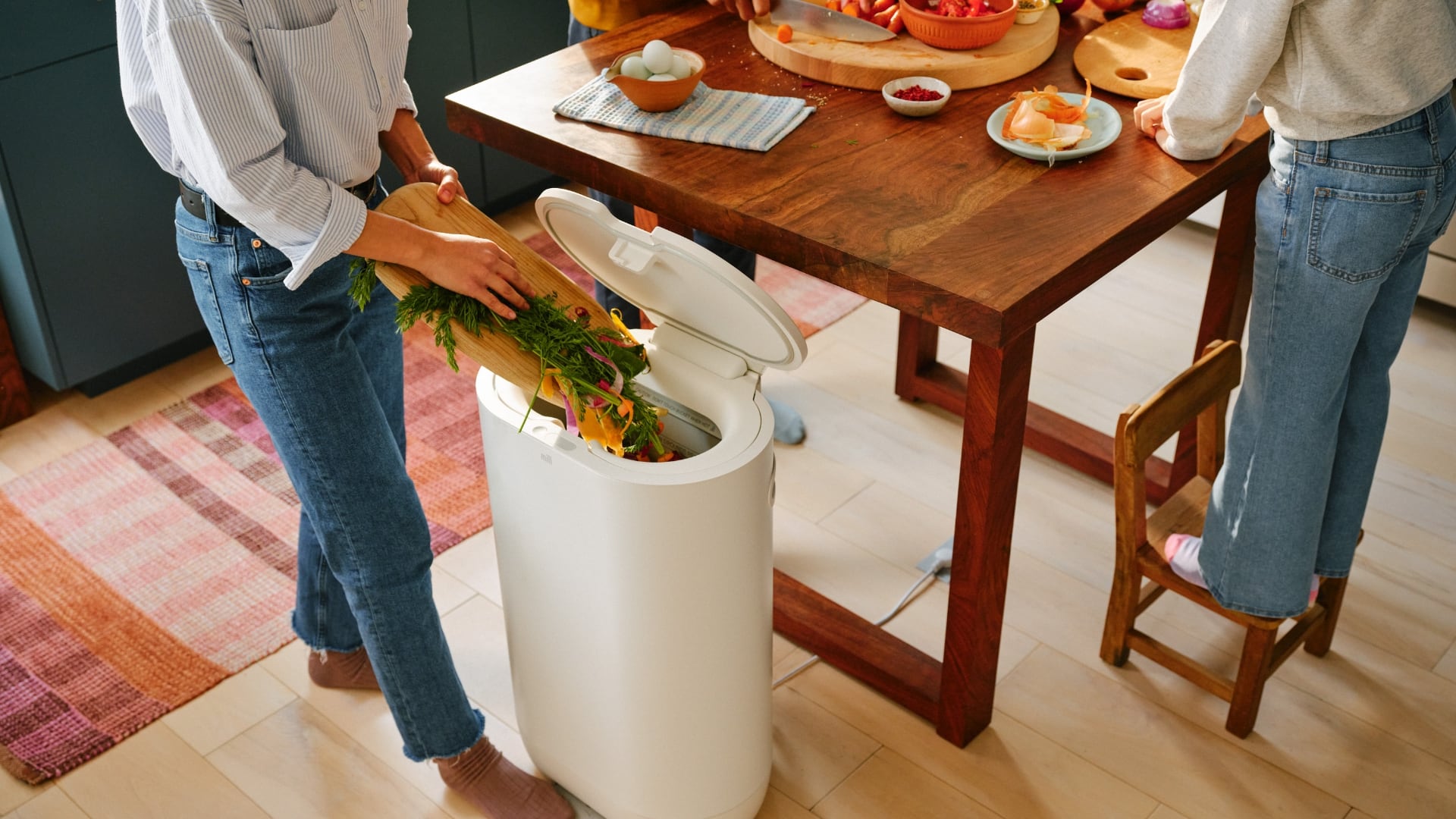
Food waste – uneaten scraps or leftovers sent to landfills – is responsible for 10% of global emissions. Mill, a new product from the co-founder of Nest, thinks technology can play a role in eliminating it.
By the time the 2024 election is over, be prepared to see some form of a recession – but this shouldn’t be as bad as what we experienced in 2020 or 2008.