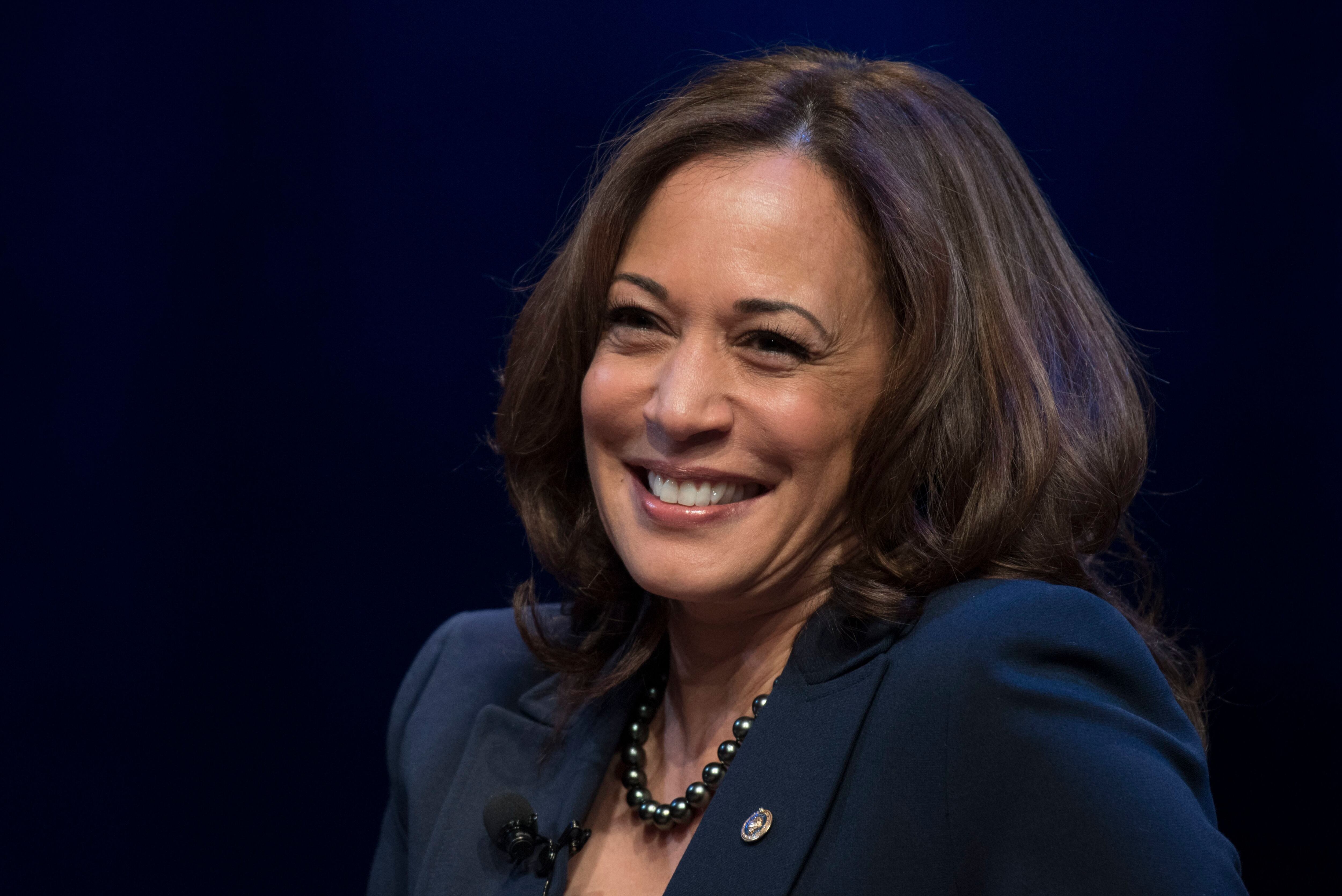
Sen. Kamala Harris, weeks into her campaign for president, not only acknowledged that she has smoked pot, but said she isn't opposed to federal legalization of marijuana.
"I think it gives a lot of people joy and we need more joy," Harris said, laughing, during an interview on the influential hip-hop radio show The Breakfast Club Monday morning.
Harris was being interviewed by Charlamagne Tha God when she admitted she smoked a joint in college. "I did inhale," she said, in a reference to President Clinton's famous equivocation when asked more than 25 years ago on the campaign trail if he had ever smoked weed.
Harris denied accusations that, as a prosecutor, she opposed marijuana legalization. "Half my family's from Jamaica," she said. "Are you kidding me?"
In her new book, Harris explicitly calls for marijuana to be legalized and regulated at the federal level. She writes: "Something else it's past time we get done is dismantling the failed war on drugs ー starting with legalizing marijuana."
Legal recreational use of cannabis, already the law of the land in 10 states, is becoming something of a litmus test for Democratic 2020 candidates, who consider it part of criminal and social justice reform.
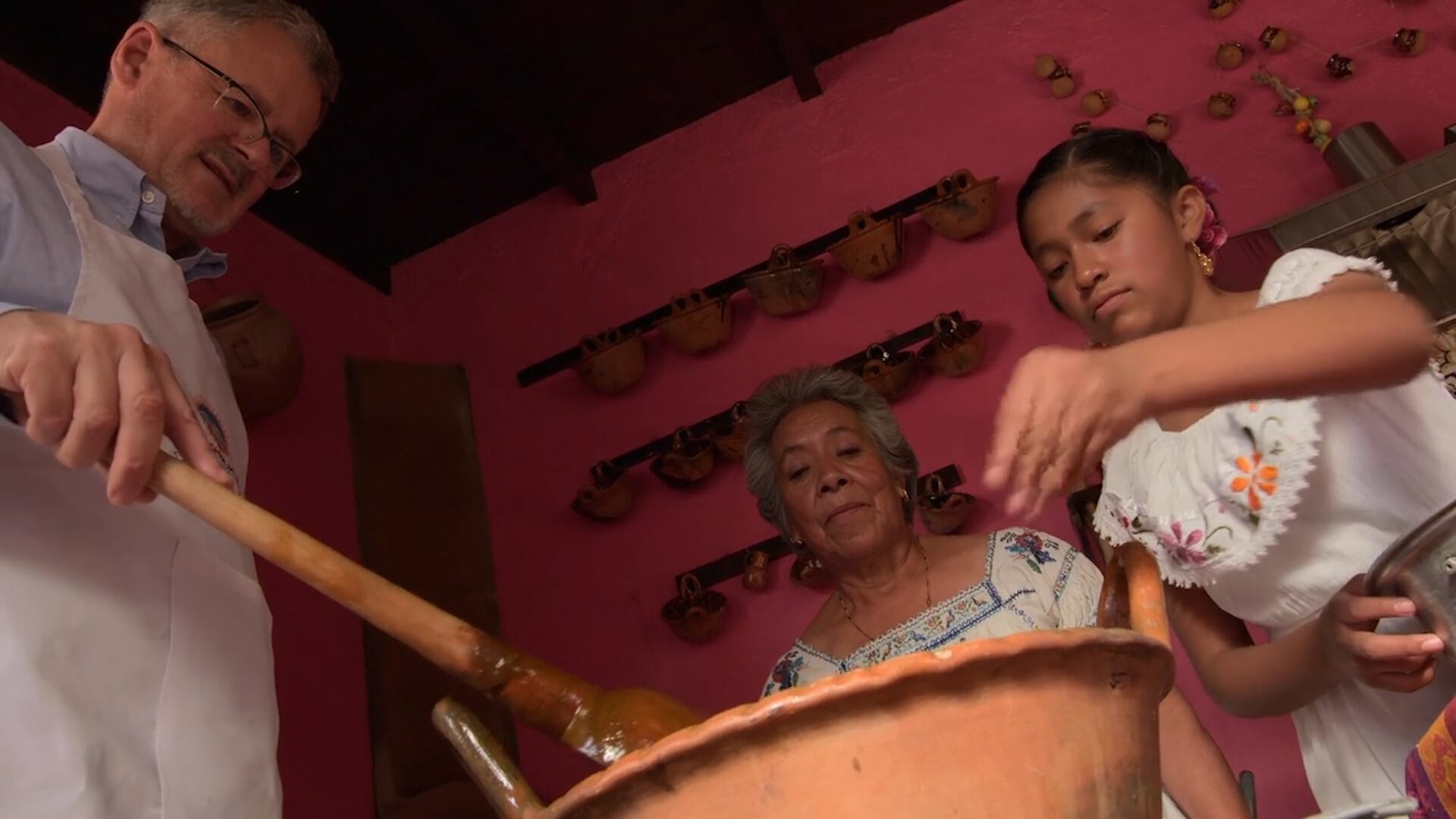
Marjorie Woods, Owner of Epic Food Group, joins ChedHER to discuss the story behind her company, challenges during the pandemic, and her plans for growth.
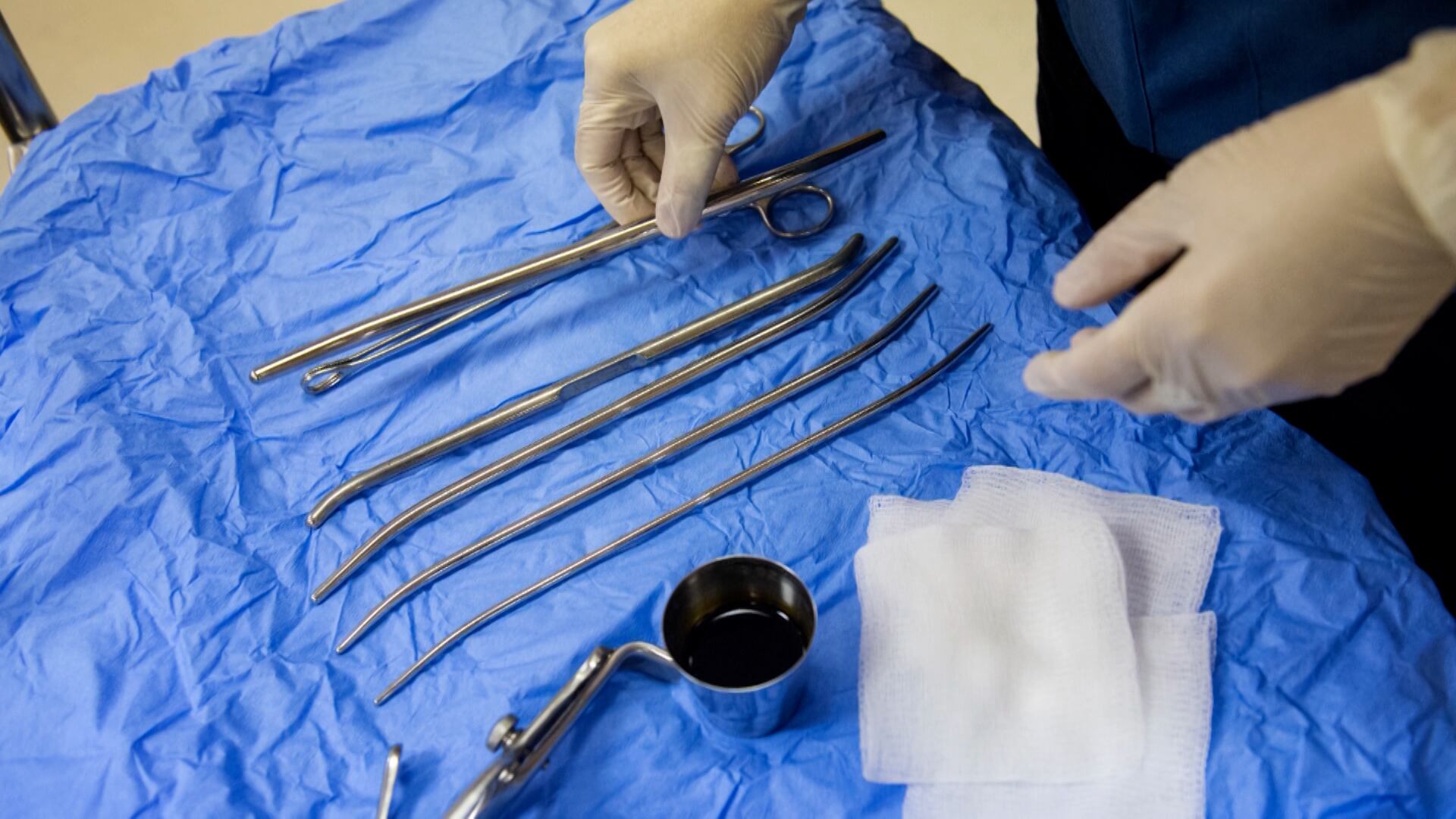
The Department of Justice is suing Texas over the state's new abortion law that prohibits abortions after six weeks, well before many women even know they're pregnant. The lawsuit argues the law is unconstitutional under long-standing Supreme Court precedent. It was filed last week in federal court in Texas, but could go all the way to the high court within weeks. Josh Blackman, a constitutional law professor at South Texas College of Law Houston, discusses the DOJ lawsuit and what it could mean for other abortion laws across the country.
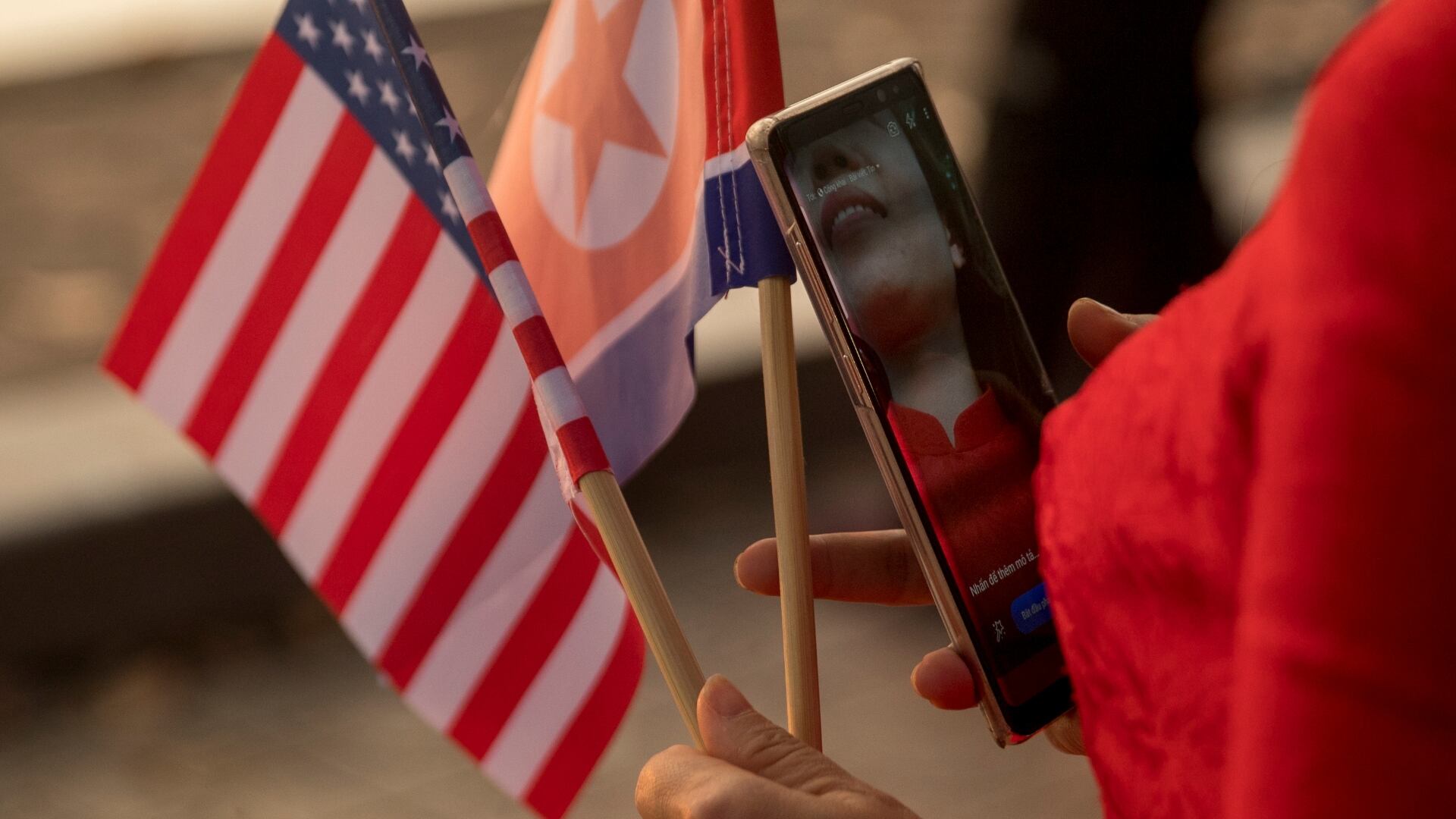
The Biden Administration has officially extended a ban on a Trump-era policy that prohibits traveling with a U.S. passport to North Korea. The extension is expected to last until August 2022. The ban was initially enforced after the death of Otto Warmbier, who entered a vegetative state while in North Korean custody. Advocates against the ban argue that it has caused crippling impacts on Korean Americans who have not been able to reunite with their families back home. Senior Fellow at The Foundation For Defense of Democracies Anthony Ruggiero joined Cheddar's News Wrap to discuss more.