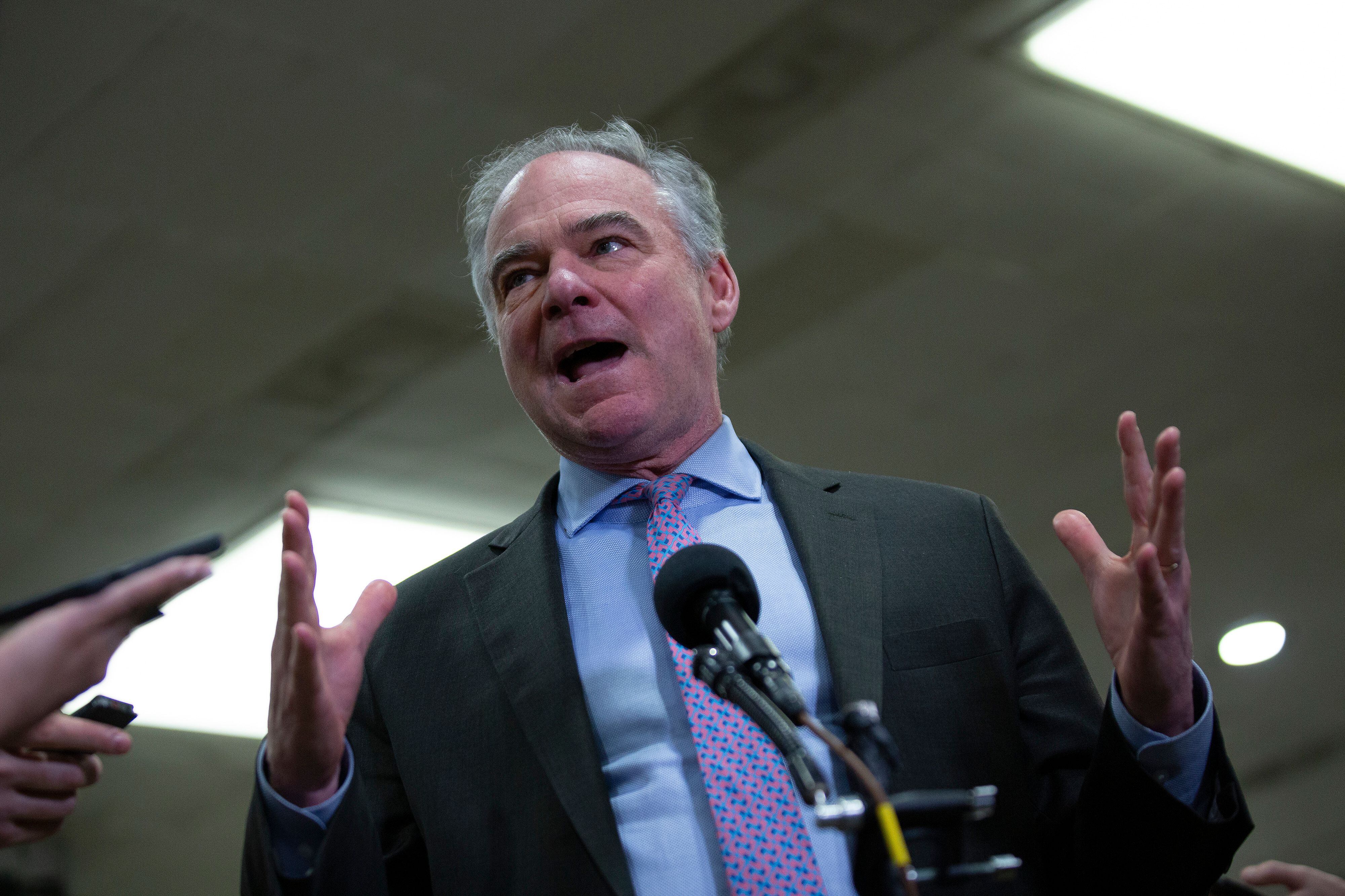
As the Senate enters a new phase of President Donald Trump's impeachment, Senator Tim Kaine (D-Va.) tells Cheddar he sees three things on trial: the U.S. Senate's reputation, the president's behavior, and the American system of justice.
Fifty-three senators in the 116th Senate hold law degrees and will be able to draw upon that knowledge when they enter the chamber to debate the merits of the articles of impeachment.
Kaine and Senator Bob Menendez (D-N.J.), the highest-ranking Latino member in Congress, both told reporters Wednesday that they have been able to use their legal training and experience as practicing attorneys during the trial.
Some of the Republicans expected to break party rank to vote in favor of hearing witnesses hold law degrees too. Senators Mitt Romney (R-Utah) and Lamar Alexander (R-Tenn.) hold law degrees from Harvard University and New York University, respectively. Senator Lisa Murkowski (R-Alaska) worked as an attorney for nearly a decade before joining the Senate.
Before going home to Richmond last weekend, Kaine told Cheddar he viewed the impeachment as putting the president's conduct is on trial along with the capability of the Senate. But after going home and speaking to people at gas stations and grocery stores, he found that the public sees this as a trial of our justice system. "I had thought of it more as the Senate's reputation or what the president's behavior was, but people were talking to me this weekend about that," said Kaine.
"A lot of people in this country have real questions about whether our justice system delivers impartial justice. Does our justice system deliver impartial justice?" he asked. "Or is there a different system for the rich and powerful folks?"
Though Kaine said he hadn't yet brought that point up to his Republican colleagues, he told Cheddar he plans to during the deliberation period about calling witnesses. Senators will have four hours to debate the question of witnesses or documents before voting, which is expected on Friday.
"That's certainly something I'm going to share with them," the senator stated.
During today's press conference, Kaine emphasized that "not once in 17 years did I ever have a trial where there were no witnesses or documents," and he believed that the American people would be able to discern between what a trial is and isn't. However, he told reporters that if no witnesses are called, it will support the "cynicism and anxiety about our system of justice" many Americans might be feeling.
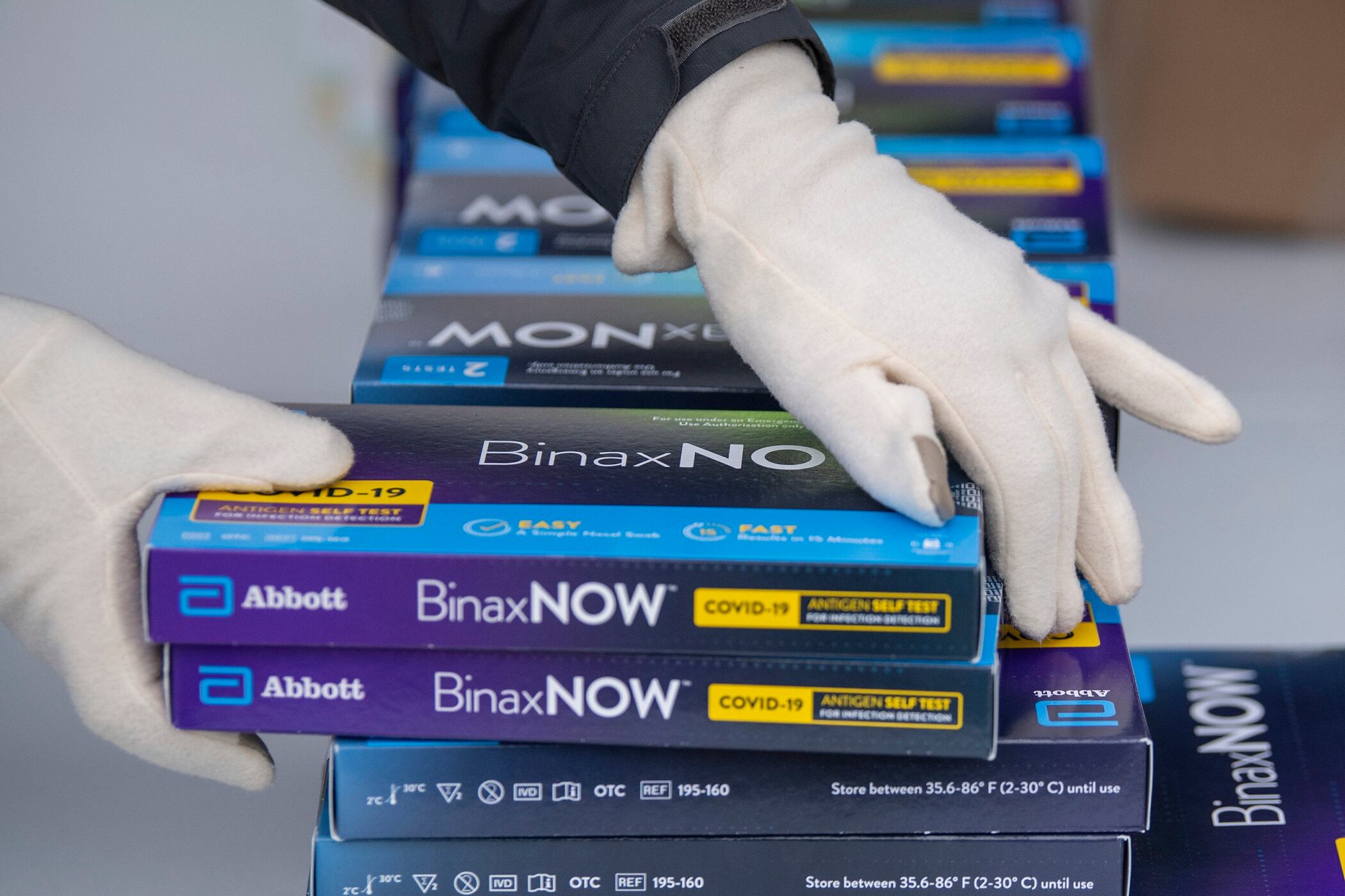
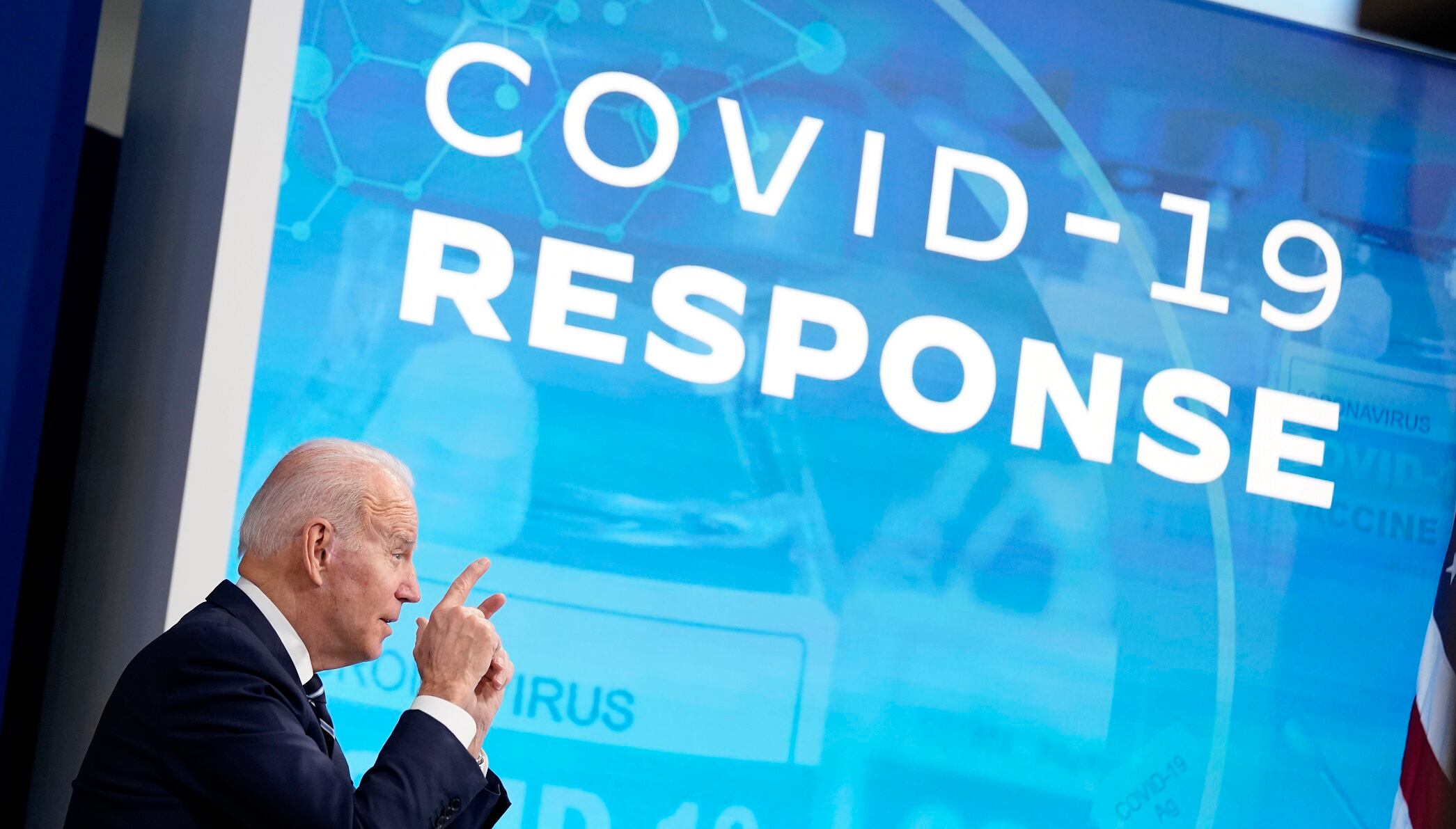
The Biden administration on Tuesday quietly launched its website for Americans to request free at-home COVID-19 tests, a day before the site was scheduled to officially launch.
Just 27% of voters aged 18-29 approve of the job Biden is doing as president, according to a survey from The Economist and YouGov late last year. Santiago Mayer, executive director of Voters of Tomorrow, joins Cheddar Politics to discuss why President Biden is losing support among young voters.
Jesse Lehrich, co-founder of Accountable Tech, joins Cheddar News to discuss it being one year since Trump was exiled from social media and the former President's new platform 'Truth Social.'
Cliff Albright, co-founder of the group Black Voters Matter, joins Cheddar Politics to discuss why he boycotted President Biden's voting rights speech this week, and the push from Senate Democrats to debate and vote on the Freedom to Vote Act and the John Lewis Voting Rights Advancement Act.
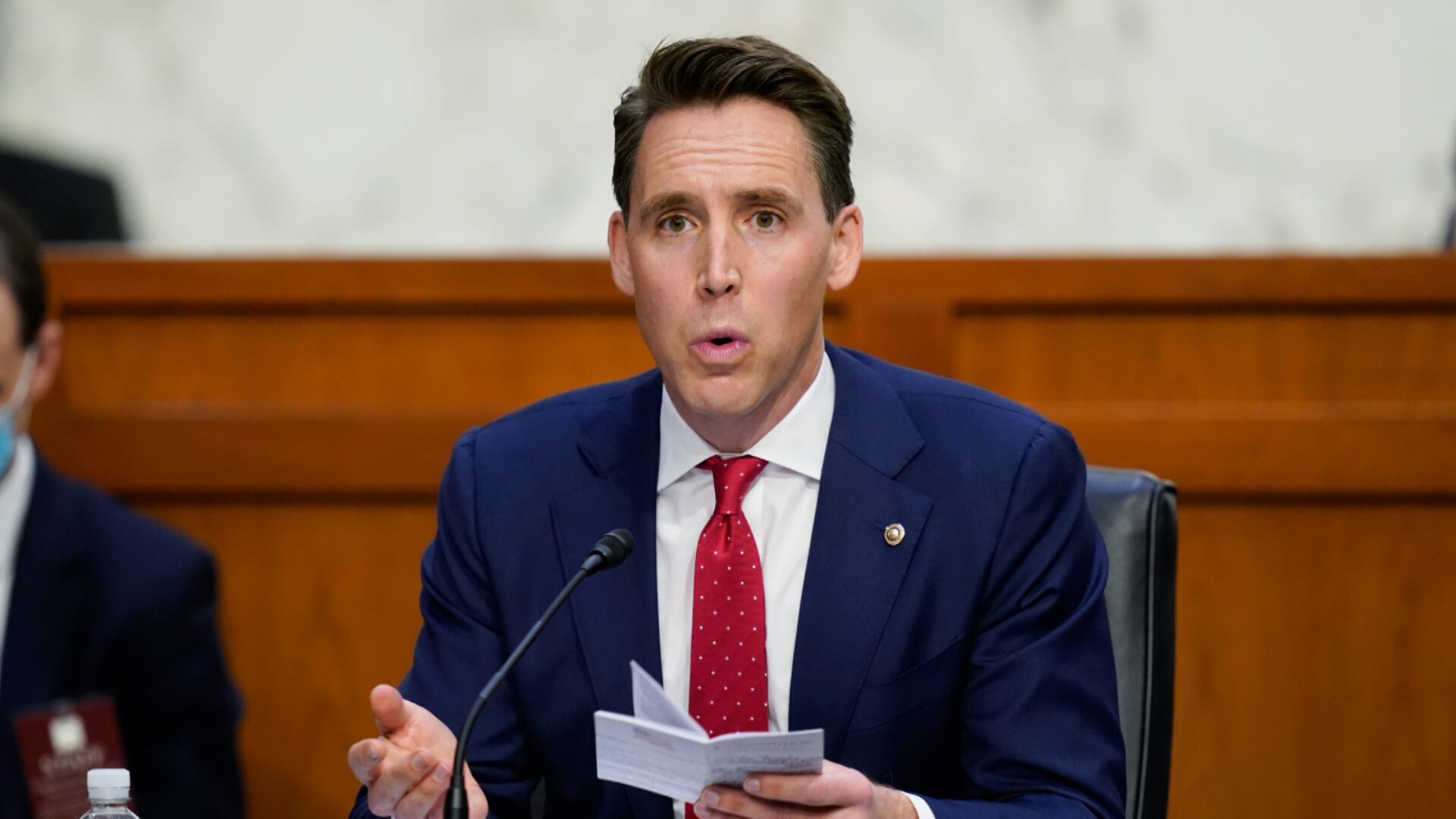
Senator Jon Ossoff (D-Ga.) has teamed up with fellow Democratic senator and former astronaut Mark Kelly to introduce the Ban Congressional Stock Trading Act, a bill to essentially end stock trading by sitting lawmakers. From the other side of the aisle, Senator Josh Hawley (R-Mo.) introduced his own legislation to enact something similar. The dueling bills come at a time when it's popular to constrain members of Congress from owning and trading stocks. Karl Evers-Hillstrom, a business and lobbying reporter at The Hill, spoke to Cheddar about the significance of the bills, and what they could mean for lawmakers, their families, and staffers moving forward.
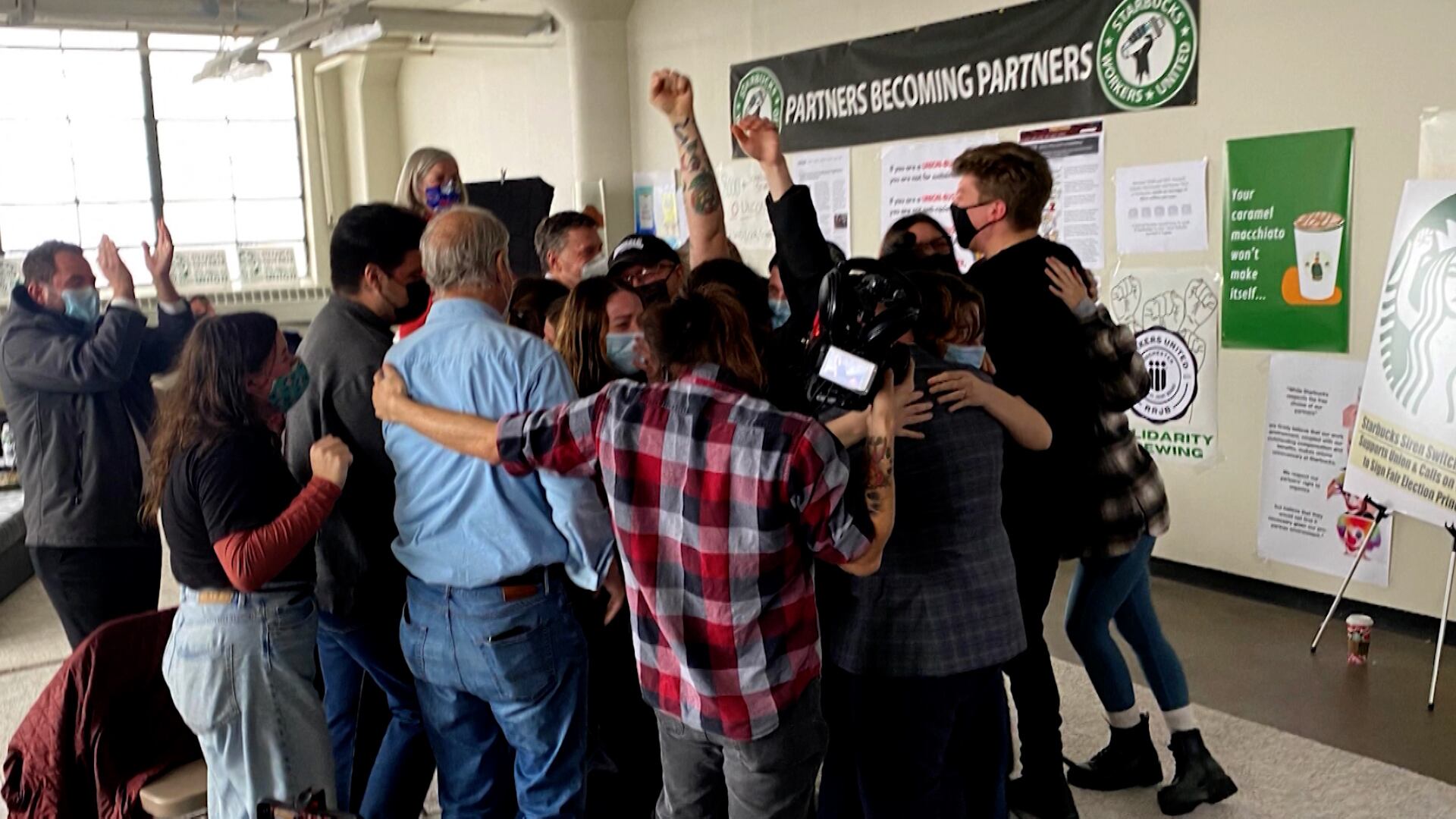
A second Starbucks location in the U.S. has officially voted to unionize. On Monday, the National Labor Relations Board announced workers at the Starbucks store located in the Buffalo, NY suburb of Cheektowaga voted 15-9 in favor of being represented by Workers United, an affiliate of the Service Employees International Union. The New York Times reports votes were tallied in December but remained inconclusive as the union challenged the ballots of several employees it said did not work at the store. A Starbucks spokesperson has said that it may appeal the labor board's decision, which comes as several other Starbucks stores across the country are also pushing to form a union. Danka Dragic, shift supervisor for the second Starbucks store in the country to unionize, joined Cheddar News' Closing Bell to discuss.