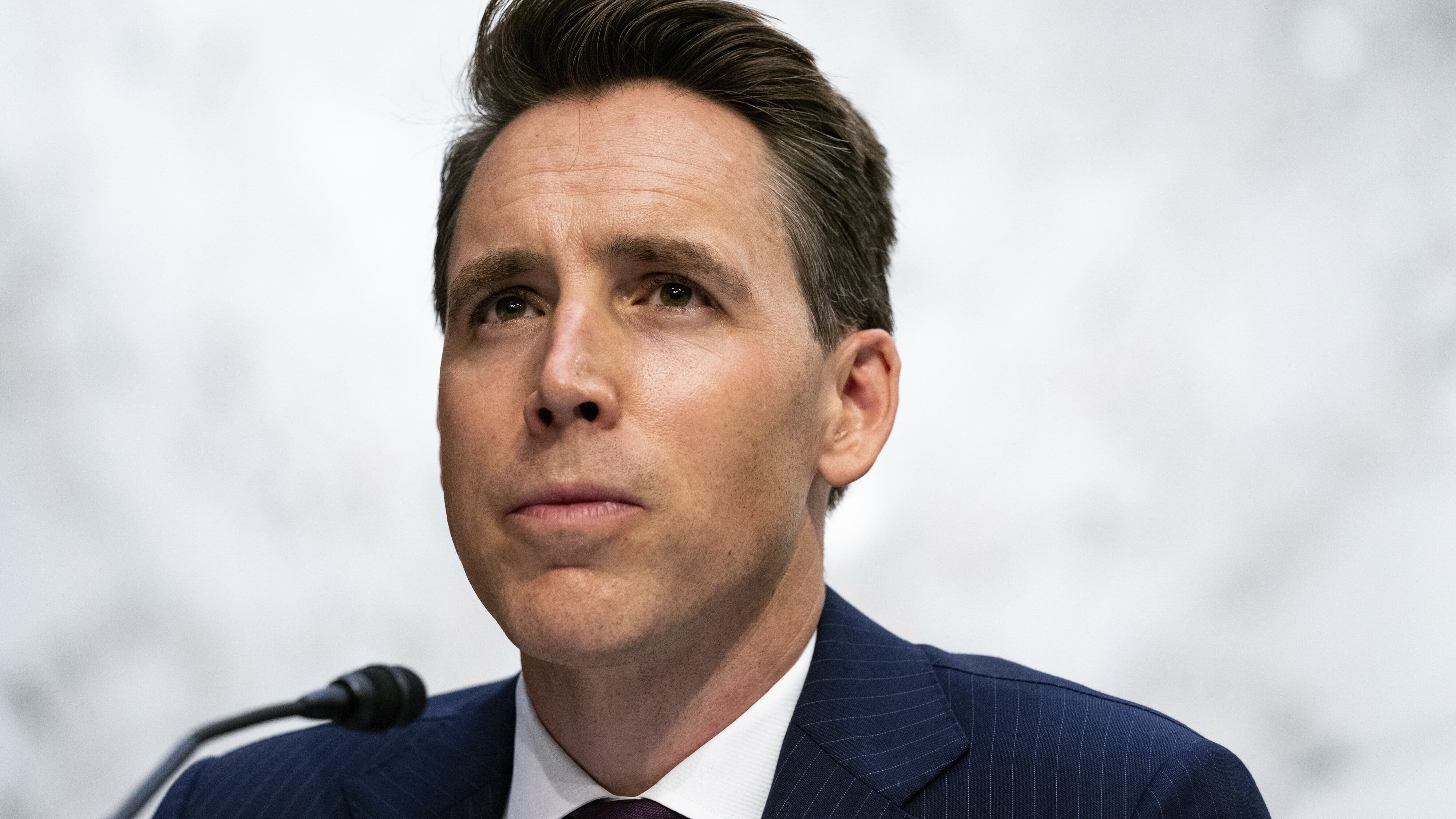
In this file photo, Sen. Josh Hawley, R-Mo., listens during a confirmation hearing for Supreme Court nominee Amy Coney Barrett before the Senate Judiciary Committee, Tuesday, Oct. 13, 2020, on Capitol Hill in Washington. (Anna Moneymaker/The New York Times via AP, Pool, File)
U.S. Senator Josh Hawley (R-Mo.), a vocal critic of big tech, said the antitrust lawsuit filed on Tuesday by the Department of Justice against Google has the potential to become the biggest strike against monopoly power since the Microsoft case settled in 2001.
"This new case will be the most significant antitrust case in a generation and certainly since the Microsoft case, and I think it has the potential to be bigger than the Microsoft case because Google is a more powerful platform, a more powerful company than Microsoft was," Hawley told Cheddar's J.D. Durkin on Tuesday.
He agrees with critics of the Microsoft case that it should have gone further, but maintains that it still helped spur the startup boom of the early 2000s.
"People often say, well, it really wasn't that successful, but actually if you look at the surge in tech startups that occurred during and immediately after the Microsoft case, I think you can see that taking on Microsoft had a significant pro-competition, pro-innovation effect," he said.
The senator also stressed that this is a critical moment for antitrust law in the U.S.
"Let's just be honest here, the stakes are high for the Department of Justice," he said. "They need to prosecute this case to the fullest extent of their abilities, and they need to get a win. They need to show that antitrust law still has an important part to play in the 21st century economy, and I believe they'll do that."
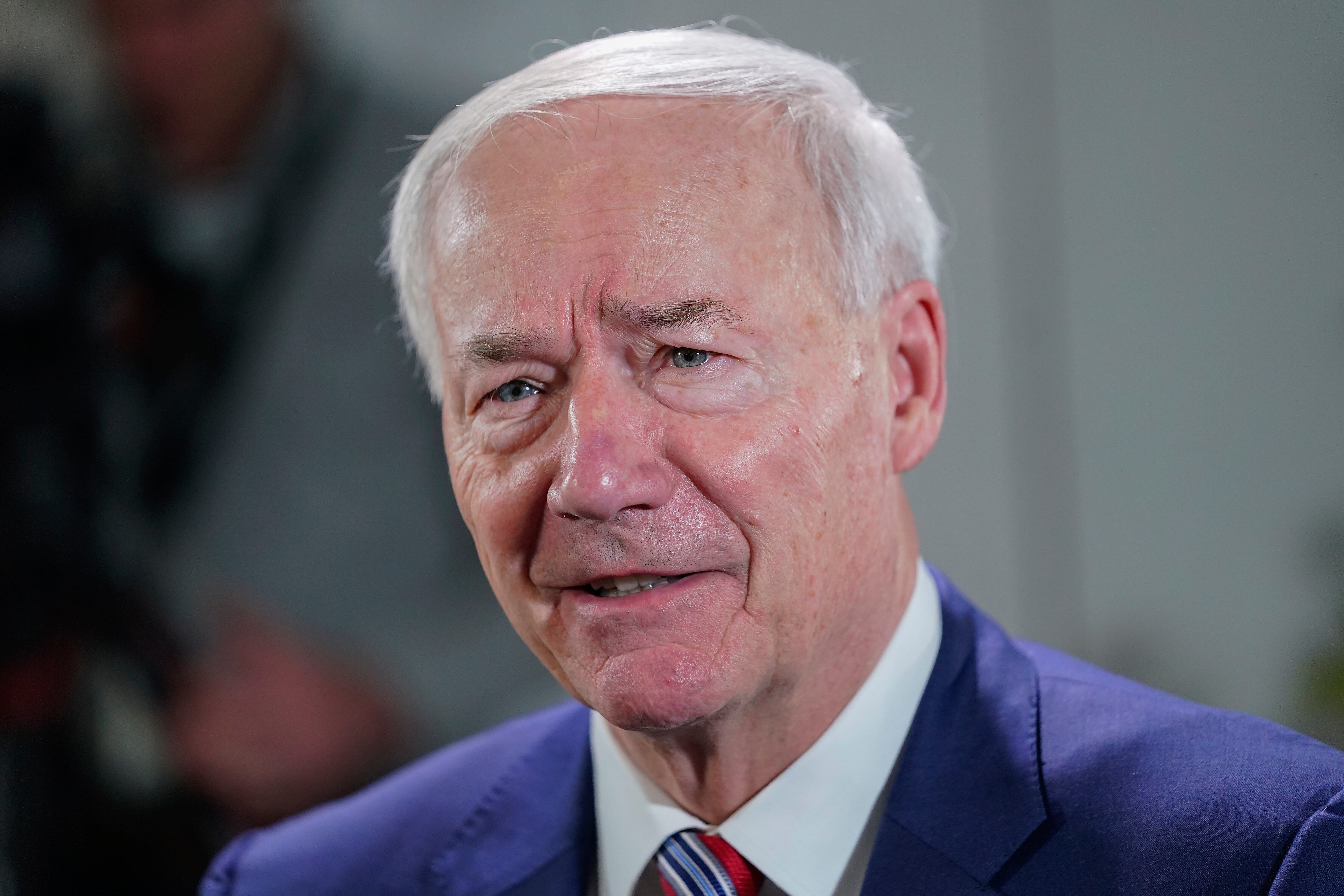
Asa Hutchinson, who recently completed two terms as Arkansas governor, said Sunday he will seek the Republican presidential nomination, positioning himself as an alternative to Donald Trump just days after the former president was indicted by a grand jury in New York.
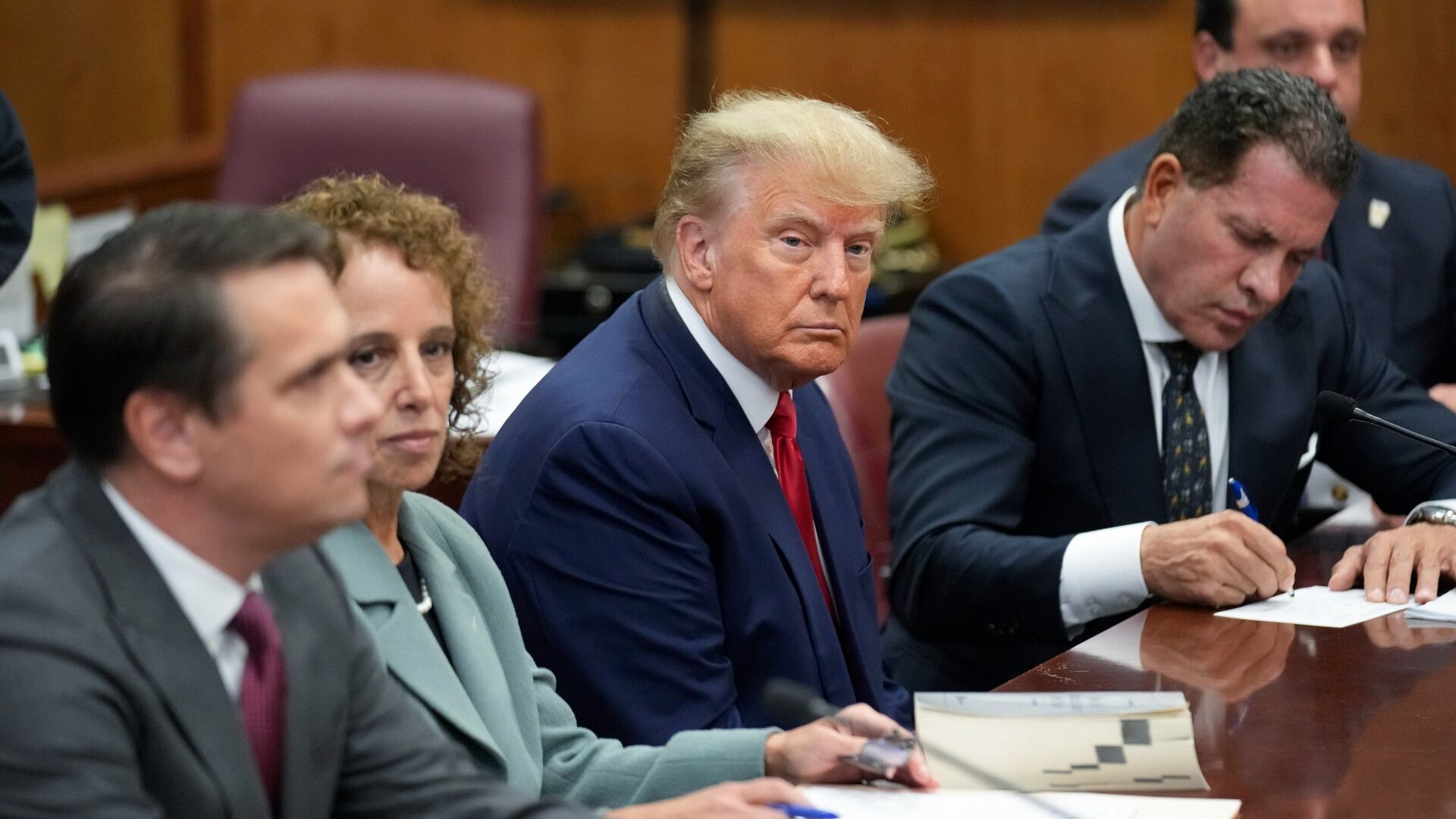
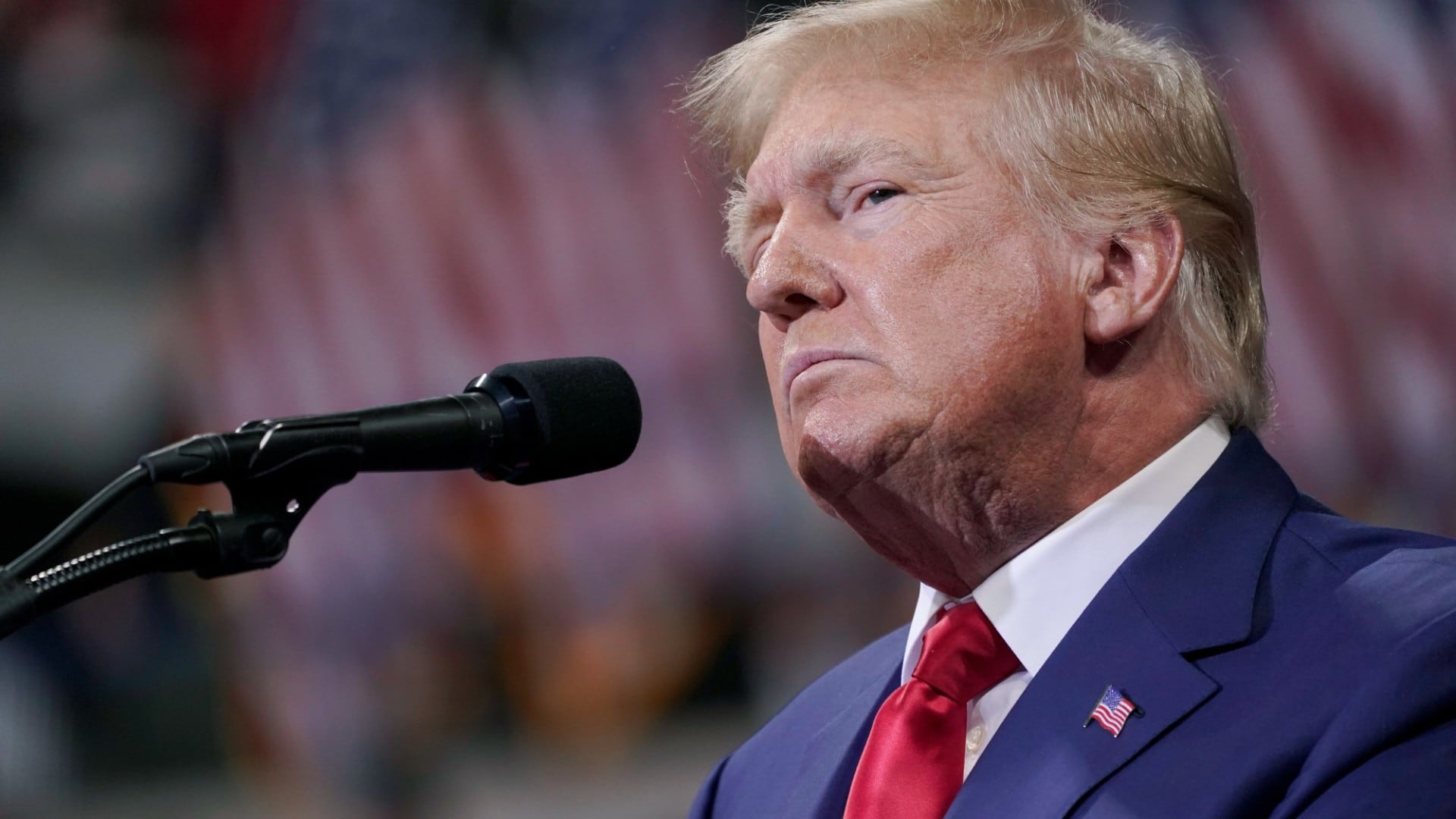
Prosecutors say Donald Trump conspired to undermine the 2016 election through a series of hush money payments designed to stifle claims that could be harmful to his candidacy.
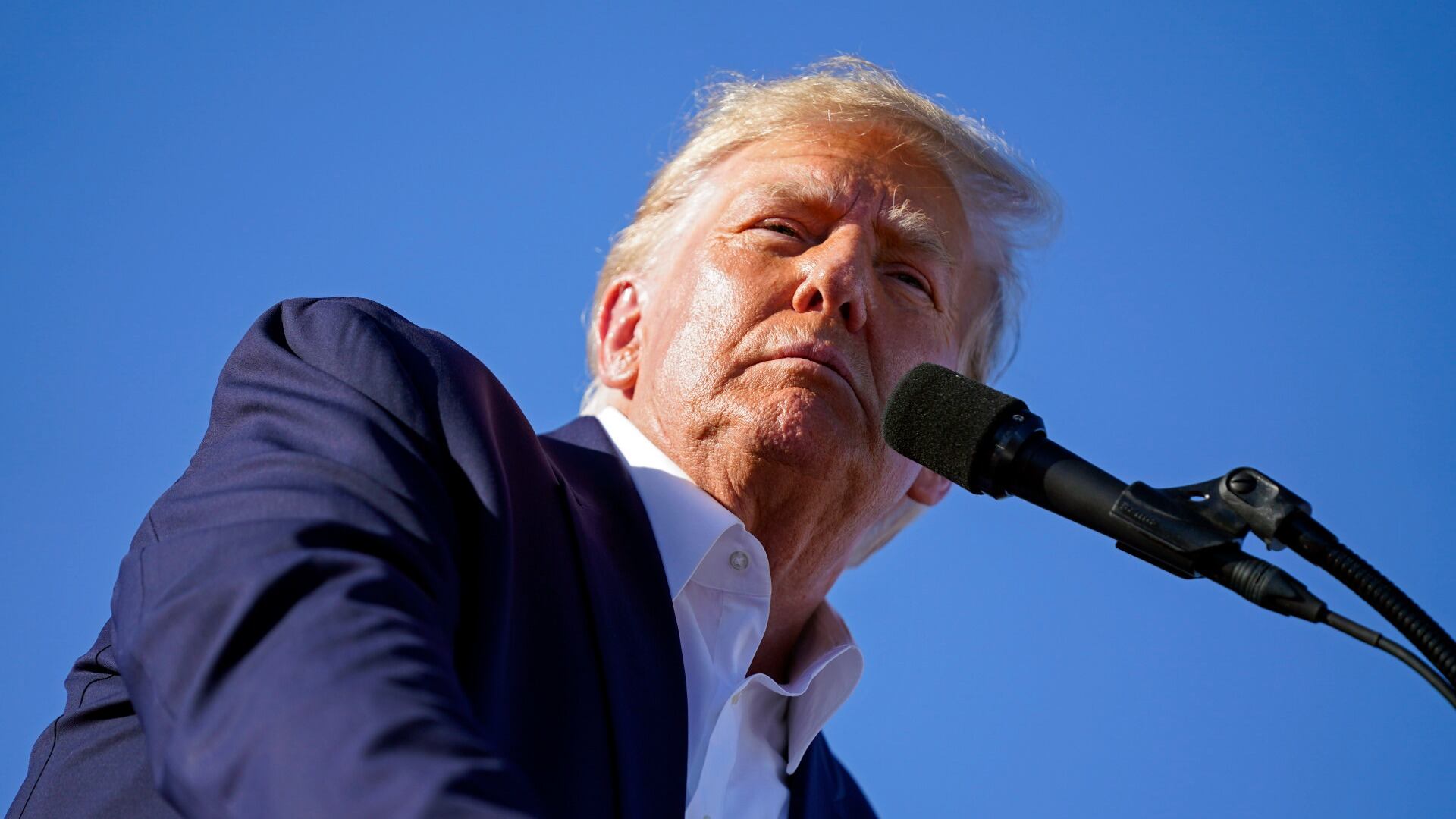
He is expected to be joined in Florida by supporters as he tries to project an image of strength and defiance and turn the charges into a political asset to boost his 2024 presidential campaign.
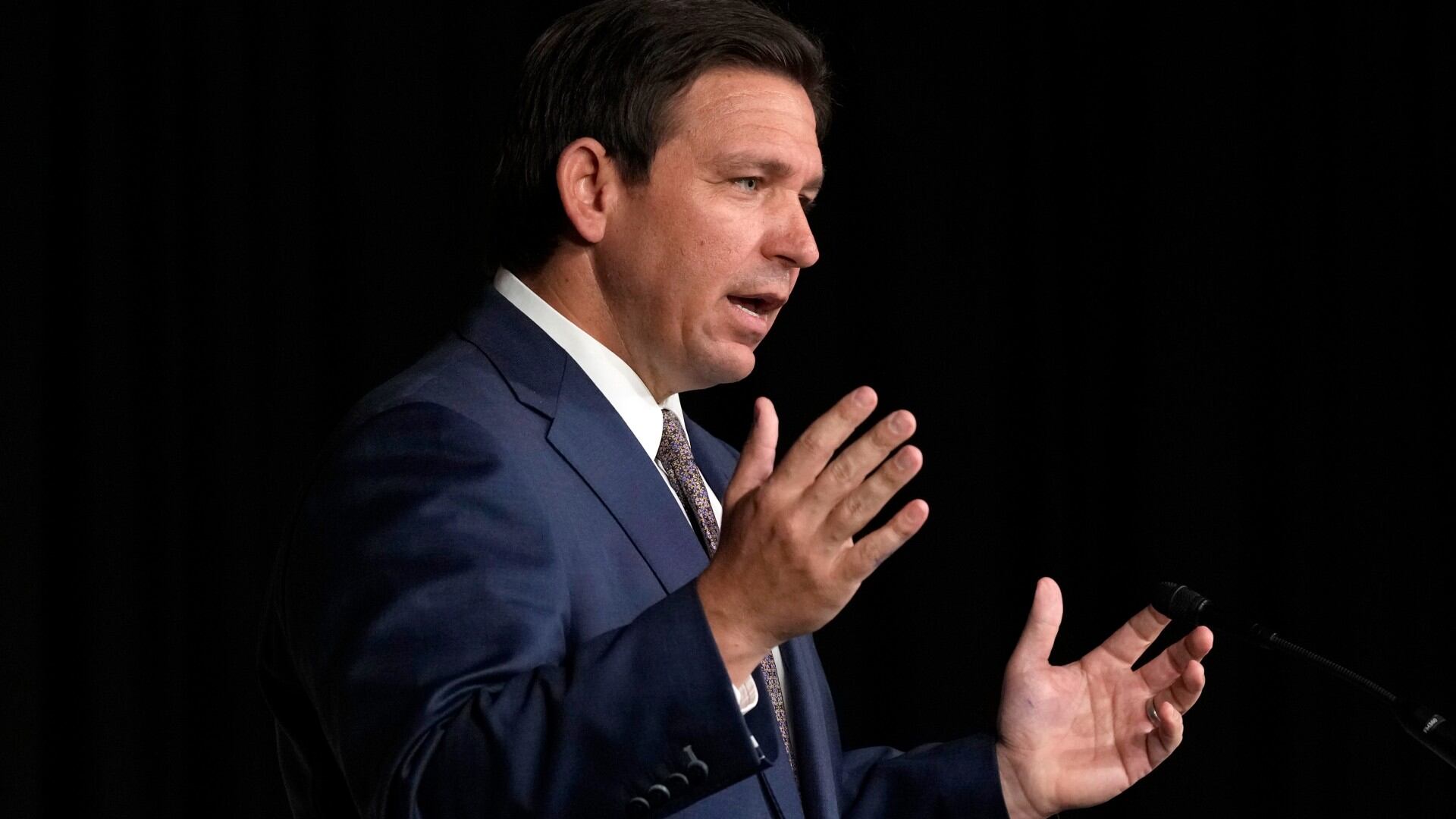
Board members picked by Florida Gov. Ron DeSantis to oversee the governance of Walt Disney World said Wednesday that their Disney-controlled predecessors pulled a fast one on them by passing restrictive covenants that strip the new board of many of its powers.
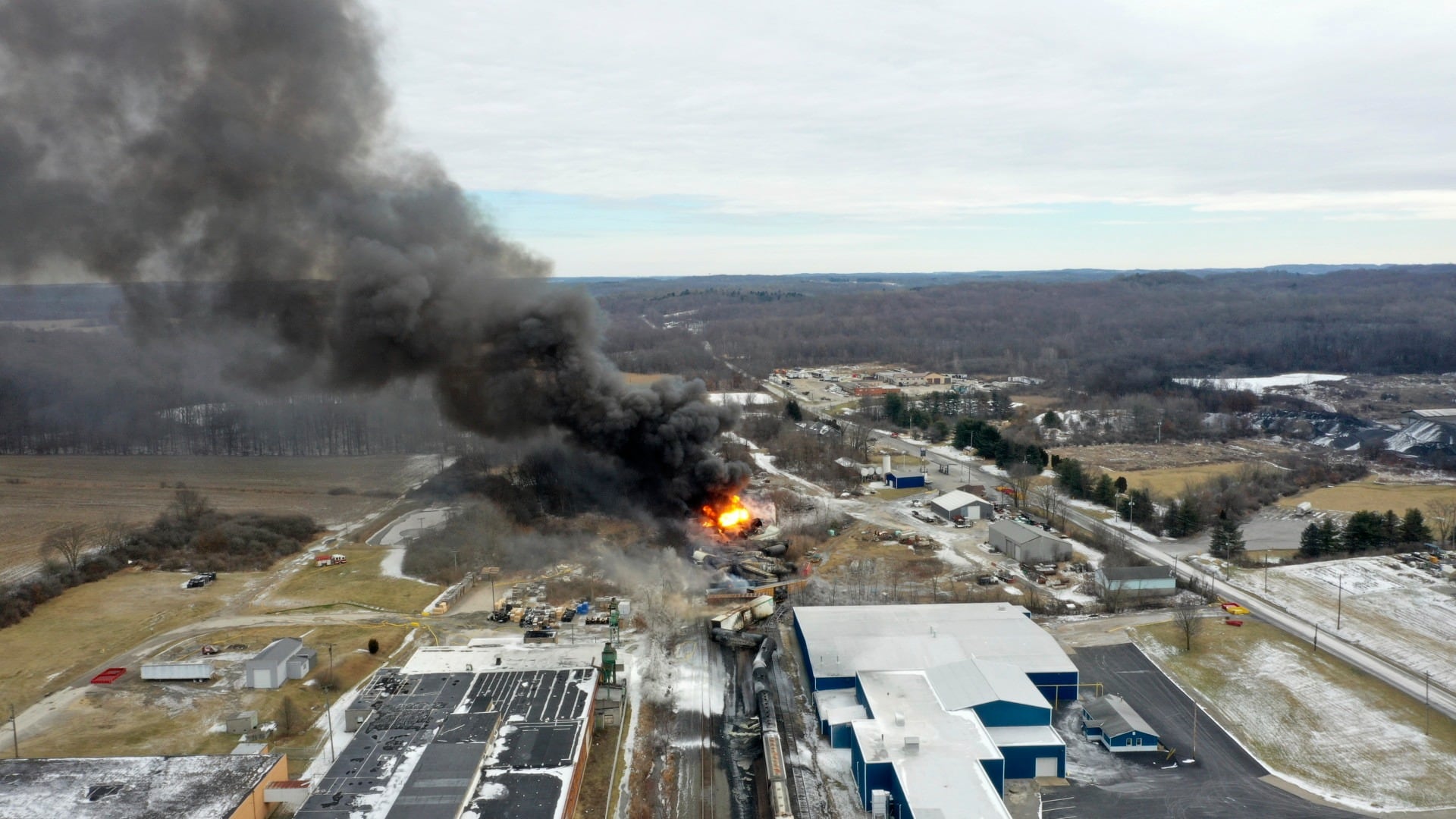
The federal government has filed a lawsuit against railroad Norfolk Southern over environmental damage caused by a train derailment on the Ohio-Pennsylvania border that spilled hazardous chemicals.
The charges in the indictment, made by a Manhattan grand jury, center on payments made during the 2016 presidential campaign to silence claims of an extramarital sexual encounter.