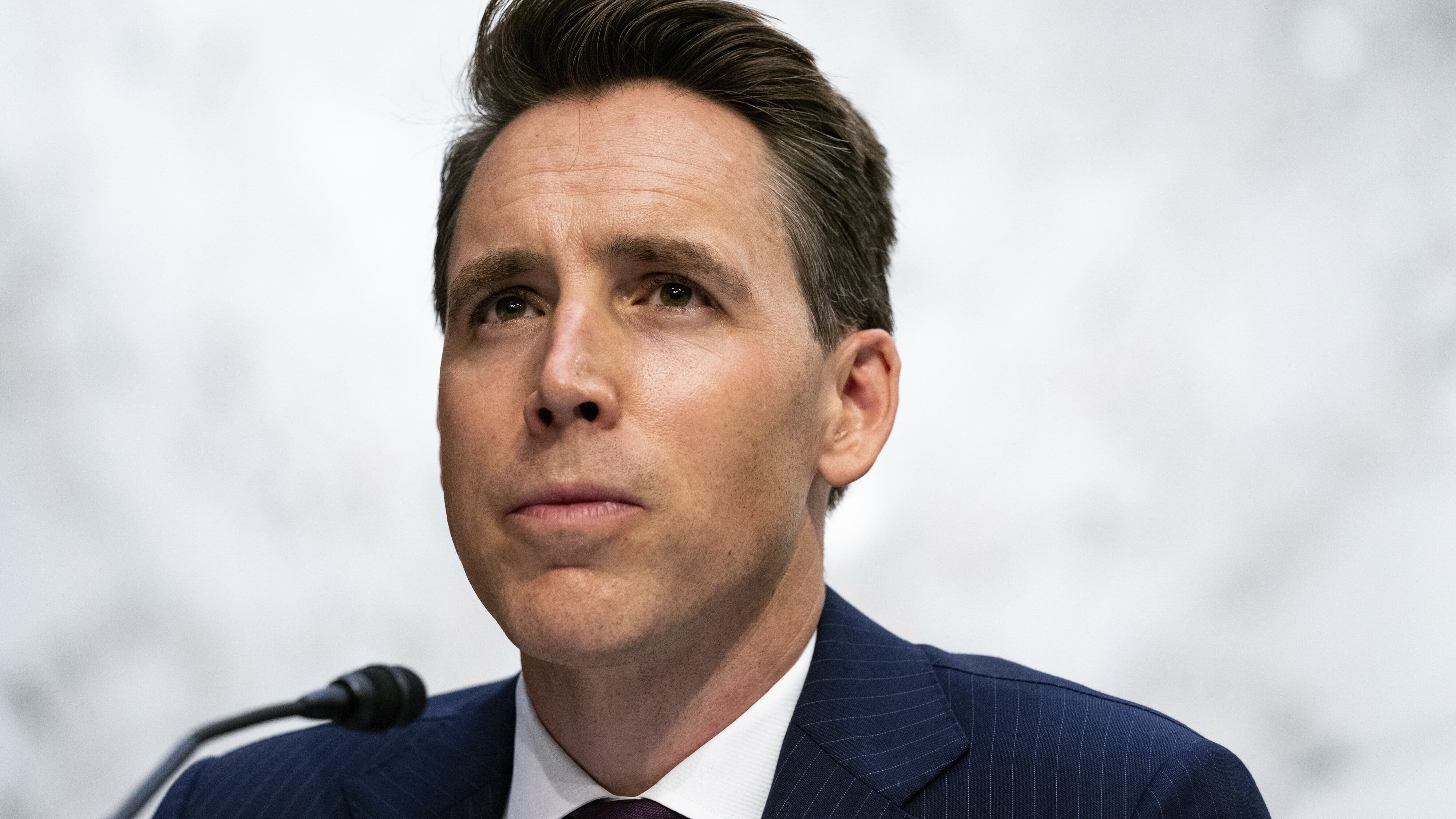
In this file photo, Sen. Josh Hawley, R-Mo., listens during a confirmation hearing for Supreme Court nominee Amy Coney Barrett before the Senate Judiciary Committee, Tuesday, Oct. 13, 2020, on Capitol Hill in Washington. (Anna Moneymaker/The New York Times via AP, Pool, File)
U.S. Senator Josh Hawley (R-Mo.), a vocal critic of big tech, said the antitrust lawsuit filed on Tuesday by the Department of Justice against Google has the potential to become the biggest strike against monopoly power since the Microsoft case settled in 2001.
"This new case will be the most significant antitrust case in a generation and certainly since the Microsoft case, and I think it has the potential to be bigger than the Microsoft case because Google is a more powerful platform, a more powerful company than Microsoft was," Hawley told Cheddar's J.D. Durkin on Tuesday.
He agrees with critics of the Microsoft case that it should have gone further, but maintains that it still helped spur the startup boom of the early 2000s.
"People often say, well, it really wasn't that successful, but actually if you look at the surge in tech startups that occurred during and immediately after the Microsoft case, I think you can see that taking on Microsoft had a significant pro-competition, pro-innovation effect," he said.
The senator also stressed that this is a critical moment for antitrust law in the U.S.
"Let's just be honest here, the stakes are high for the Department of Justice," he said. "They need to prosecute this case to the fullest extent of their abilities, and they need to get a win. They need to show that antitrust law still has an important part to play in the 21st century economy, and I believe they'll do that."
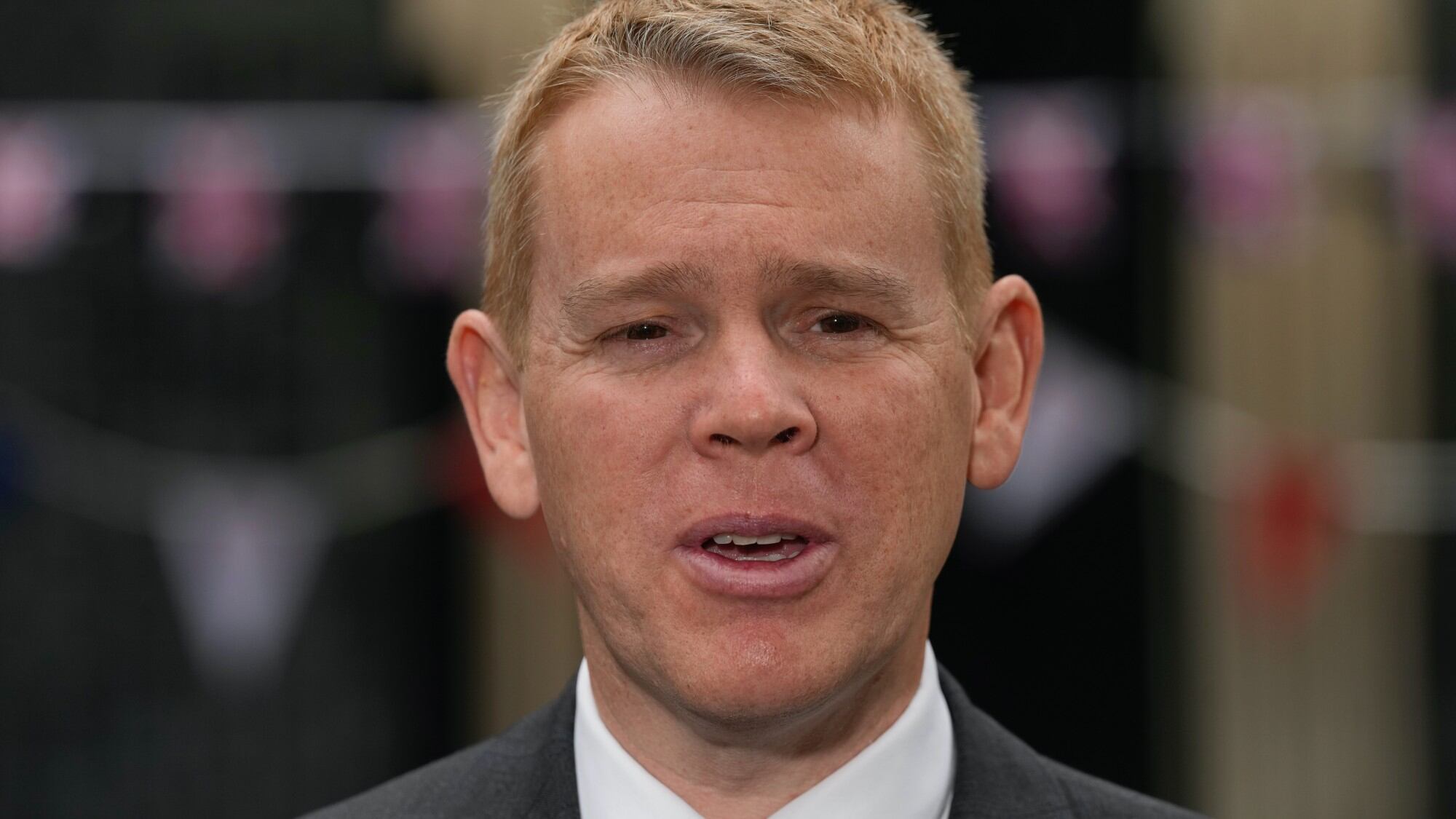
New Zealand acknowledged it has an aging Boeing 757 so prone to breakdowns they had sent an empty backup to ensure Prime Minister Chris Hipkins didn't get stranded in China, where he is leading a trade delegation.
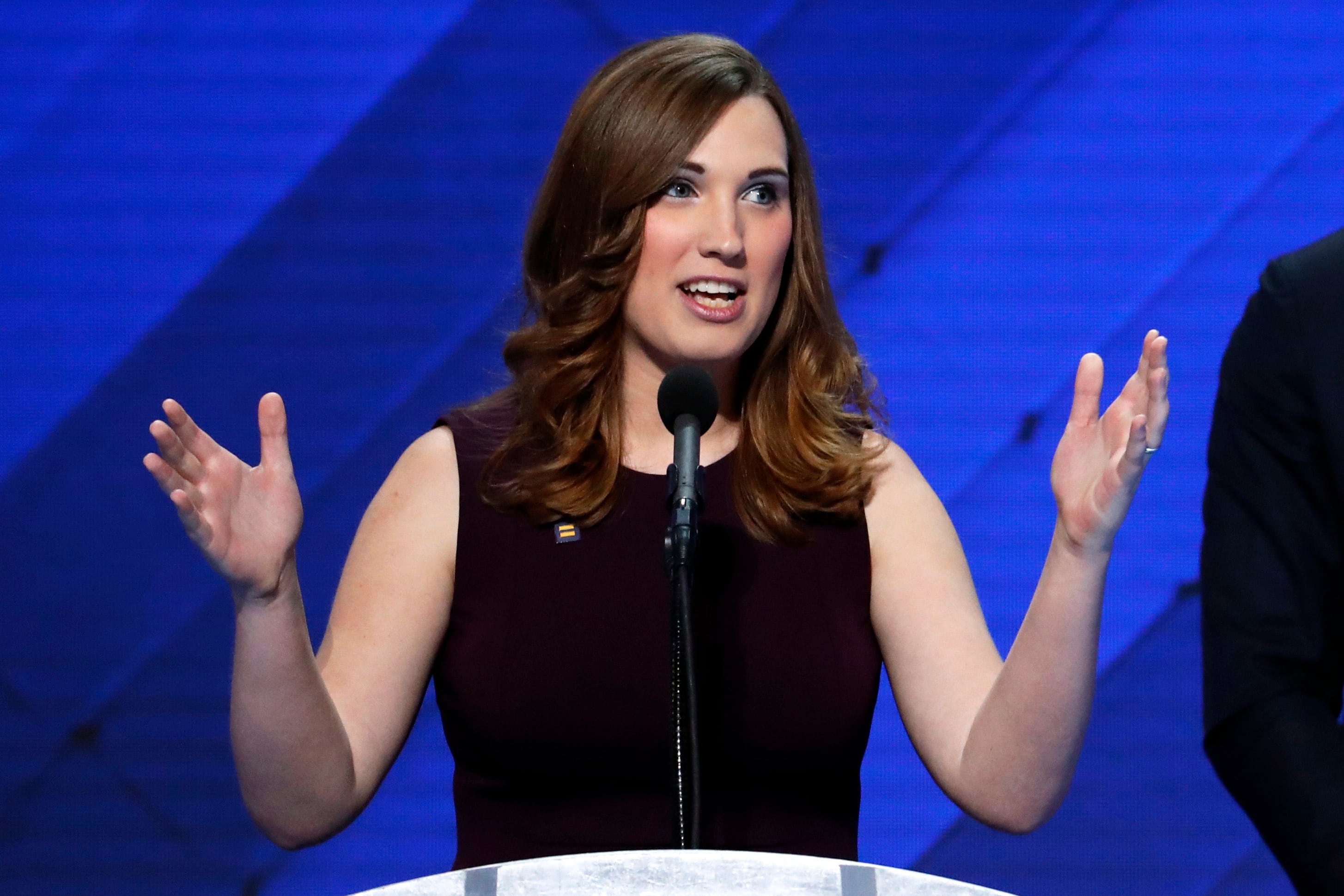
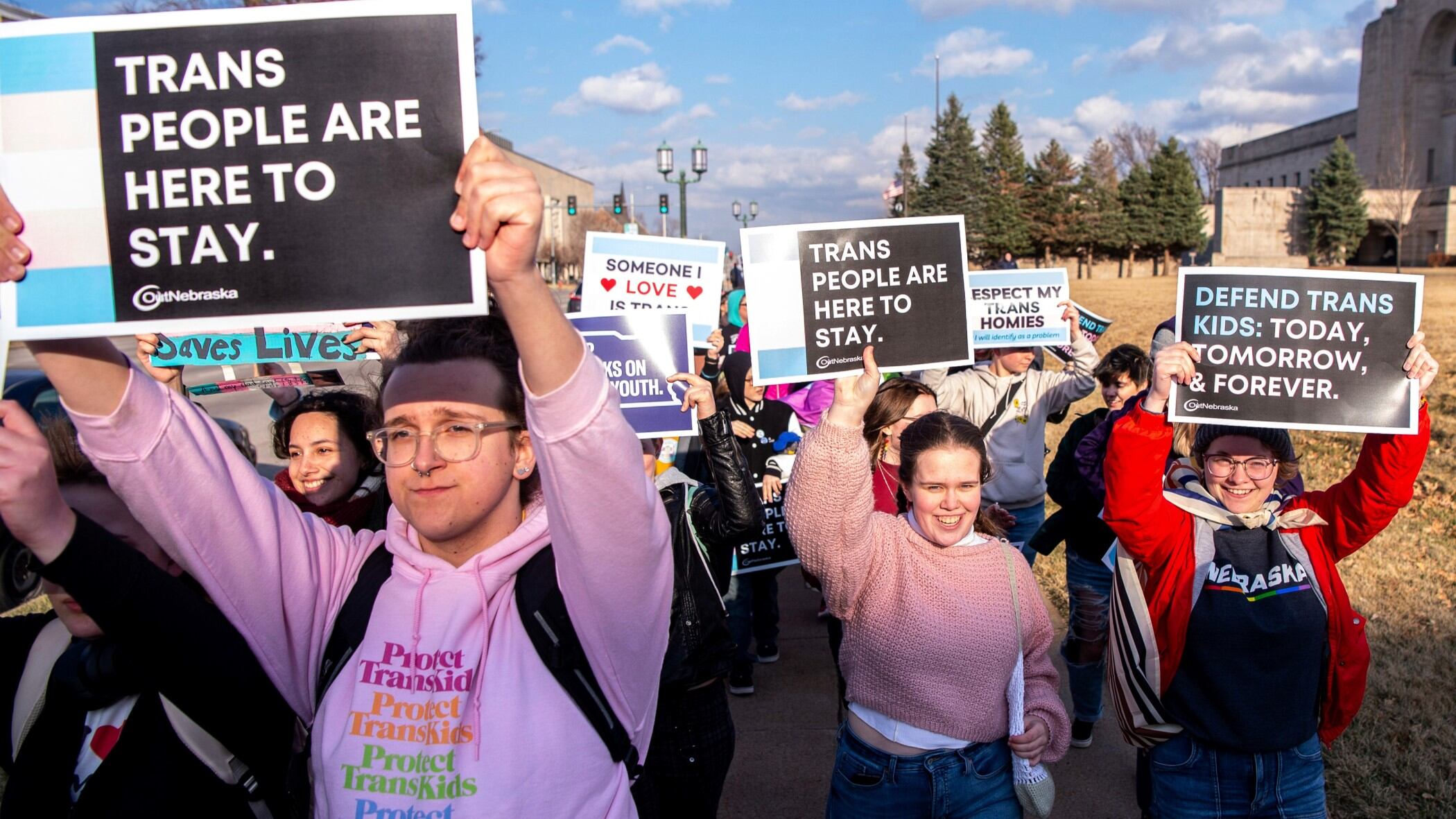
Delaware state Sen. Sarah McBride announced Monday she's running for the U.S. House of Representatives. Already the first openly transgender state senator elected in the country, she'd be the first transgender member of Congress if she wins in November.
U.S. states could face some hurdles as they experiment with road usage charging programs aimed at one day replacing motor fuel taxes, which are generating less each year, in part due to fuel efficiency and the rise of electric cars.
The defiance of restrictions in North Dakota on what bathrooms transgender students can use in public schools and universities shows that it's not exactly clear how bathroom laws will play out in local communities after being enacted in at least 10 states with Republican-controlled legislatures.
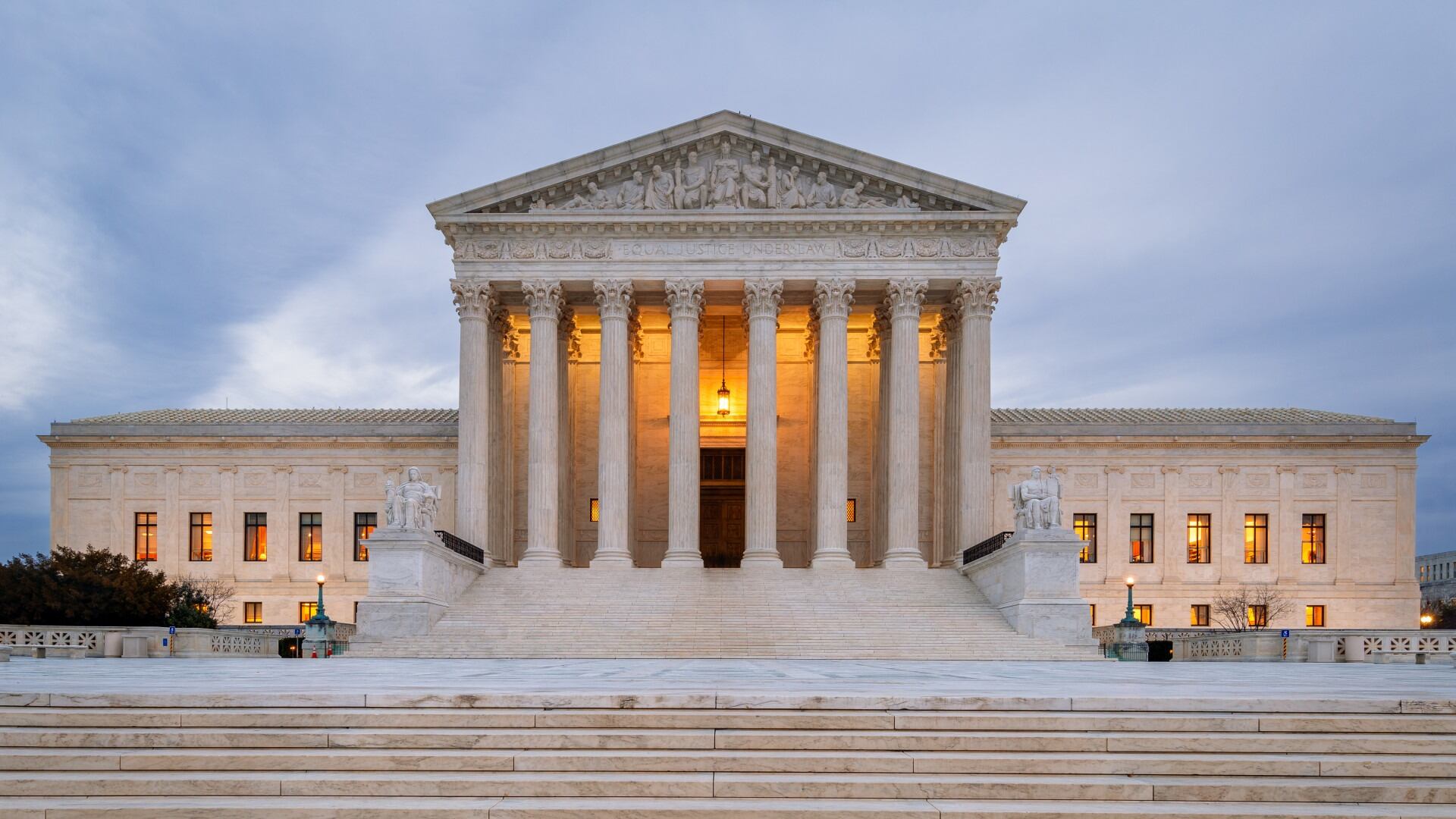
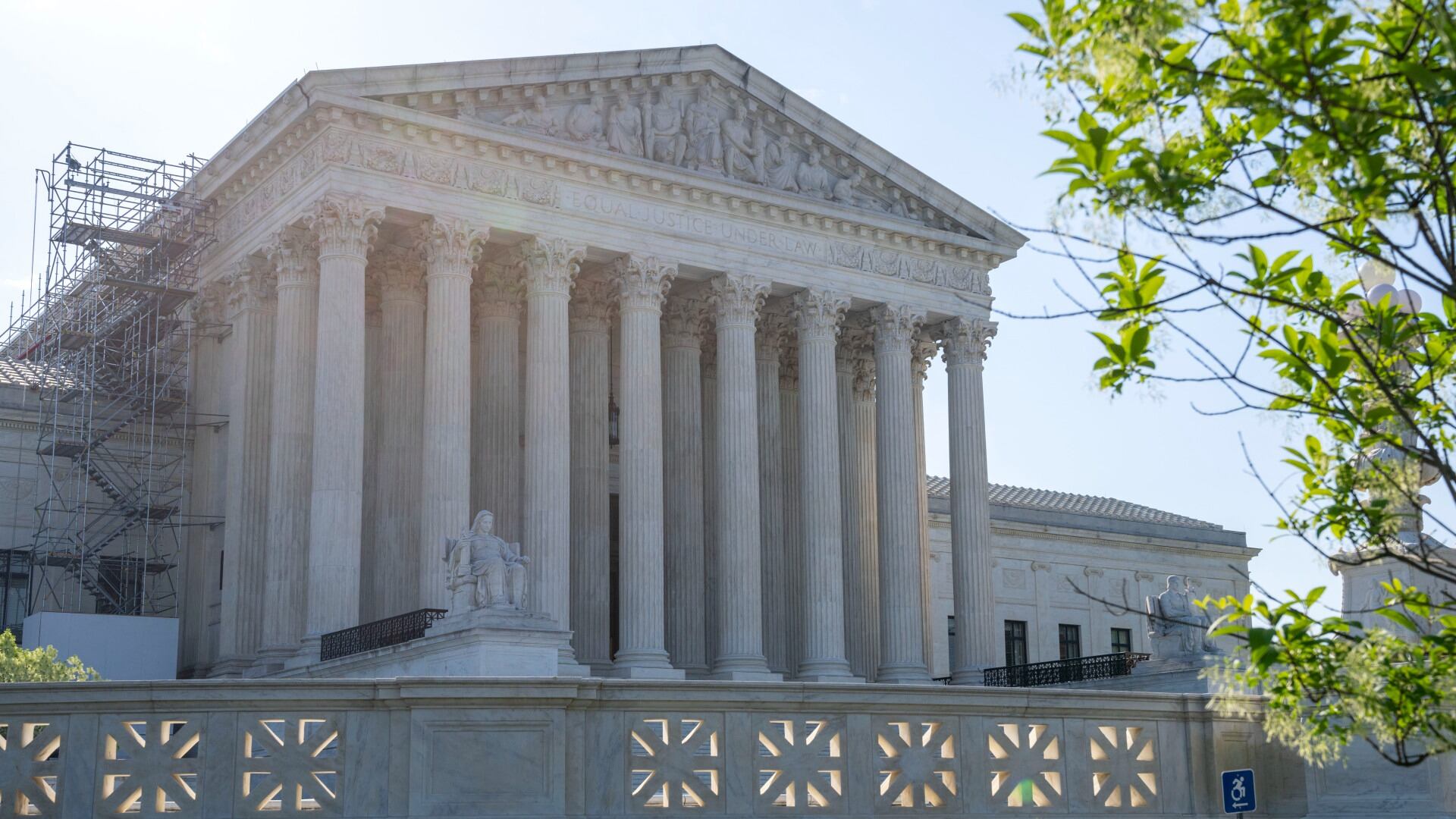
The Supreme Court on Monday left in place an appellate ruling barring a North Carolina public charter school from requiring girls to wear skirts to school.
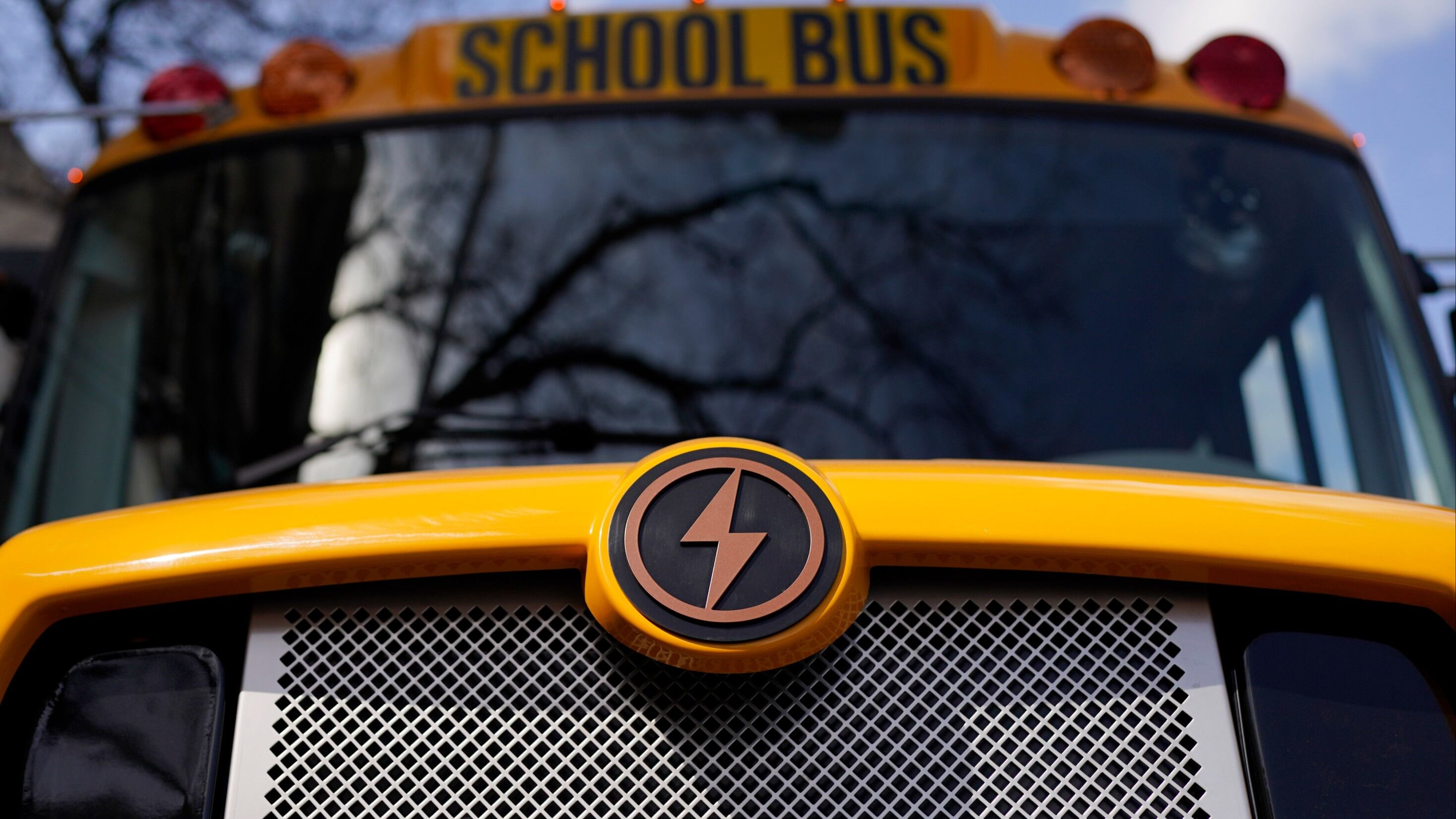
The U.S. Department of Transportation is awarding almost $1.7 billion in grants for buying zero- and low-emission buses, with the money going to transit projects in 46 states and territories.
Vice President Kamala Harris said Supreme Court conservatives caused a healthcare crisis in America and blasted abortion bans in Republican-led states.