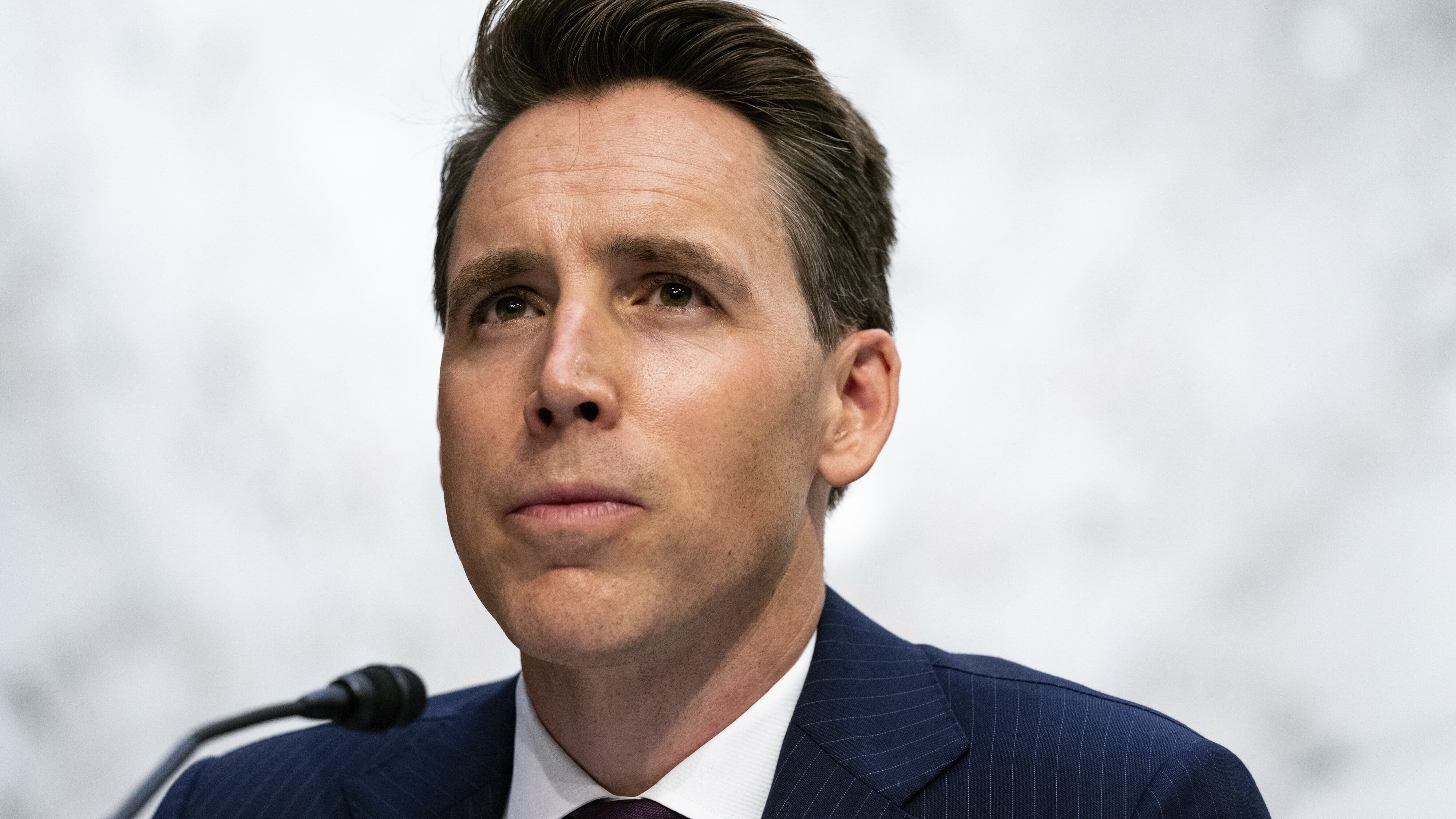
In this file photo, Sen. Josh Hawley, R-Mo., listens during a confirmation hearing for Supreme Court nominee Amy Coney Barrett before the Senate Judiciary Committee, Tuesday, Oct. 13, 2020, on Capitol Hill in Washington. (Anna Moneymaker/The New York Times via AP, Pool, File)
U.S. Senator Josh Hawley (R-Mo.), a vocal critic of big tech, said the antitrust lawsuit filed on Tuesday by the Department of Justice against Google has the potential to become the biggest strike against monopoly power since the Microsoft case settled in 2001.
"This new case will be the most significant antitrust case in a generation and certainly since the Microsoft case, and I think it has the potential to be bigger than the Microsoft case because Google is a more powerful platform, a more powerful company than Microsoft was," Hawley told Cheddar's J.D. Durkin on Tuesday.
He agrees with critics of the Microsoft case that it should have gone further, but maintains that it still helped spur the startup boom of the early 2000s.
"People often say, well, it really wasn't that successful, but actually if you look at the surge in tech startups that occurred during and immediately after the Microsoft case, I think you can see that taking on Microsoft had a significant pro-competition, pro-innovation effect," he said.
The senator also stressed that this is a critical moment for antitrust law in the U.S.
"Let's just be honest here, the stakes are high for the Department of Justice," he said. "They need to prosecute this case to the fullest extent of their abilities, and they need to get a win. They need to show that antitrust law still has an important part to play in the 21st century economy, and I believe they'll do that."
Former President Donald Trump said Tuesday that he has received a letter informing him that he is a target of the Justice Department's investigation into efforts to undo the results of the 2020 presidential election, an indication that he could soon be indicted by federal prosecutors.
The court’s ruling applies to higher education institutions and other entities that receive federal funding and doesn’t directly change private employer obligations, but business leaders might pull back diversity, equity and inclusion programs to avoid lawsuits.
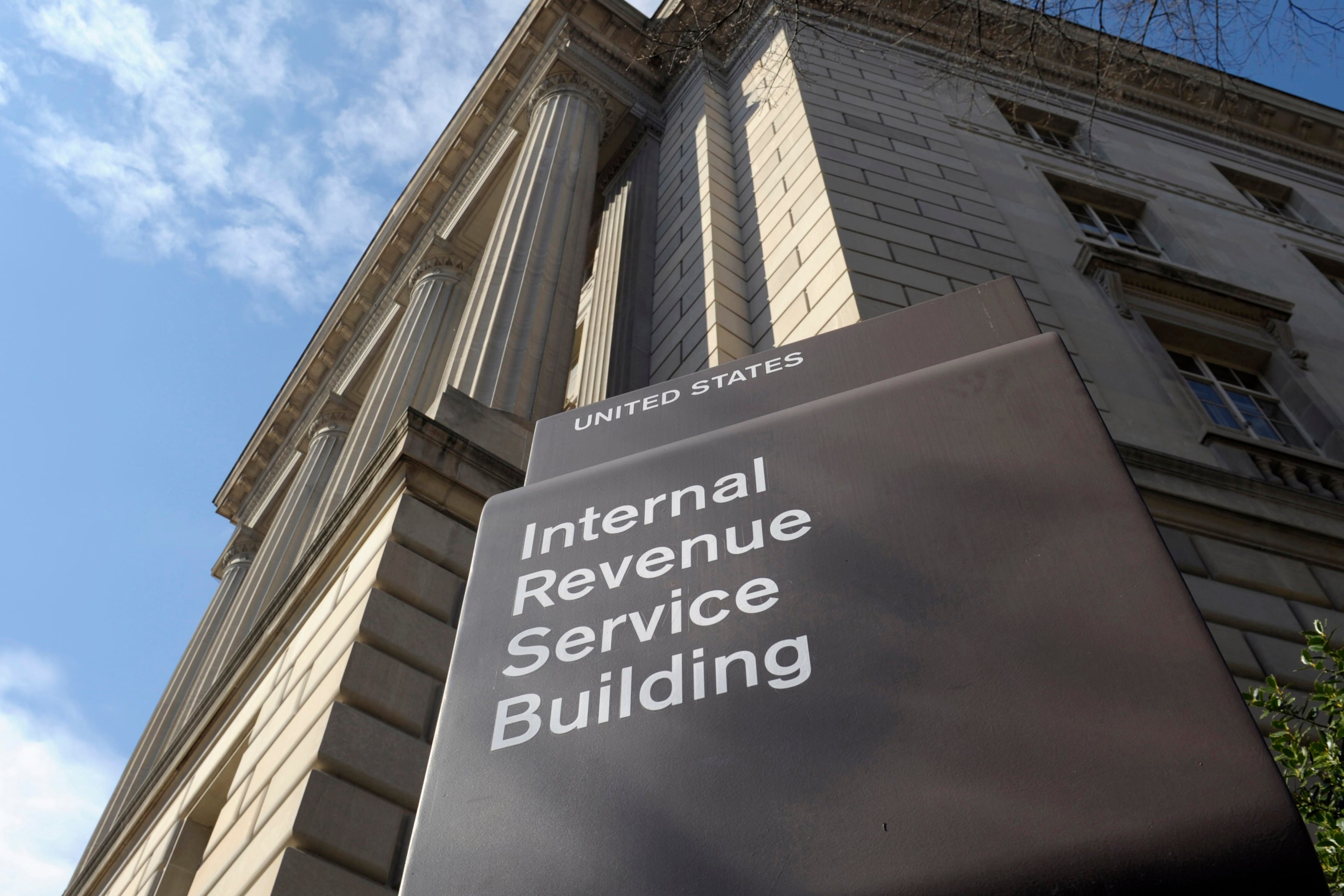
The IRS is showcasing its new capability to aggressively audit high-income tax dodgers as it makes the case for sustained funding and tries to avert budget cuts sought by Republicans who want to gut the agency.