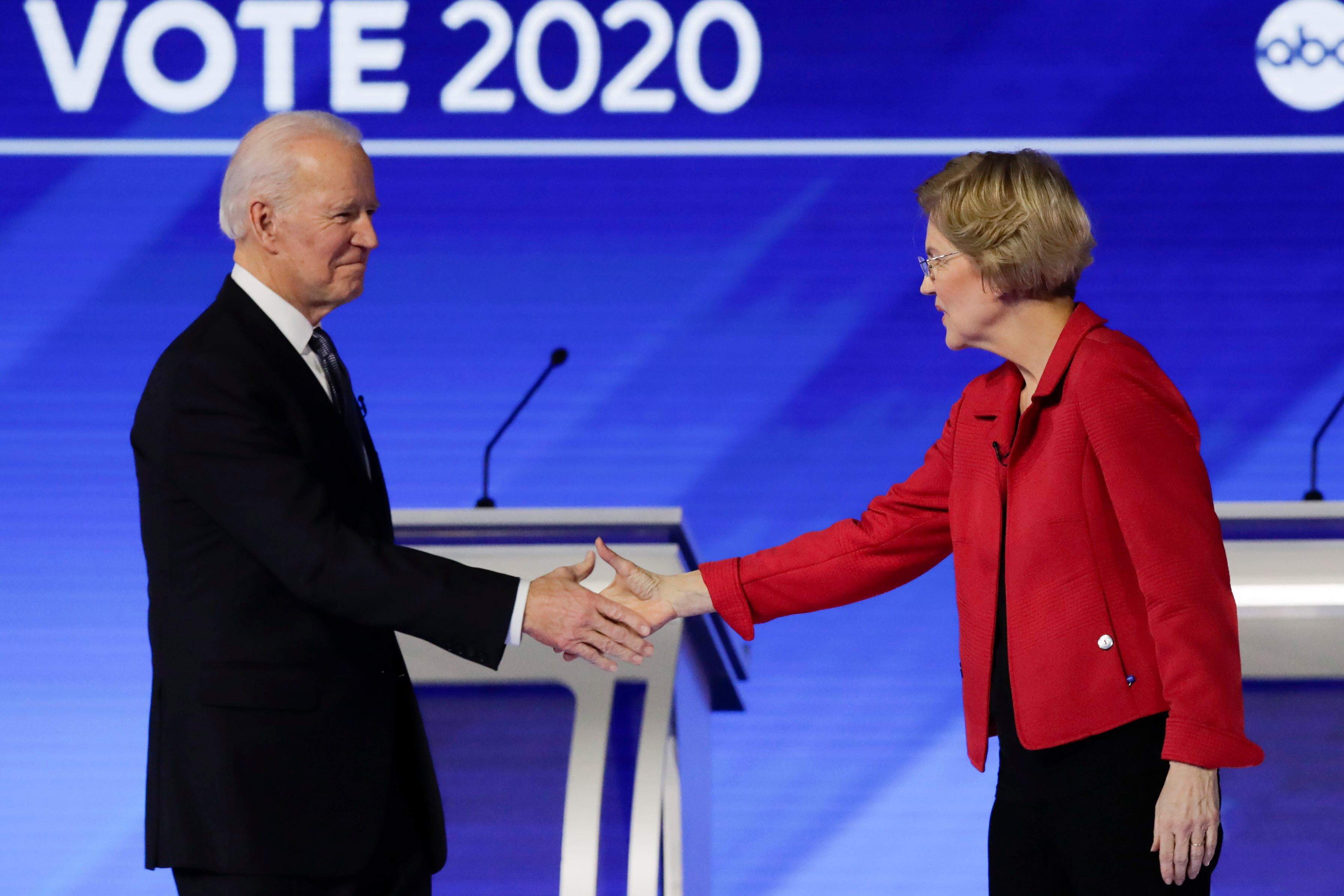
Democratic presidential candidates former Vice President Joe Biden, and Sen. Elizabeth Warren, D-Mass., shake hands on stage Friday, Feb. 7, 2020, before the start of a Democratic presidential primary debate hosted by ABC News, Apple News, and WMUR-TV at Saint Anselm College in Manchester, N.H. (AP Photo/Charles Krupa)
Elizabeth Warren endorsed Joe Biden on Wednesday, becoming the last of the former vice president's major Democratic presidential rivals to formally back him.
The Massachusetts senator dropped out of the race last month, shortly after a disappointing third-place finish in her home state. She refused to immediately endorse Biden or her fellow progressive Bernie Sanders.
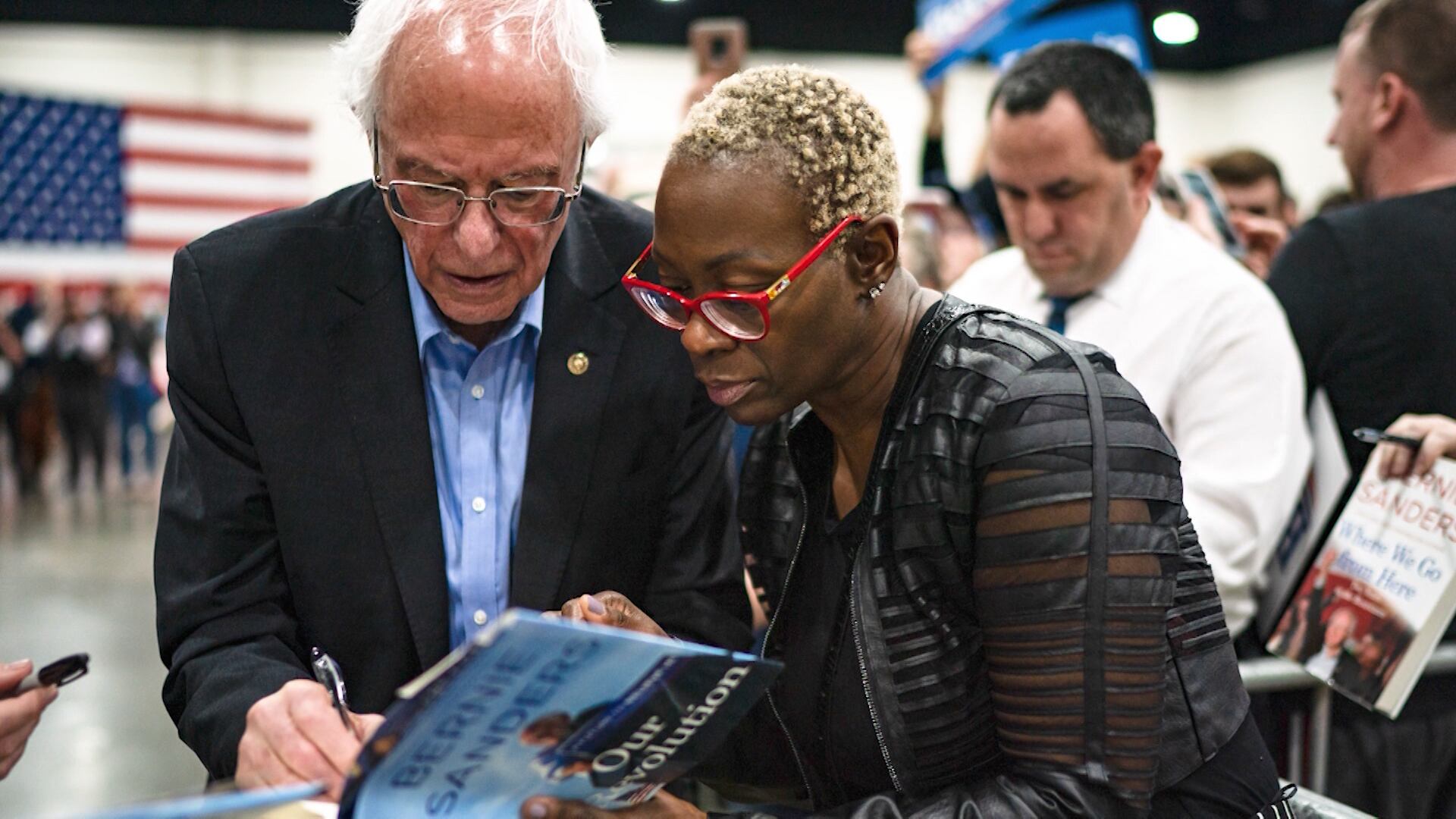
Sanders, who suspended his campaign last week, endorsed Biden on Monday, A day later, former President Barack Obama announced his public backing of Biden.
None Of The Above's J.D. Durkin pens his open letter to Gov. Asa Hutchinson (R-AR) after the governor says he regrets signing a controversial COVID-19 law.
House Democrats are dealing with one of the thinnest majorities in years. Right now it's sitting at just three seats, and a handful of appointments to cabinet positions didn't help the situation. Next week, however, Democrats in Ohio's 11th Congressional District in Cleveland will decide who will ultimately replace former Rep. Marcia Fudge after the general election in November.
John Barnes, one of the many democratic candidates in the Ohio 11 primary, joins Cheddar Politics to discuss.
As Stablecoins become more popular, U.S. regulators are planning to come up with a set of parameters these companies must abide by. Even Treasury Secretary Janet Yellen and Fed Chairman Jerome Powell say regulations are necessary before Stablecoins are widely adopted. But what's the best way to regulate them and how? Cheddar's Alex Vuocolo explains.