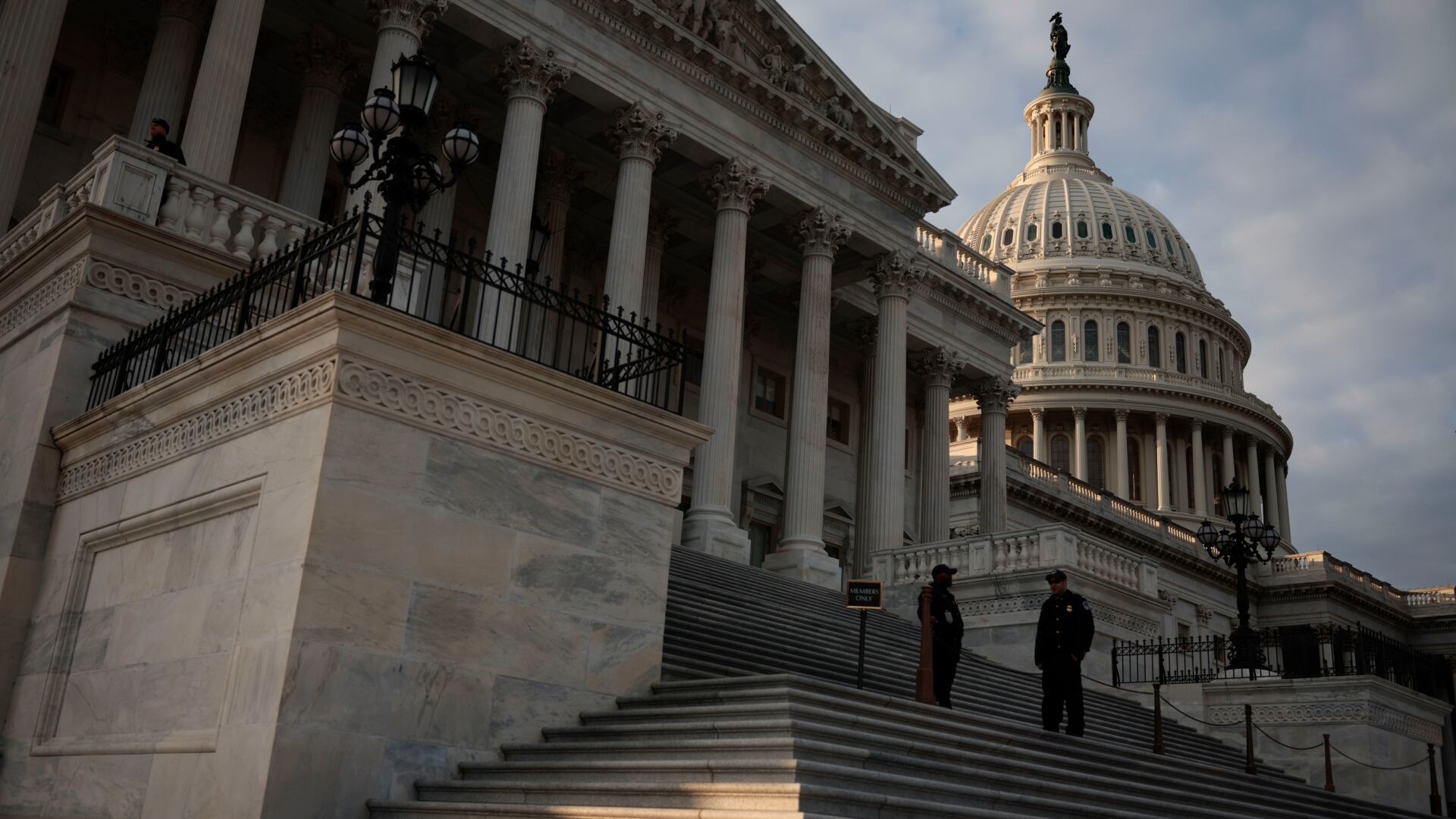
As the House prepares to vote on a resolution today that would limit the president's ability to engage with Iran under the 1973 War Powers Act, Senator Chuck Grassley (R-Iowa) said there was "plenty of precedence" to support President Trump's authorization of a drone strike on January 3 that killed top Iranian commander Gen. Qassem Soleimani.
On Wednesday, Grassley's Republican colleagues Sens. Mike Lee (R-Utah) and Rand Paul (R-Ky.) blasted the president's long-awaited and delayed briefing on the killing.
"Don't get hung up on whether or not we had a proper briefing, which I think we did have a very proper briefing," Grassley told Cheddar Thursday. "Don't get that mixed up with the legality of what happened."
Lee called the briefing, which came five days after the airstrike was carried out, "probably the worst briefing I've seen, at least on a military issue, in the nine years I've served in the United States Senate." He said senators were told they could not dissent or debate, lest division within the government sends a signal of weakness to the Iranians.
He said briefers were asked repeatedly, "What, if anything, would trigger the need for the administration to come back to Congress" for a declaration of war or authorization of military force, to which one of the briefers indicated, essentially, "I'm sure we could think of something."
Grassley said when President Barack Obama had ordered the killing of Osama bin Laden, senators were also not told of the plan prior to the move, though bin Laden was considered an enemy combatant whereas Soleimani was a member of a state government. The Trump administration has said it ordered the strike because Soleimani was "actively developing plans to attack American diplomats and service members in Iraq and throughout the region," but has continued to refrain from explaining the intelligence, despite repeated criticism from lawmakers.
In a press conference Thursday, the president focused on Soleimani's violent history, calling him a "monster" who was the "big roadside bomb guy," though Soleimani was a top official in Iran. Other targeted killings carried out by the United States, like that of Abu Bakr al-Baghdadi in October 2019, have struck at extremist leaders without state affiliations.
Many lawmakers argue the president needed Authorization for Use of Military Force (AUMF) from Congress before the strike. On Thursday, Trump seemed to offer some additional information, saying "We did this because they were looking to blow up our embassy. We also did it for reasons that were very obvious." President Trump also said he had just approved new sanctions with details forthcoming.
House Speaker Nancy Pelosi addressed the dispute over AUMF and the strike against Soleimani during her regular weekly press conference on Thursday.
"The argument would be made that, putting the shoe on the other foot, if the United States had a high-level, maybe second most important person in the country, assassinated, wherever, the U.S. might consider that an assault on our country and the Iranians might as well, even though this took place at the Iraqi airport," she said. "It's foggy."
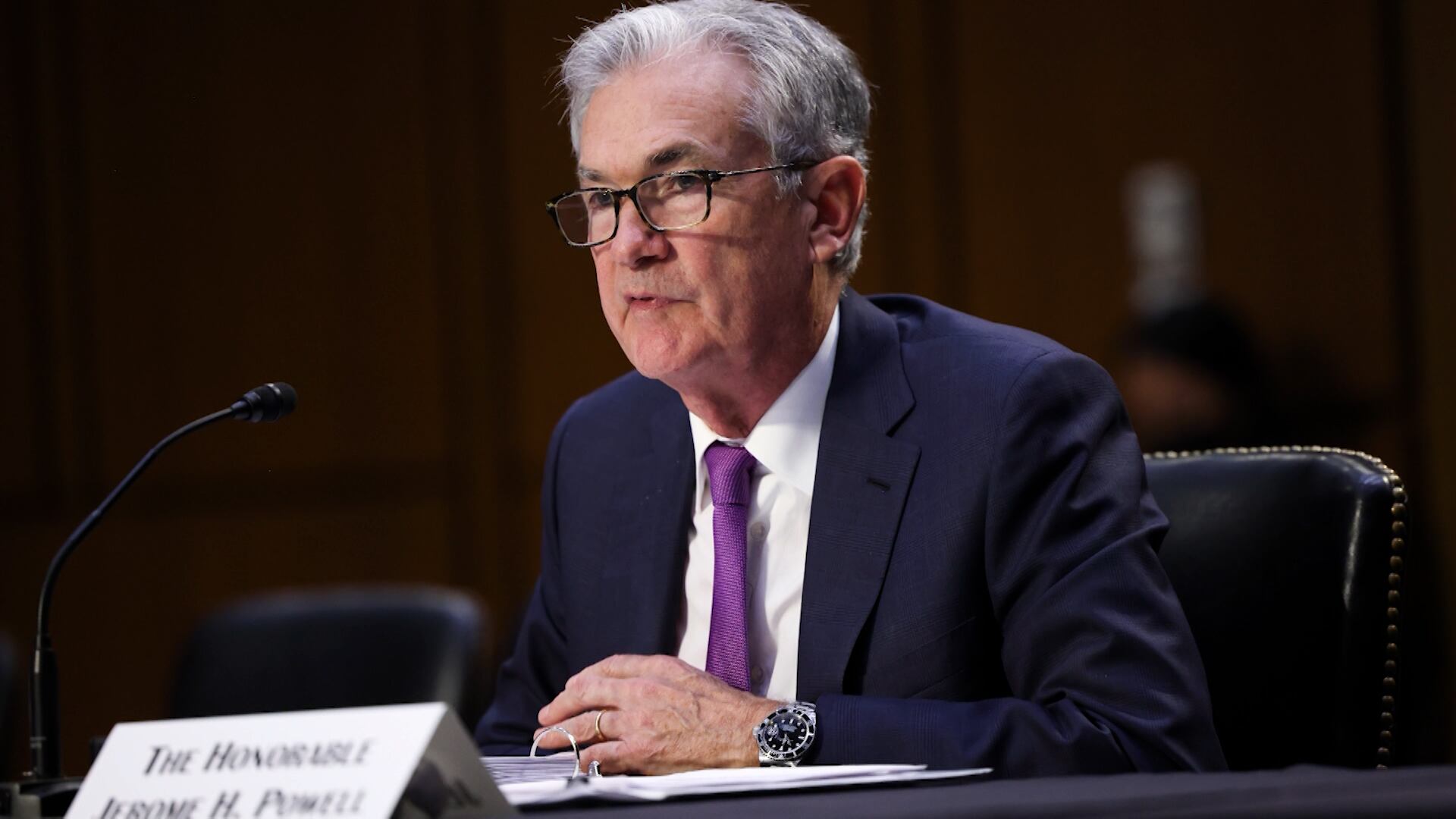
Stocks began the week closing at session lows on a day when bond yields rose and President Biden decided to stick with Jerome Powell as Fed Chair. Bryan Lee, Chief Investment Officer at Blue Zone Wealth Advisors, joins Cheddar News' Closing Bell, where he breaks down the day's activity and discusses what the Fed now needs to do going forward.
President Joe Biden announced Monday he is re-nominating Federal Reserve Chairman Jerome Powell after weeks of speculation that he would choose Democrat and Fed Governor Lael Brainard to fill the role. Biden could be looking for continuity as the U.S. continues to grapple with COVID-19 and high inflation, and investors could be on the same page: markets and treasuries ticked up after the White House made the announcement. MarketWatch Senior Reporter Greg Robb joins Cheddar News' Closing Bell to discuss Powell's re-nomination, what we can expect from the Fed's December meeting, whether it will speed up its taper timeline, and more.
President Joe Biden named Jerome Powell, initially appointed by President Trump, to keep his seat as the chair of the Federal Reserve on Monday amid the ongoing challenges of the pandemic, inflation, and unemployment. David Beckworth, a former international economist for the Treasury Department and a senior fellow with the Mercatus Center, joined Cheddar to discuss what he sees as the practicality of Biden's decision. "What Powell brings to the table is he's built up political capital with Republicans and Democrats," he said. "It's easy for him to get the job done. I think in one way he was the path of least resistance for the president."
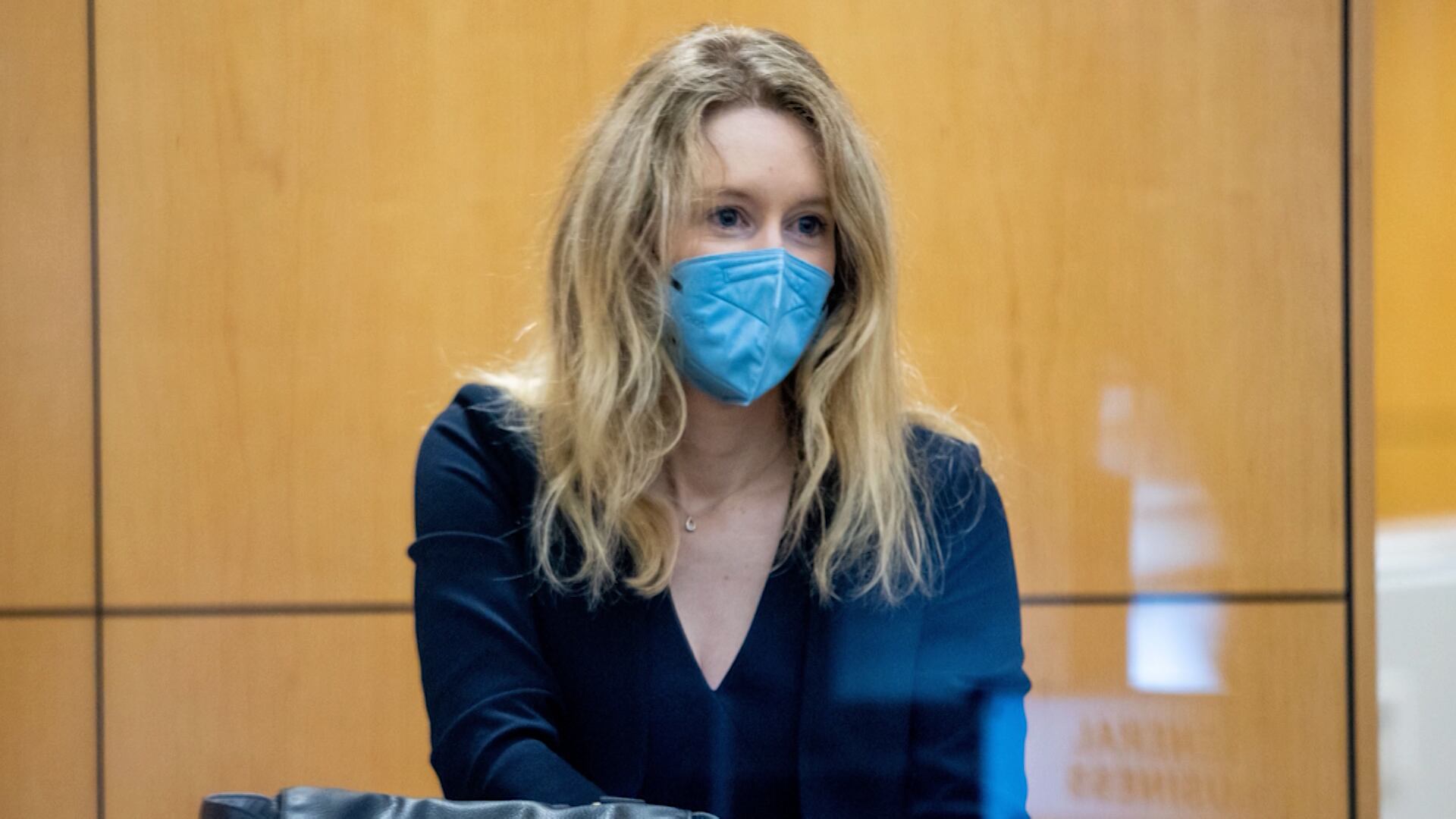
In a surprise turn of events, Elizabeth Holmes took the stand in her own defense on Friday and is expected to continue her testimony later today. Holmes, who founded a blood testing start-up Theranos back in 2003, faces 11 counts of wire fraud as well as conspiracy to commit wire fraud. Aron Solomon, Chief Legal Analyst, Esquire Digital joined Cheddar's Opening Bell to discuss.
Jill and Carlo cover the developing story out of suburban Milwaukee, where a speeding SUV careened through a Christmas parade. Looters get more brazen in San Francisco, the missing Chinese tennis star resurfaces, and more.
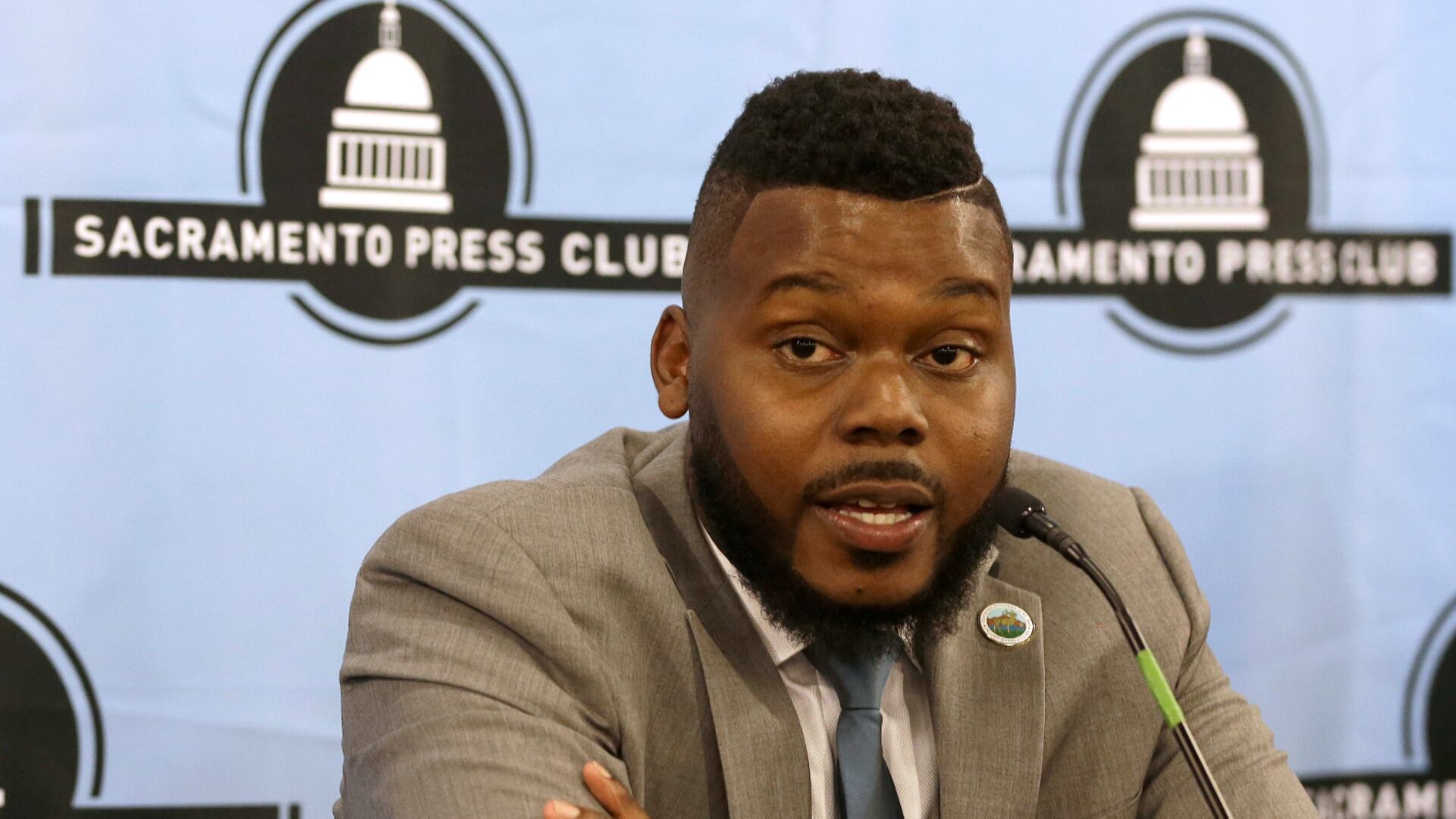
Michael Tubbs, former Mayor of Stockton, California and author of 'The Deeper the Roots,' joined Cheddar Movers to talk all about his new memoir, and his ongoing fight to make meaningful change in his community.
The House narrowly passed President Biden's $1.7 trillion Build Back Better bill, the largest expansion of the social safety net in decades. The final vote was 220 to 213, with only one Democrat joining all Republicans in opposing the bill. It now heads to the Senate, where it faces an uncertain fate. Jennifer Haberkorn, congressional reporter for the Los Angeles Times, joins Cheddar News' Closing Bell, where she breaks down the current version of the bill, where it goes next, and what it could mean for the country if it eventually reaches the president's desk.