As the House prepares to vote on a resolution today that would limit the president's ability to engage with Iran under the 1973 War Powers Act, Senator Chuck Grassley (R-Iowa) said there was "plenty of precedence" to support President Trump's authorization of a drone strike on January 3 that killed top Iranian commander Gen. Qassem Soleimani.
On Wednesday, Grassley's Republican colleagues Sens. Mike Lee (R-Utah) and Rand Paul (R-Ky.) blasted the president's long-awaited and delayed briefing on the killing.
"Don't get hung up on whether or not we had a proper briefing, which I think we did have a very proper briefing," Grassley told Cheddar Thursday. "Don't get that mixed up with the legality of what happened."
Lee called the briefing, which came five days after the airstrike was carried out, "probably the worst briefing I've seen, at least on a military issue, in the nine years I've served in the United States Senate." He said senators were told they could not dissent or debate, lest division within the government sends a signal of weakness to the Iranians.
He said briefers were asked repeatedly, "What, if anything, would trigger the need for the administration to come back to Congress" for a declaration of war or authorization of military force, to which one of the briefers indicated, essentially, "I'm sure we could think of something."
Grassley said when President Barack Obama had ordered the killing of Osama bin Laden, senators were also not told of the plan prior to the move, though bin Laden was considered an enemy combatant whereas Soleimani was a member of a state government. The Trump administration has said it ordered the strike because Soleimani was "actively developing plans to attack American diplomats and service members in Iraq and throughout the region," but has continued to refrain from explaining the intelligence, despite repeated criticism from lawmakers.
In a press conference Thursday, the president focused on Soleimani's violent history, calling him a "monster" who was the "big roadside bomb guy," though Soleimani was a top official in Iran. Other targeted killings carried out by the United States, like that of Abu Bakr al-Baghdadi in October 2019, have struck at extremist leaders without state affiliations.
Many lawmakers argue the president needed Authorization for Use of Military Force (AUMF) from Congress before the strike. On Thursday, Trump seemed to offer some additional information, saying "We did this because they were looking to blow up our embassy. We also did it for reasons that were very obvious." President Trump also said he had just approved new sanctions with details forthcoming.
House Speaker Nancy Pelosi addressed the dispute over AUMF and the strike against Soleimani during her regular weekly press conference on Thursday.
"The argument would be made that, putting the shoe on the other foot, if the United States had a high-level, maybe second most important person in the country, assassinated, wherever, the U.S. might consider that an assault on our country and the Iranians might as well, even though this took place at the Iraqi airport," she said. "It's foggy."
2021 saw markets continue to be impacted by the onslaught of the coronavirus pandemic -most recently in the form of the Omicron variant- in addition to the global supply chain shortage, and increased inflation. But it wasn't all bad news, as crypto soared throughout the year, and meme stocks continued to have a moment. With the year coming to a close, investors are keeping an eye out to see if they should expect more of the same in the new year. Chris Vecchio, Senior Analyst, at DailyFX tells us what market trends to be on the watch for in 2022.
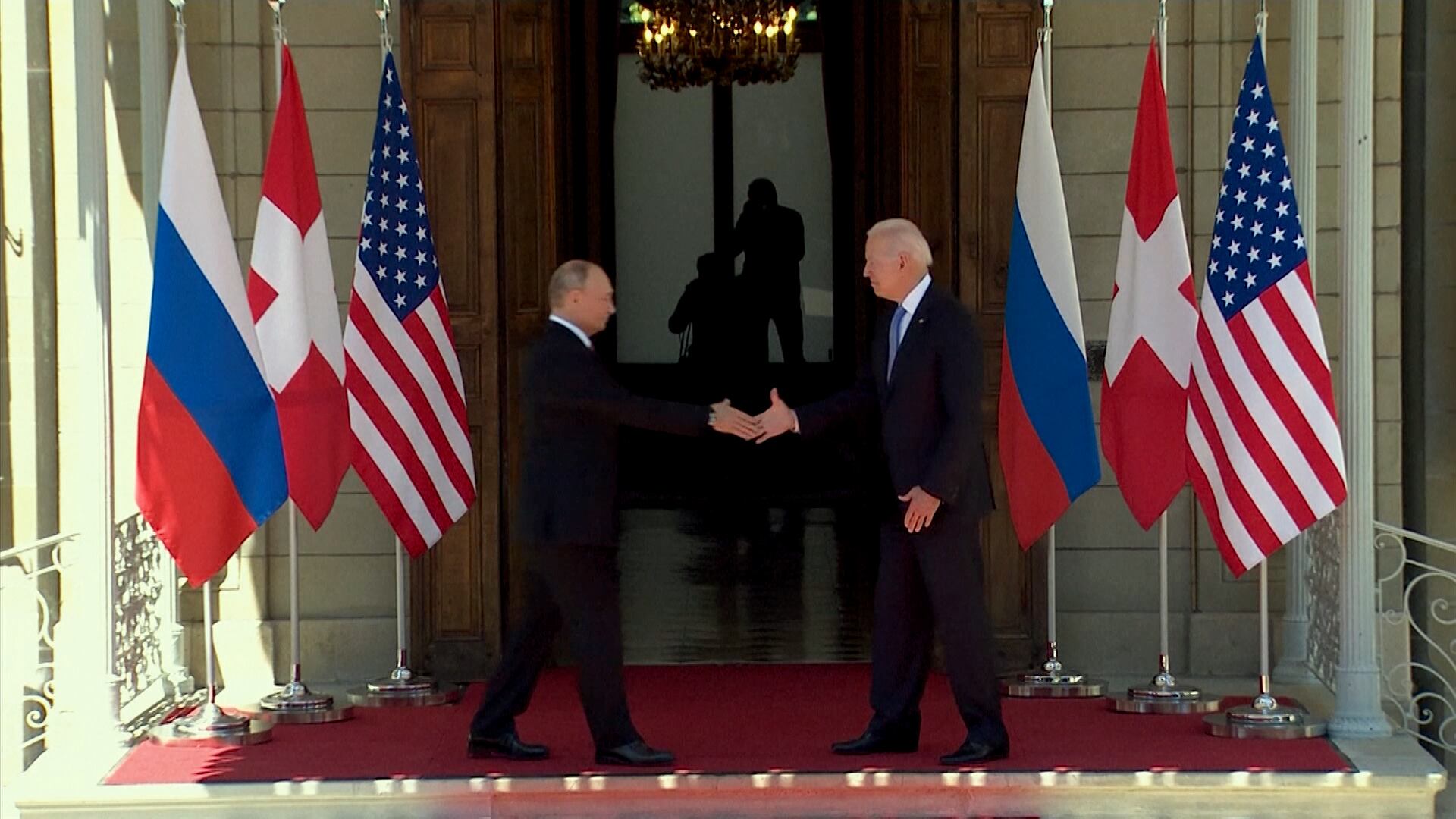
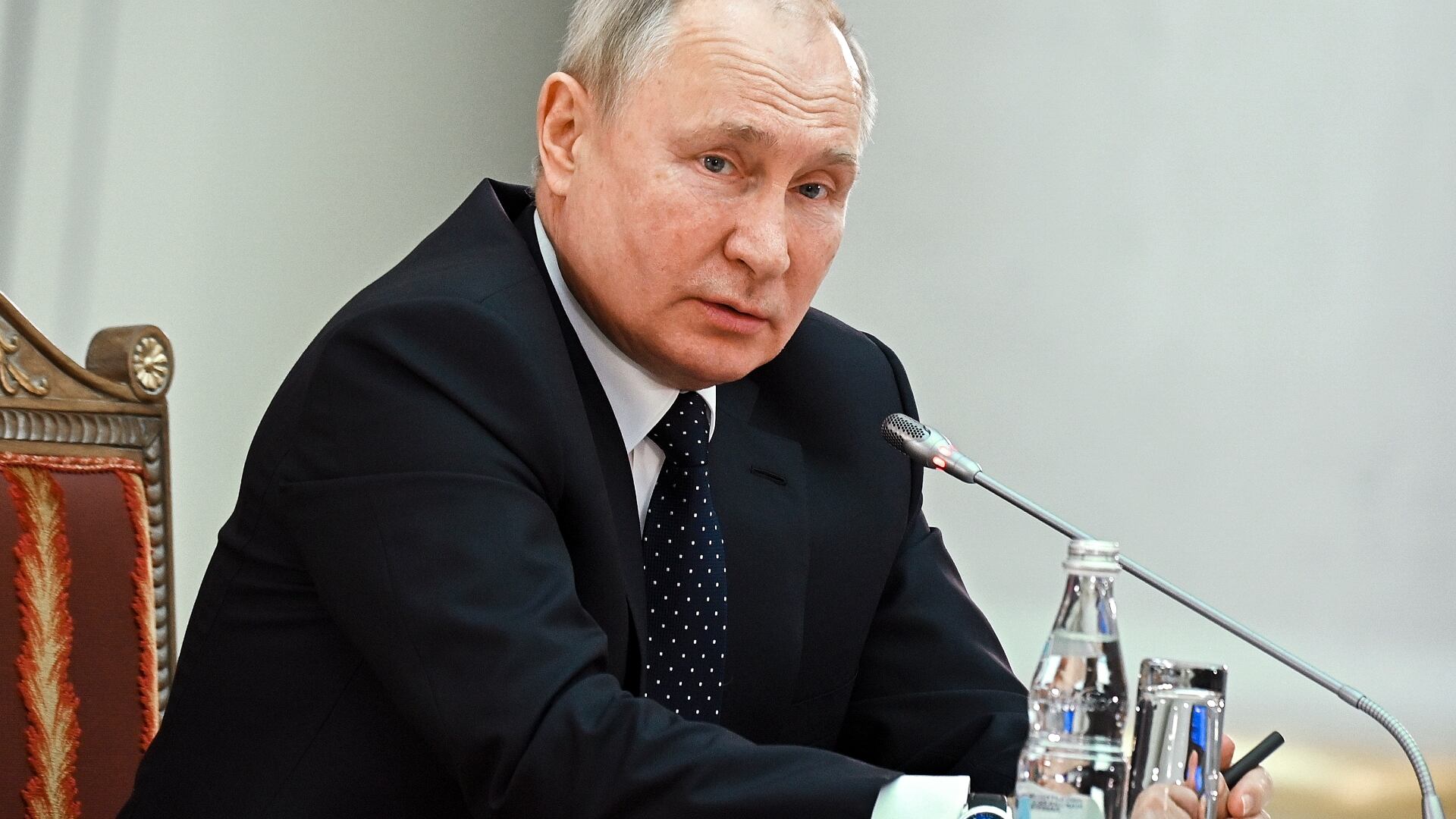
Matt Hayden, vice president of govtech solutions at Exiger and a former assistant secretary of cyber at Department of Homeland Security, joined Cheddar to discuss the surprise phone call initiated by Russian President Vladimir Putin to President Joe Biden, ahead of January security talks about the rising tensions over Ukraine. "We're hoping to hear that we're able to talk about the aggression and the leadup of the Ukrainian militarization," Hayden said. "But we're also looking to hear is how the Kremlin leveraged their talking points to try to test their negotiation stance with the United States leading into this January 10th meeting."
The No Surprises Act begins implementation on January 1, 2022. The legislation is meant to curb the practice of unexpected billing for care from providers the patient was unaware were out-of-network from their insurance. Patricia Kelmar, director of health care campaigns for U.S. PIRG joined Cheddar to describe the hundreds, sometimes thousands, of dollars charged to unsuspecting patients and how things will change under the new law. "If we are picking an in-network doctor and an in-network hospital, we should not see those added costs from anesthesiologists, radiologists, scrub-in surgeons," she said. "The other area it protects you is in air ambulances — not ground ambulances, unfortunately — but the helicopters or the airplanes you might need to transport you in an emergency situation."
President Joe Biden and Russian President Vladmir Putin are expected to have another conversation surrounding escalating tensions between Russia and Ukraine. Ariel Cohen, senior fellow at the Atlantic Council, joined Cheddar's Ken Buffa to discuss the ongoing tensions and why Putin's request for a conversation with Biden comes now. "This is very serious. This is the worst security crisis we had since the collapse of the Soviet Union," Cohen told Cheddar.
Stocks closed mixed on Wednesday, but two indexes - the Dow and the S&P 500 - ended the session with a new record. Akshata Bailkeri, Equity Analyst at Bruderman Asset Management, joins Cheddar News' Closing Bell, where she says there is a consensus for robust consumer spreading in 2022, especially as the Omicron variant is proving to be milder than other COVID-19 strains.