As the House prepares to vote on a resolution today that would limit the president's ability to engage with Iran under the 1973 War Powers Act, Senator Chuck Grassley (R-Iowa) said there was "plenty of precedence" to support President Trump's authorization of a drone strike on January 3 that killed top Iranian commander Gen. Qassem Soleimani.
On Wednesday, Grassley's Republican colleagues Sens. Mike Lee (R-Utah) and Rand Paul (R-Ky.) blasted the president's long-awaited and delayed briefing on the killing.
"Don't get hung up on whether or not we had a proper briefing, which I think we did have a very proper briefing," Grassley told Cheddar Thursday. "Don't get that mixed up with the legality of what happened."
Lee called the briefing, which came five days after the airstrike was carried out, "probably the worst briefing I've seen, at least on a military issue, in the nine years I've served in the United States Senate." He said senators were told they could not dissent or debate, lest division within the government sends a signal of weakness to the Iranians.
He said briefers were asked repeatedly, "What, if anything, would trigger the need for the administration to come back to Congress" for a declaration of war or authorization of military force, to which one of the briefers indicated, essentially, "I'm sure we could think of something."
Grassley said when President Barack Obama had ordered the killing of Osama bin Laden, senators were also not told of the plan prior to the move, though bin Laden was considered an enemy combatant whereas Soleimani was a member of a state government. The Trump administration has said it ordered the strike because Soleimani was "actively developing plans to attack American diplomats and service members in Iraq and throughout the region," but has continued to refrain from explaining the intelligence, despite repeated criticism from lawmakers.
In a press conference Thursday, the president focused on Soleimani's violent history, calling him a "monster" who was the "big roadside bomb guy," though Soleimani was a top official in Iran. Other targeted killings carried out by the United States, like that of Abu Bakr al-Baghdadi in October 2019, have struck at extremist leaders without state affiliations.
Many lawmakers argue the president needed Authorization for Use of Military Force (AUMF) from Congress before the strike. On Thursday, Trump seemed to offer some additional information, saying "We did this because they were looking to blow up our embassy. We also did it for reasons that were very obvious." President Trump also said he had just approved new sanctions with details forthcoming.
House Speaker Nancy Pelosi addressed the dispute over AUMF and the strike against Soleimani during her regular weekly press conference on Thursday.
"The argument would be made that, putting the shoe on the other foot, if the United States had a high-level, maybe second most important person in the country, assassinated, wherever, the U.S. might consider that an assault on our country and the Iranians might as well, even though this took place at the Iraqi airport," she said. "It's foggy."
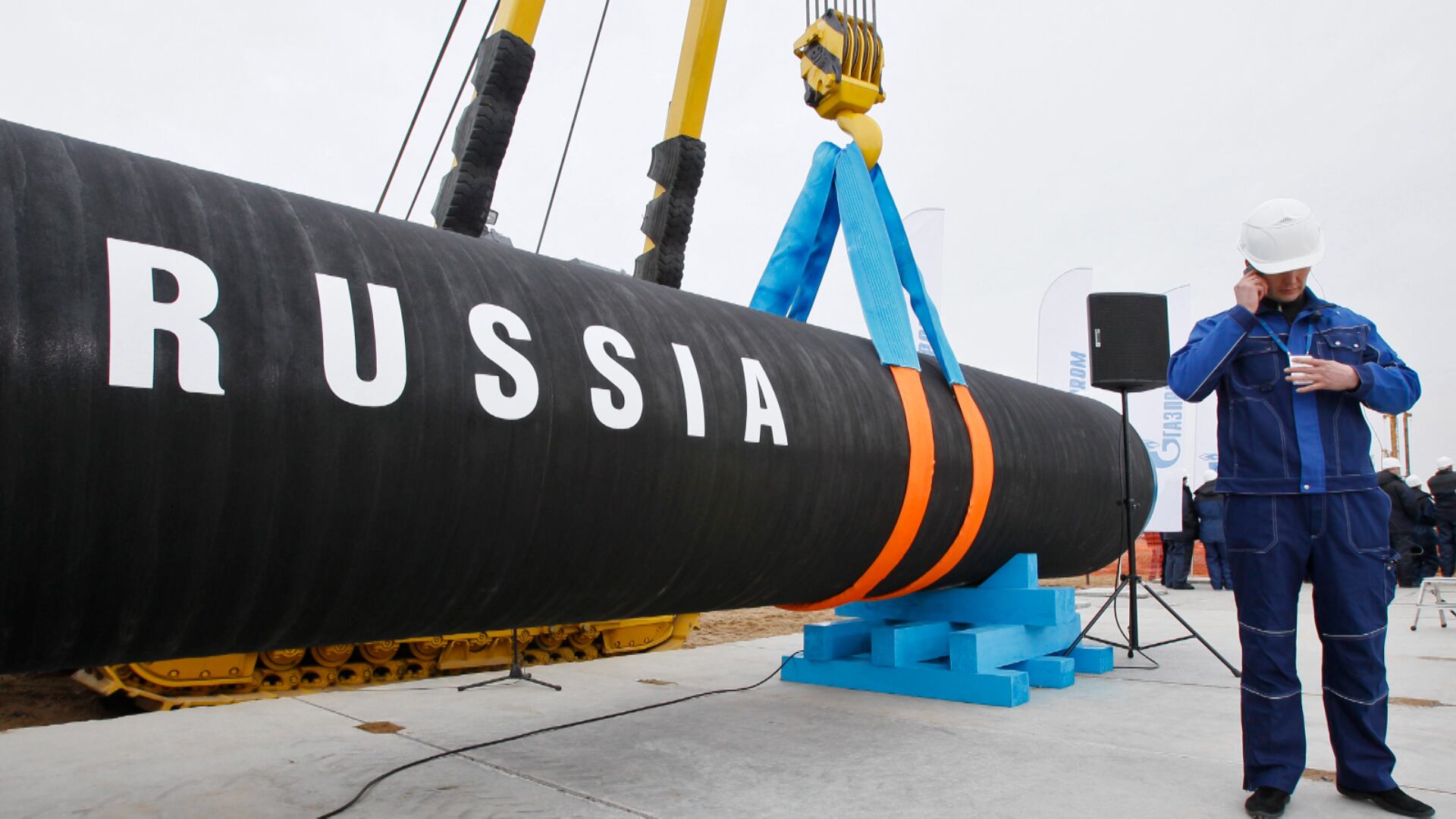
Anu Gaggar, global investment strategist for Commonwealth Financial Network, joined Cheddar News to discuss how global supply chains could be disrupted even further by an armed conflict in Ukraine.
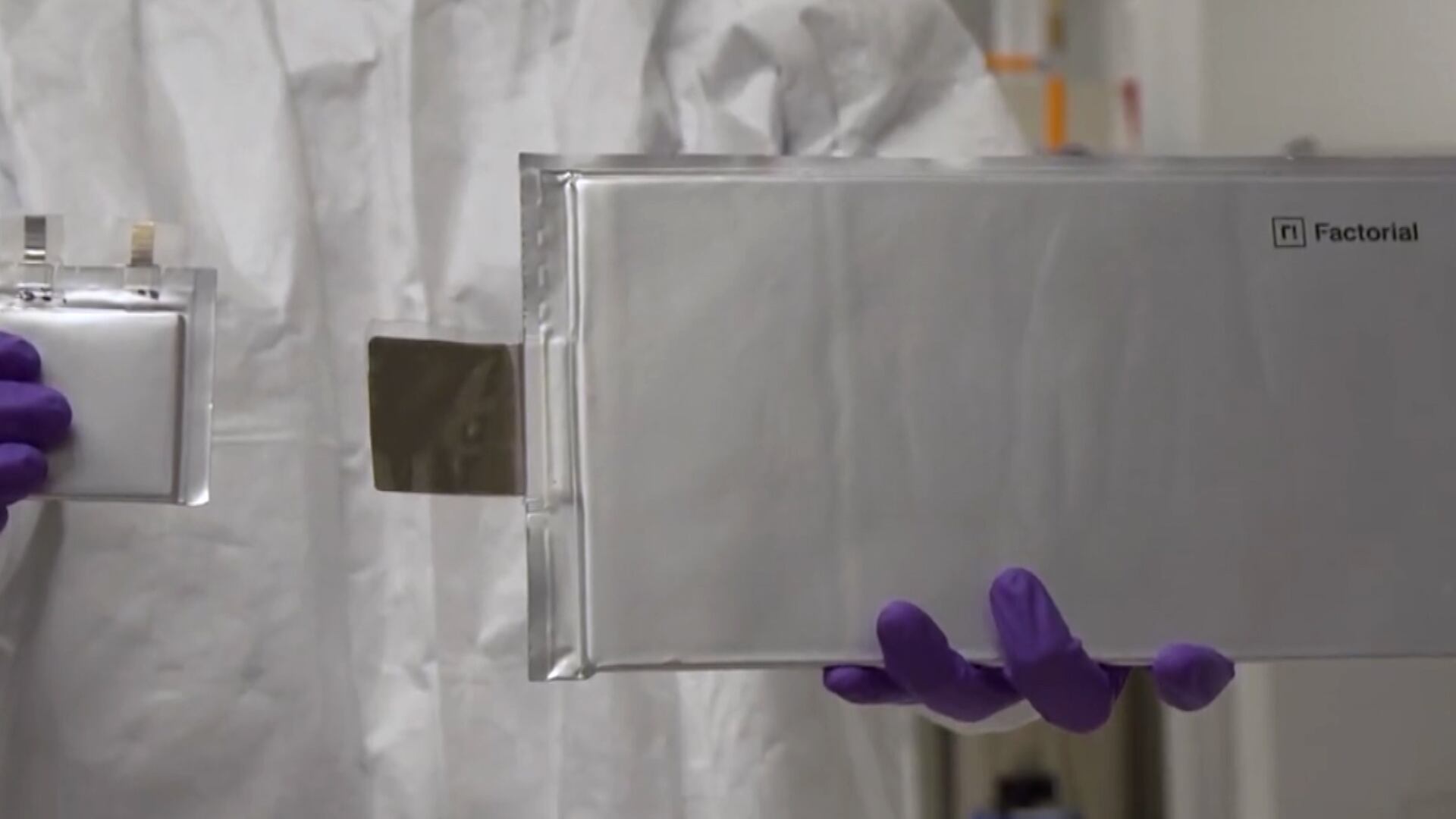
Solid-state battery maker Factorial Energy recently raised $200 million in a Series D round led by Mercedes-Benz and Stellantis. Factorial says the funding will be used to accelerate commercial production and deployment of its solid-state battery technology, which the company says is safer, and offers up to 50% more driving range than current lithium-ion technology. Factorial also has joint development agreements (announced in late 2021) with Mercedes-Benz, Stellantis, and Hyundai, three of the top 10 global automotive manufacturers, to commercialize its batteries. Factorial CEO Siyu Huang joined Cheddar News' Closing Bell to discuss.
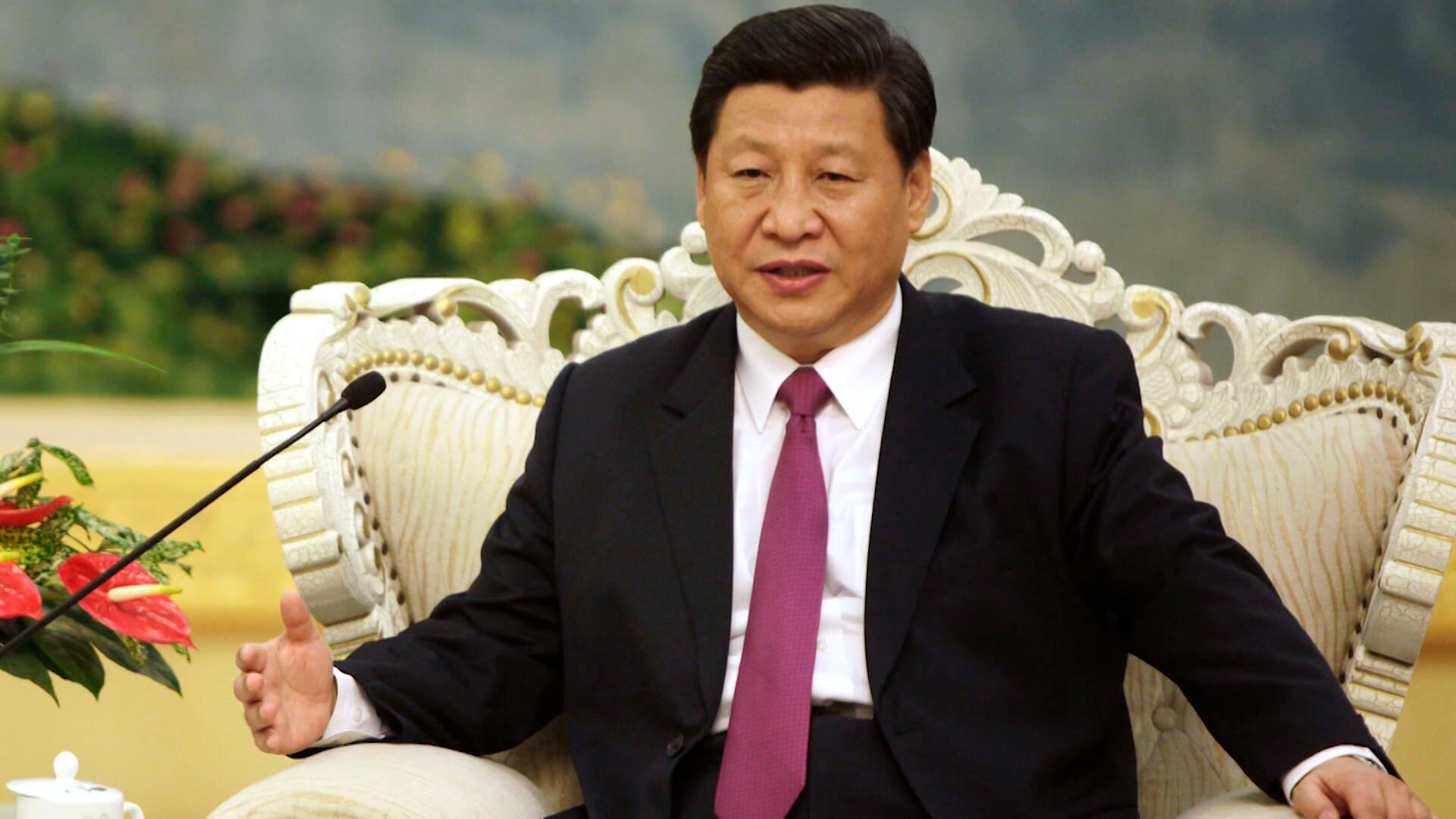
A new report by the Foreign Correspondents Club of China warns that press freedom in the most populous country in the world is declining at an alarming speed. Cheddar News speaks with Steven Butler, Asia Program Coordinator at the Committee to Protect Journalists, about the hardships journalists face in China.
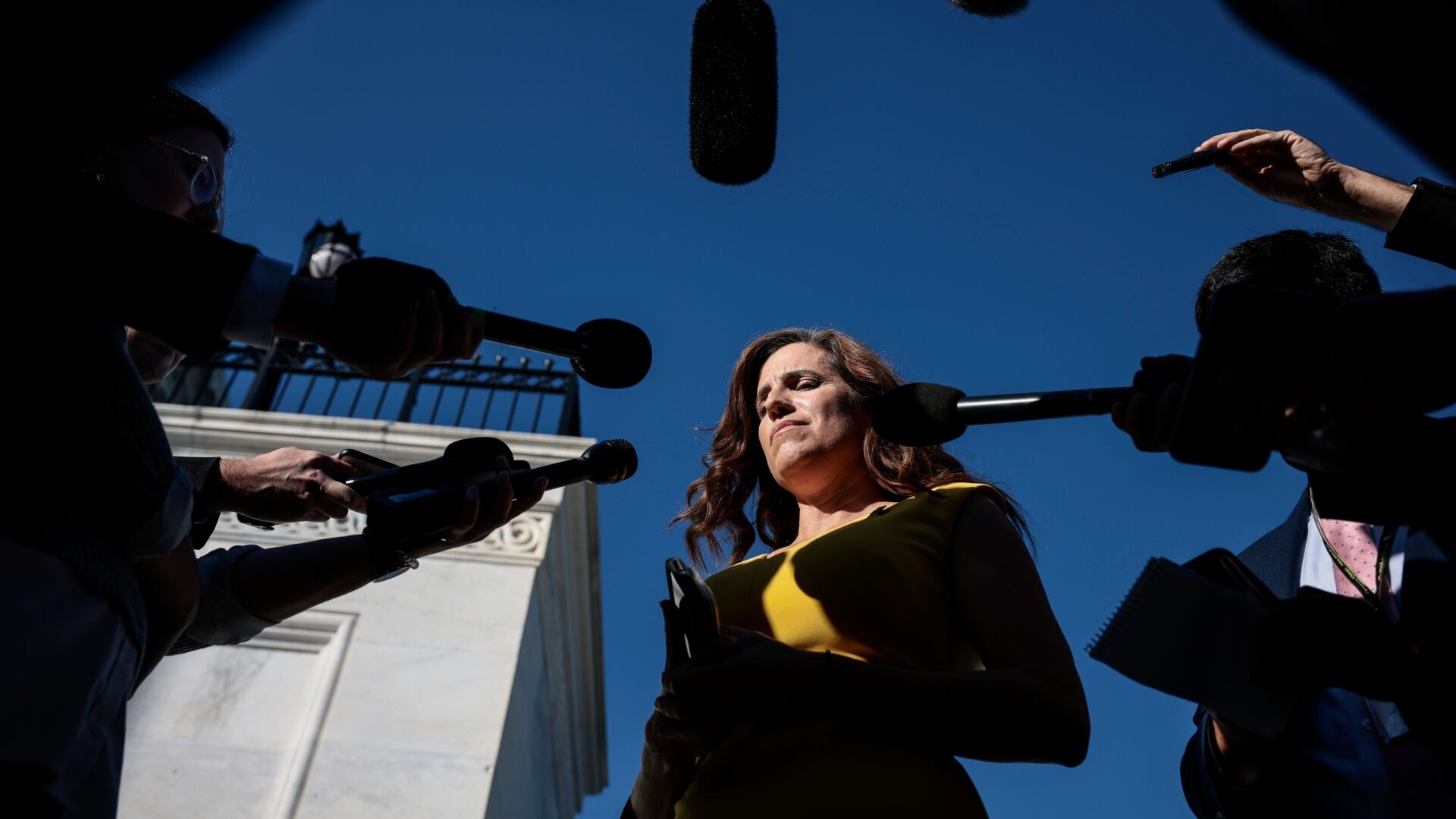
Rep. Nancy Mace (R-S.C. 1st District) joined Cheddar to discuss her cannabis legalization bill, the States Reform Act, and the prospects for gaining bipartisan support for a bill that has garnered the endorsement of e-commerce giant Amazon. This legislation is supported by businesses large and small, Amazon obviously being the most recent and largest business to support it," Mace said. "They don't want to sell pot. But what it does do is it affects their working employment pool." She stated that 10 percent of eligible new hires for Amazon are affected by restrictive marijuana laws. The representative also explained that the bill leaves equity provisions up to the states rather than mandating them on a federal level.
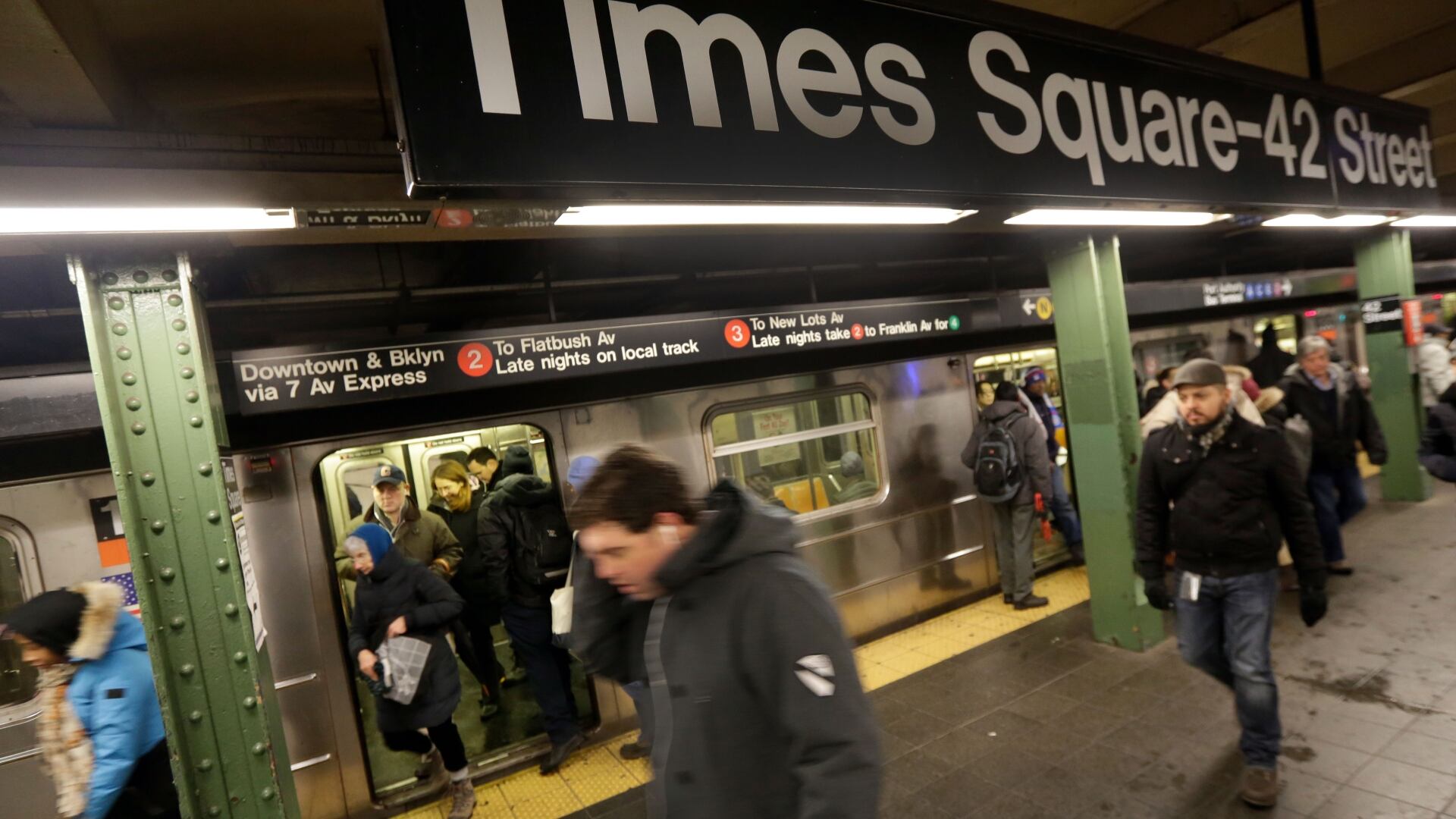
After a number of tragic subway incidents, the MTA is facing increased pressure to install subway platform screens to help prevent injury or death. However, according to an earlier report from the MTA, installing these prevented measures isn't feasible. New York City Council Member Keith Powers, joined Cheddar to discuss more.
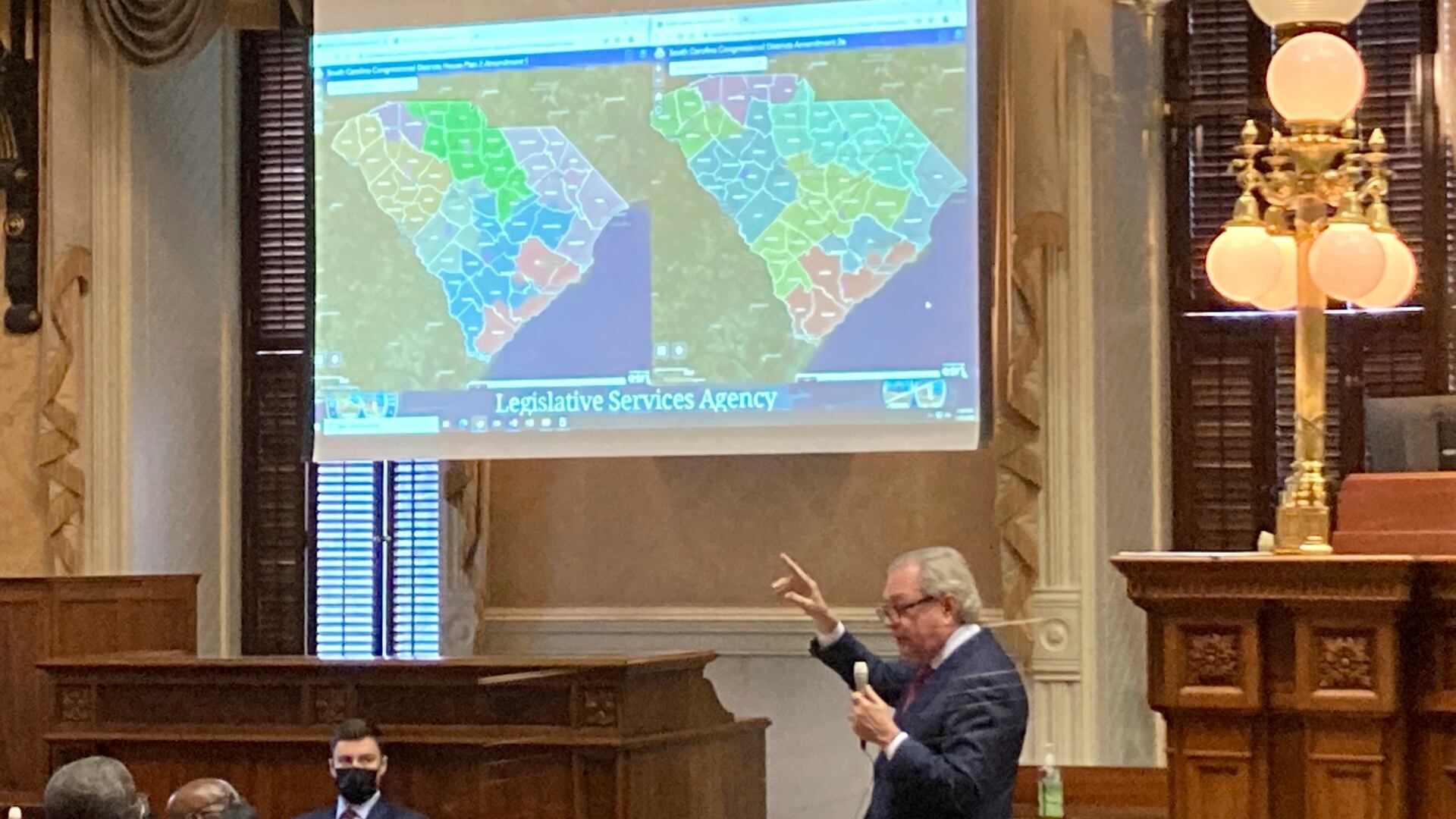
Across the country, states are working to redraw their congressional lines in what is often known as gerrymandering. These news lines are expected to determine the balance of power between Democrats and Republicans within the next decade. Senior Counsel for the Brennan Center's Democracy Program, Michael Li, joined Cheddar to discuss more.
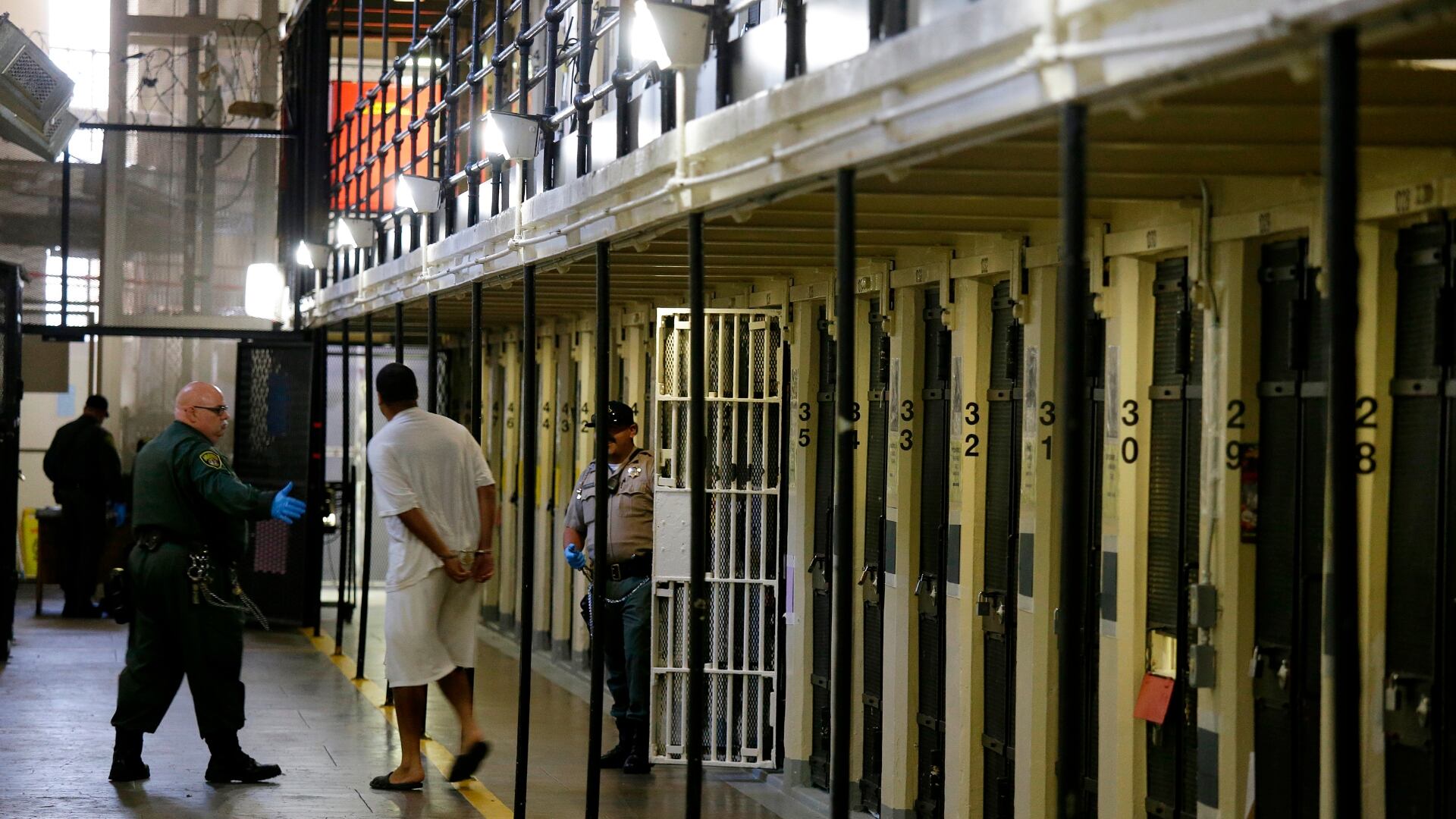
The state of California is officially planning to close its death row in the next two years. That state's governor Democrat Gavin Newsom says the plan is now to move all condemned inmates to other prisons and turn it into, as he calls it, a positive healing environment. Former U. S. Assistant Attorney and Legal Analyst, David Katz, joined Cheddar to discuss more.
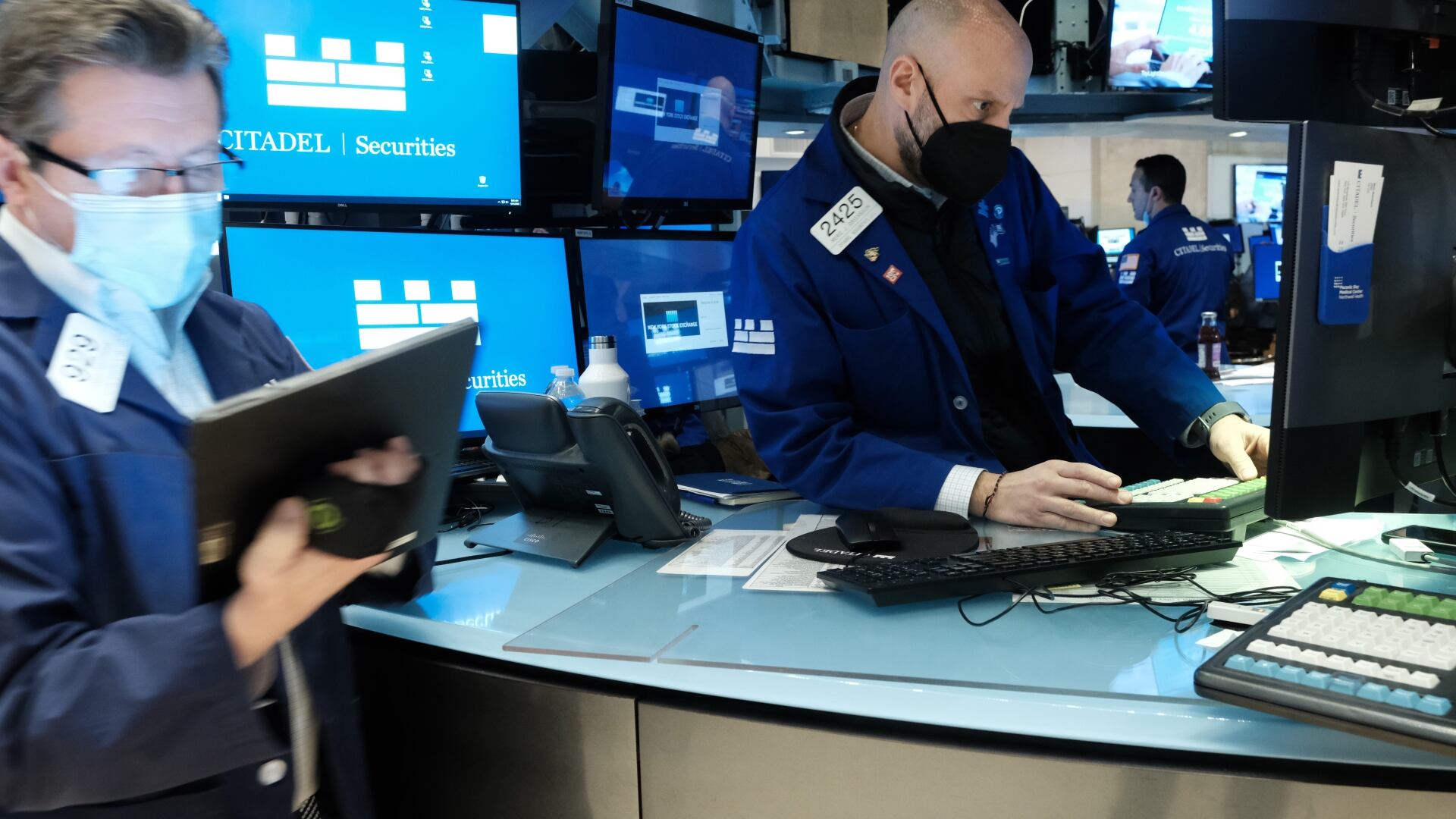
Anthony Saccaro, Founder and President of Providence Financial, joins Cheddar News' Closing Bell, where he elaborates on why he is excited that the market is beginning to rebound and believes February has the potential to be a good month after a turbulent January.
Cryptocurrency is expected to become a part of our daily lives — but what sort of environmental impact does it have? As the U.S. becomes the crypto mining capital of the world, climate advocates are worried about mining companies reopening old coal plants, using massive amounts of energy, wasteful hardware, and more. Congressional Democrats led by Senator Elizabeth Warren are demanding answers from mining firms about their electricity use and waste levels. John Belizaire, CEO of Soluna Computing, joins Cheddar Climate to discuss the congressional letters, how crypto mining can become a green industry, and more.