As the House prepares to vote on a resolution today that would limit the president's ability to engage with Iran under the 1973 War Powers Act, Senator Chuck Grassley (R-Iowa) said there was "plenty of precedence" to support President Trump's authorization of a drone strike on January 3 that killed top Iranian commander Gen. Qassem Soleimani.
On Wednesday, Grassley's Republican colleagues Sens. Mike Lee (R-Utah) and Rand Paul (R-Ky.) blasted the president's long-awaited and delayed briefing on the killing.
"Don't get hung up on whether or not we had a proper briefing, which I think we did have a very proper briefing," Grassley told Cheddar Thursday. "Don't get that mixed up with the legality of what happened."
Lee called the briefing, which came five days after the airstrike was carried out, "probably the worst briefing I've seen, at least on a military issue, in the nine years I've served in the United States Senate." He said senators were told they could not dissent or debate, lest division within the government sends a signal of weakness to the Iranians.
He said briefers were asked repeatedly, "What, if anything, would trigger the need for the administration to come back to Congress" for a declaration of war or authorization of military force, to which one of the briefers indicated, essentially, "I'm sure we could think of something."
Grassley said when President Barack Obama had ordered the killing of Osama bin Laden, senators were also not told of the plan prior to the move, though bin Laden was considered an enemy combatant whereas Soleimani was a member of a state government. The Trump administration has said it ordered the strike because Soleimani was "actively developing plans to attack American diplomats and service members in Iraq and throughout the region," but has continued to refrain from explaining the intelligence, despite repeated criticism from lawmakers.
In a press conference Thursday, the president focused on Soleimani's violent history, calling him a "monster" who was the "big roadside bomb guy," though Soleimani was a top official in Iran. Other targeted killings carried out by the United States, like that of Abu Bakr al-Baghdadi in October 2019, have struck at extremist leaders without state affiliations.
Many lawmakers argue the president needed Authorization for Use of Military Force (AUMF) from Congress before the strike. On Thursday, Trump seemed to offer some additional information, saying "We did this because they were looking to blow up our embassy. We also did it for reasons that were very obvious." President Trump also said he had just approved new sanctions with details forthcoming.
House Speaker Nancy Pelosi addressed the dispute over AUMF and the strike against Soleimani during her regular weekly press conference on Thursday.
"The argument would be made that, putting the shoe on the other foot, if the United States had a high-level, maybe second most important person in the country, assassinated, wherever, the U.S. might consider that an assault on our country and the Iranians might as well, even though this took place at the Iraqi airport," she said. "It's foggy."
David Tafuri, Former Obama Campaign Foreign Policy Advisor & Former State Department Official, joined Cheddar News to break down the latest geopolitical stories from Beijing, amid China's human rights abuses against Uyghur Muslims and yet another Russian doping scandal.
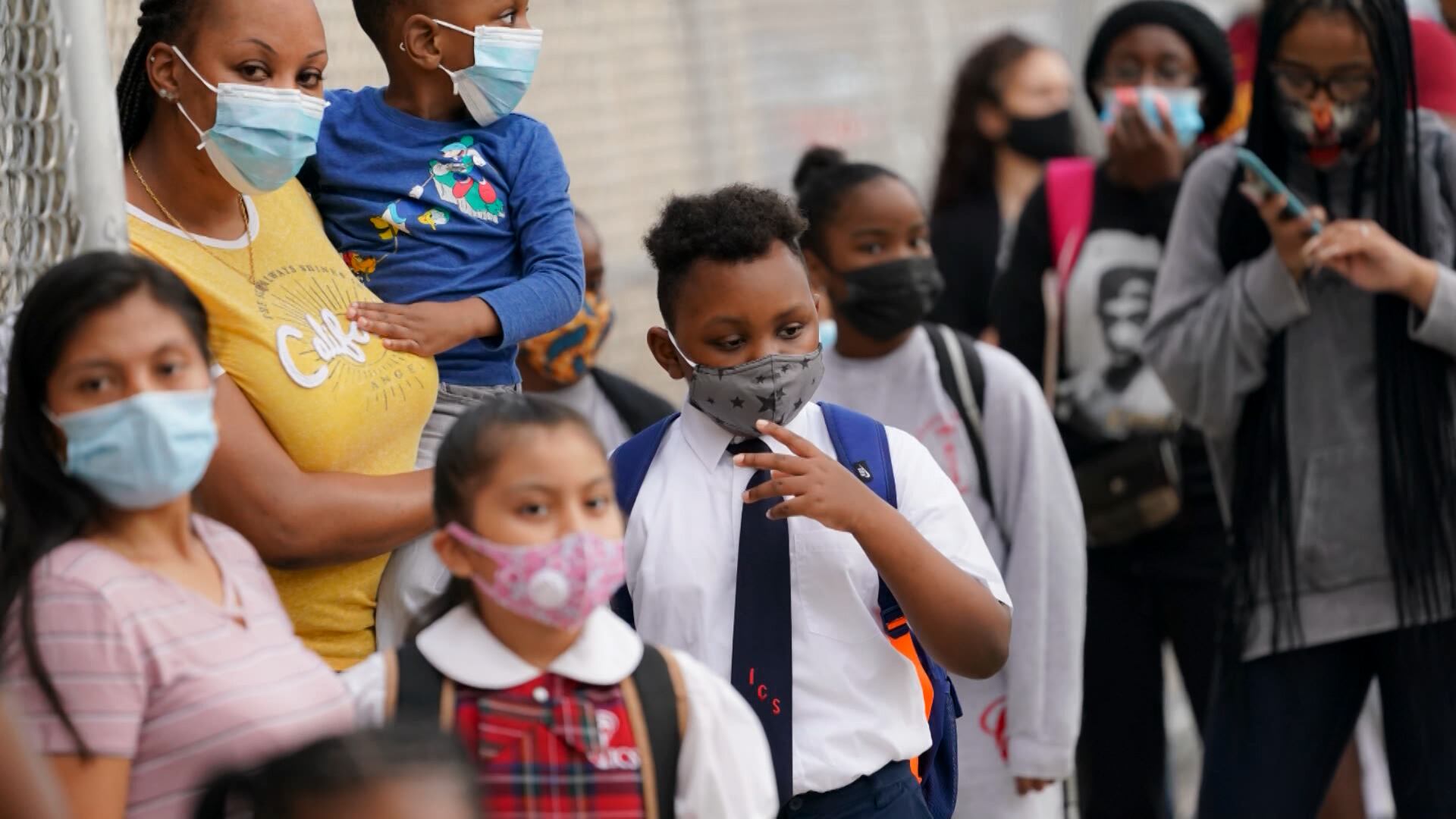
Dr. Jennifer Haythe of Columbia University's Irving Medical Center, joined Wake Up With Cheddar to discuss the latest with the pandemic, as the debate over child safety rages amid low vaccination rates and states easing school mask mandates.
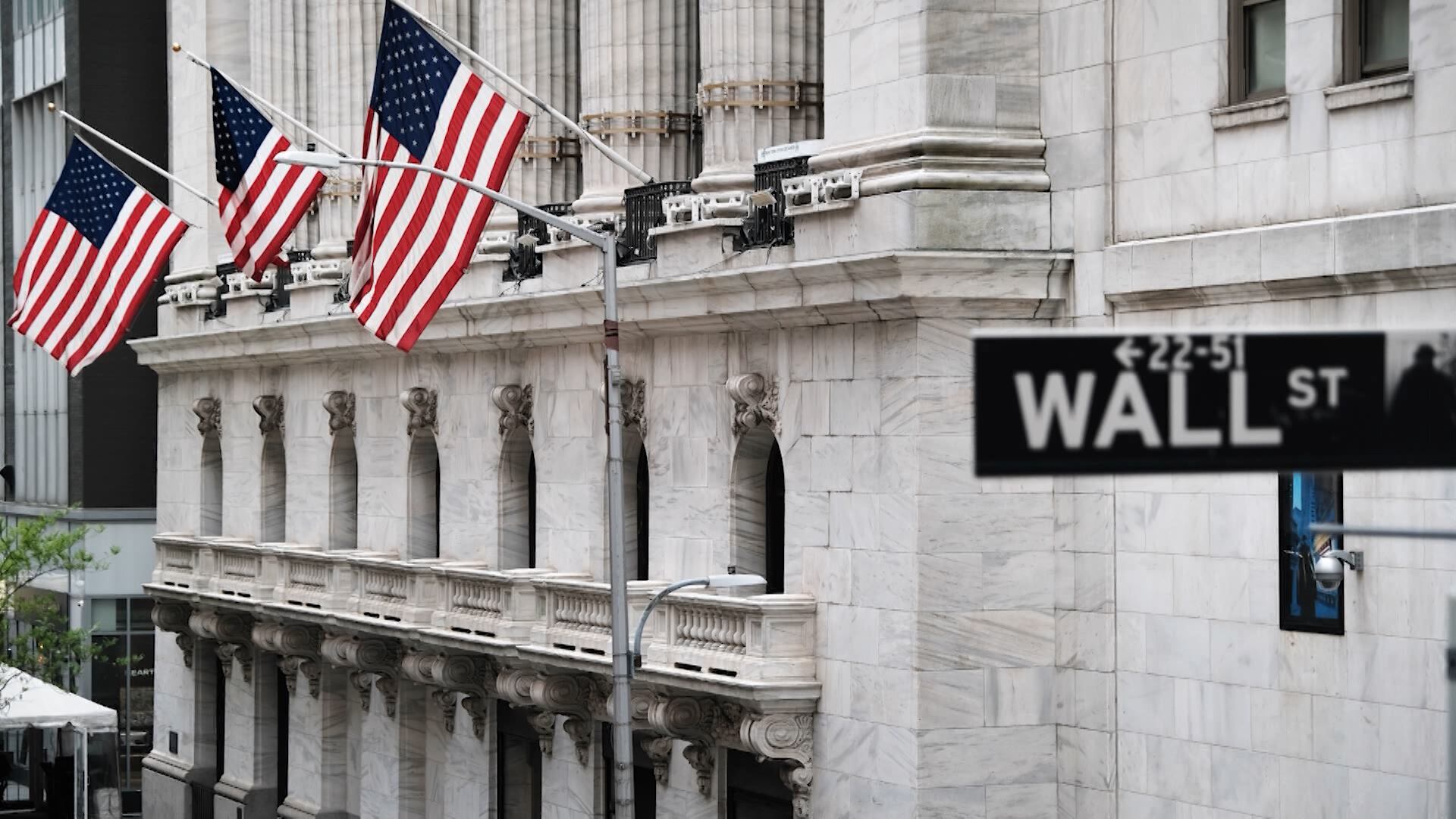
David Nelson, Chief Strategist at Belpointe, joins Cheddar News' Closing Bell, where he says that Wednesday's market movement shows a rotation back into the industries that were hit hard in January, but says his eyes are firmly fixed on the January CPI data set to be released Thursday.
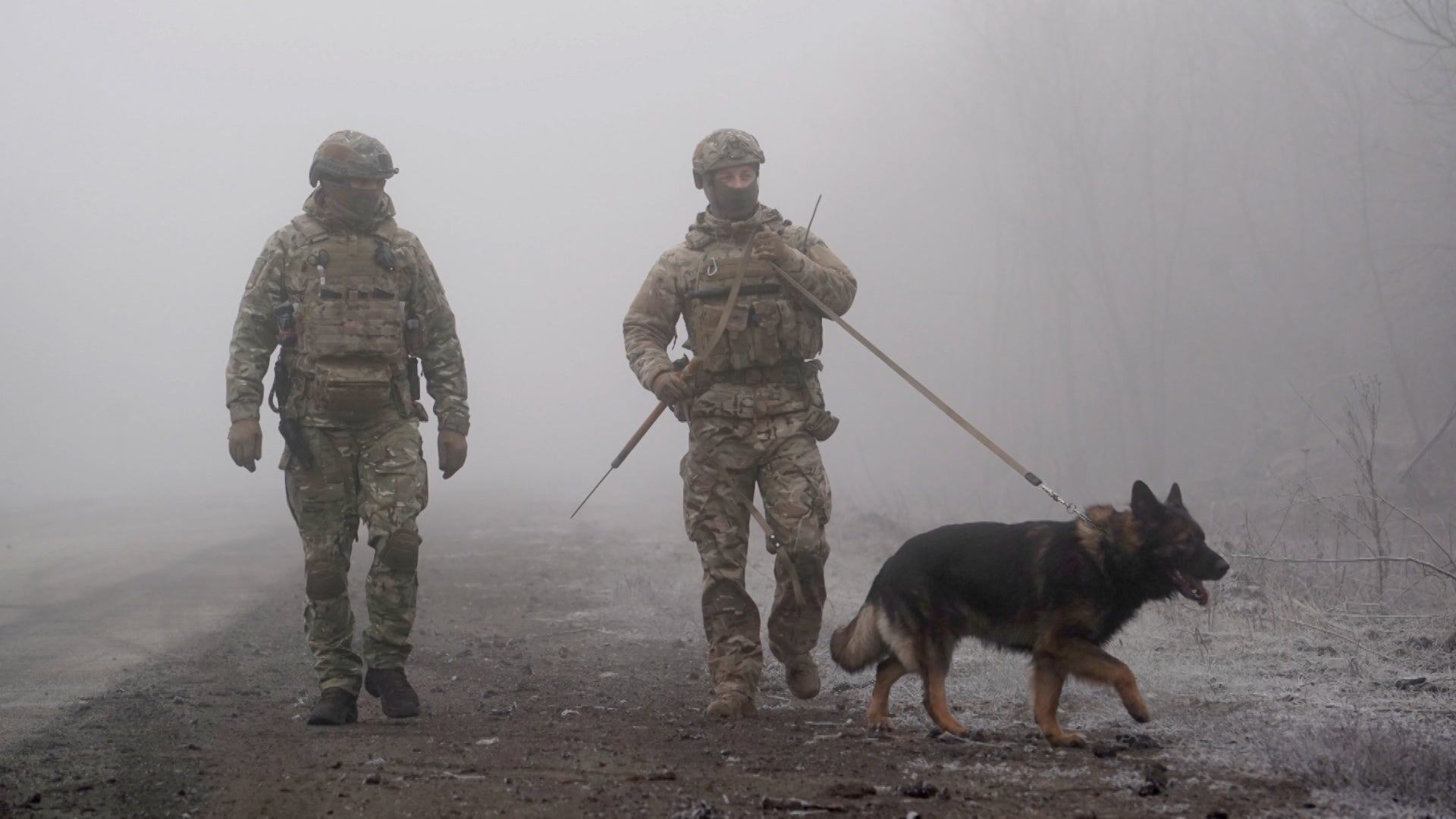
Russia is preparing alongside Belarus for reportedly one of the largest joint military exercises ever held. Some analysts are concerned this could be a disguise for a real attack, while the Kremlin contends that the exercise is meant to confront potential "unprecedented security threats." Christian Whiton, a former State Department senior advisor, joined Cheddar News to break down the still tense situation. "While it could of course be a prelude to invasion, it seems like the Biden administration is signaling that if you look at Europeans, the Germans and Macron … who just met with Putin, they seem to be thinking that maybe this is a show of force by Russia intended at political intimidation, not actual invasion," said Whiton.
Truckers in Canada have blockaded the Ambassador Bridge, the busiest border crossing between Canada and the U.S. protesting a COVID-19 vaccine mandate. Cheddar News spoke with Samir Kapadia, head of trade practice at the Vogal Group, about how this impacts trade between the two countries.
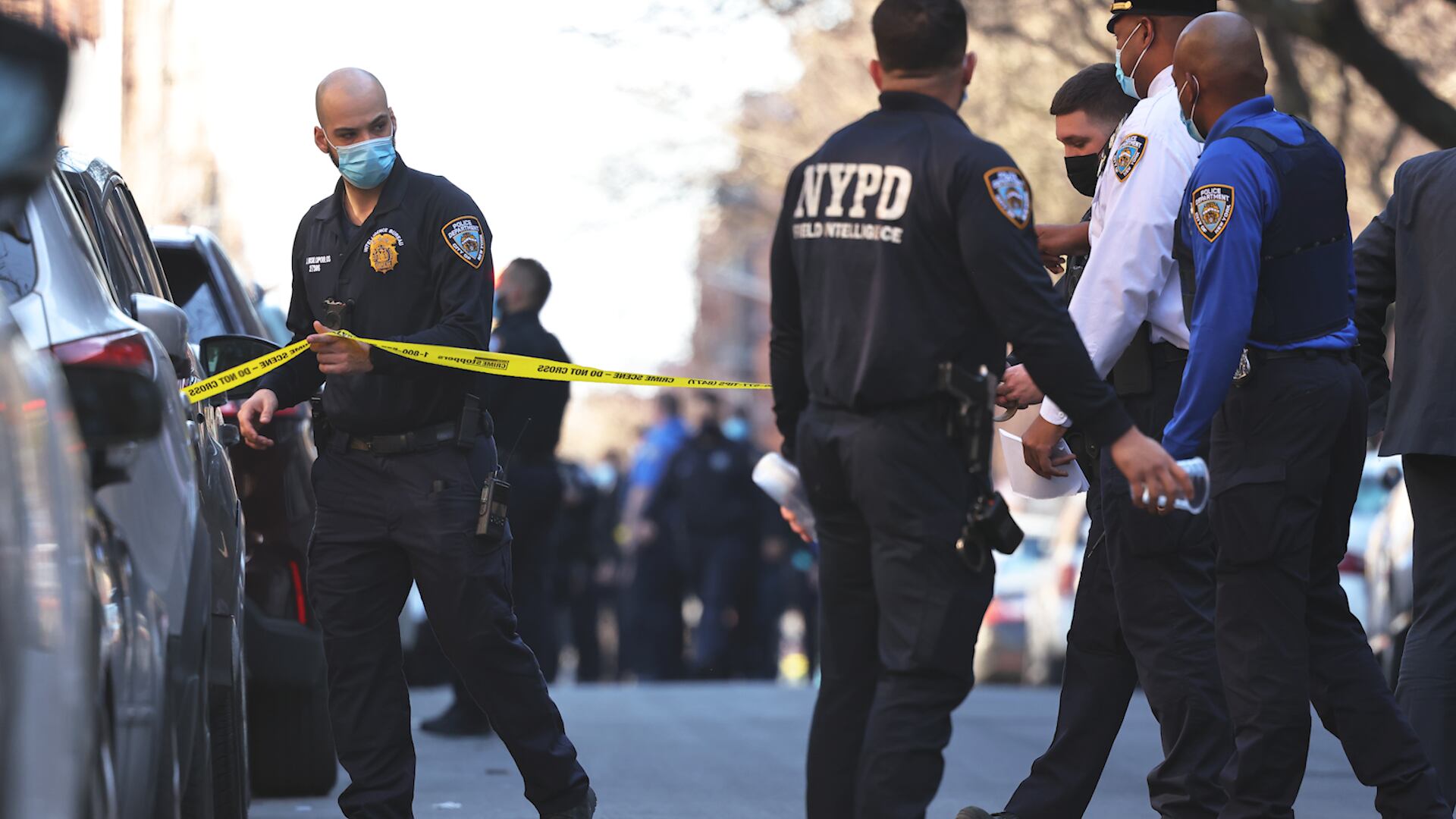
New York City is not only dealing with the ongoing pandemic, it’s also facing a surge in crime. President Biden recently traveled to New York to meet with the city’s new mayor, Eric Adams, to discuss the rise in crime and gun violence.
The president praised Mayor Adams' crimefighting agenda and unveiled a new federal initiative to curb the flow of illegal weapons from the south. Josefa Velásquez, Senior Reporter for THE CITY, joined Cheddar's Fast Forward to talk about how the mayor is battling this increase in crime in his first weeks in office.
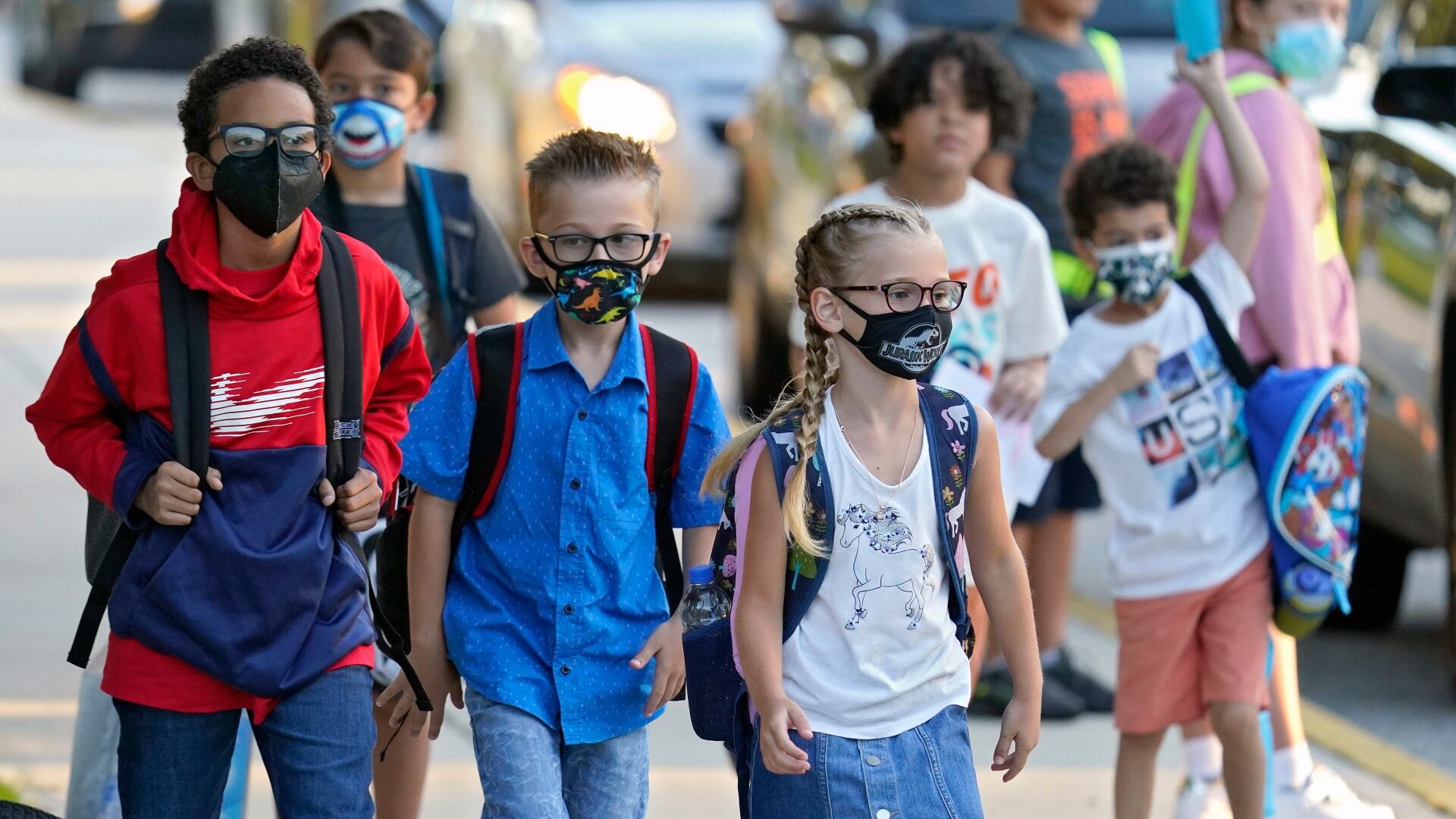
The Democratic governors of New Jersey, Connecticut, Delaware, and Oregon say they will lift mask requirements for schools in the coming weeks, reflecting a nationwide shift away from restrictions. Cheddar News speaks with internist Dr. Vivek Cherian whether it's safe to relax the regulation.
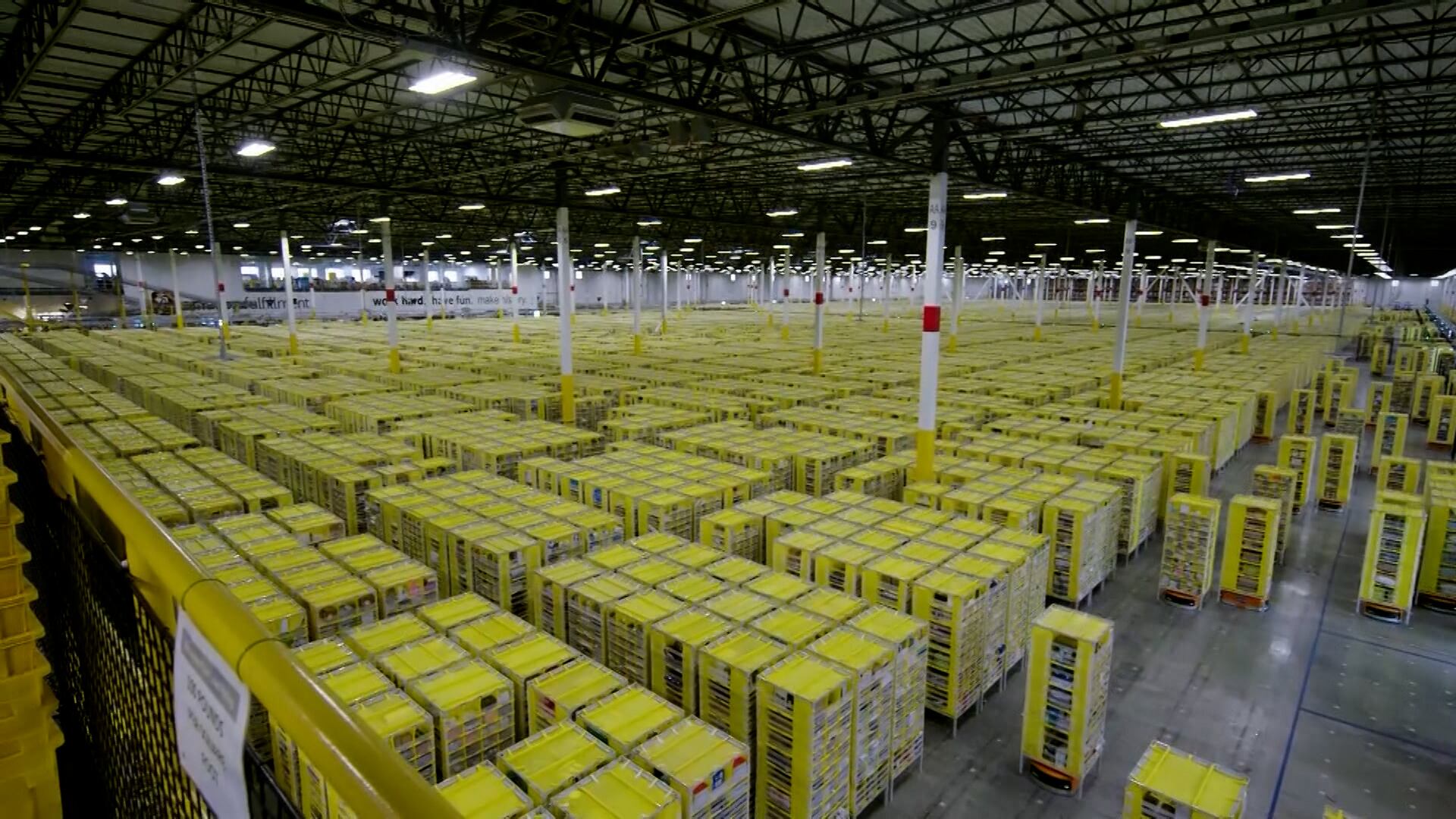
Amazon warehouse workers in Alabama are set to begin voting to unionize for a second time after workers at the facility in the town of Bessemer overwhelmingly voted against forming a union during an election early last year; but in November, the National Labor Relations Board overturned the vote, upholding a union challenge of the results which argued that Amazon undermined the conditions for a fair election. Another round of ballots will now be mailed out to works at the warehouse for a so-called re-run election. Director of Labor and Employment Studies at San Francisco State University John Logan and National Field Director for Our Revolution Mike Oles joined Cheddar News' Closing Bell to discuss.