As the House prepares to vote on a resolution today that would limit the president's ability to engage with Iran under the 1973 War Powers Act, Senator Chuck Grassley (R-Iowa) said there was "plenty of precedence" to support President Trump's authorization of a drone strike on January 3 that killed top Iranian commander Gen. Qassem Soleimani.
On Wednesday, Grassley's Republican colleagues Sens. Mike Lee (R-Utah) and Rand Paul (R-Ky.) blasted the president's long-awaited and delayed briefing on the killing.
"Don't get hung up on whether or not we had a proper briefing, which I think we did have a very proper briefing," Grassley told Cheddar Thursday. "Don't get that mixed up with the legality of what happened."
Lee called the briefing, which came five days after the airstrike was carried out, "probably the worst briefing I've seen, at least on a military issue, in the nine years I've served in the United States Senate." He said senators were told they could not dissent or debate, lest division within the government sends a signal of weakness to the Iranians.
He said briefers were asked repeatedly, "What, if anything, would trigger the need for the administration to come back to Congress" for a declaration of war or authorization of military force, to which one of the briefers indicated, essentially, "I'm sure we could think of something."
Grassley said when President Barack Obama had ordered the killing of Osama bin Laden, senators were also not told of the plan prior to the move, though bin Laden was considered an enemy combatant whereas Soleimani was a member of a state government. The Trump administration has said it ordered the strike because Soleimani was "actively developing plans to attack American diplomats and service members in Iraq and throughout the region," but has continued to refrain from explaining the intelligence, despite repeated criticism from lawmakers.
In a press conference Thursday, the president focused on Soleimani's violent history, calling him a "monster" who was the "big roadside bomb guy," though Soleimani was a top official in Iran. Other targeted killings carried out by the United States, like that of Abu Bakr al-Baghdadi in October 2019, have struck at extremist leaders without state affiliations.
Many lawmakers argue the president needed Authorization for Use of Military Force (AUMF) from Congress before the strike. On Thursday, Trump seemed to offer some additional information, saying "We did this because they were looking to blow up our embassy. We also did it for reasons that were very obvious." President Trump also said he had just approved new sanctions with details forthcoming.
House Speaker Nancy Pelosi addressed the dispute over AUMF and the strike against Soleimani during her regular weekly press conference on Thursday.
"The argument would be made that, putting the shoe on the other foot, if the United States had a high-level, maybe second most important person in the country, assassinated, wherever, the U.S. might consider that an assault on our country and the Iranians might as well, even though this took place at the Iraqi airport," she said. "It's foggy."
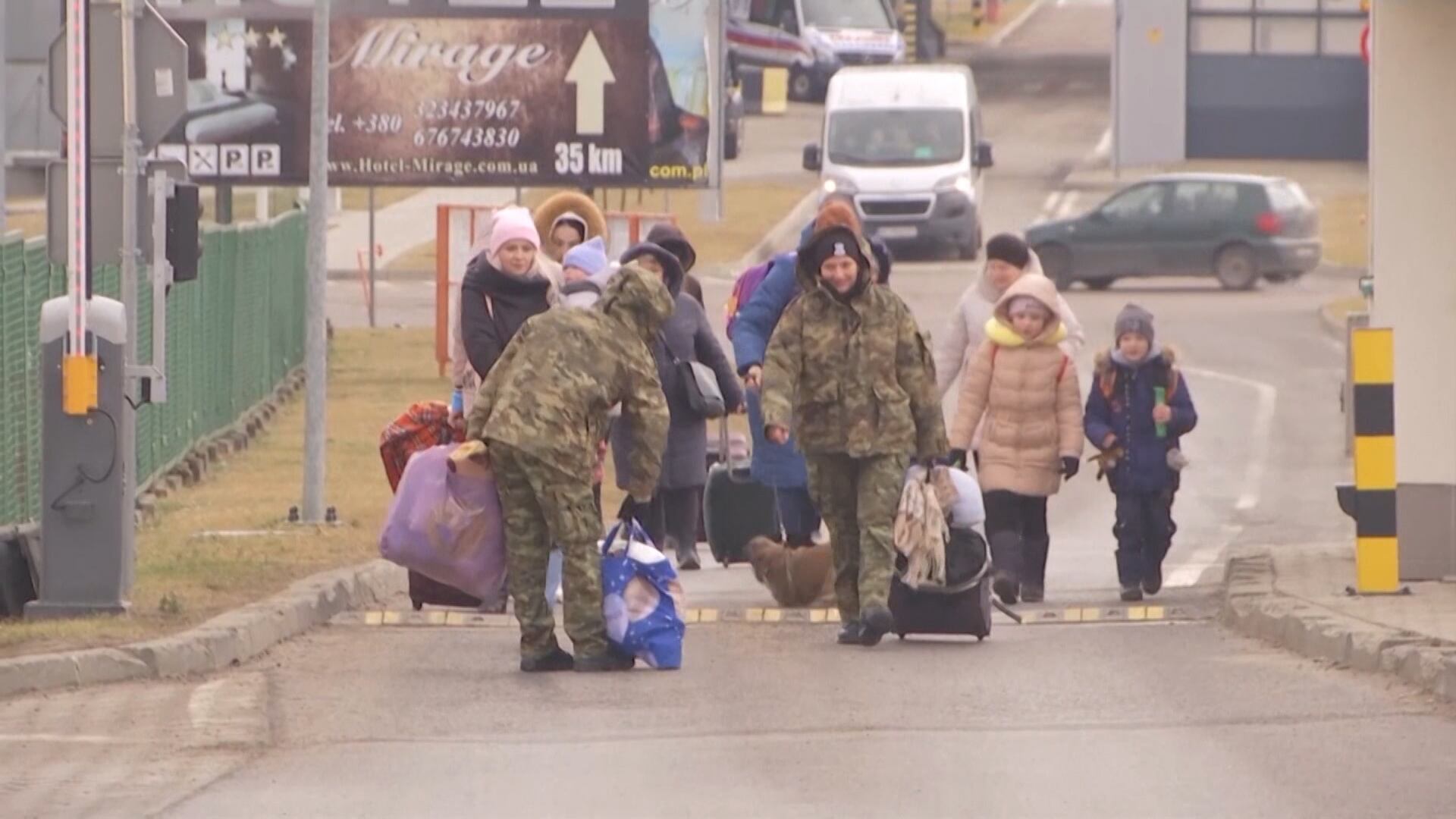
Tens of thousands of people have fled Ukraine in attempts to escape the Russian Invasion. According to the U.N. neighboring countries like Poland, Hungary, and even Romania have seen half a million refugees. While the hospitality is being welcomed by many, it also highlights the mistreatment of migrants and refugees from the Middle East and Africa. Professor of Philosophy and Director of Politics at Northeastern University Serena Parekh, joined Cheddar, to discuss more.
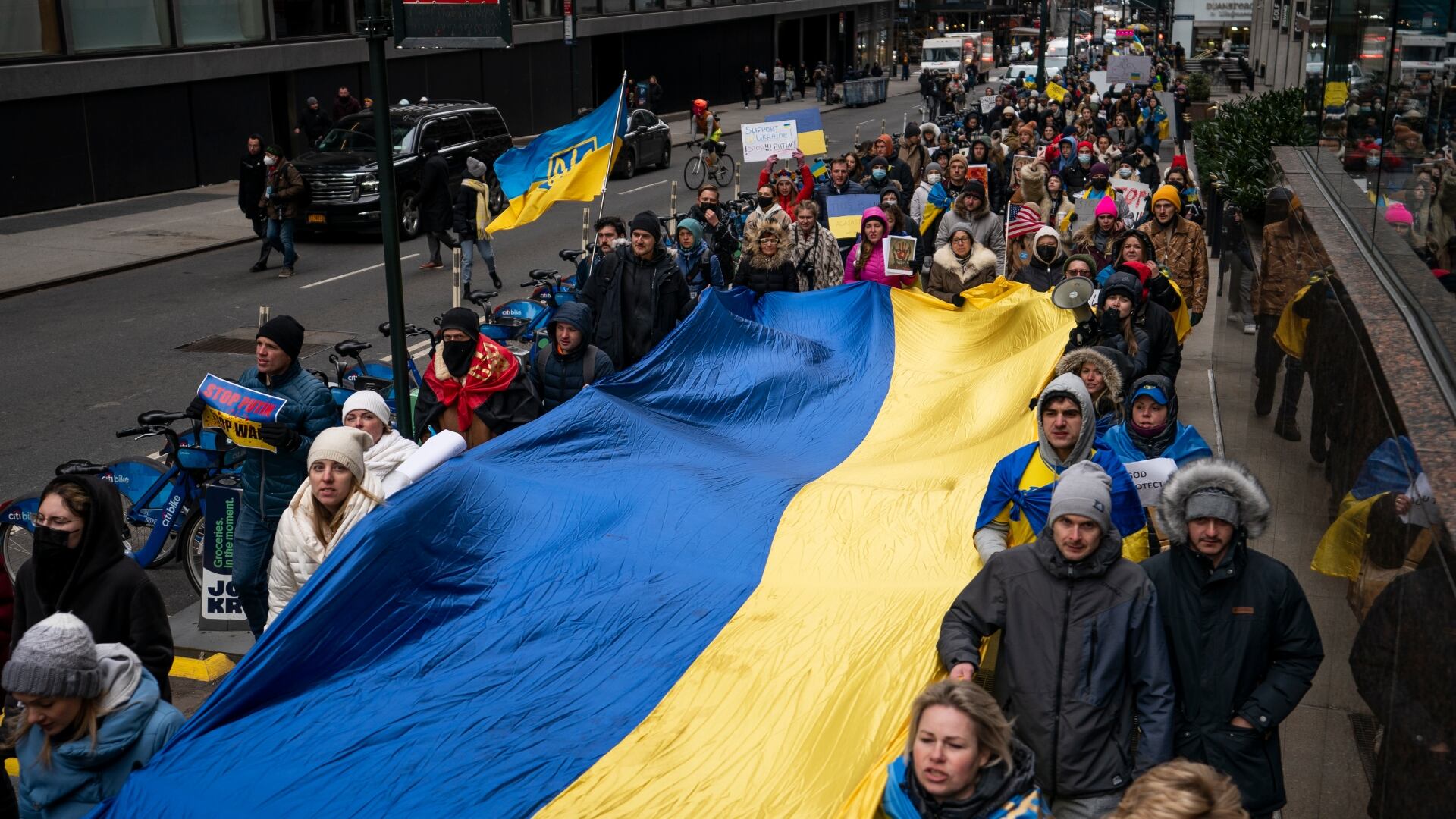
As Russia unleashed war in the country of Ukraine, global leaders have started inflicting punishment on Vladimir Putin's regime via commercial and financial penalties. According to President Joe Biden Putin's aggression is "a flagrant violation of international law and it demands a firm response from the international community".However, the main question is will these sanctions actually work. Partner at Jenner & Block LLP, Rachel Alpert, joined Cheddar to discuss more.
A Gallup poll finds that now 7.1% of American adults identify as LGBTQ, jumping from 3.5% in 2012. The increase is driven by Generation-Z – those born between 1997 and 2003 – of whom one out of five identify as LGBTQ. Cheddar News speaks with Washington Blade reporter Chris Johnson about the significant shift.
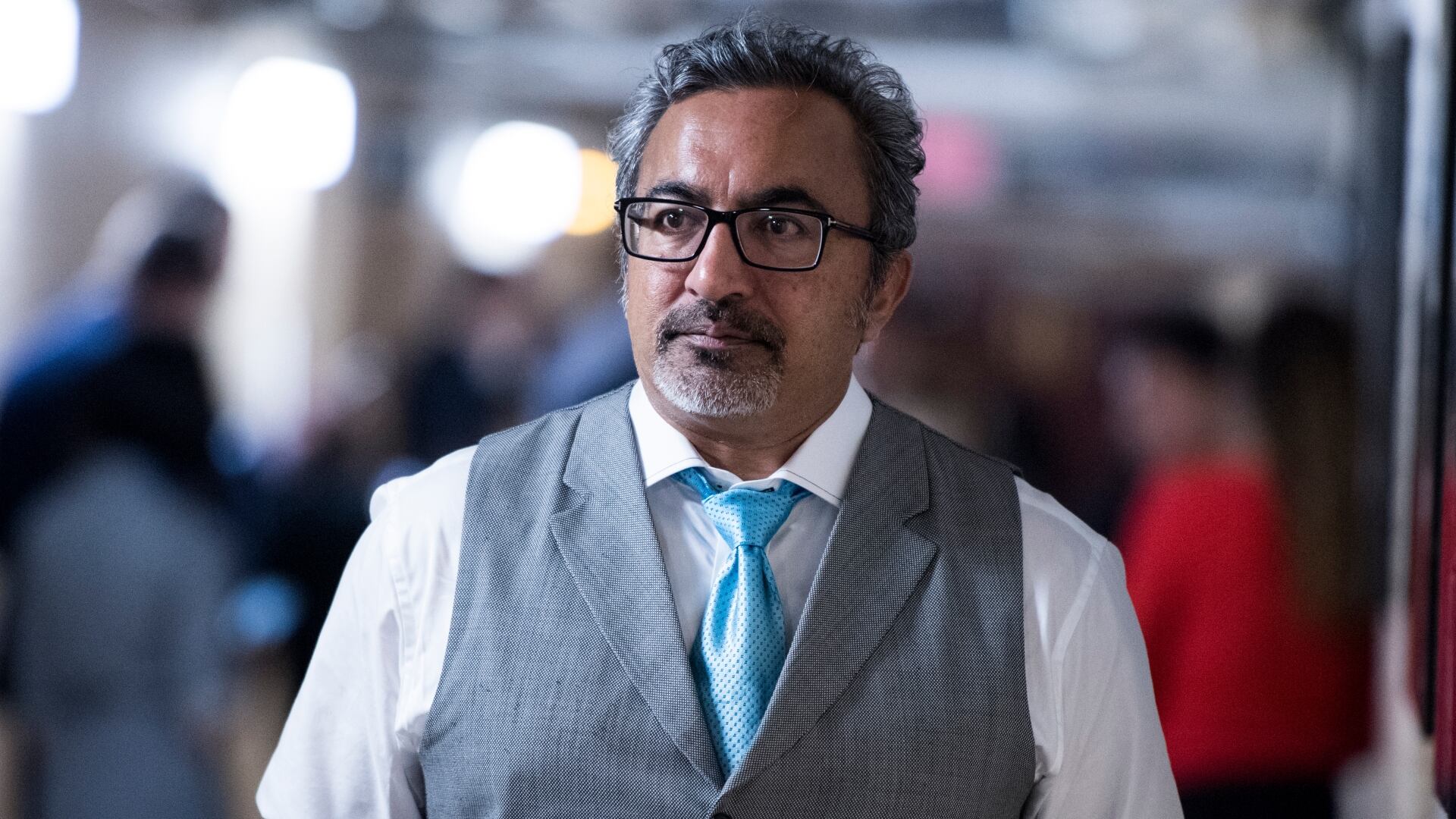
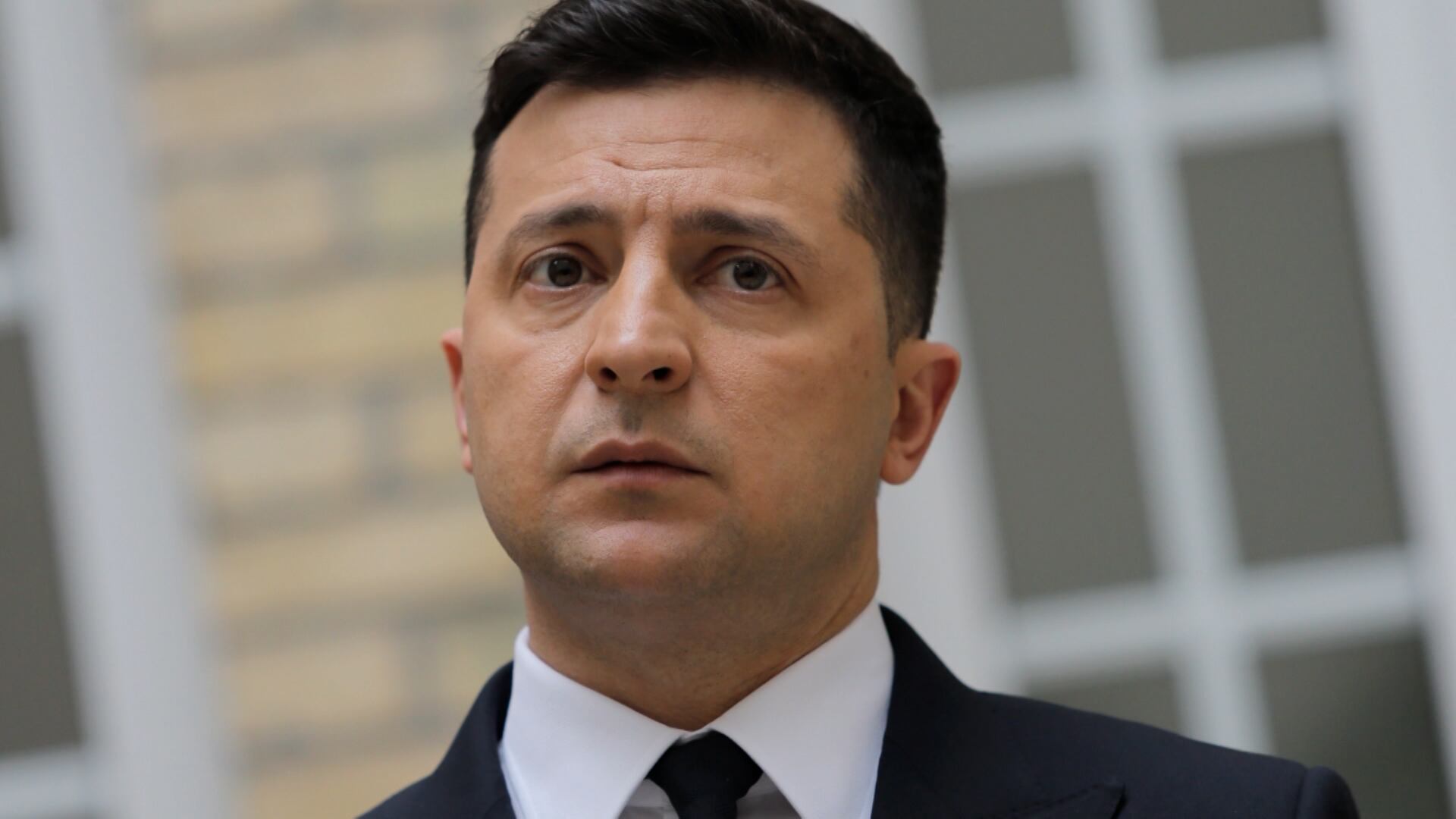
As the Biden administration continues to see the potential for an imminent invasion of Ukraine after contradictory reports of a Russian troop pullback or buildup, Rep. Ami Bera (D-Calif. 7th District), a member of the House Committee on Foreign Affairs, joined Cheddar News to give his insight into the tense situation. "When I was in Ukraine a couple of weeks ago and we were talking with the Ukrainian leadership with President Zelensky, they said we ought to approach Vladimir Putin as though he was a poker player," he said. "So this could be one of those head fakes where he's saying one thing and doing another thing."
The Biden Administration has now issued new guidelines when it comes to carbon capture. The new guidelines handed down this week encouraged the widespread use of climate attacks that traps and stores carbon emissions. The goal here is the process would help keep carbon out of the atmosphere without requiring a whole lot of change by big companies and manufacturing plants. Several scientists say that this method would be crucial to help us decrease the use of carbon emissions by the year 2050. Professor of Civil and Environmental Engineering at Stanford University, Mark Jacobson, joined Cheddar to discuss more.
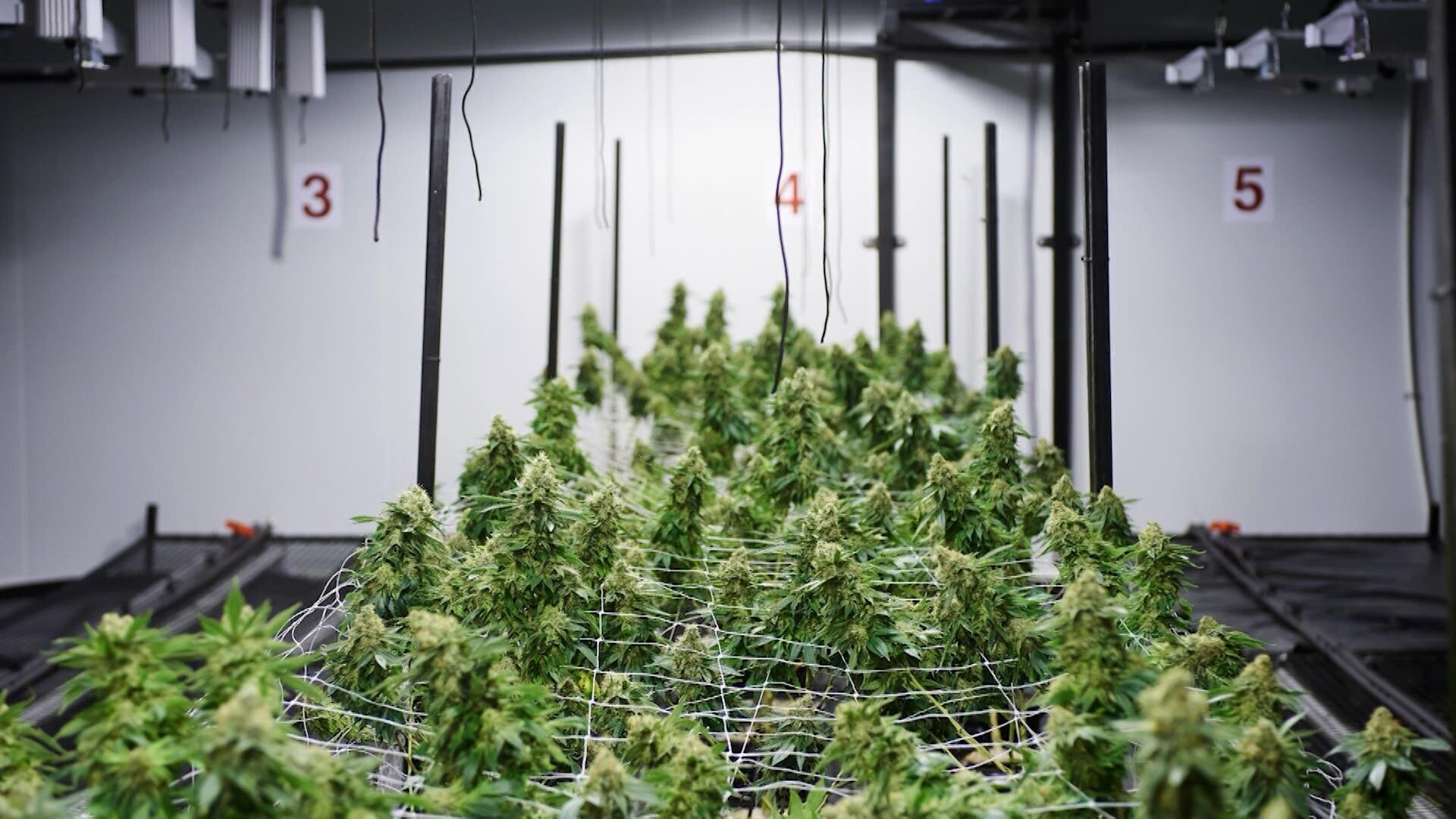
Natalie Fertig, federal cannabis policy reporter for Politico Pro, joins Cheddar News to discuss the latest in marijuana legalization in the United States.
The Biden administration is launching a new task force to promote the use of 'cleaner' construction materials with lower life cycle emissions. This comes as the White House works to speed up government purchases of greener products. Sweta Chakraborty, climate change expert and U.S. president of "We Don't Have Time," joins Cheddar News to discuss.
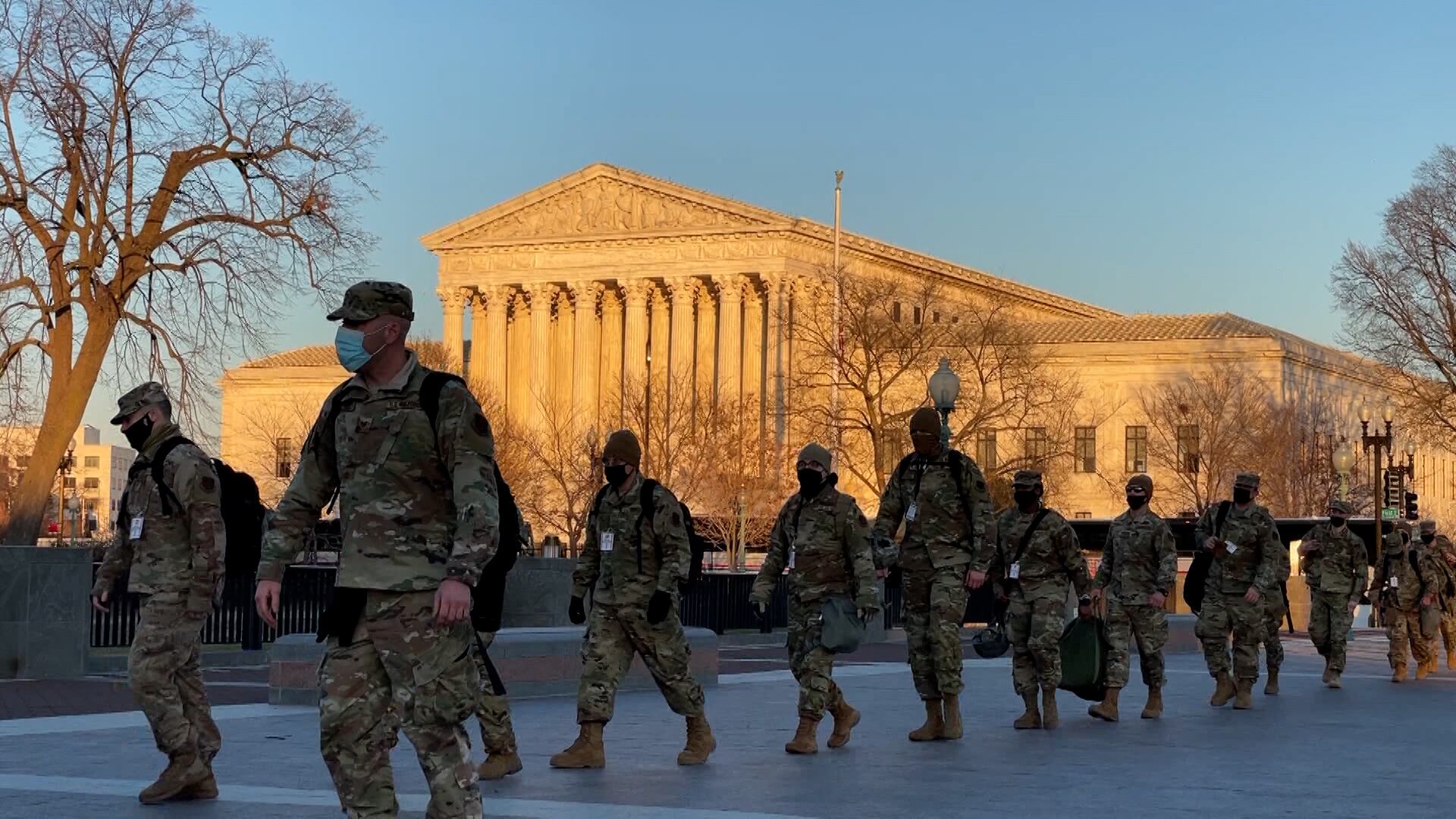
Due to the staffing shortages of teachers in New Mexico, the state has been encouraging its National Guard members to fill in as licensed substitutes to keep schools open. Kurt Steinhaus, New Mexico secretary of education, joined Cheddar News to explain the state's stopgap measure amid its lack of teaching professionals. "The first thing they have to go through a fingerprint background check, just like any other substitute new Mexico. The second thing they have to do is go through some online training, and then we provided some in-person professional development about classroom management," Steinhaus explained about the qualifications process.