Sen. Chris Van Hollen (D-MD): House and Senate tax reform bills are “rotten”
The bipartisan battles on Capitol Hill are heating up as the end of the year approaches, and Congress must agree on a budget bill to avoid a government shutdown. Senator Chris Van Hollen (D-MD) told Cheddar on Tuesday that a shutdown would be “a big mistake.”
“While there are, of course, many differences on this,” he said, “we need to find a way to bridge them in order to keep the government going.”
The congressman noted that there are plenty of pressing issues that need to be addressed by the end of the year, including the Republican Tax Plan, and the DREAM Act. Van Hollen says that DACA should be at the top of the list, and criticizes the Republicans for pushing the tax bill through so quickly.
The bill was first introduced to the House in early November, and passed the Senate within a month, with a tally of 51-49 votes. The next step is for a committee to reconcile the differences between both bills before it reaches President Donald Trump’s desk. Many critics argue that the bill favors the rich, and will be a burden for the middle class in the long run. Meanwhile, some Republicans contend that the tax will encourage corporations to bring business home, and offer greater tax relief.
Van Hollen agrees with Democratic Leader Nancy Pelosi that the bills should be scrapped. He argues that both tax bills introduced to Congress, which would increased the national deficit by $1.3 trillion, are “rotten.” Beyond increasing debt, Van Hollen says that by 2019, the bill will make foreign stockholders $31 billion richer, at the cost of the middle class. The congressman says the reason is that over one-third of stocks held in U.S. corporations are owned by foreign stockholders.
“In that same, year those Americans that are going to be paying more in taxes are going to contribute about $29 billion,” he said. “Take it from the pocket of a middle class American family, transfer it to foreign stockholders.”
Jarrod Loadholt, Partner at Ice Miller, joins Cheddar News' Closing Bell, where he breaks down the latest proposal by the SEC and explains how it could allow the agency to make major regulatory moves within the cryptocurrency space if approved.
Personal data platform Caden raised $3.1 million in pre-seed funding. Caden says its service allows users to have complete control over their data and earn a profit from it by sharing certain data with trusted brands, while never relinquishing ownership. The company also says its goal is to transform the internet and the use of personal data and make a better system for both consumers and brands. Caden founder and CEO John Roa joins Cheddar News' Closing Bell to discuss.
The leaders of Russia and China have declared their joint opposition to any expansion of NATO and affirmed that the island of Taiwan is a part of China.
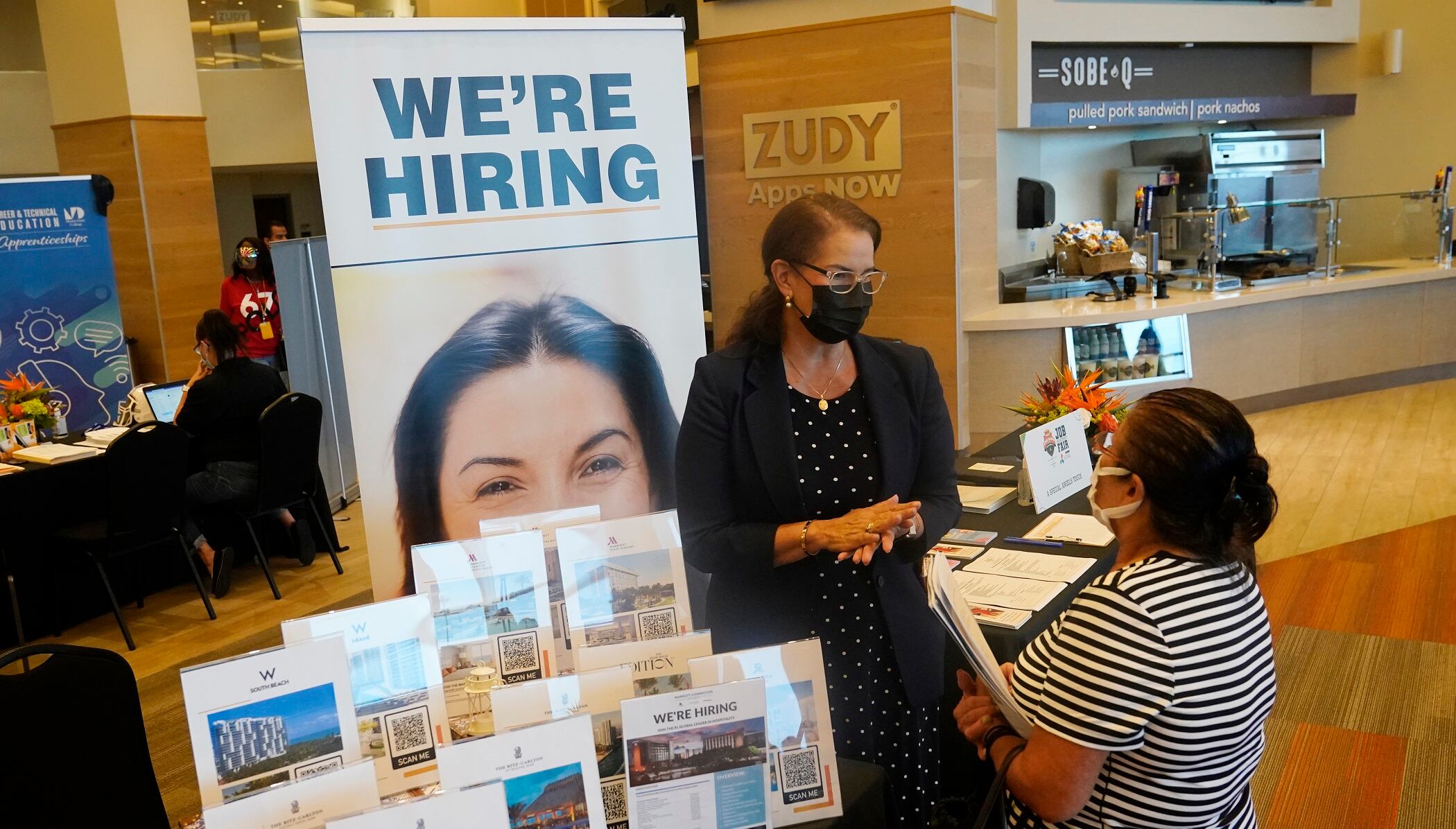
U.S. employers stepped up hiring in January, adding 467,000 jobs despite a wave of omicron inflections that sickened millions of workers, kept many consumers at home and left businesses from restaurants to manufacturers short-staffed.
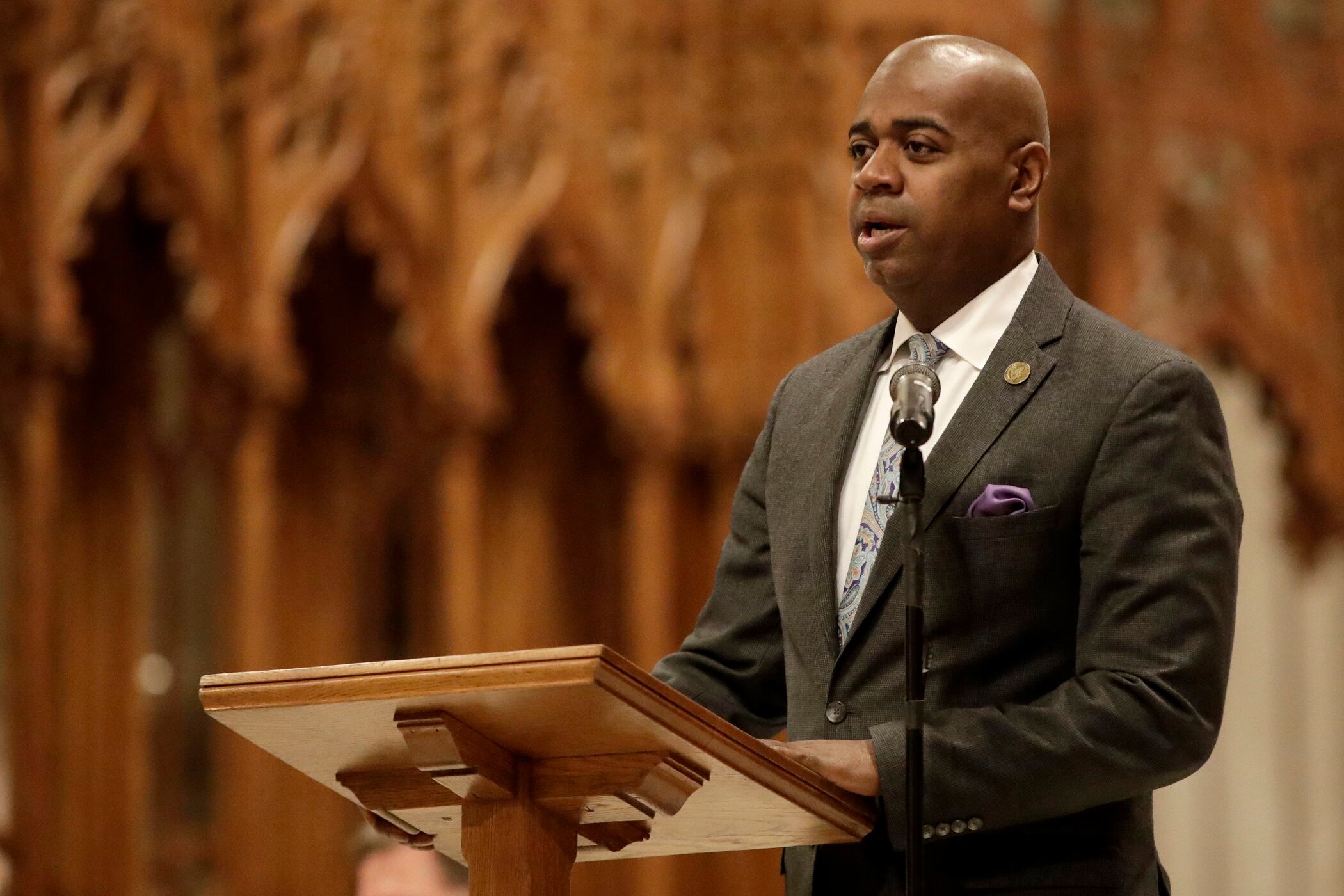
As we celebrate Black History Month, Cheddar is highlighting prominent Black Americans who are carving their own historic paths and trailblazing in their industries. Today we profile Newark, NJ, Mayor Ras Baraka.
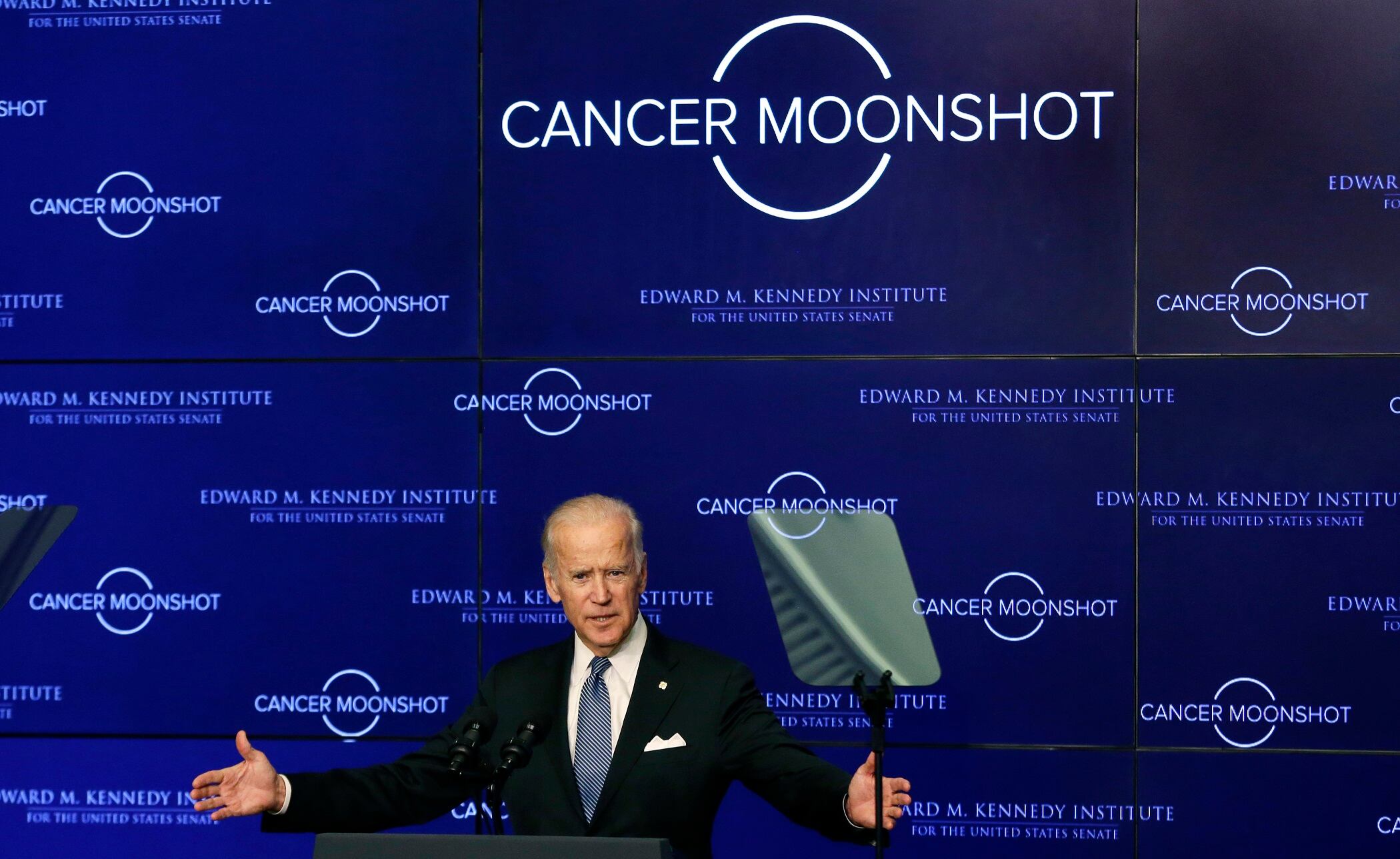
President Joe Biden is committing to reduce the cancer death rate by 50% over the next 25 years. That's a new goal for the “moonshot” against the disease that was announced in 2016 when Biden was vice president.
A major winter storm with millions of Americans in its path brought a mix of rain, freezing rain and snow to the middle section of the United States as airlines canceled hundreds of flights, governors urged residents to stay off roads and schools closed campuses.
Russia says it will relocate naval exercises off the coast of Ireland after Dublin raised concerns about them amid the tense dispute with the West over expansion of the NATO alliance and fears that Russia is preparing to invade Ukraine.
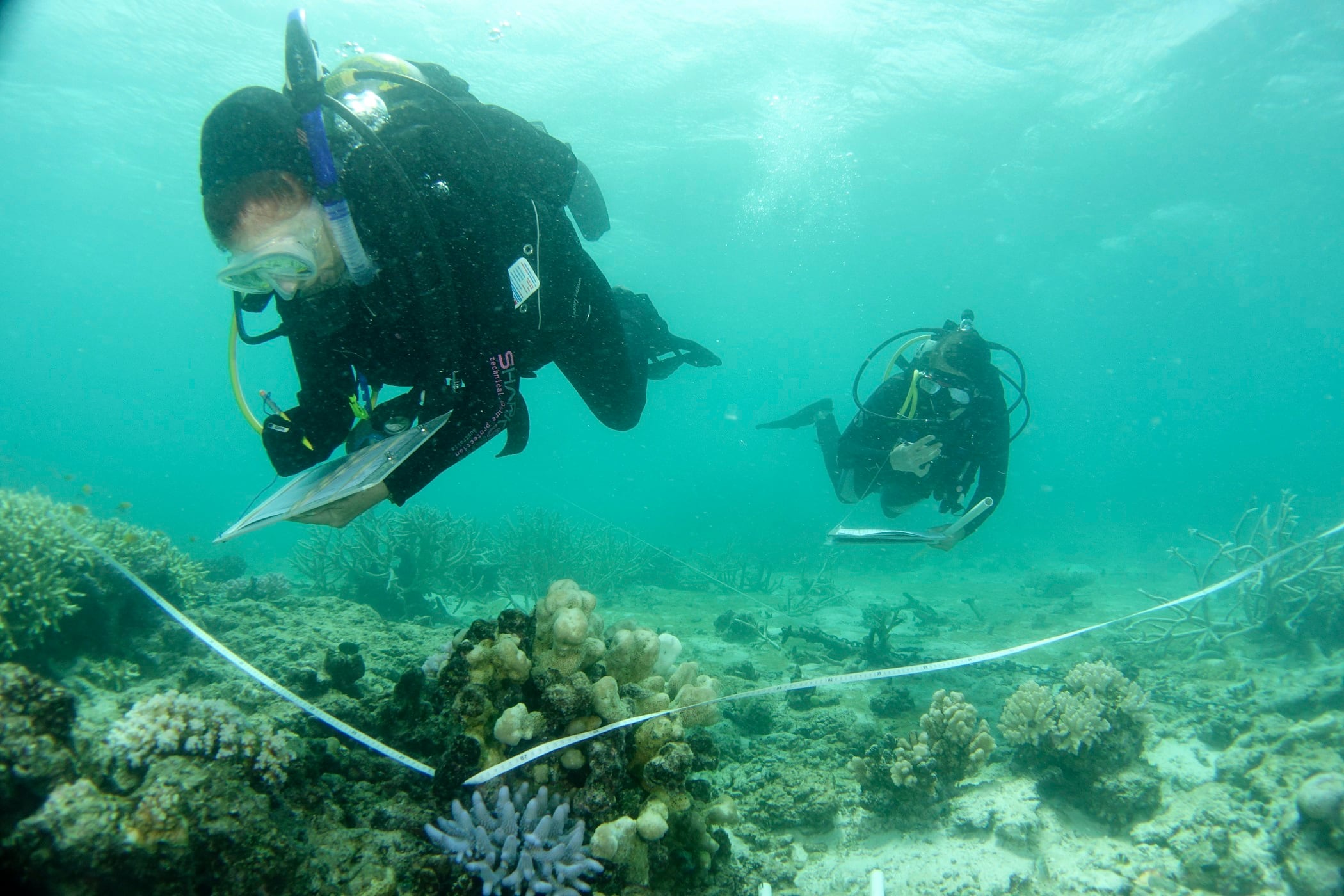
he Australian government has pledged to spend another 1 billion Australian dollars ($704 million) over nine years on improving the health of the Great Barrier Reef after stalling a UNESCO decision on downgrading the natural wonder’s World Heritage status.