On Wednesday, the leaders of Facebook, Google, and Twitter will testify on Capitol Hill in front of a subcommittee of the Senate Commerce Committee. Mark Zuckerberg, Sundar Pichai, and Jack Dorsey will all face questions over their companies' use of Section 230 of the Communications Decency Act, which protects online platforms from being held legally accountable for content published by their users.
"One of the things I think they need to hear from us that we are fully aware that the American people no longer trust big tech," Committee member Sen. Marsha Blackburn (R-Tenn.) told Cheddar.
Blackburn has proposed several changes to clarify and modify Section 230, which has been a subject of controversy since the president's executive order in May. That executive order came after Twitter flagged one of the president's tweets for being misleading and called for the FCC to regulate online censorship.
"We would be more specific on who can use the liability protections in 230, how it can be applied, and when it can be applied," said Blackburn. Her changes would also specify who qualifies as a "content creator" and would aim to protect those users, rather than the platforms.
Despite bipartisan agreement that Section 230 needs reform, Democrats and Republicans do not agree on just how to change it. The Democrats aren't on board with the GOP bill that would reign in a company's ability to flag and censor misinformation.
The tech industry, for its part, has said any changes to Section 230 would effectively end free speech online. They argue that without the protection it offers, platforms actually would have to take a stricter approach to flagging, fact-checking, and censoring.
World leaders will converge this weekend at the 2021 G20 Summit in Rome and the UN COP26 conference in Glasgow with the climate crisis on the agenda. Lord Adair Turner, chair of the Energy Transitions Commission, joined Cheddar to discuss what people can expect to come out of the climate-focused conferences. Turner also noted that one of the biggest hurdles for the attending nations will be coming to a uniform decision on expanding on the Paris Climate Accord goals that have become insufficient to prevent global warming by 1.5 degrees celsius.
Emily Tisch Sussman, senior advisor at Paid Leave US, joined Cheddar's "Between Bells" to discuss paid leave being stripped from the latest budget bill and why it is crucial for parents to have paid time off. Sussman said the pandemic, in particular, highlighted the disparity between women, who left the work force in droves to care for family, and men who continue to work and be rehired as impacted sectors of the economy return.
The Dow, S&P, and Nasdaq each ended Friday's session at a record high as stocks rallied into the green. Chris Vecchio, Senior Analyst at DailyFX, joins Cheddar News' Closing Bell, where he says this was an 'October to remember' for Wall Street.
Alex Gangitano, White House Correspondent for The Hill, joined Cheddar to discuss the chaos surrounding democrats in congress as they try to advance President Biden's agenda.
Kathy Mulvey, the Accountability Campaign Director for the Union of Concerned Scientists, joined Cheddar News to break down Thursday's congressional hearing on climate change with big oil executives and lobbyists.
Carlo and Baker cover Facebook's big rebrand, the latest on Biden's economic agenda and more. Plus, ranking the best Halloween candy and the worst couple's costumes.
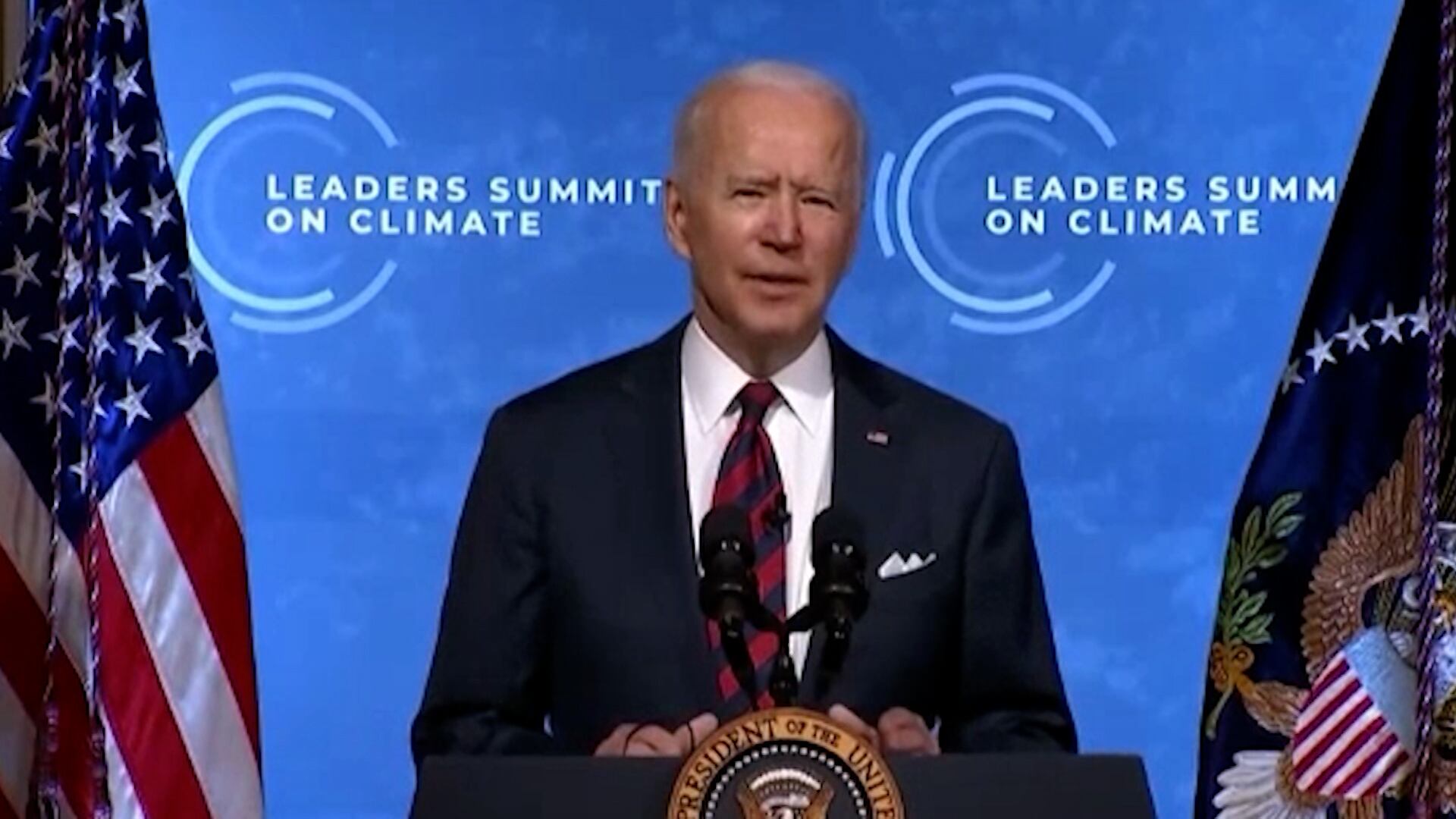
As President Joe Biden heads to Europe for the G20 and the United Nations COP26 climate meeting, he has announced a new $1.75 trillion spending framework. Senate Democrats are reportedly close to agreeing on passing the legislation, but it hangs in the balance as President Biden and other world leaders will meet at COP26 and Biden looks to proclaim the U.S. a leader on climate issues. Vox Senior Reporter Rebecca Leber joins Cheddar News' Closing Bell to discuss the $555 billion worth of clean energy initiatives Biden included in the framework, and how Democrats' continuing negotiations undermine U.S. climate leadership.