On Wednesday, the leaders of Facebook, Google, and Twitter will testify on Capitol Hill in front of a subcommittee of the Senate Commerce Committee. Mark Zuckerberg, Sundar Pichai, and Jack Dorsey will all face questions over their companies' use of Section 230 of the Communications Decency Act, which protects online platforms from being held legally accountable for content published by their users.
"One of the things I think they need to hear from us that we are fully aware that the American people no longer trust big tech," Committee member Sen. Marsha Blackburn (R-Tenn.) told Cheddar.
Blackburn has proposed several changes to clarify and modify Section 230, which has been a subject of controversy since the president's executive order in May. That executive order came after Twitter flagged one of the president's tweets for being misleading and called for the FCC to regulate online censorship.
"We would be more specific on who can use the liability protections in 230, how it can be applied, and when it can be applied," said Blackburn. Her changes would also specify who qualifies as a "content creator" and would aim to protect those users, rather than the platforms.
Despite bipartisan agreement that Section 230 needs reform, Democrats and Republicans do not agree on just how to change it. The Democrats aren't on board with the GOP bill that would reign in a company's ability to flag and censor misinformation.
The tech industry, for its part, has said any changes to Section 230 would effectively end free speech online. They argue that without the protection it offers, platforms actually would have to take a stricter approach to flagging, fact-checking, and censoring.
The House has officially passed the $1.75 trillion social policy and climate big. This new bill is expected to bring some huge investments into working towards fighting climate change. U.S. President of We Don't Have Time, Sweta Chakraborty, joined Cheddar to discuss more.
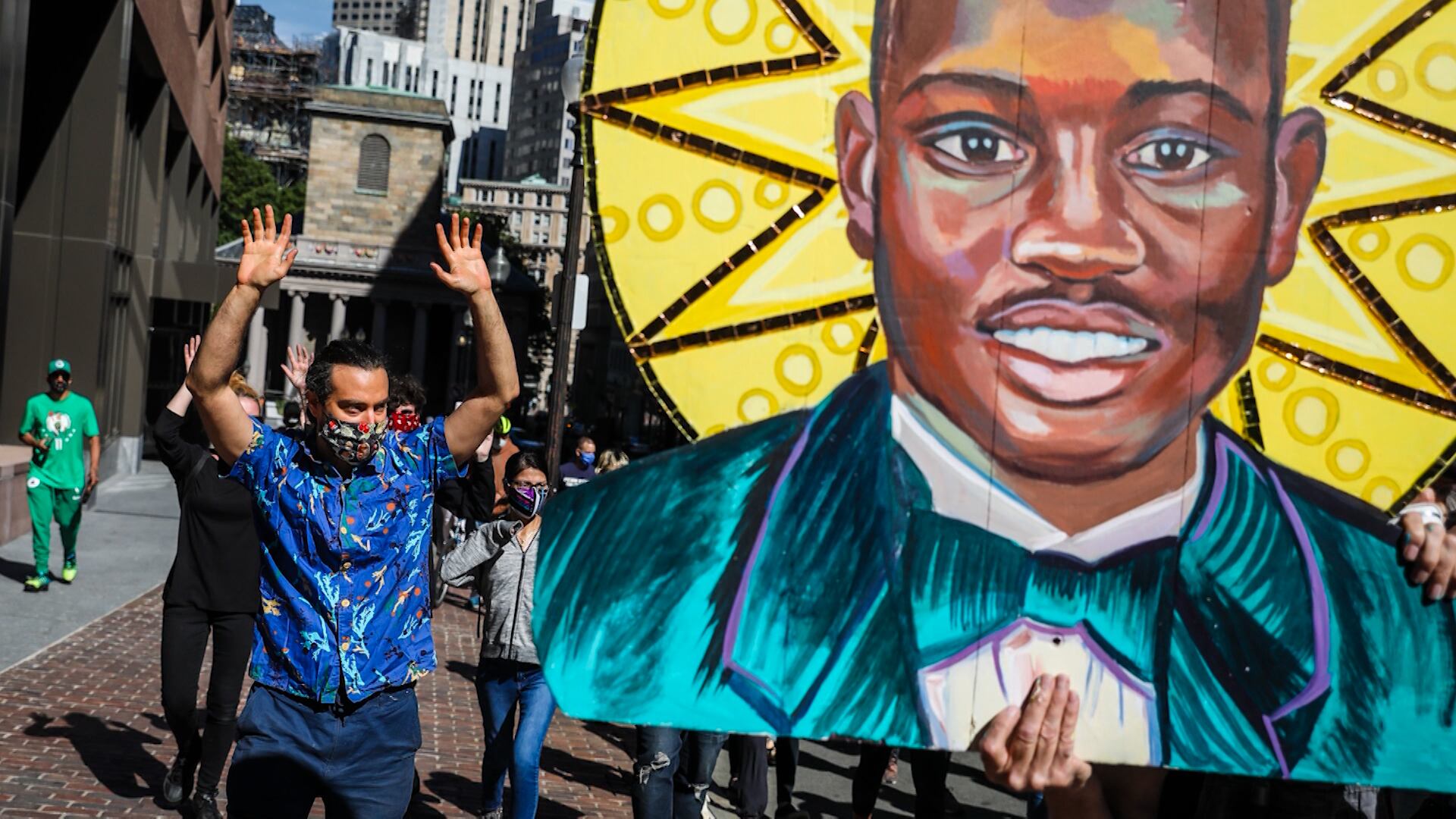
Guilty verdicts have been handed down to the three men charged with killing Ahmaud Arbery. Arbery was out for a jog in February 2020 when Travis McMichael, William "Roddie" Bryan, and Gregory McMichael chased him down and killed him. The judge read the verdicts for each of the three men aloud, starting with the man who pulled the trigger, Travis McMichael. Kirk Burkhalter, professor at New York Law School joins Cheddar News to recap the trial.
All three defendants in the Ahmaud Arbery killing were found guilty today on numerous charges including felony murder. Criminal Defense Attorney Anthony Hall joined Cheddar to discuss.
Carlo and Baker cover the latest developments with the Omicron variant, and break down what we know and what we still don't. Plus, a relatively tame Black Friday, and more.
Jurors on Wednesday convicted the three white men charged in the death of Ahmaud Arbery, the Black man who was chased and fatally shot while running through their Georgia neighborhood in an attack that became part of the larger national reckoning on racial injustice during the summer of 2020. Trial attorney and former prosecutor Leslie Ricard Chambers joins Cheddar News' Closing Bell to discuss the verdict, possible sentencing, and more.
Kyle Rittenhouse was acquitted of all charges Friday after pleading self-defense in the deadly Kenosha shootings that became a flashpoint in the debate over guns, vigilantism and racial injustice in the U.S. Criminal Defense Attorney Anthony Tall joins Cheddar News' Closing Bell to discuss the verdict, potential judicial precedent, and more.
President Biden has announced his intent to nominate Fed chair Jerome Powell for another four-year term, with Lael Brainard serving as vice chair. This comes at a crucial time for the economy as inflation is surging, the supply chain is broken, and labor shortages are hampering businesses across the country. Sabrina Escobar, reporter for Barron's, discusses why Biden passed up the opportunity to put the central bank in the hands of a Democrat, and what challenges Powell faces in his second term.