On Wednesday, the leaders of Facebook, Google, and Twitter will testify on Capitol Hill in front of a subcommittee of the Senate Commerce Committee. Mark Zuckerberg, Sundar Pichai, and Jack Dorsey will all face questions over their companies' use of Section 230 of the Communications Decency Act, which protects online platforms from being held legally accountable for content published by their users.
"One of the things I think they need to hear from us that we are fully aware that the American people no longer trust big tech," Committee member Sen. Marsha Blackburn (R-Tenn.) told Cheddar.
Blackburn has proposed several changes to clarify and modify Section 230, which has been a subject of controversy since the president's executive order in May. That executive order came after Twitter flagged one of the president's tweets for being misleading and called for the FCC to regulate online censorship.
"We would be more specific on who can use the liability protections in 230, how it can be applied, and when it can be applied," said Blackburn. Her changes would also specify who qualifies as a "content creator" and would aim to protect those users, rather than the platforms.
Despite bipartisan agreement that Section 230 needs reform, Democrats and Republicans do not agree on just how to change it. The Democrats aren't on board with the GOP bill that would reign in a company's ability to flag and censor misinformation.
The tech industry, for its part, has said any changes to Section 230 would effectively end free speech online. They argue that without the protection it offers, platforms actually would have to take a stricter approach to flagging, fact-checking, and censoring.
Even as tech giant Google implements a vaccination mandate, charging its employees to declare their vaccine status within a time frame or risk dismissal, the federal government is tangled up in the court system trying to impose one of its own. Cindy Cohn, the executive director of the Electronic Frontier Foundation, and Harry Nelson, founder and managing partner of Nelson Hardiman LLP, joined Cheddar to debate the ethics, efficacy, and legality surrounding the issue. While Cohn noted that she thinks the federal mandate might be legally sound, her organization is also concerned with a separate question of privacy. "At EFF what we're most interested in is the digital surveillance that's going along with some of these attempts to try to track and confirm whether people are vaccinated or not," she said.
A new report from CNBC says Instagram recently reached a new milestone -- 2 billion monthly active users. It comes amid a year of controversy for the photo-sharing app and its parent company, Meta. SocialFlow CEO Jim Anderson joins Cheddar News' Closing Bell to discuss.
There is a new way for investors to bet on cannabis - the AdvisorShares Poseidon Dynamic Cannabis ETF targets about 20 of the biggest names in U.S. cannabis. It comes at a time when it's still difficult for investors to access the space. Cheddar News cannabis reporter Chloe Aiello spoke with co-founder and managing director for Poseidon Investment Management, Emily Paxhia.
Victor Li, an economics professor at the Villanova School of Business, joins Cheddar News' Closing Bell, where he discusses the latest Fed decision and the implications it has on the stock market.
After nearly two years of the pandemic, U.S. consumers are ready to spend big this holiday season. However, shoppers may be faced with limited inventory as the U.S. continues to face shortages of key products and extended order backlogs. Per Hong, partner at consulting firm Kearney, joined Cheddar's Opening Bell to discuss the country's path forward.
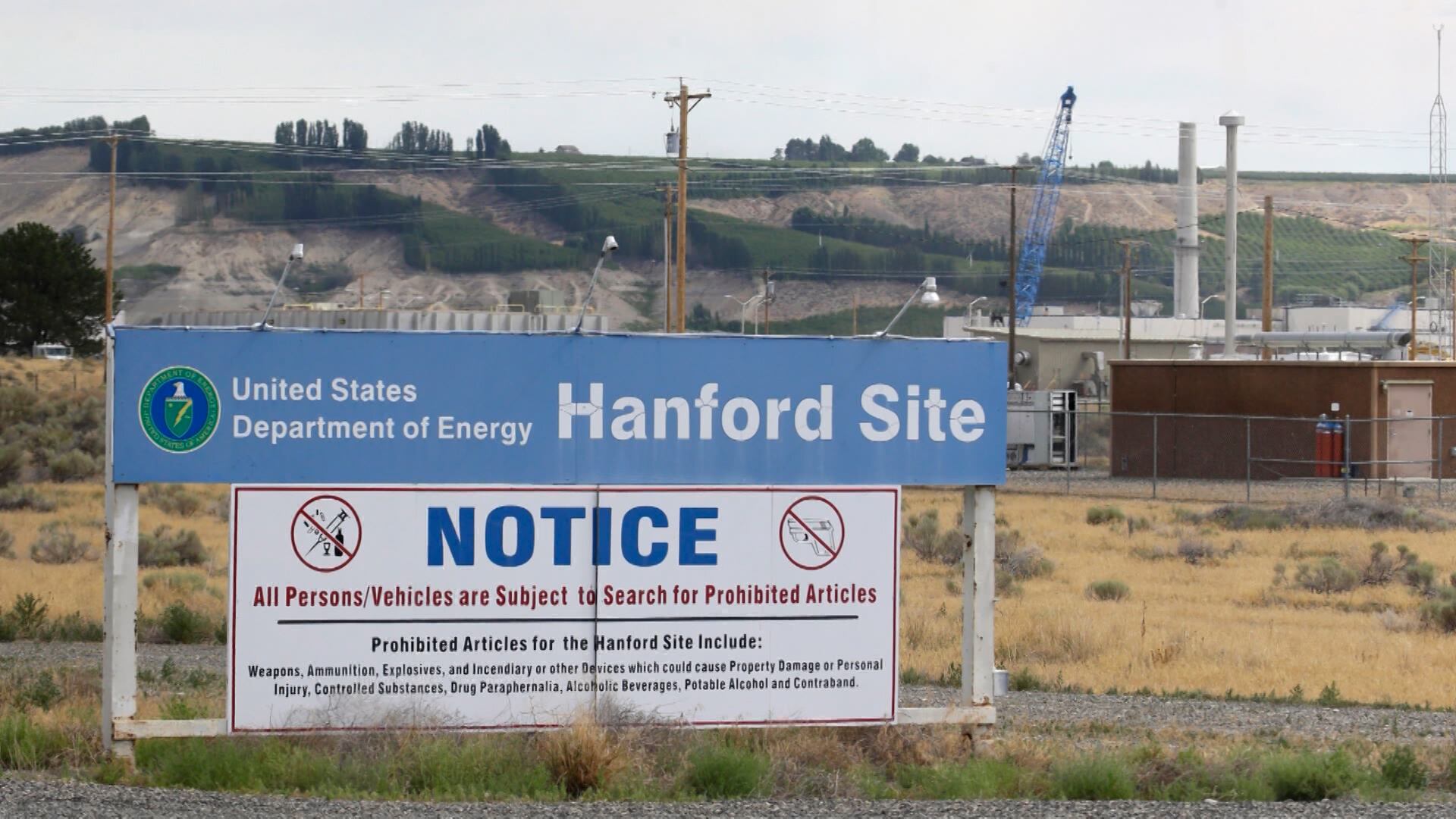
The U.S. Government is making its first major move toward encouraging nuclear energy in the U.S., as it pushes toward a sustainable future. Scott Waldman, White House reporter for Politico's E&E News joined Cheddar News to break down the developments. "There's definitely an audience for this now since we're looking at the value of nuclear in terms of climate policy," he said, regarding the prospects for bipartisan support.
CEOs of the top U.S. airlines are set to testify in front of a Senate committee Wednesday. Lawmakers will ask airline executives about how they used pandemic-related federal aid, specifically in light of staffing issues and widespread cancellations. Among those expected to participate are the CEOs of American, United, and Southwest Airlines. David Slotnick, Senior Aviation Business Reporter at The Points Guy, joined Cheddar News to discuss.