How A.I. Can Change the Game For Those Working in Finance
*By Bridgette Webb*
The gradual rise of A.I. in finance may shift priorities for both employers and their employees, said Junta Nakai, global head of business development at fintech company Selerity.
"The desired skill sets in finance are changing and will continue to change," he said Thursday in an interview with Cheddar. "Instead of having the traditional accounting background, it may be more useful to know how to code."
According to a report from Adobe and Econsultancy, 61 percent of the financial companies surveyed already use artificial intelligence or plan to within the next year. Titans of industry like [Barclays](https://www.ft.com/content/3ab7cbf4-8281-11e8-96dd-fa565ec55929) and Goldman Sachs have already introduced the tech into their operations.
As it stands, finance, accounting, management, and economics are among universities’ [most popular majors](https://www.huffingtonpost.com/entry/are-robots-taking-over-the-worlds-finance-jobs_us_595508aee4b0326c0a8d0e23) around the globe. But research indicates 230,000 positions in finance may disappear by 2025, making business degrees a potentially harder sell.
Nakai said more A.I. may change the demand for workers in the finance industry, but he thinks the shift will prove effective. And for now, he added, automation is a trend that's here to stay.
"Automation has been a theme in finance for a very long time. I truly believe that the bank of the future relies on data and technology."
For more on this story, [click here](https://cheddar.com/videos/the-evolution-of-financial-technology).
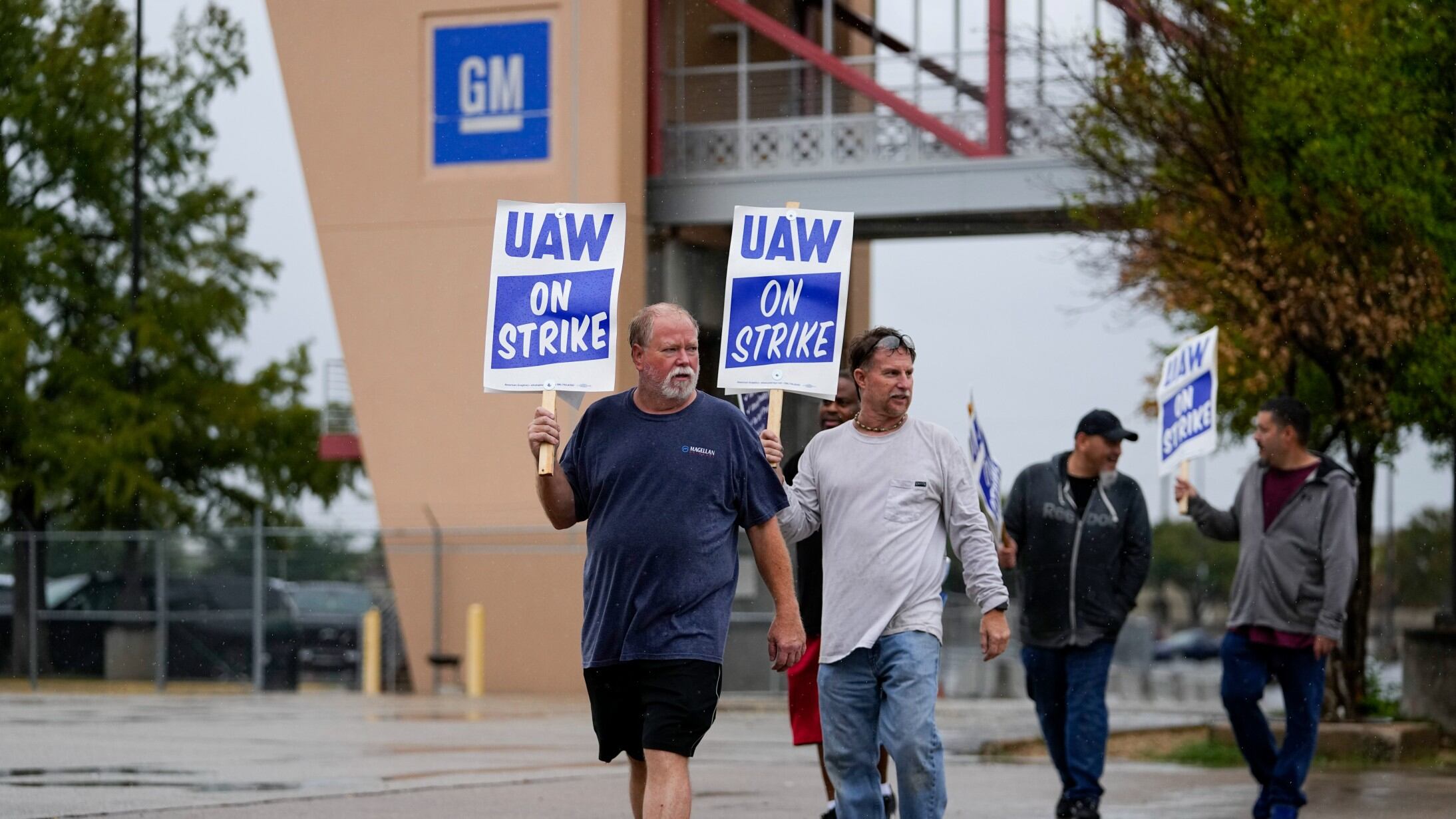
A $1 billion loss from a six-week strike did not crash GM's net income last year, which instead rose 12% — and the automaker expects improvement in 2024, too.
Accrue CEO and founder Michael Hershfield explains why Americans' credit card delinquencies are on the rise, advice on what can help, and the key difference between Boomers and Gen Z when it comes to money.
Senior Economist at Morning Consult Kayla Bruun shares thoughts on what to expect from the Fed's January meeting and where monetary policy is headed, as well as how consumers are faring.
Former Medtronic CEO and author of 'True North' Bill George explains the steps Boeing leadership must take to regain client and consumer trust after 737 Max 9 production was stopped.
Amazon blamed "regulatory hurdles" for calling off its proposed acquisition of robot vacuum maker iRobot. Not even a Roomba could clean up the deal's antitrust scrutiny.
To celebrate Flutter Entertainment's debut on the NYSE, FanDuel CEO Amy Howe shares her thoughts on the company's plans for growth, the future of online sportsbetting, and Super Bowl Sunday.
Investopedia's Caleb Silver shares thoughts on the upcoming Fed meeting, why individual investors are still slightly skeptical, and what he's looking for from mega cap tech earnings.
Season's greetings! Tax season, that is. January 29 is the first day you can file your tax return. We walk you through each step — plus a checklist you can download.
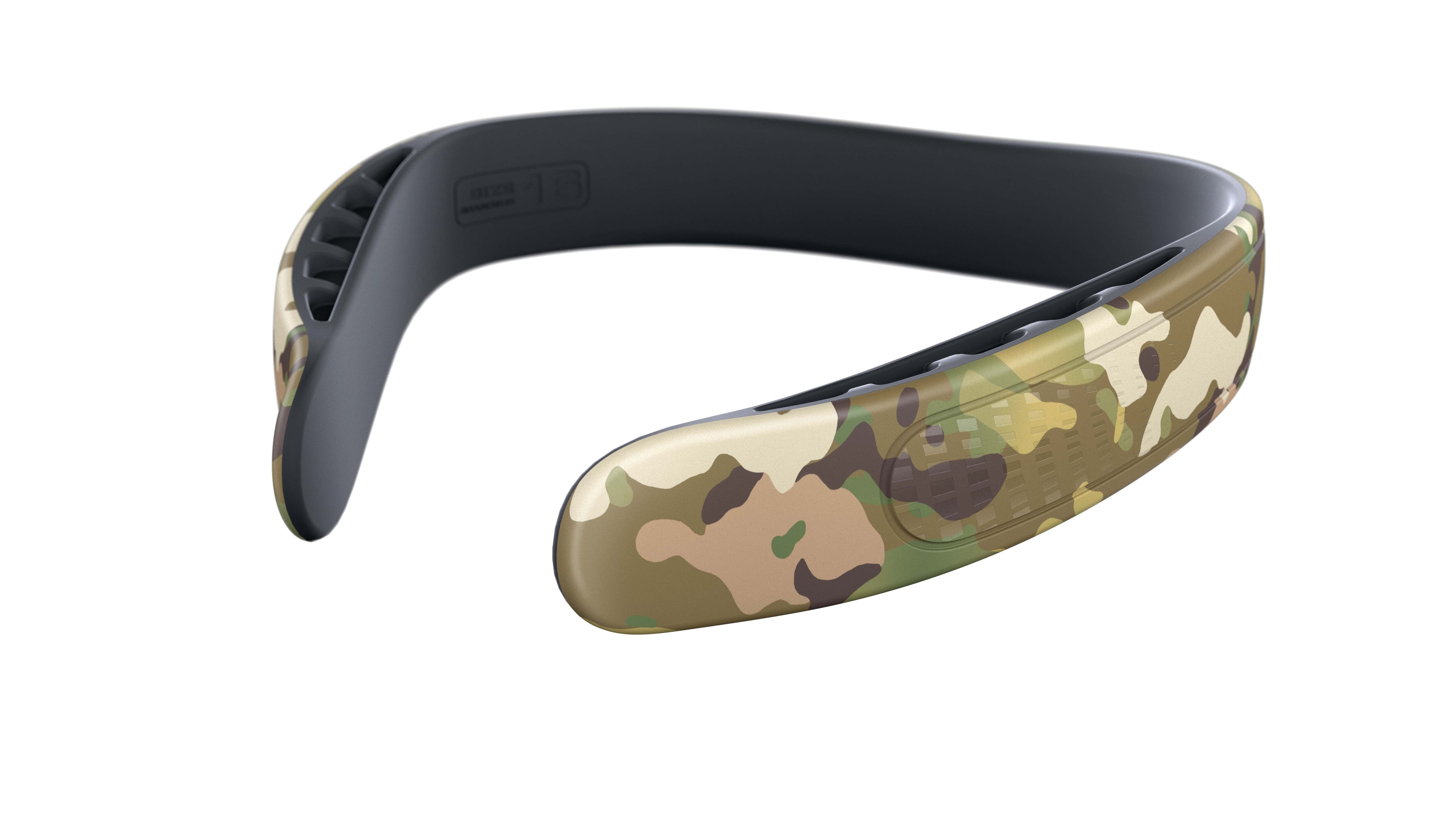
The Q-Collar helps protect athletes from impact-related concussions. Now, the U.S. Army is evaluating if the device could help reduce traumatic brain injury cased by blast weapons.