*By Brian Henry*
There are plenty of perks to growing your own marijuana and while it sounds great in theory, you may not have been gifted with a green thumb. That’s where Seedo comes in.
Seedo’s self-contained grow box lets you grow your own plants with the help of an app — no prior plant or experience needed. The technology was originally created to grow vegetables and herbs without pesticides or climate effects. They soon realized there was a market for the product in the cannabis industry.
CEO, Zohar Levy, told Cheddar that Seedo "does everything for you."
"There is an AI algorithm which analyzes photo and learning machines. There is a camera inside the machine, there is an app, you choose what kind of strain you want to grow, put the seed in the machine and close the door. The algorithm knows to manage all the processes automatically."
Levy told Cheddar it took more than five years to generate the machine learning technology used in Seedo.
"It's improving itself all the time to make it more and more accurate. Inside the machine there is a camera that scans the plants every few hours. The algorithm knows to recognize what is the condition of the plant and give the right perimeters every four hours. There is no fault, no human intervention. It does everything for you."
The U.S. economy is being held up in part by the AI boom, but that boom could still lead to broader prosperity or inequality, says a Nobel Prize winner.
Foundation Robotics co-founder Michael LeBlanc explains how humanoid robots are moving from the lab to military and industrial missions and what comes next.
Jeff Burnstein, President of the Association for Advancing Automation (A3), discusses humanoid robots, AI, smart manufacturing, and the future of U.S. industry.
Should kids be banned from social media? Nick Lichtenberg of Fortune breaks down the global push to restrict under-16 users and what it means for Big Tech.
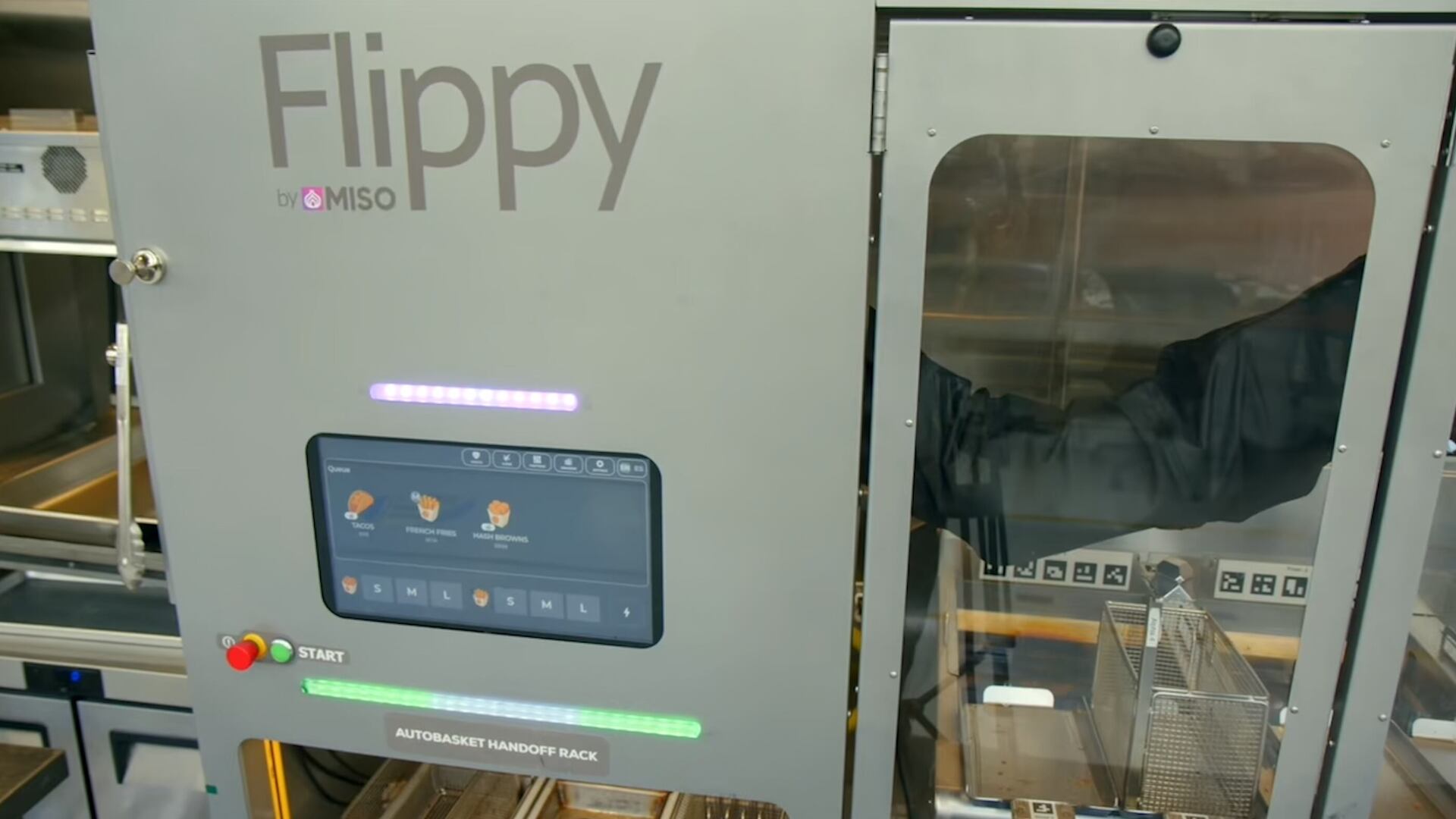
Miso Robotics CEO Rich Hull discusses Flippy Fry Station, the future of AI-powered restaurant automation and how acquiring Zume's IP could reshape food robotics
After two years of AI-fueled spending, Wall Street is asking what's next. Gil Luria breaks down monetization, valuations, winners, losers, and AI's future.