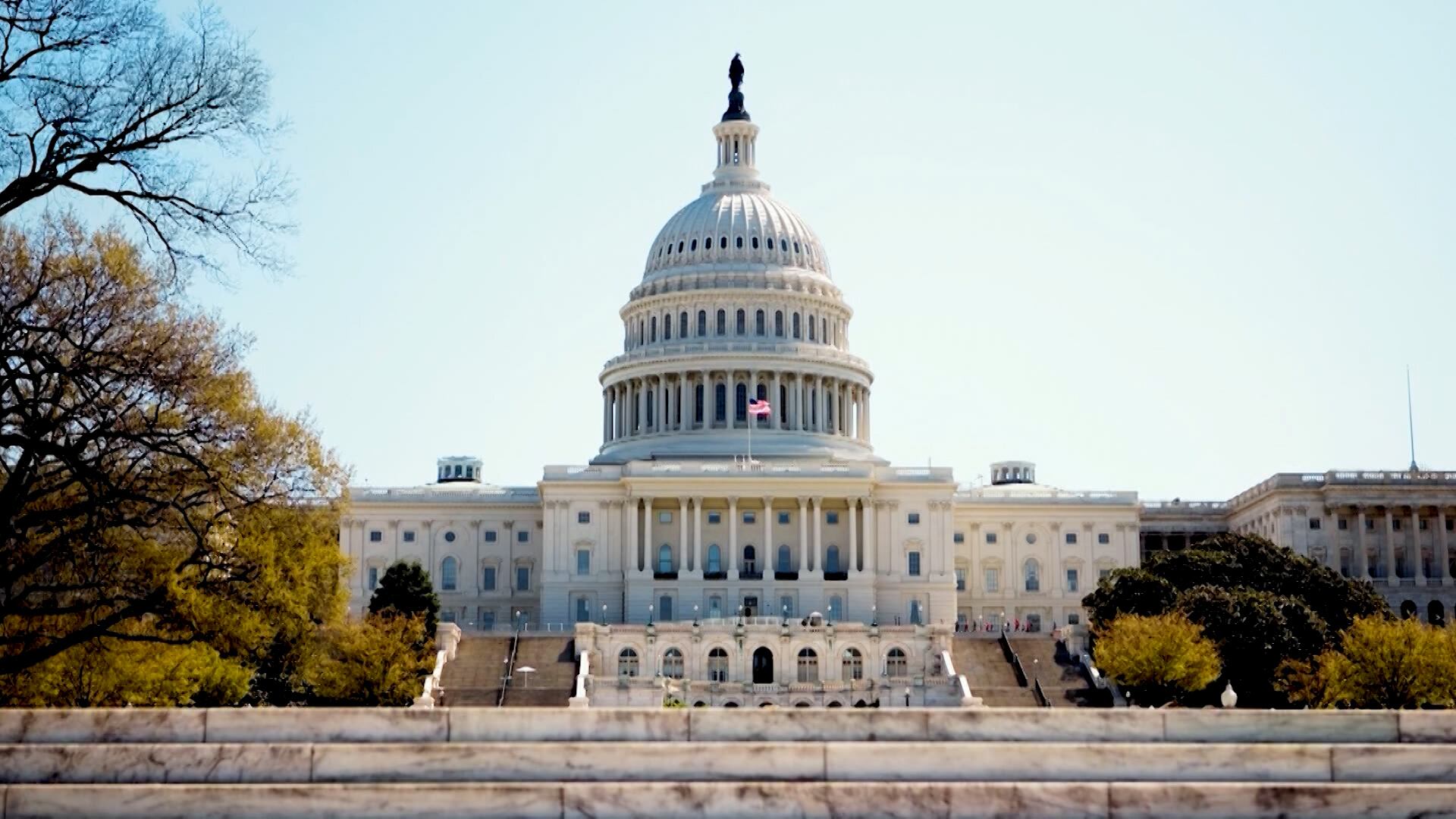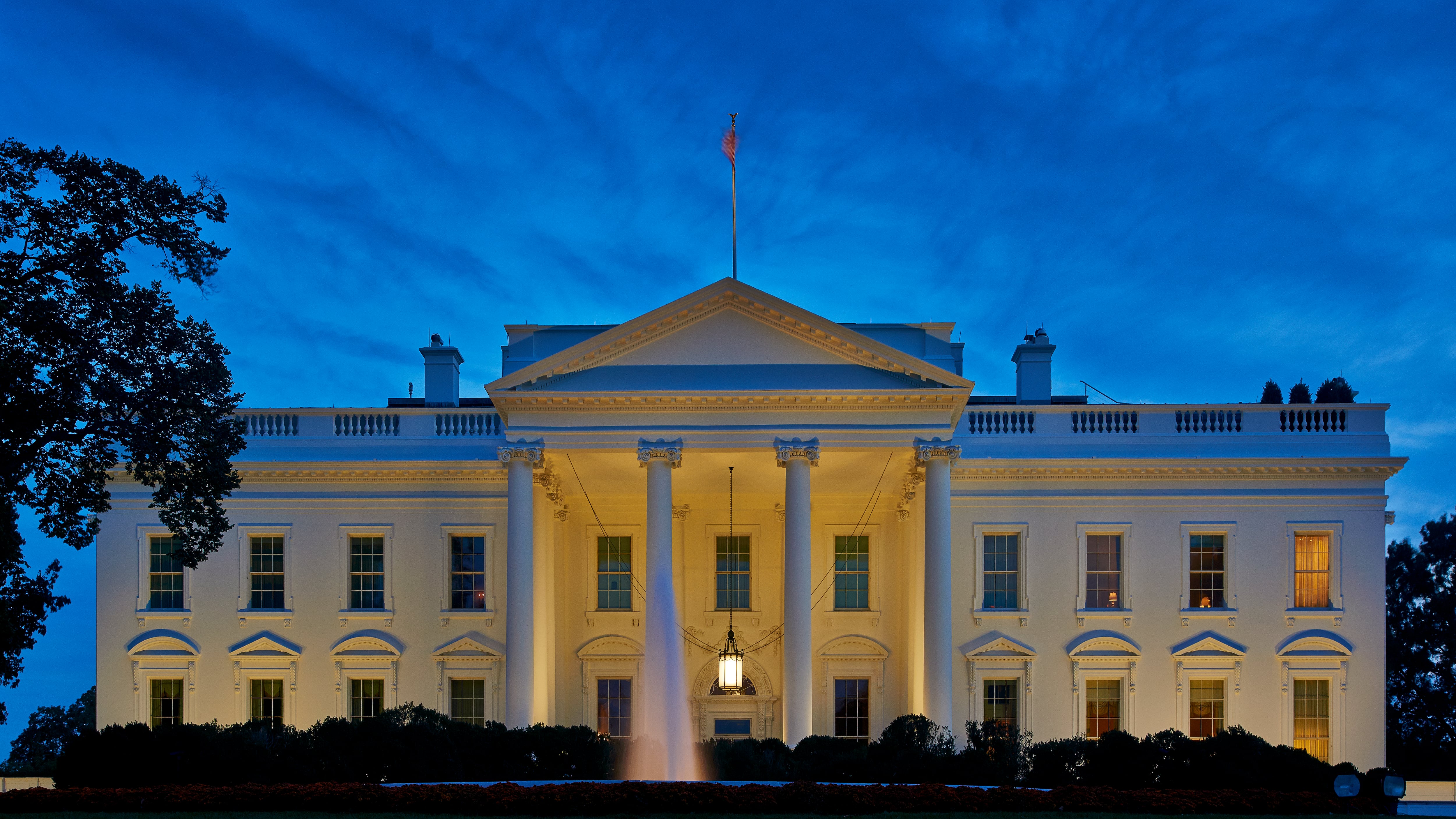
No fingerprints or DNA turned up on the baggie of cocaine found in a lobby at the White House last week despite a sophisticated FBI crime lab analysis, and surveillance footage of the area didn’t identify a suspect, according to a summary of the Secret Service investigation obtained by The Associated Press. There are no leads on who brought the drugs into the building.

U.S. Secret Service agents found the white powder during a routine White House sweep on July 2, in a heavily trafficked West Wing lobby where staff go in and out, and tour groups gather to drop their phones and other belongings.

"Without physical evidence, the investigation will not be able to single out a person of interest from the hundreds of individuals who passed through the vestibule where the cocaine was discovered," Secret Service officials said in the summary.

It's most likely the bag was left behind by one of the hundreds of visitors who traveled in and out of the building over the weekend, according to a person familiar with the investigation who was not authorized to publicly discuss the ongoing probe and spoke to The Associated Press on condition of anonymity.

The presence of cocaine at the White House prompted a flurry of criticism and questions from Republicans, who requested a briefing Thursday on the probe. White House press secretary Karine Jean-Pierre said President Joe Biden believed it was “incredibly important” for the Secret Service to get to the bottom of how the drugs ended up in the White House. The Secret Service is responsible for securing the White House and led the investigation.

Biden wasn’t there at the time of the discovery. He was at Camp David with members of his family for the holiday weekend.

The complex was briefly evacuated as a precaution when the white powder was found. The fire department was called in to test the substance on the spot to determine whether it was hazardous, and the initial test came back negative for a biohazard but positive for cocaine.

The bag was sent for a secondary, more sensitive lab analysis. Homeland Security’s National Biodefense Analysis and Countermeasures Center analyzed the item for any biothreats. Tests conducted at the facility came back negative.

The cocaine and packaging underwent further forensics testing, including advanced fingerprint and DNA work at the FBI's crime laboratory, according to the summary. The FBI also did chemical testing.

Meanwhile, Secret Service investigators put together a list of several hundred individuals who may have accessed the area where the drugs were found. Anyone who comes through the White House must give identifying information and pass through security before entering.

But the lab results didn’t turn up latent fingerprints or DNA, so agents can’t compare anything to the possible suspect pool. White House staff are fingerprinted; participants in tour groups are not.

Video of the West Executive street lobby entrance did not identify the person or provide any solid investigative leads, the Secret Service said.

The lobby is open to staff-led tours of the West Wing, which are scheduled for nonworking hours on the weekends and evenings. Those tours are invitation-only and led by White House staff for friends, family and other guests. Most staffers who work in the complex can request an evening or weekend tour slot, but there is often a long wait list. There were tours on the day, a Sunday, the drugs were found, as well as on the two preceding days.

The Situation Room, where staffers would drop their phones before entering, has been undergoing construction work and was not in use at the time the baggie was found, National Security Adviser Jake Sullivan said last week.
Share:
More In Politics
Shift in Top Political Priorities
Eli Yokley, Senior Reporter at Morning Consult, joins Cheddar News to discuss how Americans are prioritizing economic issues over the pandemic when it comes to voting.
Despite Promises of Jobs to Come, President Biden's Disapproval Rating Hits A New High
President Biden's disapproval rating hit a new high in December according to a poll from CNBC and Change Research, as Americans expressed their disapproval over the current state of the economy. This comes just months after the president signed a historic infrastructure bill back in November that was promised to bring a surge of jobs, especially in the manufacturing sector. Change Research Senior Pollster Nancy Zdunkewicz spoke to Cheddar News about just what is driving the President’s disapproval rating.
Nurses Call For Protection For HealthCare Workers
As the Omicron variant continues to sweep across the country. The US Supreme Court is expected to hear arguments at the end of this week on whether or not the Biden administration can force private companies to vaccinate or test millions of their employees. In addition, the National Nurses United has spearheaded legal action to protect nurses and health care workers, patients, and the public while on the job. President of the National Nurses Union, Zenei Cortez, joined Cheddar to discuss more.
New Executive Order Modernizes Government Services, Top Tech Talent Moves to Federal Government
Far too often, Americans are forced to navigate a tangled web of outdated government websites, offices way out of their reach, and hours of time 'on hold' to access the simple government services they depend on. A recent executive order, signed by President Biden, is intended to improve, streamline and modernize the 'customer' experience when accessing government services. Mina Hsiang, the administrator of the United States Digital Service, joins Cheddar News to discuss how the tech workforce is impacted by this executive order.
Lawmakers Reflect Back on January 6th Capitol Riots
Today marks one year since the January 6 Attack on the United States Capitol. The Country watched as supporters of then-President Trump stormed what was assumed to be the most secure building in the country in an attempt to stop the certification of the 2020 Election. Several lawmakers, including the Vice President, could be seen ducking down as they feared for their lives. Democratic Michigan Representative Dan Kildee, joined Cheddar to discuss more.
Dow Slips into Red Late in Session as Stocks End Friday Lower
Stocks closed lower on Friday as investors continue to worry over rate hikes. John Lynch, CIO of Comerica Wealth Management, joins Cheddar News' Closing Bell, where he says value is back in play with investors. Lynch also believes the market has overreacted to the latest Fed minutes, suggesting a bounce-back at some point.
Bitcoin Price Tumbles First Week of 2022
Ben Armstrong, founder of Bitboy Crypto, joins Cheddar News to discuss Bitcoin's downward trend and what's next for crypto after protests in Kazakhstan cause crypto miners to shut down.
D.C. Attorney General Suing Proud Boys, Oath Keepers
Washington, D.C. Attorney General Karl Racine joins Cheddar Politics to discuss his lawsuit against the extremist groups Proud Boys and Oath Keepers over their role in the January 6 attack on the U.S. Capitol.
The Rise of Domestic Extremism in America
Josh Pasek, a professor at the University of Michigan and expert on political communication and misinformation, joins Cheddar News to discuss how political radicalization happens and how America got to this point.
Looking Ahead to the 2022 Midterm Elections
Kyle Kondik, managing editor at Sabato's Crystal Ball at the University of Virginia Center for Politics, joins Cheddar News to discuss what to expect at the 2022 midterm elections.
Load More