Credit: Image by Erik Pronske Photography via Getty Images
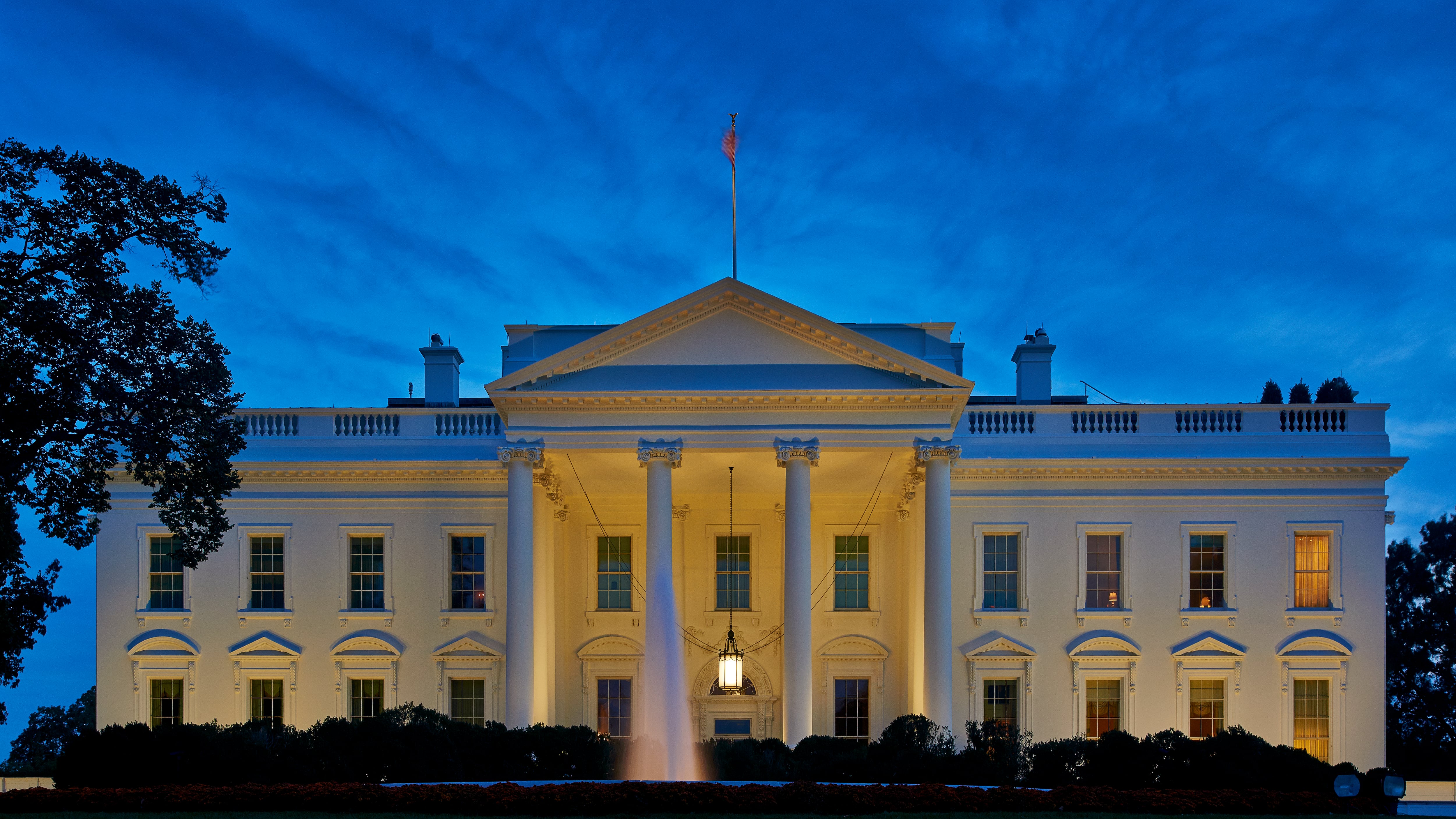
No fingerprints or DNA turned up on the baggie of cocaine found in a lobby at the White House last week despite a sophisticated FBI crime lab analysis, and surveillance footage of the area didn’t identify a suspect, according to a summary of the Secret Service investigation obtained by The Associated Press. There are no leads on who brought the drugs into the building.
U.S. Secret Service agents found the white powder during a routine White House sweep on July 2, in a heavily trafficked West Wing lobby where staff go in and out, and tour groups gather to drop their phones and other belongings.
"Without physical evidence, the investigation will not be able to single out a person of interest from the hundreds of individuals who passed through the vestibule where the cocaine was discovered," Secret Service officials said in the summary.
It's most likely the bag was left behind by one of the hundreds of visitors who traveled in and out of the building over the weekend, according to a person familiar with the investigation who was not authorized to publicly discuss the ongoing probe and spoke to The Associated Press on condition of anonymity.
The presence of cocaine at the White House prompted a flurry of criticism and questions from Republicans, who requested a briefing Thursday on the probe. White House press secretary Karine Jean-Pierre said President Joe Biden believed it was “incredibly important” for the Secret Service to get to the bottom of how the drugs ended up in the White House. The Secret Service is responsible for securing the White House and led the investigation.
Biden wasn’t there at the time of the discovery. He was at Camp David with members of his family for the holiday weekend.
The complex was briefly evacuated as a precaution when the white powder was found. The fire department was called in to test the substance on the spot to determine whether it was hazardous, and the initial test came back negative for a biohazard but positive for cocaine.
The bag was sent for a secondary, more sensitive lab analysis. Homeland Security’s National Biodefense Analysis and Countermeasures Center analyzed the item for any biothreats. Tests conducted at the facility came back negative.
The cocaine and packaging underwent further forensics testing, including advanced fingerprint and DNA work at the FBI's crime laboratory, according to the summary. The FBI also did chemical testing.
Meanwhile, Secret Service investigators put together a list of several hundred individuals who may have accessed the area where the drugs were found. Anyone who comes through the White House must give identifying information and pass through security before entering.
But the lab results didn’t turn up latent fingerprints or DNA, so agents can’t compare anything to the possible suspect pool. White House staff are fingerprinted; participants in tour groups are not.
Video of the West Executive street lobby entrance did not identify the person or provide any solid investigative leads, the Secret Service said.
The lobby is open to staff-led tours of the West Wing, which are scheduled for nonworking hours on the weekends and evenings. Those tours are invitation-only and led by White House staff for friends, family and other guests. Most staffers who work in the complex can request an evening or weekend tour slot, but there is often a long wait list. There were tours on the day, a Sunday, the drugs were found, as well as on the two preceding days.
The Situation Room, where staffers would drop their phones before entering, has been undergoing construction work and was not in use at the time the baggie was found, National Security Adviser Jake Sullivan said last week.
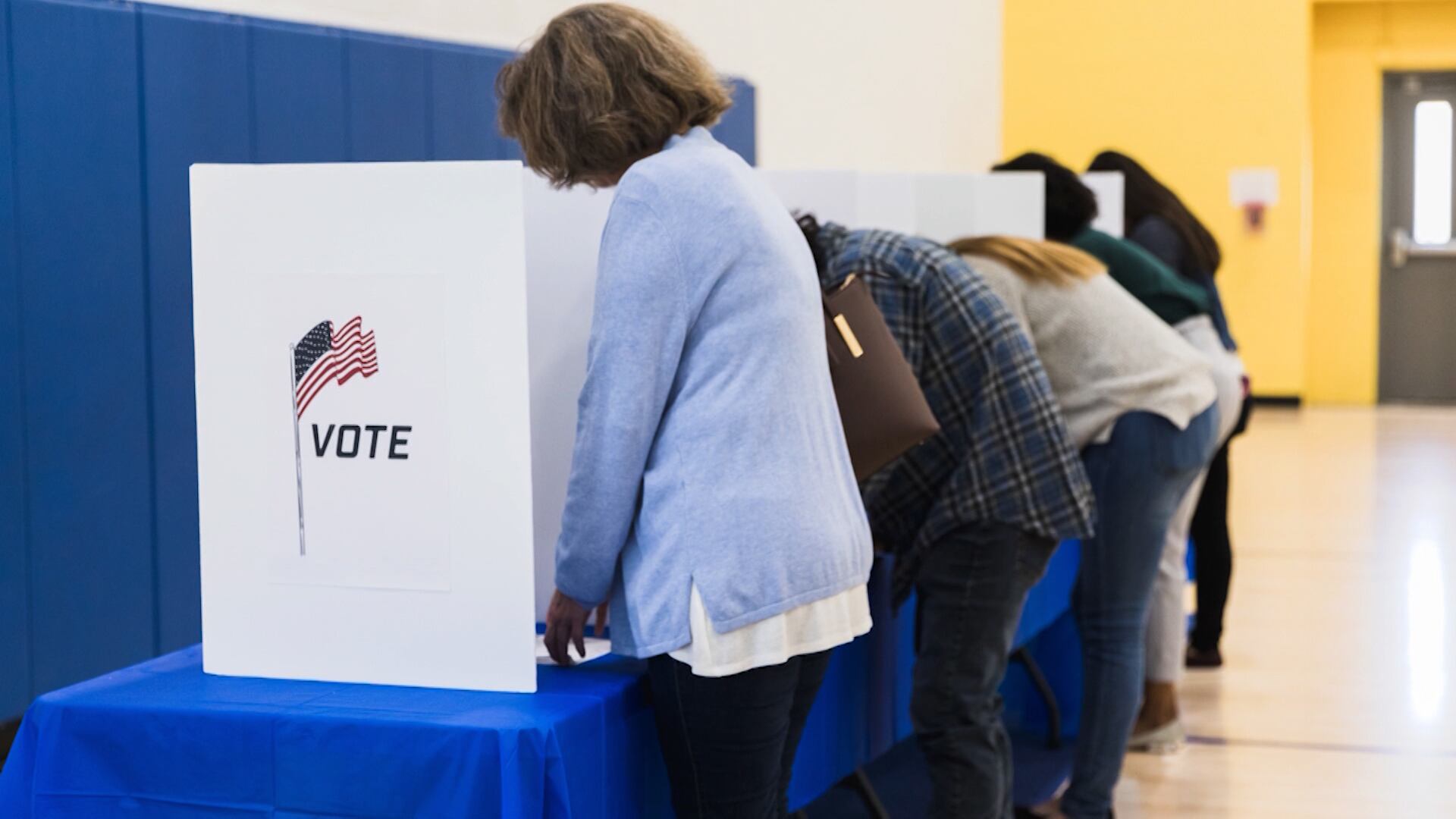
Joe Kennedy III, a former congressman and co-founder of Give Us the Ballot, joined Cheddar News to discuss voting protections in the United States and how his campaign is aiming to fix the issue of voter suppression. "Yes, redistricting is critical — Give Us the Ballot though recognizes it's 'redistricting, and —', because voting rights has an implication for every single election at every single level: school board, mayor, city council, House of Representatives, Senate, president," he said. Kennedy also gave his thoughts about the retirement of Justice Stephen Breyer.
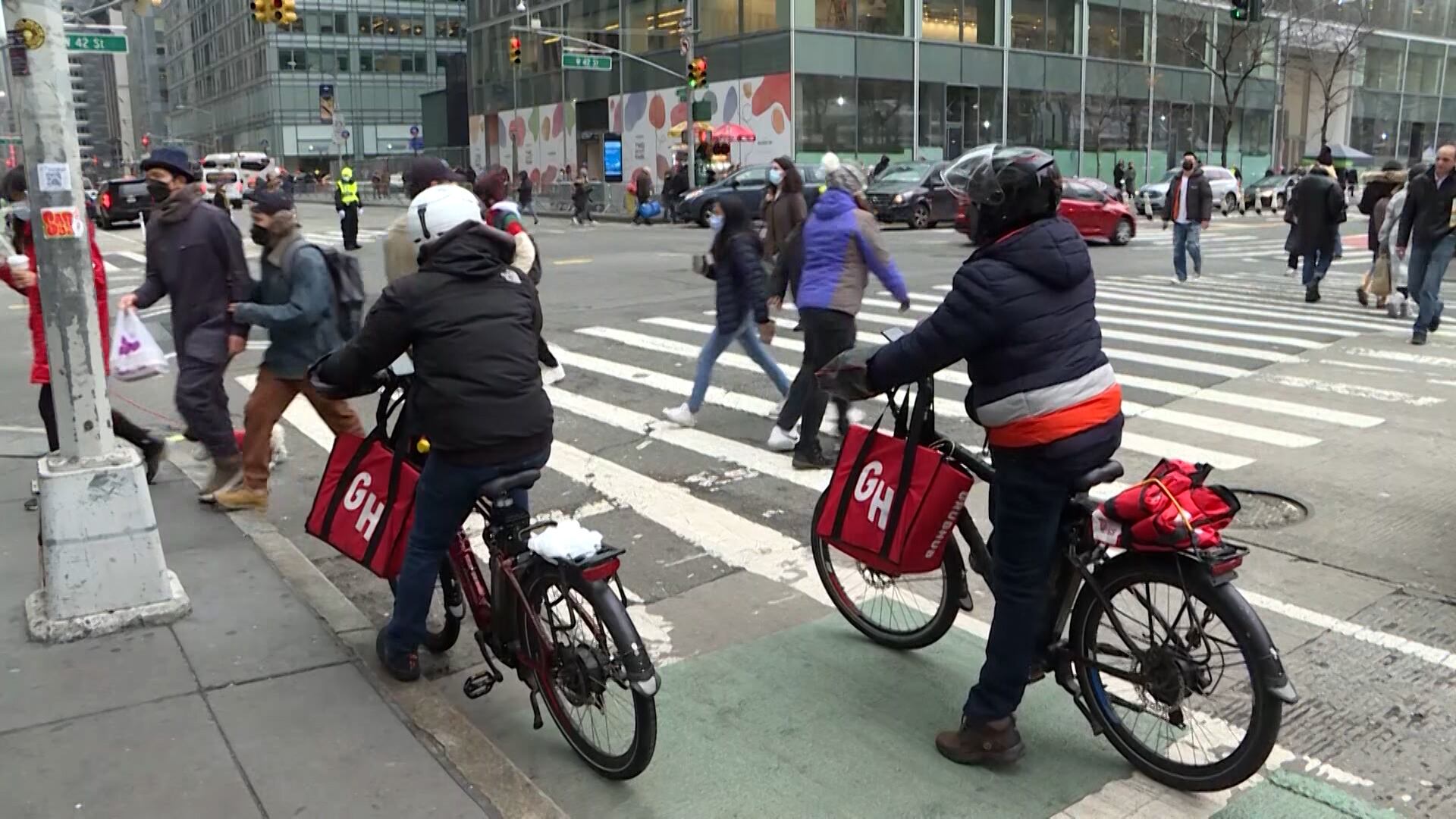
Big Apple workers who deliver for food apps like Doordash and Grubhub will now receive a number of legal protections provided through a package of new regulations that have started going into effect. These updated rules include more control over their deliveries, pay and tip transparency, a higher minimum pay rate, and access to restaurant bathrooms during the workday. New York City Comptroller Brad Lander joined Cheddar to elaborate on the regulations and how the platform holders reacted. "I have to say it's a mixed bag," he said. "Grubhub actually welcomed the legislation and said they recognize they need to do better by their deliveristas, but DoorDash, unfortunately, has actually been pushing back against the legislation."
Thomas Hoenig, Former CEO of Federal Reserve Bank of Kansas City and currently Distinguished Senior Fellow with the Mercatus Center, joined Cheddar News' Closing Bell, where he says the Fed's decision was no surprise, but believes the Fed is behind the curve on raising rates.
Legal cannabis businesses are having a hard time surviving in California with the high cost of doing business and a still-thriving illicit market. In response, nonprofit Supernova Women, founded by women of color, is advocating on behalf of Black and brown shareholders in the cannabis industry. Amber Senter, co-founder, executive director, and chairman of the organization, spoke with Cheddar News about calling for changes in the Golden State's taxation system for legal marijuana. "We're really leaning on the legislators now to support the industry and make sure that this industry, in particular craft cannabis, can survive," said Senter.
After being among the hardest-hit industries by the pandemic, restaurants are still having a hard time staying afloat, with owners claiming that business is worse now due to closures from staff shortages and customer decline than it was three months ago. Mike Whatley, vice president of state affairs and grassroots advocacy for the National Restaurant Association, spoke to Cheddar News about how the sector is reaching out to lawmakers for help. "Working with Senators Wicker, Sinema, and a whole host of bipartisan leaders, we're trying to get the Restaurant Revitalization Fund replenished," Whatley said.
Communities of color are disproportionately affected by climate change and continuously feel the impacts. Mark Magaña, founding president and CEO of Green Latinos joined All Hands to discuss.
The memoir, "COMPROMISED: Counterintelligence and the Threat of Donald J. Trump", tells a familiar story from a bit of a different source: Peter Strzok himself, former FBI Counterintelligence Agents and Agency Veteran who spent most of his very long career investigating some of the most controversial inquiries, most notably in recent American history. Those inquiries were Hillary Clinton's email to even Trump Russia investigations. Former FBI Agent and Author of "Compromised" Peter Strzok, joined Cheddar to discuss more.