The SAG-AFTRA National Board over the weekend voted unanimously to express solidarity with the Writers Guild of America and its plans to go on strike amid ongoing negotiations with studios and streamers.
“History shows that fairness and equity to the workers who power the creativity of the entertainment industry has only been achieved through solidarity and the efforts of those workers working within their labor unions and guilds,” read a statement from SAG-AFTRA.
“Changes in the economics of the entertainment industry have worked to the great benefit of large corporate employers and in many cases to the detriment of the creators who make their businesses possible.”
Inflation is forcing many Americans to put their retirement plans on hold. According to a new survey from BMO Harris Bank, 25% of people will need to delay their retirement because of rising prices, and 21% of respondents are saving less money for retirement to keep up with the growing costs. Paul Dilda, Head of Consumer Strategy at BMO Harris Bank, breaks down the survey and gives some tips on how to keep up with rising prices.
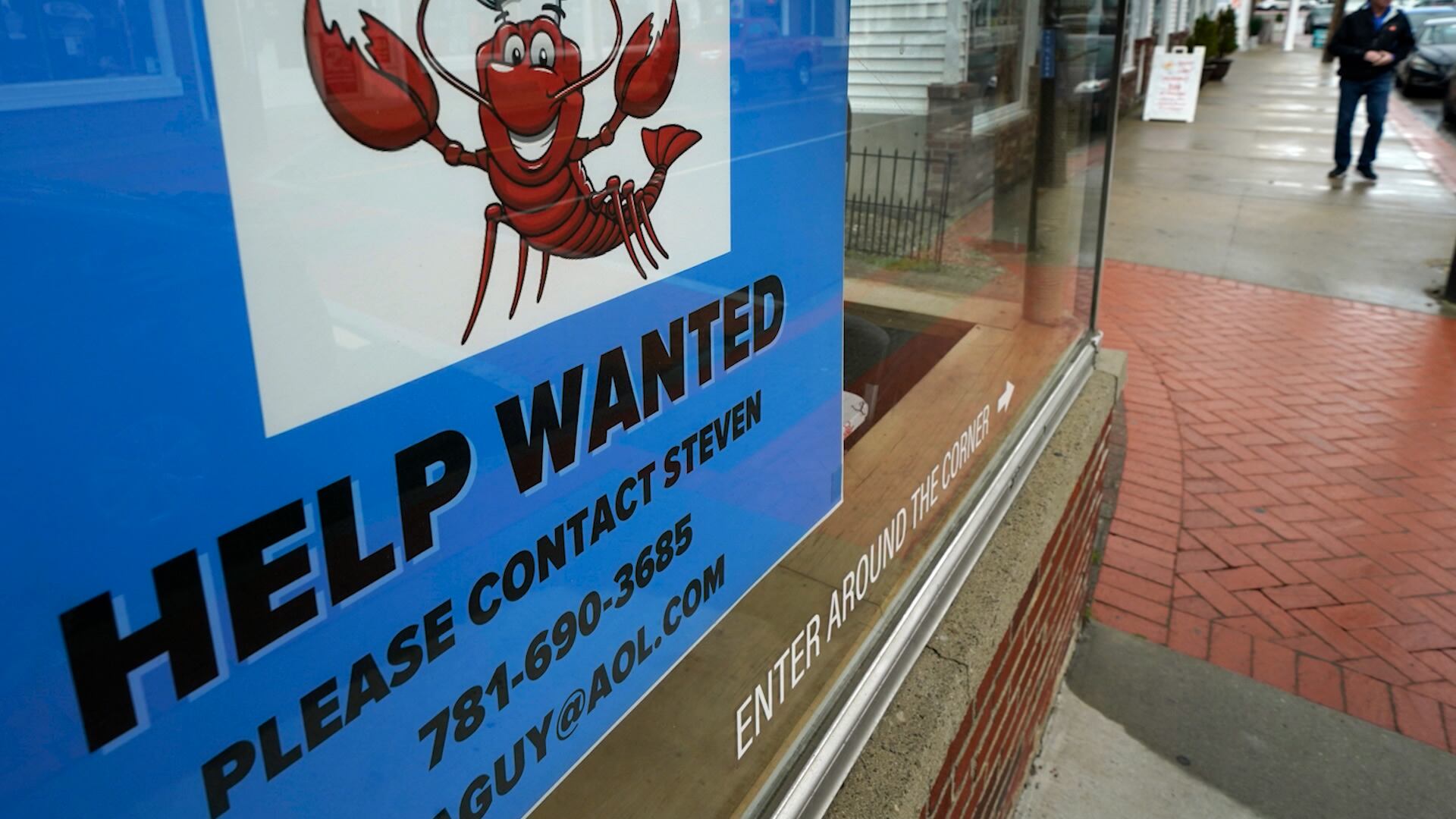
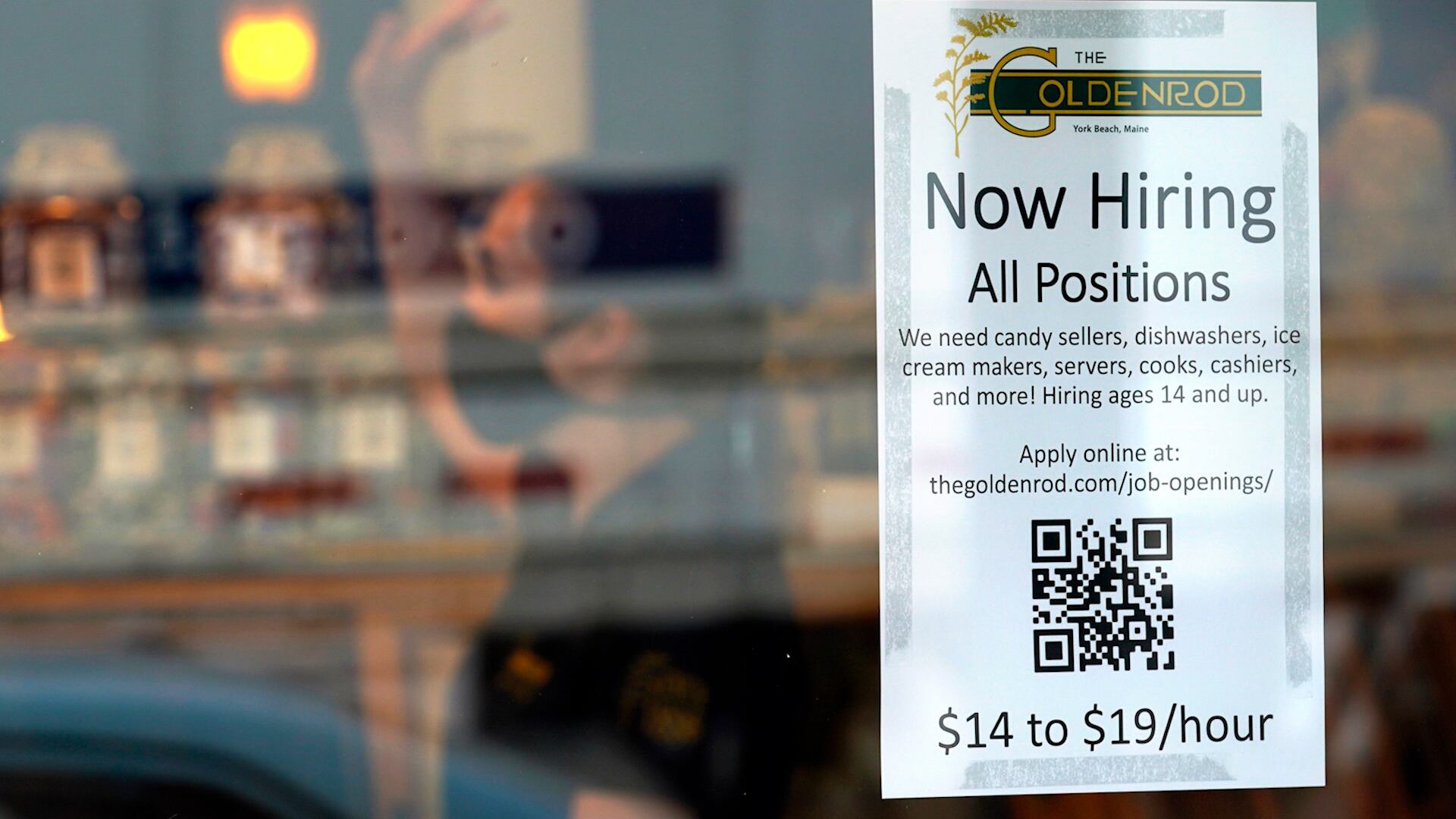
The labor market continues to be hot, with job openings at record highs and jobless claims dropping by the thousands. While that's good news for workers, experts say it can add to inflation risks and make the Fed's job even harder when it comes to cooling inflation. José Torres, Senior Economist at Interactive Brokers, breaks down what a tight labor market means for the economy.
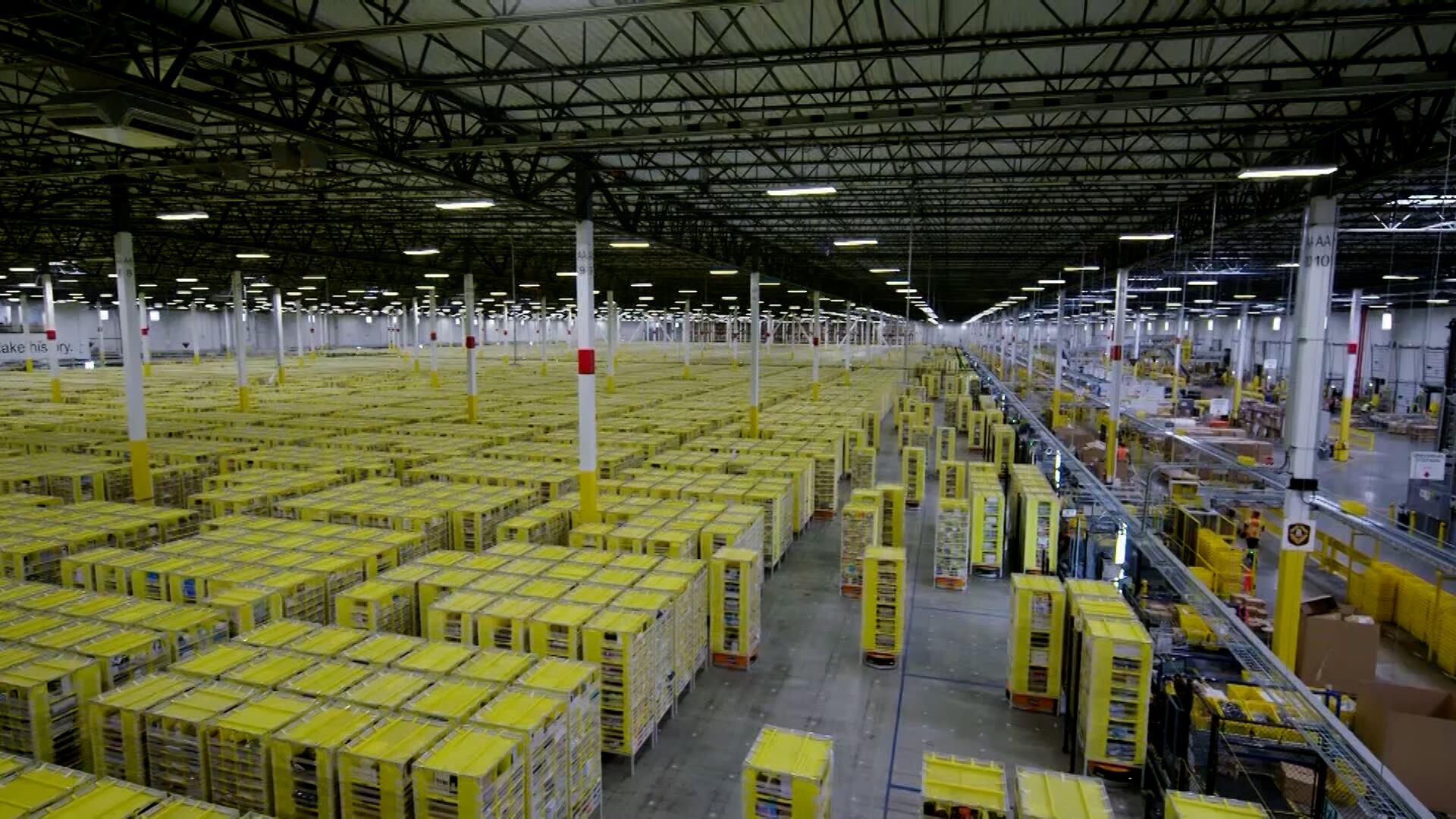
Amazon's stock split officially takes effect today. It's a 20-for-1 split, meaning if you own one share of the e-commerce giant, you'll have 20 shares after the split, with each costing about 1/20th of the previous price. Jeff Zananiri, the head trading strategist at Joy of the Trade, breaks down what the stock split means for investors.
The labor market continues to be strong. The U.S. added 390,000 jobs in May, while the unemployment rate held steady at 3.6%. Julia Pollak, Chief Economist for ZipRecruiter, breaks down the latest data and what it means for the economy.
In another round of sweeping sanctions against Russia for its war on Ukraine, European Union leaders have agreed to ban the vast majority of Russian oil by the end of the year. But, the embargo covers only Russian oil brought in by sea, allowing an exemption for fuel imported via pipeline. Christine McDaniel, a senior fellow with the Mercatus Center, discusses just how significant this deal is, and what impact it might have on the global energy sector.
Elon Musk is threatening to end his $44 billion agreement to buy Twitter, accusing the company of refusing to give him information about its spam bot accounts.
Stocks ticked higher Monday as Wall Street keeps wrestling with whether the economy will successfully avoid a recession amid rising interest rates and high inflation.