Supreme Court Upholds Trump's Travel Ban on Muslim Countries
*By Alisha Haridasani*
The Supreme Court on Tuesday upheld President Trump’s temporary ban on immigrants and refugees from several mostly Muslim countries, rejecting the arguments that the policy went beyond presidential powers and discriminated against one religion.
“The president has lawfully exercised the broad discretion granted to him,” said Chief Justice John Roberts, [writing](http://cdn.cnn.com/cnn/2018/images/06/26/travel.ban.pdf) for the majority.
The 5-4 ruling fell along partisan lines, and the difference between the two sides fundamentally boiled down to a close reading of the Constitution as it applied to the travel policy versus a broader approach to the case.
"Certainly the conservative block of the Supreme Court was looking very narrowly at the president's power," said Joe Williams, senior news editor at U.S. News. "The opposing side was looking more at whether or not this was the right thing to do."
The justices who dissented pointed to Trump's campaign promise to ban Muslims from entering the U.S. as potentially motivating the policy, in which case it would be unlawful.
“The United States of America is a nation built upon the promise of religious liberty,” wrote Justice Sonia Sotomayor in a strongly-worded dissent. “The court’s decision today fails to safeguard that principle.”
Judge Sotomayor even went so far as to compare Trump's policy to the internment of Japanese people during the second World War.
But the majority of conservative judges concluded that the president's campaign rhetoric was irrelevant and didn't negate his right to determine immigration policies.
The president responded jubilantly, describing the ruling as “a tremendous victory for the American people and for our Constitution.”
Trump, in one of his first acts as commander-in-chief, signed an executive order last year that banned travel from Iraq, Syria, Iran, Libya, Somalia, Sudan, and Yemen for national security reasons. The policy, which many opponents perceived as thinly veiled religious bias, set off a national backlash and widespread protests.
After two lower courts decided that the policy was both unconstitutional and [unlikely to protect the country](https://www.cnn.com/2017/02/09/politics/travel-ban-9th-circuit-ruling-full-text/index.html) from terrorism, the administration drew up a version that excluded Iraq and Sudan, added Chad, Venezuela, and North Korea, and contained waivers for green card holders or students. It didn't single out any religion in the text.
A federal judge in Hawaii halted the implementation of that modified policy nationwide in October, and the Supreme Court ruling is related to that ruling.
In December, the Supreme Court allowed the current version of the ban, weakened from its controversial initial form, to take effect while the case worked its way through the legal system.
For the full segment, [click here.](https://cheddar.com/videos/scotus-upholds-trumps-travel-ban-2)
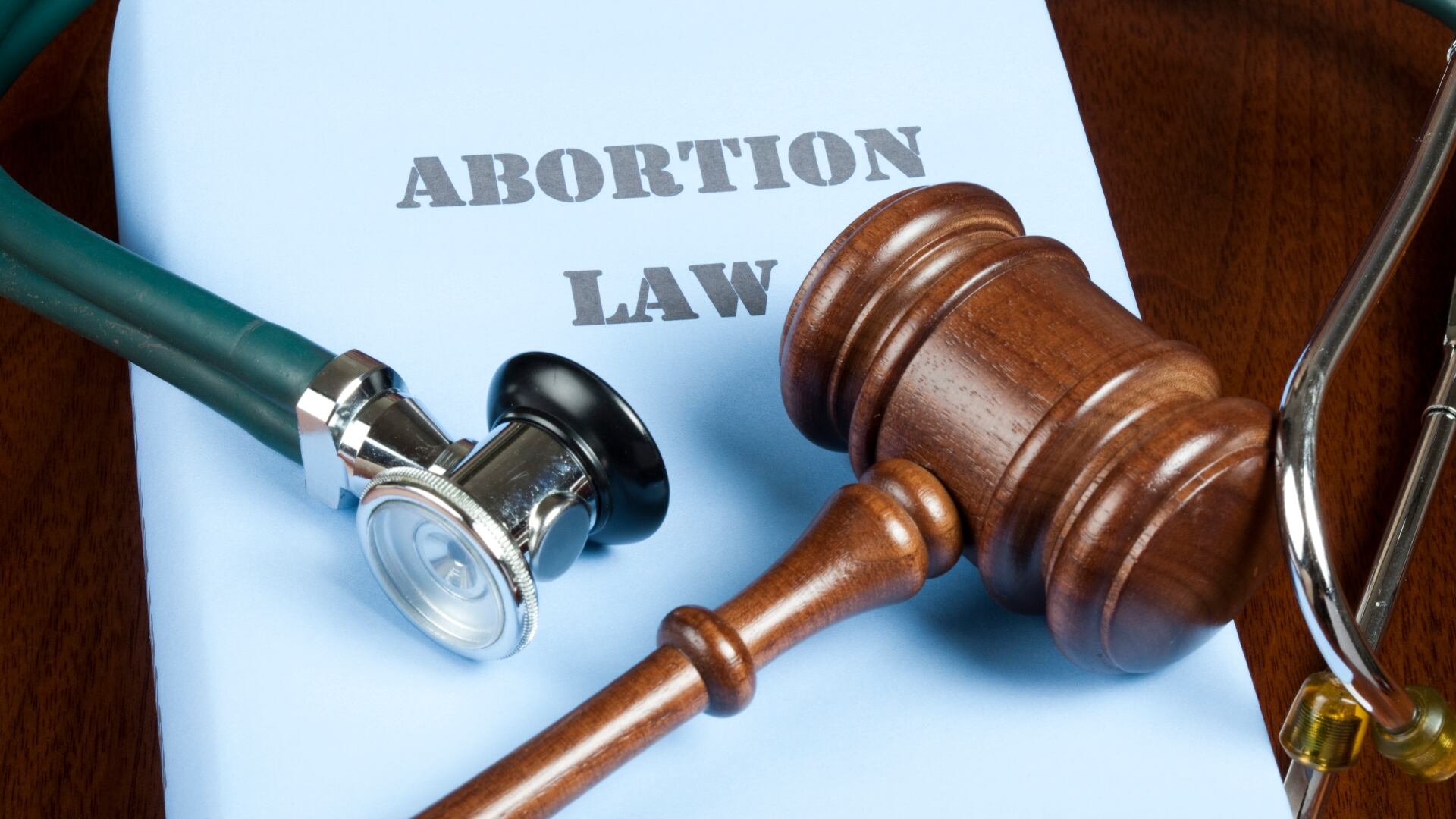
The Supreme Court has declined to order the Texas Abortion case back to the original trial judge for further proceedings. Essentially if Texas abortion providers were able to get their case back to the lower court., It would have greatly helped the group move against the law. However, this decision is likely to prolong the case legal battle. Professor and Author of "The Turnaway Study: Ten Years, a Thousand Women, and the Consequences of Having — Or Being Denied — An Abortion", Diane Foster, joined Cheddar to discuss more.
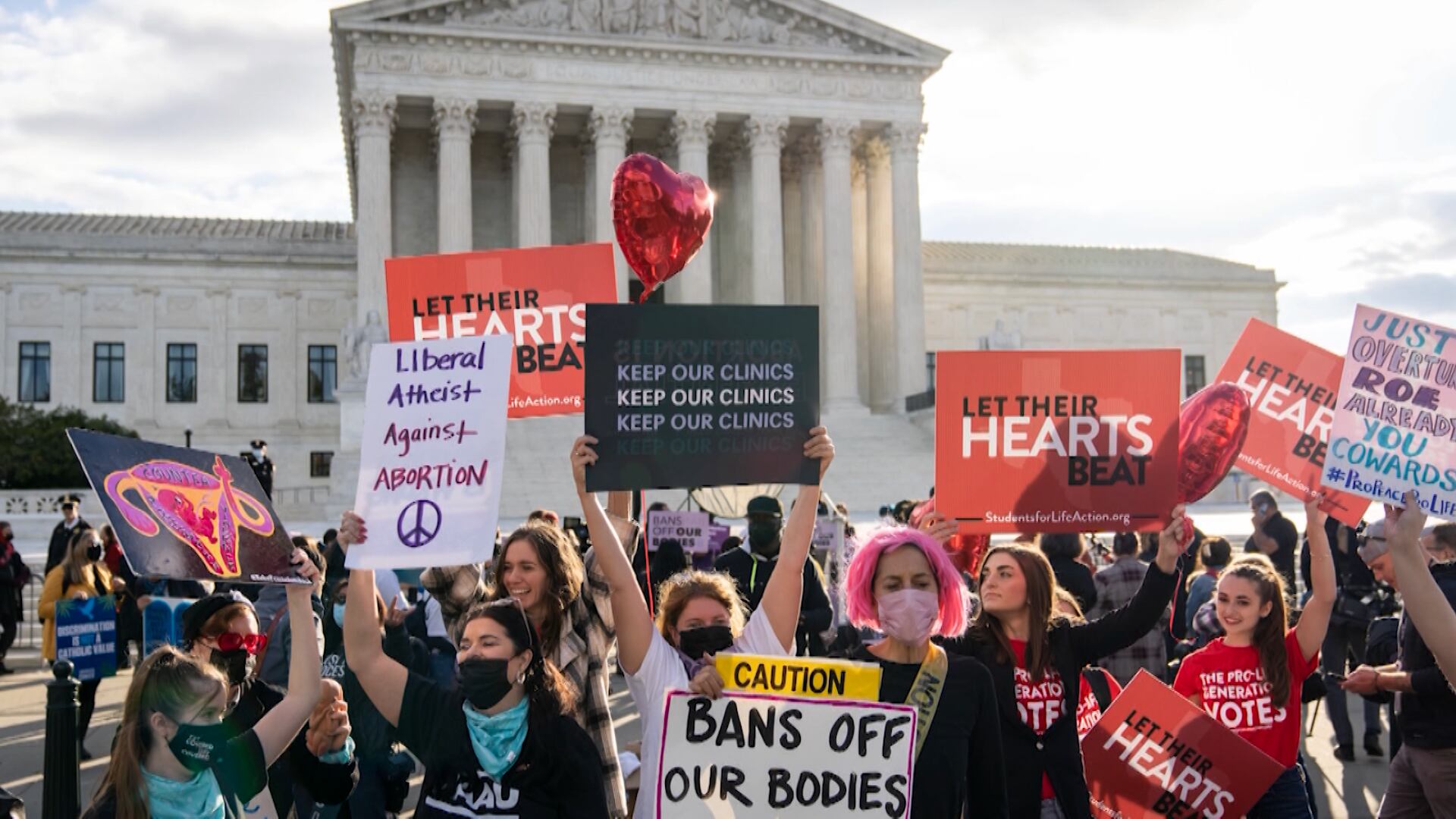
The Supreme Court rejected yet another bid by abortion providers to block Texas's law - which bans most abortions after six weeks of pregnancy. This is the fourth time that advocates have tried and failed to block the most restrictive abortion ban in the country. Leah Litman, assistant professor of law at The University of Michigan and co-host of the "Strict Scrutiny" podcast, joins Cheddar News to discuss.
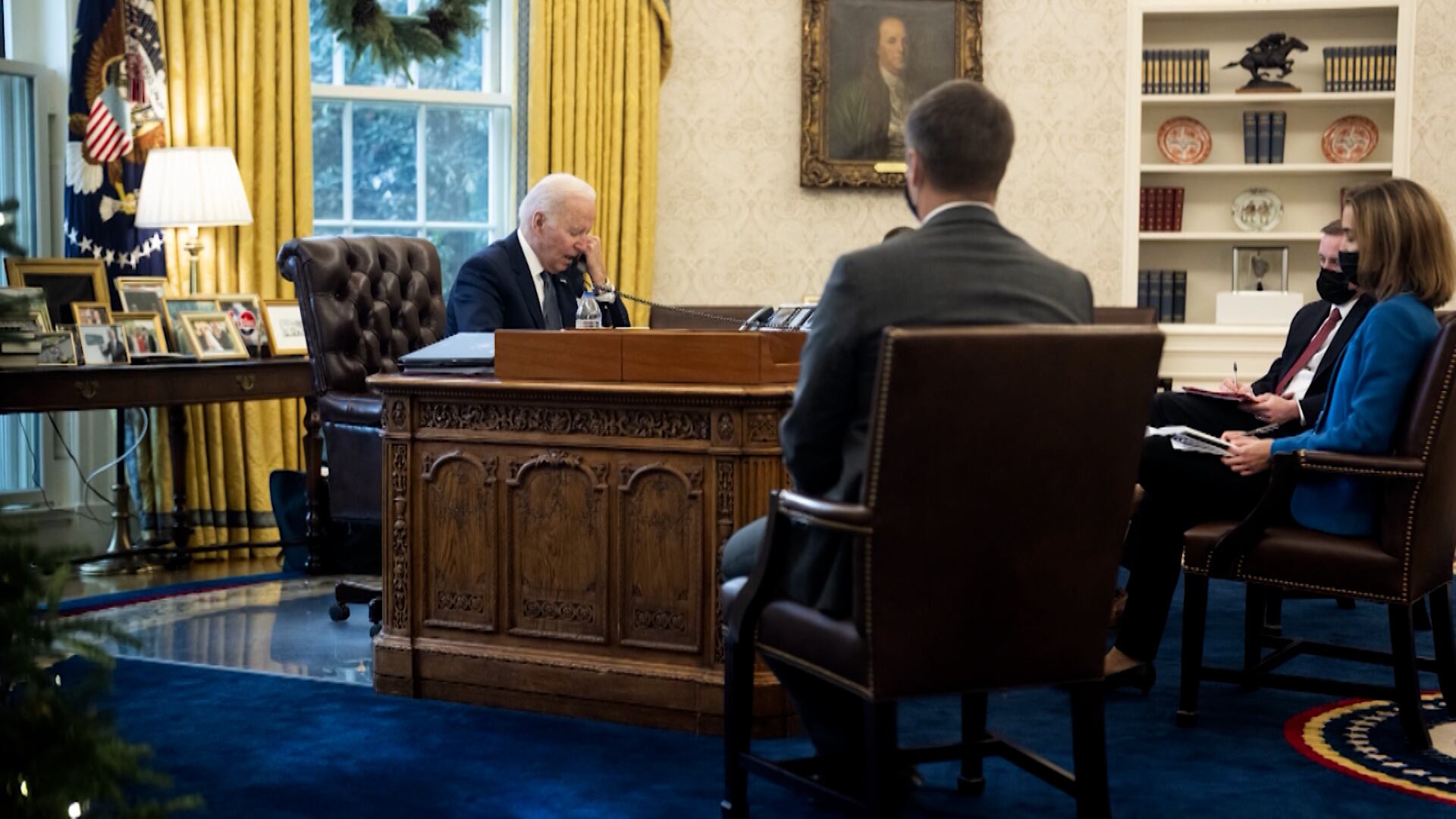
As the standoff between the U.S. and its allies continues with Russia over its possible designs to invade Ukraine, President Biden held a video conference call with European leadership and had 8,500 American troops put on high alert. Jamil Jaffer, a former associate White House counsel for the Bush Administration, joined Cheddar to discuss his views on the escalating crisis in Eastern Europe.
As controversy dogs the run-up to the 2022 Beijing Winter Olympics, China is hiring TikTokers and other social media influencers to promote the nation's history, culture, diplomatic efforts, and current trends.
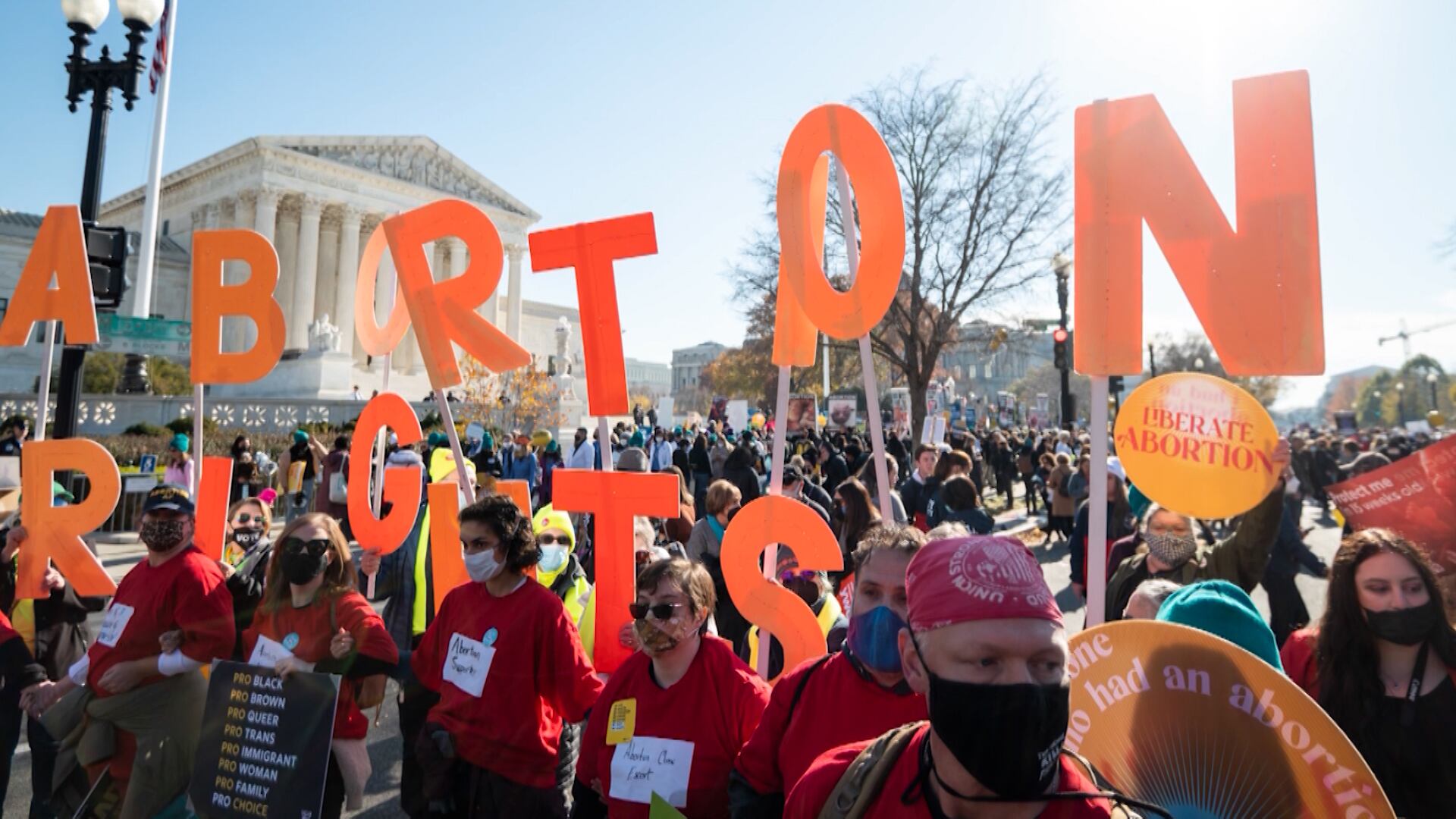
The Supreme Court has rejected another request to block Texas' strict abortion law. This marks the third time the high court has declined to intervene in challenges to the law that bans abortions after six weeks, well before many women even know they're pregnant. Aziza Ahmed, professor of law at the University of California, Irvine, joined Cheddar News to discuss the impact of the law so far on women seeking abortion services in Texas.
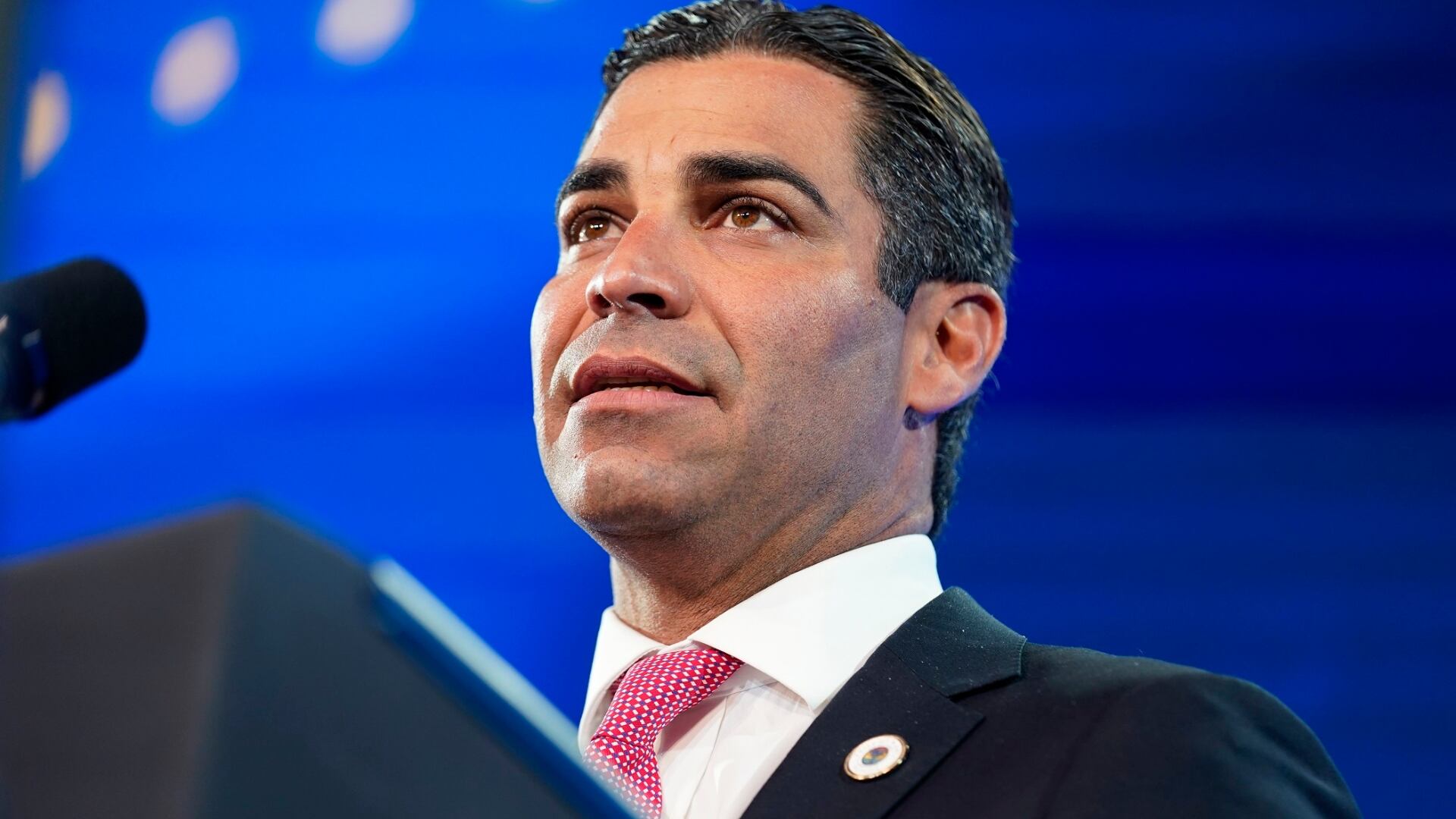
Mayors in cities like Miami and New York City are considering introducing cryptocurrencies as a way to reduce economic inequality. Miami Mayor Francis X. Suarez has even pushed for distributing Bitcoin dividends to the city's inhabitants.
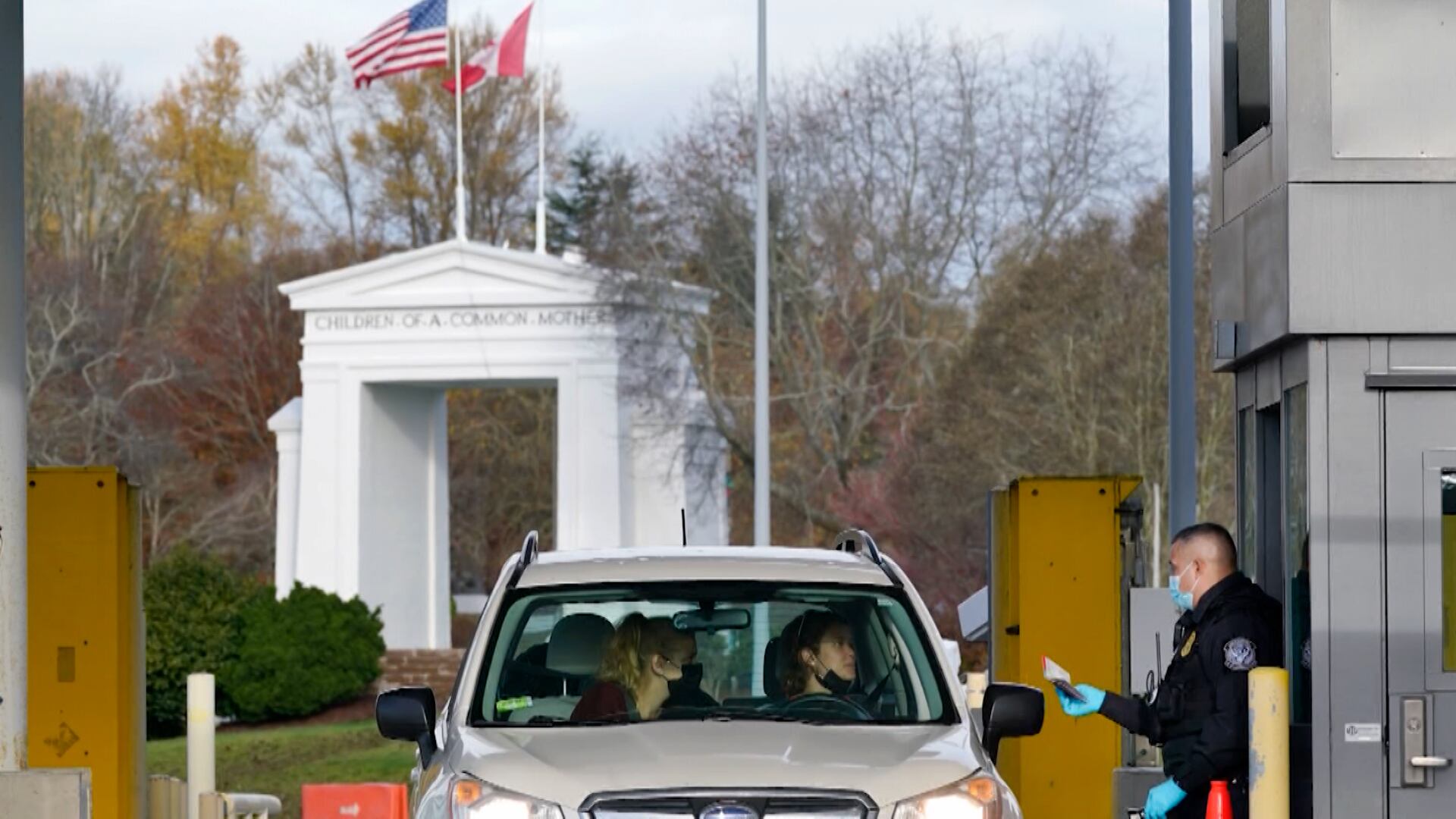
The U.S. will be implementing a vaccine mandate for all people entering through its land borders, removing exemptions for "essential" travelers such as truckers, students, and business people. While the Canadian Trucking Alliance argues that the new, stricter rule might exacerbate ongoing auto supply chain issues, some health experts see the potential for helping curb the ongoing pandemic. Anthony Santella, a professor of health administration at the University of New Haven, joined Cheddar to give his take on the updated border crossing restriction. "We can't just focus on one type of travel. We need to ensure that it's clear and consistent across all types of travel," Santella said.
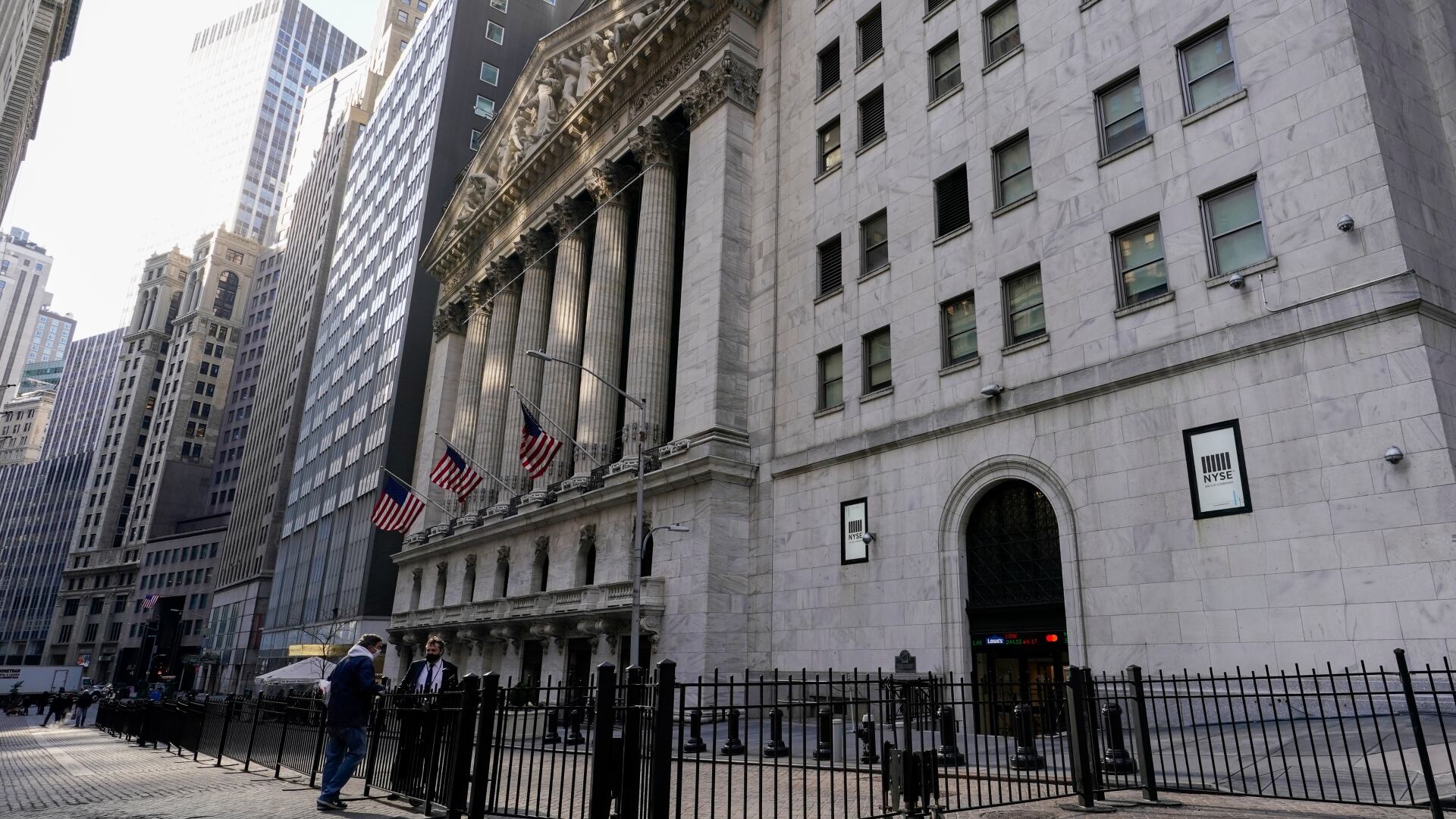
Will Rhind, CEO of GraniteShares, joins Cheddar News' Closing Bell, where he says he believes the Fed's plans of increasing rates is taking its toll on some of the more speculative stocks and the technology market.