Now that last month's sizzling numbers are all in, the European climate monitoring organization made it official: July 2023 was Earth's hottest month on record by a wide margin.
July's global average temperature of 16.95 degrees Celsius (62.51 degrees Fahrenheit) was a third of a degree Celsius (six tenths of a degree Fahrenheit) higher than the previous record set in 2019, Copernicus Climate Change Service announced Tuesday. Normally global temperature records are broken by hundredths or a tenth of a degree, so this margin is unusual.
“These records have dire consequences for both people and the planet exposed to ever more frequent and intense extreme events," said Copernicus deputy director Samantha Burgess. There have been deadly heat waves in the Southwestern United States and Mexico, Europe and Asia. Scientific quick studies put the blame on human-caused climate change from the burning of coal, oil and natural gas.
The previous single-day heat record was set in 2016 and tied in 2022. From July 3, each day has exceeded that record. It's been so warm that Copernicus and the World Meteorological Organization made the unusual announcement that it was likely the hottest month days before it ended. Tuesday's calculations made it official.
“We should not care about July because it’s a record, but because it won’t be a record for long,” said Imperial College of London climate scientist Friederike Otto. “It’s an indicator of how much we have changed the climate. We are living in a very different world, one that our societies are not adapted to live in very well.”
The global average temperature last month was 1.5 degrees Celsius (2.7 degrees Fahrenheit) warmer than pre-industrial times. In 2015, the nations of the world agreed to try to prevent long-term warming — not individual months or even years, but decades — that is 1.5 degrees warmer than pre-industrial times.
Last month was so hot, it was .7 degrees Celsius (1.3 degrees Fahrenheit) hotter than the average July from 1991 to 2020, Copernicus said. The world's oceans were half a degree Celsius (0.9 degrees Fahrenheit) warmer than the previous 30 years and the North Atlantic was 1.05 degrees Celsius (1.9 degrees Fahrenheit) hotter than average. Antarctica set record lows for sea ice, 15% below average for this time of year.
Copernicus, a division of the European Union’s space program, has records going back to 1940. July's temperature would be hotter than any month the U.S. National Oceanic and Atmospheric Administration has recorded and their records go back to 1850. But scientists say it’s actually the hottest in a far longer time period.
“It's a stunning record and makes it quite clearly the warmest month on Earth in 10,000 years,” said Stefan Rahmstorf, a climate scientist at the Potsdam Institute for Climate Research in Germany. He wasn't part of the Copernicus team.
Rahmstorf cited studies that use tree rings and other proxies that show present times are the warmest since the beginning of the Holocene Epoch, about 10,000 years ago. And before the Holocene started there was an ice age, so it would be logical to even say this is the warmest record for 120,000 years, he said.
Associated Press climate and environmental coverage receives support from several private foundations. See more about AP’s climate initiative here. The AP is solely responsible for all content.
Catching you up on the stories you need to know this morning, mass shooting victims testify on Capitol Hill, the White House outlines its plan to vaccinate kids younger than five years old, and we break down how to protect yourself from monkeypox.
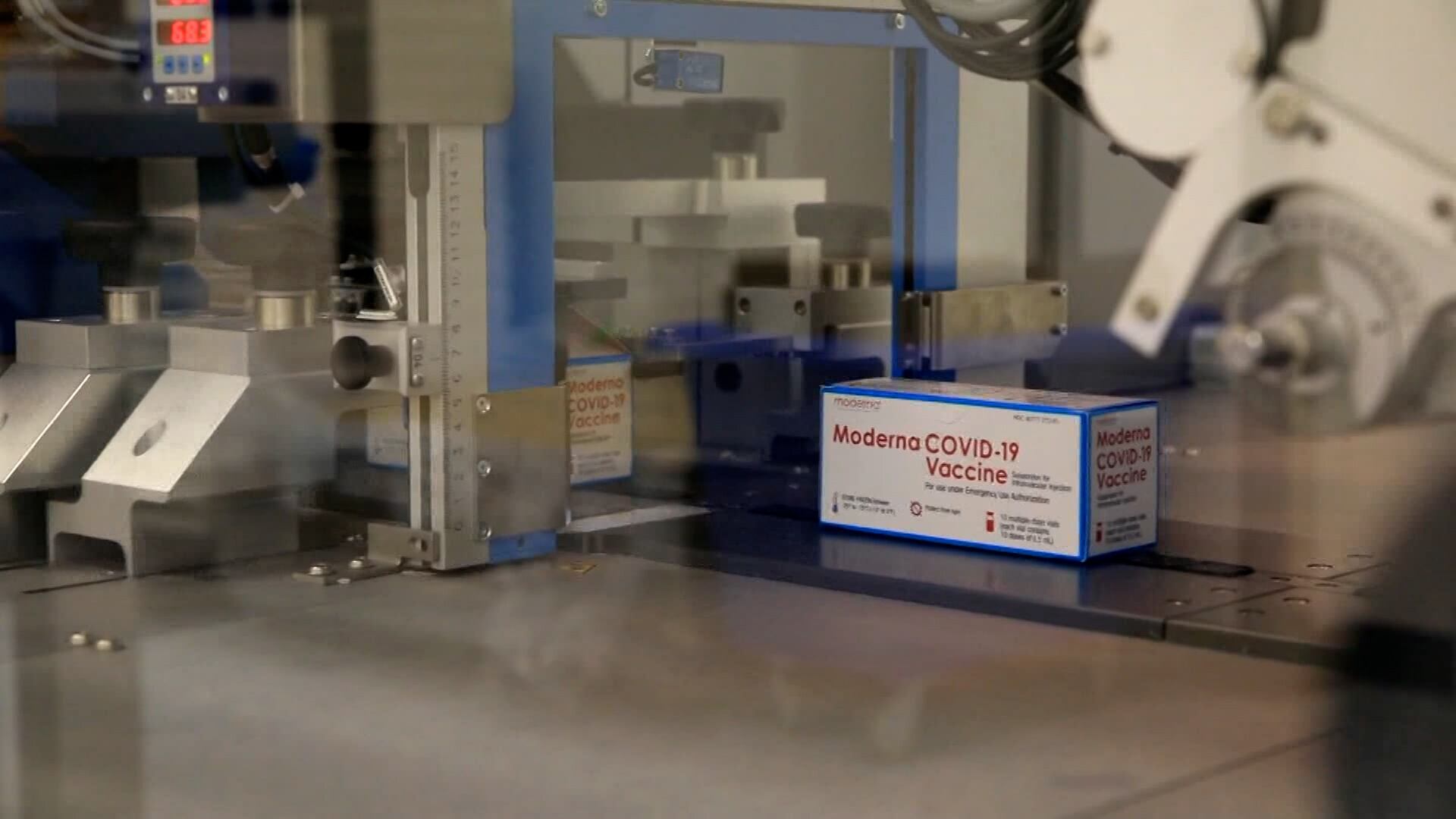
The pharmaceutical giant Moderna says its updated 'bivalent' booster shot provides a stronger immune response against the Omicron variant of COVID-19 specifically. This week, Moderna plans to submit preliminary data to U.S. health officials in the hopes that its new booster will be available later this summer. Dr. Sampson Davis, emergency medicine physician, joins Cheddar News to discuss.
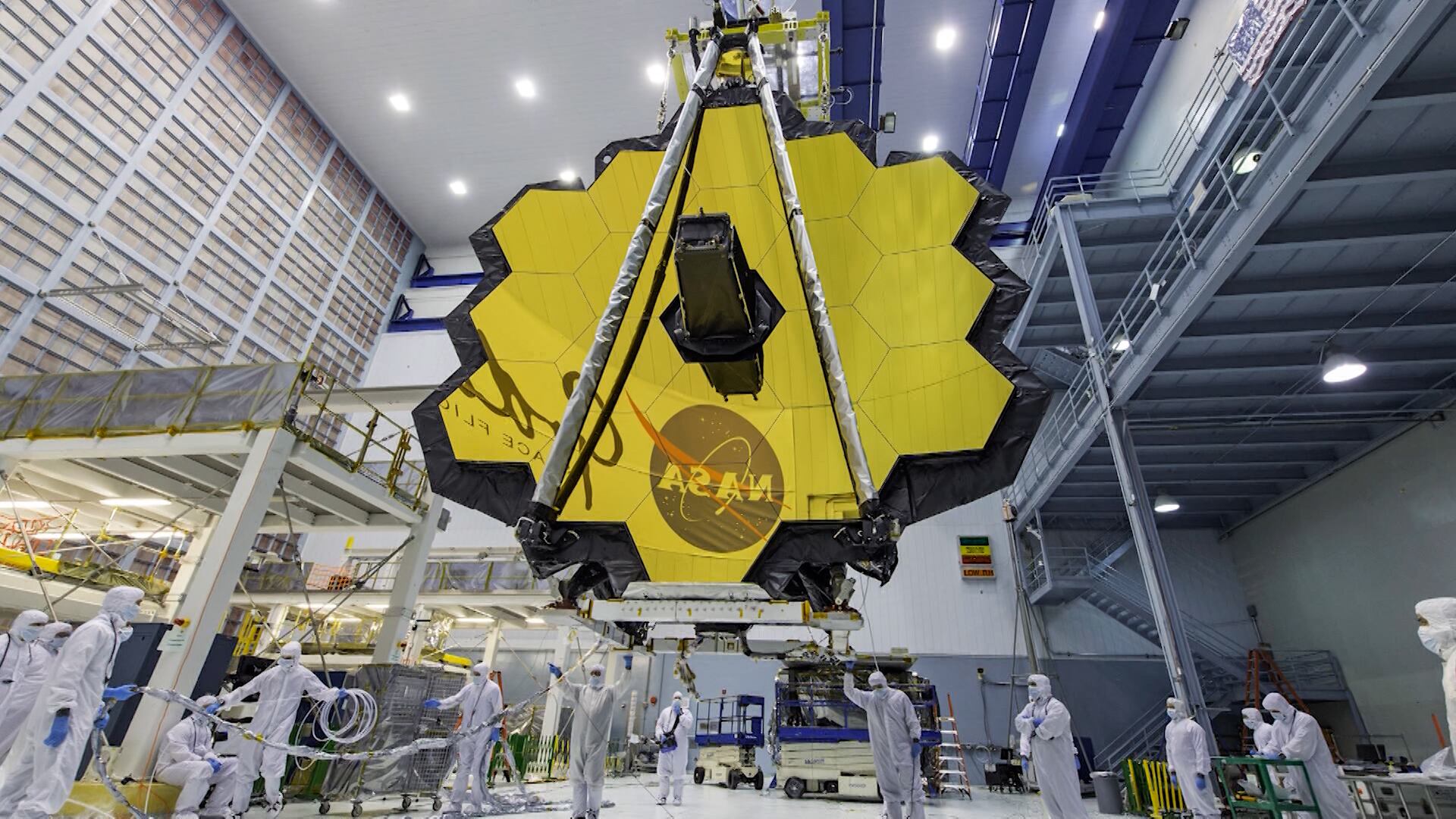
NASA has announced that the first official full-color images will be beamed back to Earth from the James Webb Telescope on July 12. Gregory L. Robinson, the director of the James Webb Space Telescope Program in the NASA Science Mission Directorate, joined Cheddar News to discuss the anticipated image drop. “We expect to see the universe different," he said. "Webb will allow us to see much, much clearer and deeper into the universe."
On this episode of Cheddar Reveals, Professor Laurence Hurst, Director of The Milner Centre for Evolution, discusses the mystery of human evolution that's still baffling scientists: why are humans still evolving, and why has the process sped up? Neville Sanjana, faculty member at NY Genome and New York University, breaks down the latest innovations in CRISPR genetic engineering and its applications from 'designer babies' to curing genetic conditions and diseases; Cheddar gets a look at Curiosity Stream's 'The Butterfly Effect.'
Neville Sanjana, faculty member at NY Genome and New York University, joins Cheddar Reveals to break down the latest innovations in CRISPR genetic engineering and its applications from 'designer babies' to curing genetic conditions and diseases.
Professor Laurence Hurst, Director of The Milner Centre for Evolution, joins Cheddar Reveals to discuss the mystery of human evolution that's still baffling scientists: why are humans still evolving, and why has the process sped up?
It can be tough to make sustainable choices, and even harder when sustainable materials don't hold up. Loliware has a solution to the plastic straw problem: its seaweed-based straws are stronger than paper alternatives and once used, can be composted and return to the earth or sea without causing harm. Sea Briganti, CEO of Loliware, joins Closing Bell to discuss the tech behind the straws, new product launches, and more.
Umbilical cord blood banking platform Anja Health raised $4.5 million dollars in a seed round led by Seven Seven Six, a venture capital firm founded by Reddit co-founder Alexis Ohanian. Anja Health offers a personalized, doctor-backed cord blood bank, which lets new parents freeze stem cells from their child's umbilical cord so they can be used to treat diseases in the future. It's a process Anja has called 'Hollywood's best-kept secret,' as celebrities like Kylie Jenner, Serena Williams, and more have all banked their umbilical cord blood. Kathryn Cross, the founder of Anja Health, joins Cheddar News' Closing Bell to discuss.
After learning that the suspect in the Uvalde school shooting posted about his intentions on Facebook, activists are urging social networks to make changes. Lena Derhally, a licensed psychotherapist and author of "The Facebook Narcissist," joined Cheddar News to discuss the role social media plays in school shootings. "They're not really invested in taking down hateful content," she said about social platforms."In regards to the shooting, it was 15 minutes before that actual threat. It would be pretty hard for a social media company to trace that threat that quickly. But what they can do better is take down threats and hateful content much faster and more than they're doing now."
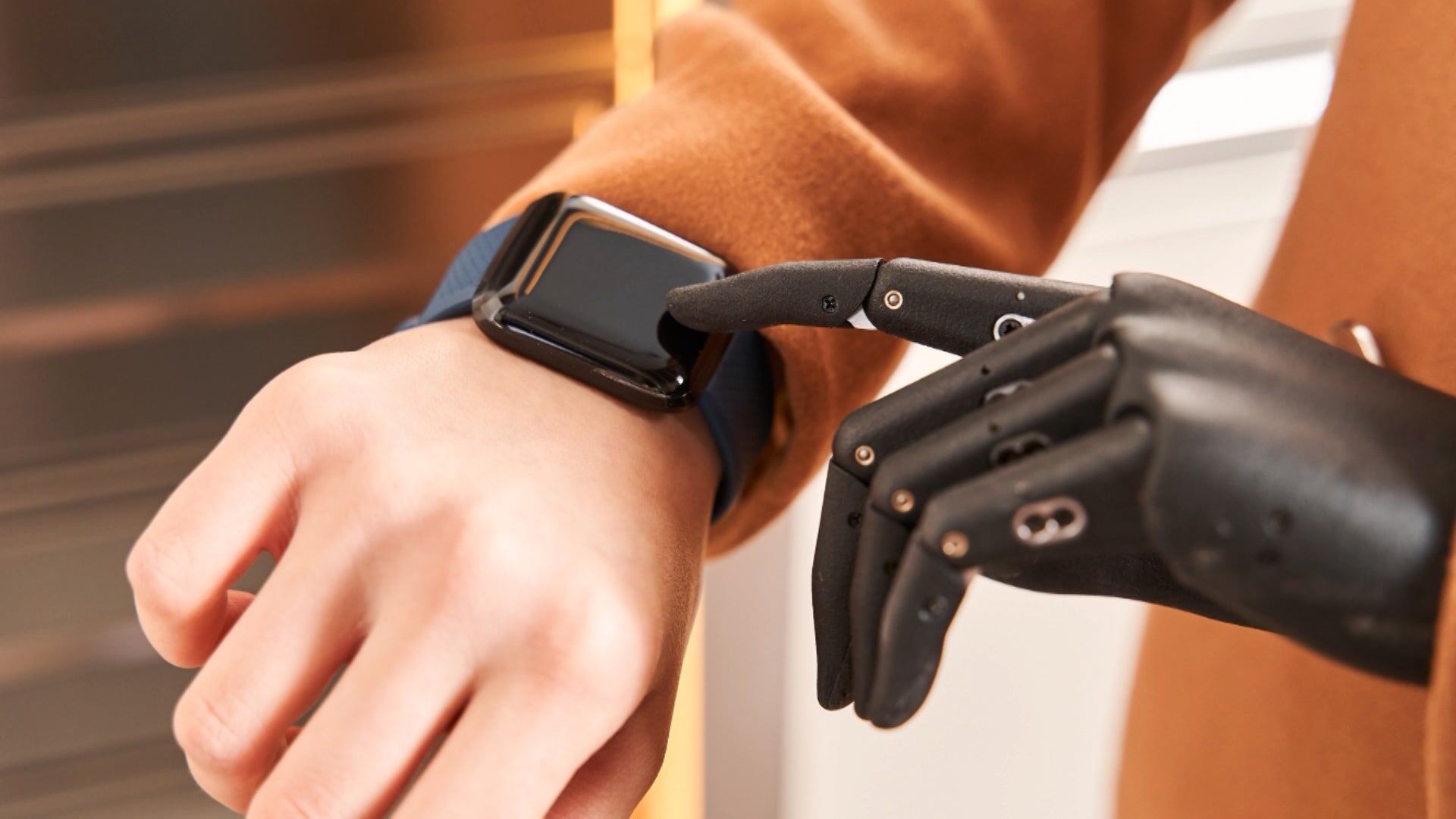
Esper Bionics CEO Dima Gazda breaks down how they're creating a mind-controlled bionic hand that guest smarter the more you use it, and what this innovation means for the future of the prosthetics industry.