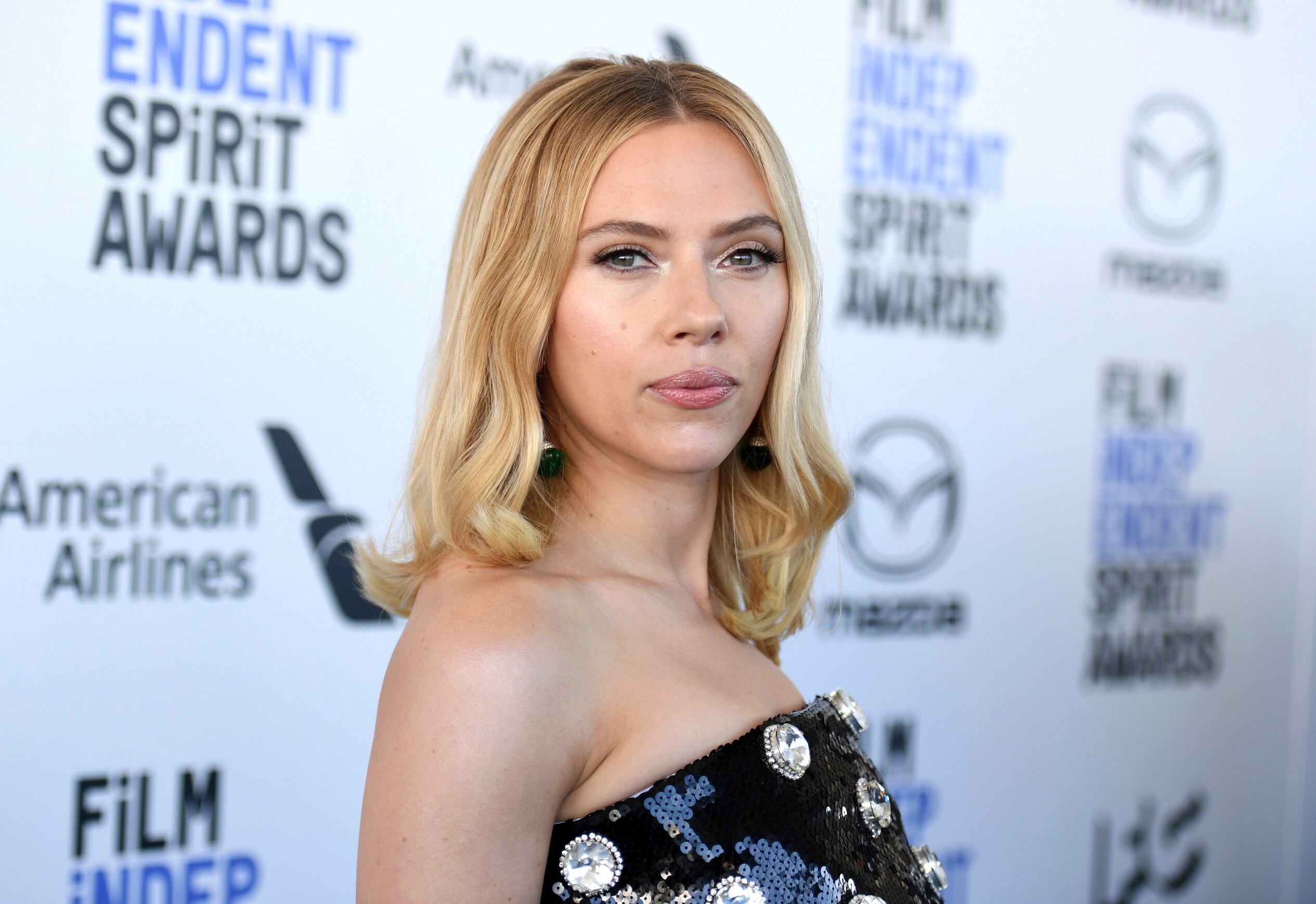
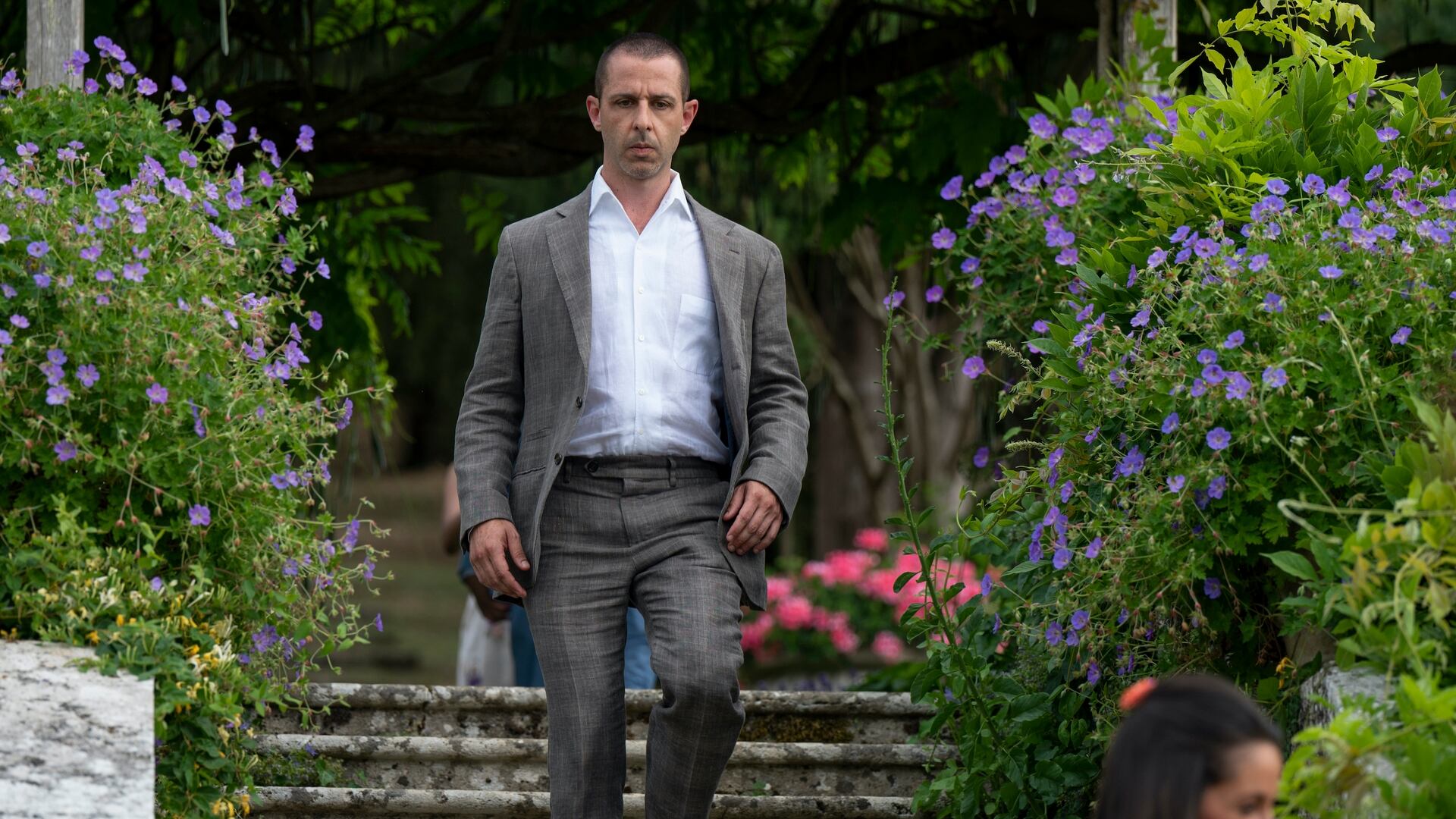
Scarlett Johansson arrives at the 35th Film Independent Spirit Awards on Feb. 8, 2020, in Santa Monica, Calif. Johansson and the Walt Disney Co. announced Sept. 30, 2021, that they had settled a lawsuit the actor filed in July over the streaming release of "Black Widow," which she said breached her contract and deprived her of potential earnings. Terms were not disclosed, but the two sides released a joint statement in which they pledged to continue working together. (Photo by Richard Shotwell/Invision/AP, File)
By Andrew Dalton
Scarlett Johansson and the Walt Disney Co. on Thursday settled her lawsuit over the streaming release of “Black Widow,” bringing a swift end to what had begun as the first major fight between a studio and star over recent changes in rollout plans for films.
Johansson filed the lawsuit in Los Angeles Superior Court two months ago, saying the streaming release of the Marvel movie breached her contract and deprived her of potential earnings.
Terms of the deal were not disclosed, but the two sides released a joint statement in which they pledged to continue working together.
“I am happy to have resolved our differences with Disney," said Johansson, who has played Natasha Romanoff aka Black Widow, in nine movies going back to 2010’s “Iron Man 2.” "I’m incredibly proud of the work we’ve done together over the years and have greatly enjoyed my creative relationship with the team. I look forward to continuing our collaboration.”
Alan Bergman, chairman of Disney Studios Content, said he is “pleased that we have been able to come to a mutual agreement."
“We appreciate her contributions to the Marvel Cinematic Universe and look forward to working together on a number of upcoming projects,” Bergman said.
The lawsuit said Johansson's contract guaranteed an exclusive theatrical release, with her potential earnings tied to the box office performance of the film.
But as it has with other recent releases since the coronavirus pandemic began, Disney released the film simultaneously in theaters and through its streaming service Disney+ for a $30 rental.
The rhetoric of the lawsuit and Disney's response suggested a long and ugly battle was ahead.
“In the months leading up to this lawsuit, Ms. Johansson gave Disney and Marvel every opportunity to right their wrong and make good on Marvel’s promise,” the lawsuit said. “Disney intentionally induced Marvel’s breach of the Agreement, without justification, in order to prevent Ms. Johansson from realizing the full benefit of her bargain with Marvel.”
Disney at the time said the lawsuit had “no merit whatsoever," adding that it was “especially sad and distressing in its callous disregard for the horrific and prolonged global effects of the COVID-19 pandemic.”
Disney said the changed release plan "significantly enhanced her ability to earn additional compensation on top of the $20M she has received to date.”
Delayed more than a year because of COVID-19, “Black Widow” debuted to a what was then a pandemic-best of $80 million in North America and $78 million from international theaters on July 9. But theatrical grosses declined sharply after that. In its second weekend in release, the National Association of Theater Owners issued a rare statement criticizing the strategy.
Revised hybrid release strategies have occasionally led to public spats between stars, filmmakers and financiers who are unhappy with potential lost revenues and their lack of say in such strategies.
But none were as big or as public as Johansson’s lawsuit.
The most recent school shooting in Michigan is highlighting the tragic fact that U.S. shootings on campuses are ticking up. The aftermath of these incidents leaves students, faculty, and families suffering intense trauma with lasting effects. Darby Fox, an adolescent family therapist, joins Cheddar News to discuss how school shootings impact the mental health of students and their families.
With so many high-profile court cases taking over the media, from the trial over the murder of Ahmaud Arbery to the trial of Kyle Rittenhouse to the ongoing Elizabeth Holmes trial, Cheddar took a look at these cases and why there is such a big interest in them. Rachel Fiset, a white collar criminal defense lawyer and partner with Zeiback, Fiset, and Coleman, and Bryan Hance, attorney-at-law, professor, and academic program director of the pre-law and paralegal studies program at National University, joined Cheddar for a roundtable discussion on why there is so much public interest in so-called courtroom drama.
2022 is just around the corner and one of the world's most famous trendspotters says that there is a wide-ranging mix of trends coming up in the new year that could impact businesses, culture, and our society at large.
Trendspotter and cultural zeitgeist analyst Marian Salzman, joined Cheddar to discuss more.
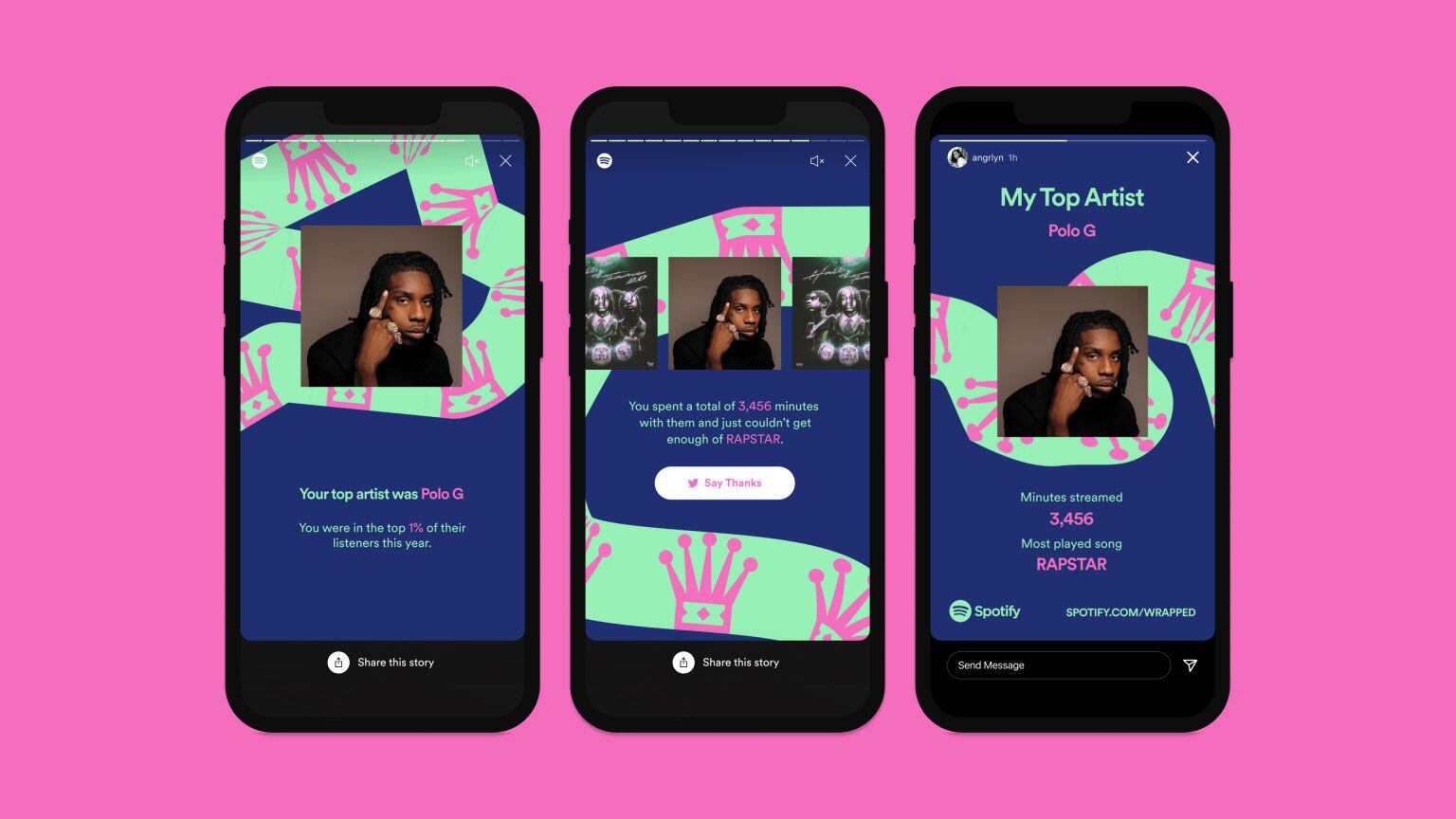
Spotify has just officially released its 2021 'Wrapped'. For the past few years, the streaming giant has been presenting customers with their listening habits from the prior year, including favorite artists, most listened to the genre, podcasts, songs you name it. However, critics say this method just shows how apps can collect our data. CEO of Prevailion Karim Hijazi, joined Cheddar to discuss more.
Recent internal documents obtained by the New York Times reveal how exactly TikTok's algorithm works. The report highlights how the app is mainly focused on retaining two metrics which are retention and time spent. In addition, the document titled, "TikTok Algo 101" details how the algorithm understands human nature from when we get bored to our sensitivity and culture ques. It means the app monitors will kind of videos you like. Professor of Computer Science at the University of California in San Diego Julian McCauley, joined Cheddar to discuss more.
According to a recent study by a group of international researchers, artificial intelligence can predict new illegal drugs before they hit the streets. This method could help save lives and fight crime. Professor of Computing Science at the University of Alberta, joined Cheddar to discuss more.
Carlo and Baker discuss the sweeping new vaccine mandate in NYC that will target all private businesses. Plus, Trump's media venture gets its CEO and more.
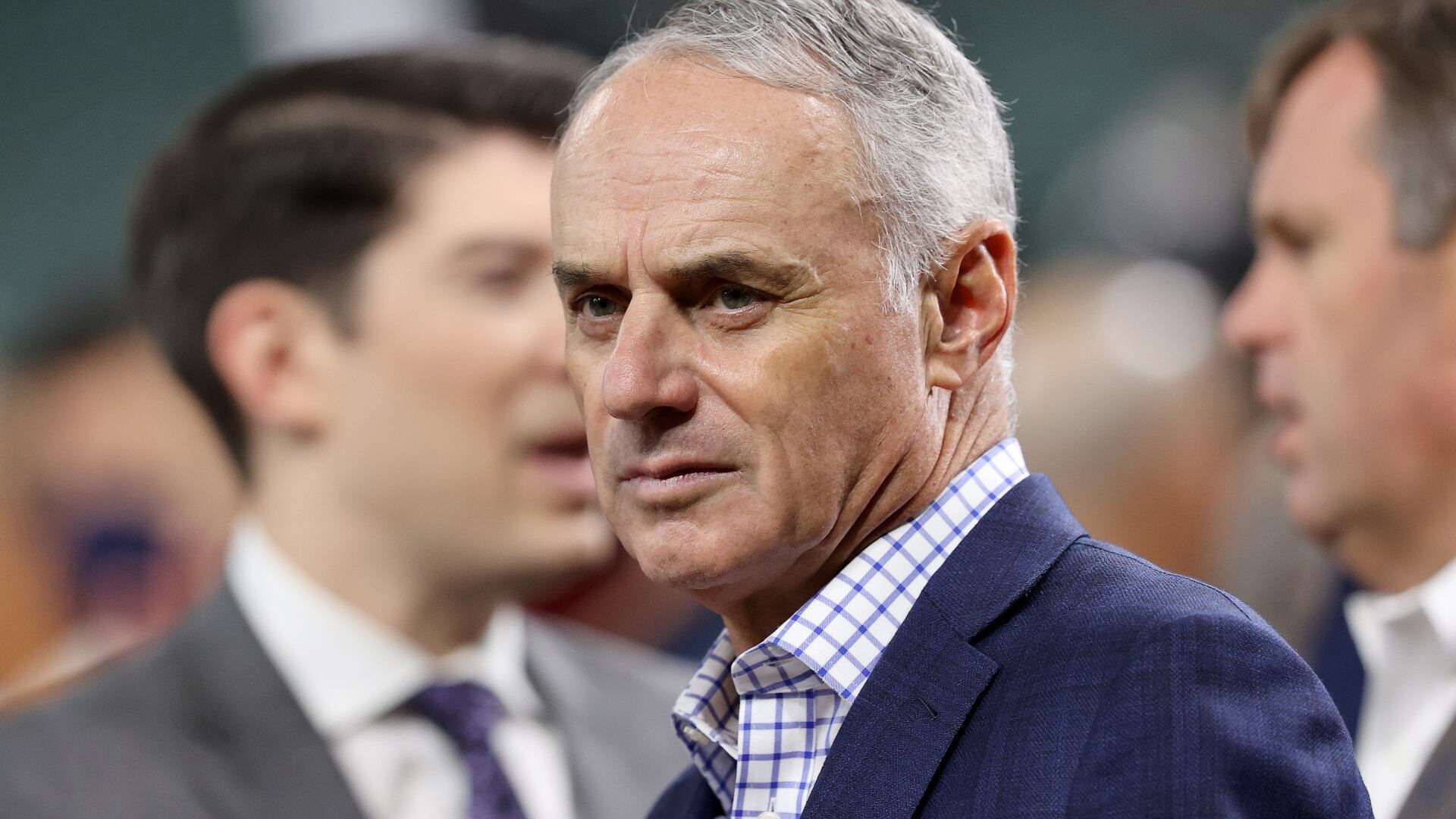
A lockout is now in place for Major League Baseball. The collective bargaining agreement between the league and players association expired at 11:59 p.m. Wednesday night.
MLB commissioner Rob Manfred said both sides were unable to negotiate a new contract by that time, so the league locked out the players on Thursday at 12:01 a.m. The lockout also means trades and free agency deals have to stop for now. Dodgers Nation lead editor Clint Pasillas joined Cheddar News' Closing Bell to discuss.