Scarlett Johansson arrives at the 35th Film Independent Spirit Awards on Feb. 8, 2020, in Santa Monica, Calif. Johansson and the Walt Disney Co. announced Sept. 30, 2021, that they had settled a lawsuit the actor filed in July over the streaming release of "Black Widow," which she said breached her contract and deprived her of potential earnings. Terms were not disclosed, but the two sides released a joint statement in which they pledged to continue working together. (Photo by Richard Shotwell/Invision/AP, File)
By Andrew Dalton
Scarlett Johansson and the Walt Disney Co. on Thursday settled her lawsuit over the streaming release of “Black Widow,” bringing a swift end to what had begun as the first major fight between a studio and star over recent changes in rollout plans for films.
Johansson filed the lawsuit in Los Angeles Superior Court two months ago, saying the streaming release of the Marvel movie breached her contract and deprived her of potential earnings.
Terms of the deal were not disclosed, but the two sides released a joint statement in which they pledged to continue working together.
“I am happy to have resolved our differences with Disney," said Johansson, who has played Natasha Romanoff aka Black Widow, in nine movies going back to 2010’s “Iron Man 2.” "I’m incredibly proud of the work we’ve done together over the years and have greatly enjoyed my creative relationship with the team. I look forward to continuing our collaboration.”
Alan Bergman, chairman of Disney Studios Content, said he is “pleased that we have been able to come to a mutual agreement."
“We appreciate her contributions to the Marvel Cinematic Universe and look forward to working together on a number of upcoming projects,” Bergman said.
The lawsuit said Johansson's contract guaranteed an exclusive theatrical release, with her potential earnings tied to the box office performance of the film.
But as it has with other recent releases since the coronavirus pandemic began, Disney released the film simultaneously in theaters and through its streaming service Disney+ for a $30 rental.
The rhetoric of the lawsuit and Disney's response suggested a long and ugly battle was ahead.
“In the months leading up to this lawsuit, Ms. Johansson gave Disney and Marvel every opportunity to right their wrong and make good on Marvel’s promise,” the lawsuit said. “Disney intentionally induced Marvel’s breach of the Agreement, without justification, in order to prevent Ms. Johansson from realizing the full benefit of her bargain with Marvel.”
Disney at the time said the lawsuit had “no merit whatsoever," adding that it was “especially sad and distressing in its callous disregard for the horrific and prolonged global effects of the COVID-19 pandemic.”
Disney said the changed release plan "significantly enhanced her ability to earn additional compensation on top of the $20M she has received to date.”
Delayed more than a year because of COVID-19, “Black Widow” debuted to a what was then a pandemic-best of $80 million in North America and $78 million from international theaters on July 9. But theatrical grosses declined sharply after that. In its second weekend in release, the National Association of Theater Owners issued a rare statement criticizing the strategy.
Revised hybrid release strategies have occasionally led to public spats between stars, filmmakers and financiers who are unhappy with potential lost revenues and their lack of say in such strategies.
But none were as big or as public as Johansson’s lawsuit.
Exercise equipment maker Peloton is attempting to run away from a recent bout of controversy. CEO John Foley published an open letter to employees on Thursday after reports that said Peloton was pausing production of its Bike and Tread products, delaying the opening of a new U.S. factory, and considering job cuts. In the letter, Foley wrote that the information in the reports was 'incomplete,' 'out of context,' and not reflective of Peloton's strategy. Peloton's stock responded on Friday, with shares bouncing back after falling nearly 24% in the regular session on Thursday. CFRA Research's Director of Research Ken Leon joined Cheddar News' Closing Bell to discuss.
Home essentials maker Outlines announced its launch at the beginning of 2022, along with $1 million in pre-seed funding led by Social Impact Capital. Outlines says it is re-imagining how we keep our homes clean while also reducing plastic waste. The company's debut product, the Shower Liner System, is made of long-lasting materials, including easy-to-recycle plastic. Outlines co-founder and CEO Luke Young and co-founder and COO Megan Ceryanec joined Cheddar News' Closing Bell to discuss.
Simeon Siegel, managing director and senior analyst at BMO Capital Markets joins Cheddar News to discuss CNBC's report that Peloton plans to halt production, despite the company's CEO denying those claims.
Mona Zhang, states cannabis policy reporter at POLITICO Pro joins Cheddar News to discuss major factors that caused Canada's retail marijuana sales to drop last year.
Jackie Rotman, founder and CEO of the Center for Intimacy Justice joins Cheddar News to talk about why Facebook is banning ads by companies targeting women's sexual health but not ads catered to men.
The NCAA has updated its policy on transgender athletes, allowing each sport’s national governing body to make its own decisions for transgender participation. The new rule is in line with recent changes from the U.S. and International Olympic and Paralympic Committees. Joanna Hoffman, communications director of Athlete Ally, joined Cheddar News to discuss the potential impact of the new rule on the transgender community.
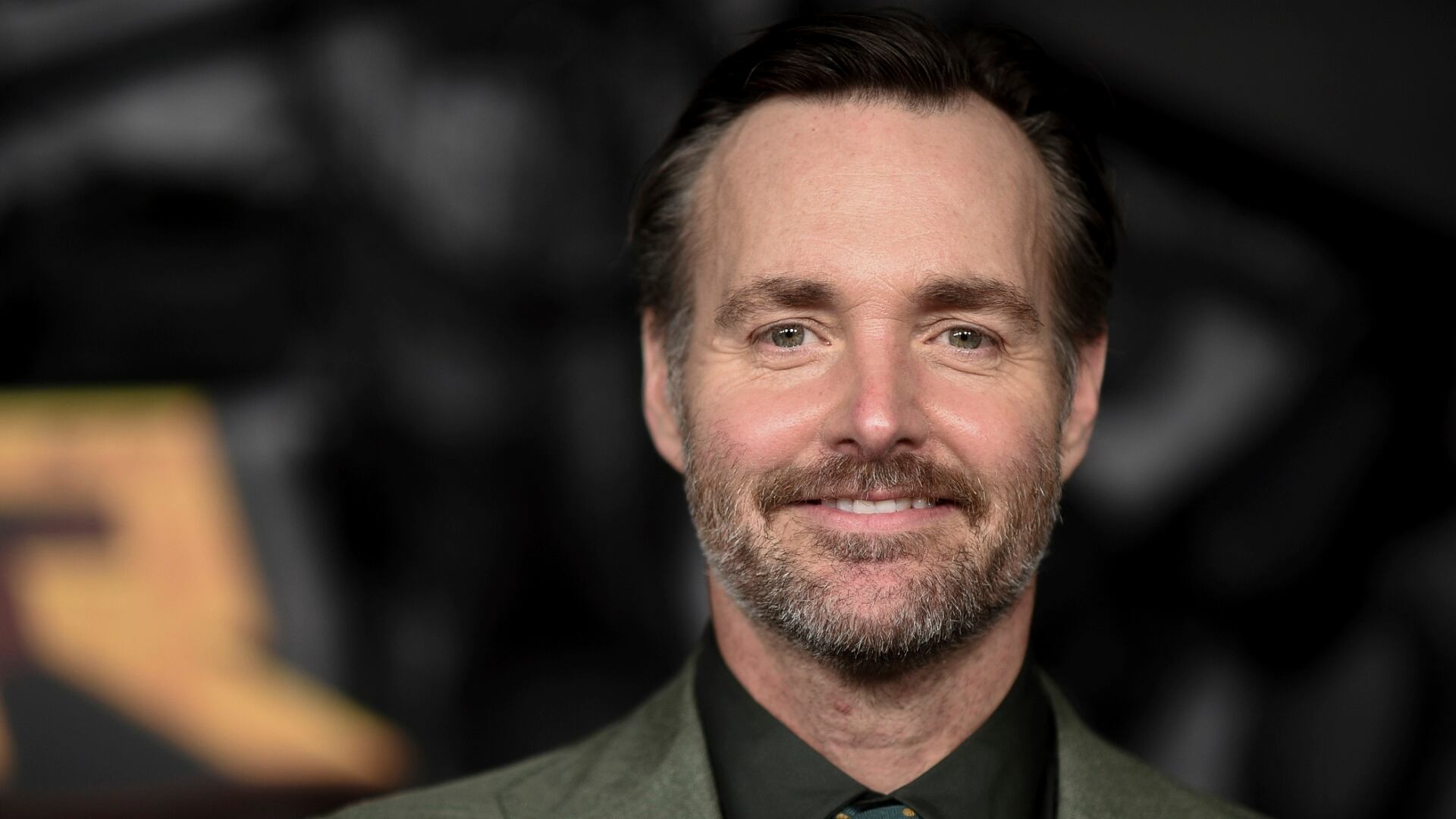
"Saturday Night Live" alum Will Forte is hosting the late-night comedy show this weekend alongside musical guest, Måneskin. Forte, who spent a decade working on the iconic NBC show, is currently starring in "MacGruber," the SNL-sketch-turned-movie that is now streaming on Peacock as a tv series.
TikTok recently announced that it is testing a paid subscription model. The news comes days after Instagram publicized a similar service. TikTok has made $2.3 billion from in-app purchases, but mostly through tips, in 2021, showing that its users may be open to spending money on the platform.
The NCAA voted to streamline their constitution at their annual convention on Thursday. Each of the three college divisions can decide how student-athletes can make money from outside sources but still restricts schools from directly paying its players.
If you are looking for a new job, you might want to start looking in a different city. A new report from indeed reveals how certain metro areas are seeing faster growth in job openings than others. Economist at Indeed Hiring Lab AnnElizabeth Konkel, joined Cheddar to discuss more.