Scarlett Johansson arrives at the 35th Film Independent Spirit Awards on Feb. 8, 2020, in Santa Monica, Calif. Johansson and the Walt Disney Co. announced Sept. 30, 2021, that they had settled a lawsuit the actor filed in July over the streaming release of "Black Widow," which she said breached her contract and deprived her of potential earnings. Terms were not disclosed, but the two sides released a joint statement in which they pledged to continue working together. (Photo by Richard Shotwell/Invision/AP, File)
By Andrew Dalton
Scarlett Johansson and the Walt Disney Co. on Thursday settled her lawsuit over the streaming release of “Black Widow,” bringing a swift end to what had begun as the first major fight between a studio and star over recent changes in rollout plans for films.
Johansson filed the lawsuit in Los Angeles Superior Court two months ago, saying the streaming release of the Marvel movie breached her contract and deprived her of potential earnings.
Terms of the deal were not disclosed, but the two sides released a joint statement in which they pledged to continue working together.
“I am happy to have resolved our differences with Disney," said Johansson, who has played Natasha Romanoff aka Black Widow, in nine movies going back to 2010’s “Iron Man 2.” "I’m incredibly proud of the work we’ve done together over the years and have greatly enjoyed my creative relationship with the team. I look forward to continuing our collaboration.”
Alan Bergman, chairman of Disney Studios Content, said he is “pleased that we have been able to come to a mutual agreement."
“We appreciate her contributions to the Marvel Cinematic Universe and look forward to working together on a number of upcoming projects,” Bergman said.
The lawsuit said Johansson's contract guaranteed an exclusive theatrical release, with her potential earnings tied to the box office performance of the film.
But as it has with other recent releases since the coronavirus pandemic began, Disney released the film simultaneously in theaters and through its streaming service Disney+ for a $30 rental.
The rhetoric of the lawsuit and Disney's response suggested a long and ugly battle was ahead.
“In the months leading up to this lawsuit, Ms. Johansson gave Disney and Marvel every opportunity to right their wrong and make good on Marvel’s promise,” the lawsuit said. “Disney intentionally induced Marvel’s breach of the Agreement, without justification, in order to prevent Ms. Johansson from realizing the full benefit of her bargain with Marvel.”
Disney at the time said the lawsuit had “no merit whatsoever," adding that it was “especially sad and distressing in its callous disregard for the horrific and prolonged global effects of the COVID-19 pandemic.”
Disney said the changed release plan "significantly enhanced her ability to earn additional compensation on top of the $20M she has received to date.”
Delayed more than a year because of COVID-19, “Black Widow” debuted to a what was then a pandemic-best of $80 million in North America and $78 million from international theaters on July 9. But theatrical grosses declined sharply after that. In its second weekend in release, the National Association of Theater Owners issued a rare statement criticizing the strategy.
Revised hybrid release strategies have occasionally led to public spats between stars, filmmakers and financiers who are unhappy with potential lost revenues and their lack of say in such strategies.
But none were as big or as public as Johansson’s lawsuit.
Sheila Goffe, VP of Government Relations of the American Kennel Club, joins Cheddar Reveals to discuss the efficacy of police, military, and other working dogs, and how they're trained.
On this episode of Cheddar Reveals, Sheila Goffe, VP of Government Relations of the American Kennel Club, discusses the efficacy of police, military, and other working dogs, and how they're trained. Paul Mundell, Executive Director of the American Service Dog Access Coalition, breaks down why emotional support, therapy, and service dogs are important; Cheddar gets a look at Curiosity Stream's 'Secrets of a Dog's Nose.'
On this episode of ChedHER; Amanda Carlson Phillips, Senior Vice President of Exos' performance team, breaks down how wellness programs can fight burnout; Deena LaMarque Piquion, Chief Marketing Officer at Xerox, explains why and how women should stop saying 'sorry' so often;
Marylyn Harris, President of Harrland Healthcare Consulting, talks about how her experience in the military prepared her for a cybersecurity career, and how she's paving the way for women of color in the industry.
On this episode of Cheddar Innovates: Atom Limbs CEO breaks down how the Atom Touch prosthetic is different from other prosthetics on the market; CEO & Chief Scientific Officer of MyMD explains how the MYMD-1 is on track to be the first FDA-approved drug to treat aging and age-related diseases; A look at Curiosity Stream's 'The Future of Warfare.'
On this episode of Cheddar Reveals Clay Routledge, Professor of Business and author of "Nostalgia: A Psychological Resource", discusses the psychology of nostalgia: why we have it, and why it may be good for our mental health; Patrick Metzger, Writer and Technologist, breaks down how nostalgia has influenced pop culture, why it remains in a trend loop for every generation, and why that trend is likely never going to end; Cheddar gets a look at Curiosity Stream's 'The Year That Rocked the World.'
On this episode of ChedHER: CEO of The Lactation Network breaks down how they are expanding access to lactation support for families nationwide; CEO of Vanta explains the importance of a security team for startups; Midwest Divison Area Manager at JPMorgan Chase discusses the perks of having a business mentor.
On this episode of ChedHER we hear from the CEO of Incredible Health on how she's breaking the bias this women's history month, a bestselling author gives us tips on how to create new post-pandemic habits, and we learn just how critical a business consultant can be.
On this episode of 'Cheddar Innovates': Creator of Animal Flow discusses the benefits to this unique type of workout that's rising in popularity; CEO of Vinylly breaks down how the app takes your streaming music data and some personal questions to find your next love match; A look at Curiosity Stream's 'Secrets of the Universe.'
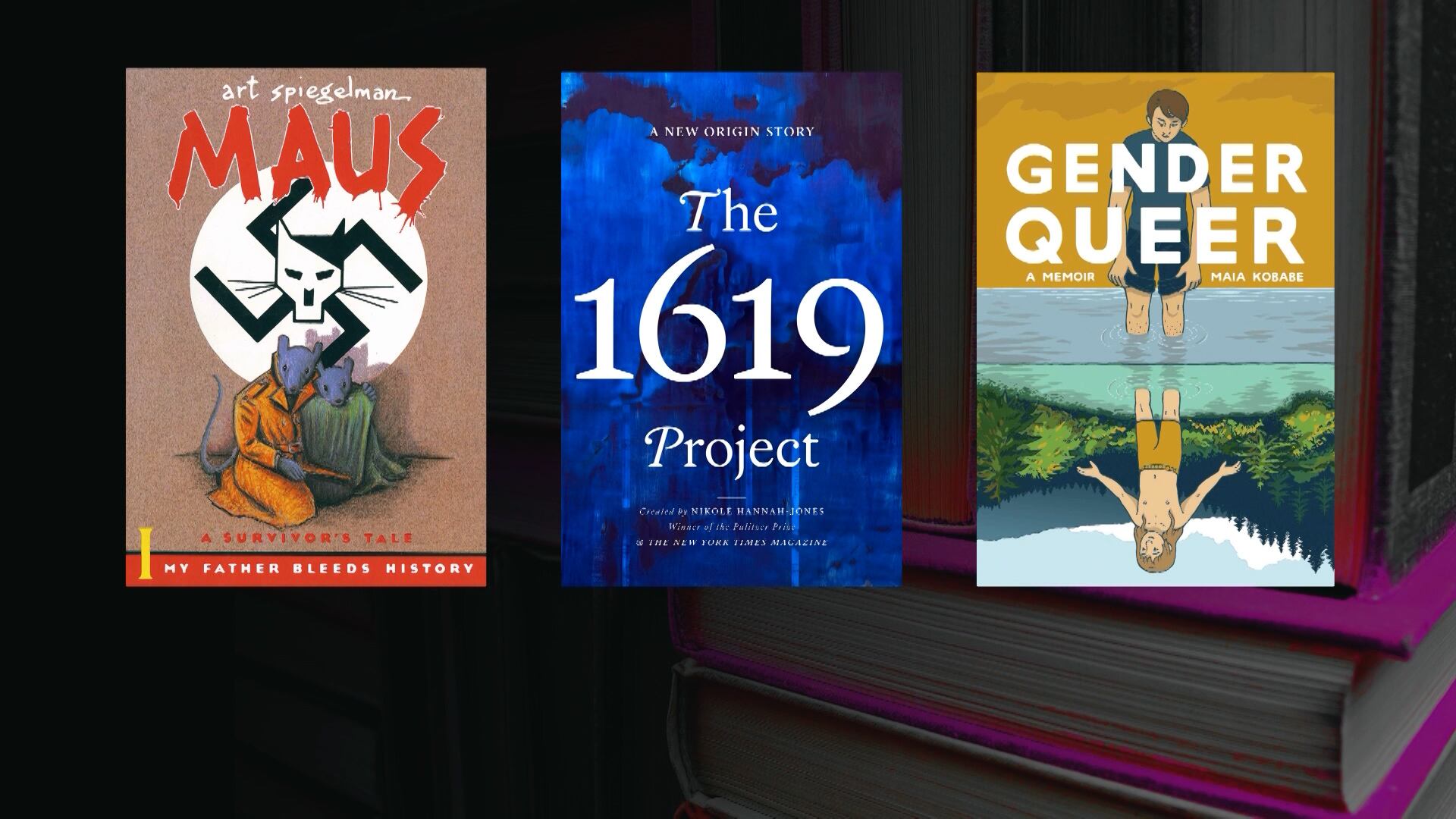
Activism is growing around the country in response to school boards banning books from shelves that focus on sexuality, gender, identity, or race. Jen Cousins, co-founder of The Florida Freedom to Read Project, joins Cheddar News to discuss.