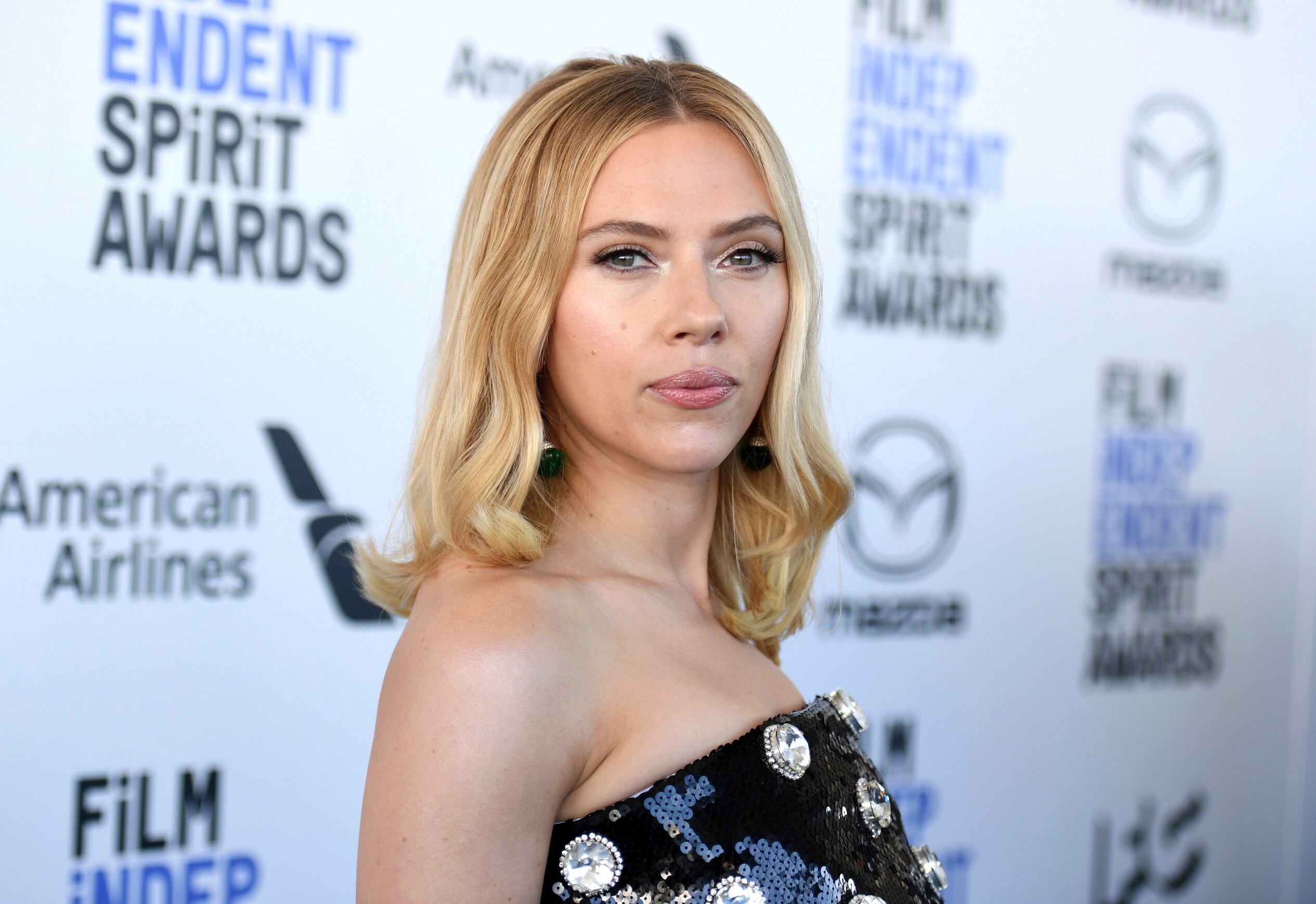
Scarlett Johansson arrives at the 35th Film Independent Spirit Awards on Feb. 8, 2020, in Santa Monica, Calif. Johansson and the Walt Disney Co. announced Sept. 30, 2021, that they had settled a lawsuit the actor filed in July over the streaming release of "Black Widow," which she said breached her contract and deprived her of potential earnings. Terms were not disclosed, but the two sides released a joint statement in which they pledged to continue working together. (Photo by Richard Shotwell/Invision/AP, File)
By Andrew Dalton
Scarlett Johansson and the Walt Disney Co. on Thursday settled her lawsuit over the streaming release of “Black Widow,” bringing a swift end to what had begun as the first major fight between a studio and star over recent changes in rollout plans for films.
Johansson filed the lawsuit in Los Angeles Superior Court two months ago, saying the streaming release of the Marvel movie breached her contract and deprived her of potential earnings.
Terms of the deal were not disclosed, but the two sides released a joint statement in which they pledged to continue working together.
“I am happy to have resolved our differences with Disney," said Johansson, who has played Natasha Romanoff aka Black Widow, in nine movies going back to 2010’s “Iron Man 2.” "I’m incredibly proud of the work we’ve done together over the years and have greatly enjoyed my creative relationship with the team. I look forward to continuing our collaboration.”
Alan Bergman, chairman of Disney Studios Content, said he is “pleased that we have been able to come to a mutual agreement."
“We appreciate her contributions to the Marvel Cinematic Universe and look forward to working together on a number of upcoming projects,” Bergman said.
The lawsuit said Johansson's contract guaranteed an exclusive theatrical release, with her potential earnings tied to the box office performance of the film.
But as it has with other recent releases since the coronavirus pandemic began, Disney released the film simultaneously in theaters and through its streaming service Disney+ for a $30 rental.
The rhetoric of the lawsuit and Disney's response suggested a long and ugly battle was ahead.
“In the months leading up to this lawsuit, Ms. Johansson gave Disney and Marvel every opportunity to right their wrong and make good on Marvel’s promise,” the lawsuit said. “Disney intentionally induced Marvel’s breach of the Agreement, without justification, in order to prevent Ms. Johansson from realizing the full benefit of her bargain with Marvel.”
Disney at the time said the lawsuit had “no merit whatsoever," adding that it was “especially sad and distressing in its callous disregard for the horrific and prolonged global effects of the COVID-19 pandemic.”
Disney said the changed release plan "significantly enhanced her ability to earn additional compensation on top of the $20M she has received to date.”
Delayed more than a year because of COVID-19, “Black Widow” debuted to a what was then a pandemic-best of $80 million in North America and $78 million from international theaters on July 9. But theatrical grosses declined sharply after that. In its second weekend in release, the National Association of Theater Owners issued a rare statement criticizing the strategy.
Revised hybrid release strategies have occasionally led to public spats between stars, filmmakers and financiers who are unhappy with potential lost revenues and their lack of say in such strategies.
But none were as big or as public as Johansson’s lawsuit.
Catching you up on the entertainment headlines of the day with Justin Timberlake selling his entire musical catalog to IP management firm Hipgnosis, Ellen DeGeneres airing the final episode of her show, Alanis Morissette making a guest appearance on Olivia Rodrigo’s ‘Sour’ tour, and more.
Cheddar recently teamed up with Amazon Bestseller Jamie Hopkins to explore the term 'Rewirement' while highlighting those who didn't let retirement be the end of their journey... Instead, they used it as a new beginning.
Today, Jamie is speaking with Linda Lombri, a former home economist and marketing executive, and Virginia Cornue, a former cultural anthropologist. For them, retirement didn't mean stopping work--it meant re-inventing themselves and living out their dreams of becoming mystery authors, even though neither had written fiction before. Together, Linda and Virginia began an e-book series, the Sandra Troux Mysteries.
Brightseed Co-Founder Sofia Elizondo breaks down what plant bioactives are, and how they're using the latest technology to study human's biological connections with plants.
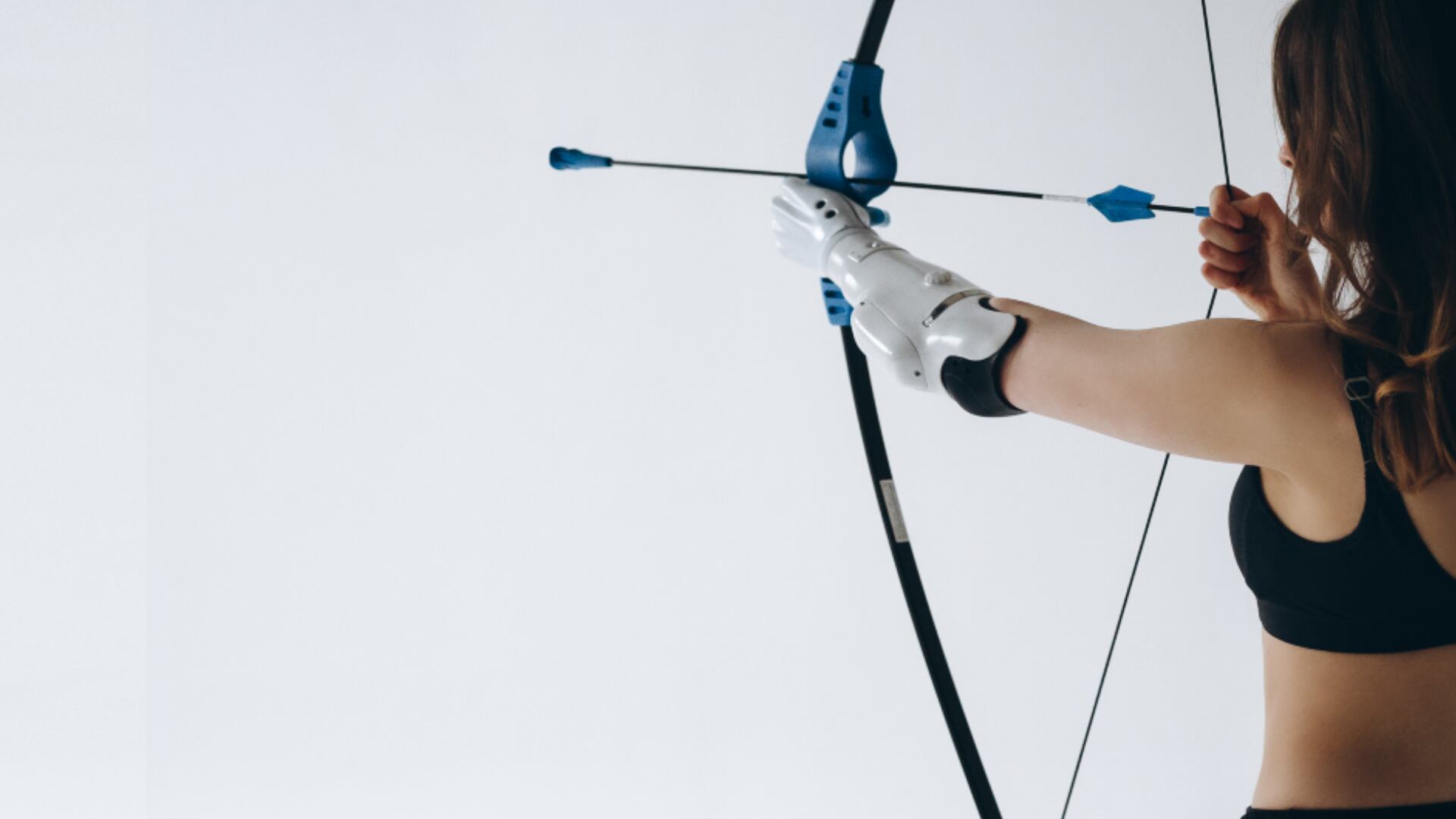
On this episode of Cheddar Innovates: Brightseed Co-Founder breaks down what plant bioactives are, and how they're using the latest technology to study human's biological connections with plants; Esper Bionics CEO breaks down how they re creating a mind-controlled bionic hand that guest smarter the more you use it; Cheddar gets a look at Curiosity Stream's 'Capturing A Black Hole In Our Milky Way.'
The number of births in the U.S. increased last year for the first time in seven years. According to a new federal report, about 3.6 million babies were born in 2021, only about a 1% increase from 2020. Ted Rossman, a senior industry analyst for creditcards.com, joined Cheddar's Opening Bell to discuss why the pandemic baby boom was more like a baby bust, and how to raise kids while on a tight budget.
Following the mass shooting at the Robb Elementary School in Uvalde, Texas, that left 19 children and two adults dead, the debate over gun control has been reignited. While studies have shows most Americans agree on some additional regulations, there hasn't been much legislative traction even as gun violence worsens in the country. Brian Lemek, the executive director of Defend The Vote and the former executive director at Brady PAC for gun control, joined Cheddar to discuss reform efforts. "The lawmakers that we have aren't passing these at the federal level," he said. "That's the problem. We have the wrong people in charge."
The crypto industry is still reeling from Terra's recent crash. The company's blockchain was temporarily halted earlier this month after the collapse of its cryptocurrency Luna (LUNA) and its stablecoin TerraUSD (UST), which led to almost $45 billion being wiped from the tokens' market caps within a week. Now, many are left wondering what Terra's struggles mean for the broader crypto market. Reeve Collins, CEO of the NFT platform BLOCKv, joins Cheddar News' Closing Bell from Davos 2022 to discuss.
China's largest ride-hailing company will no longer be listed on the world's largest stock exchange. Didi shareholders voted on Monday to delist from the New York Stock Exchange, less than a year after launching a $4.4 billion IPO with the most significant U.S. share offering by a Chinese company since Alibaba debuted in 2014. Since going public in June of last year, around $70 billion has been wiped from Didi's market value and shares of the company have dropped nearly 90%. Now, Didi is expected to begin preparations to list in Hong Kong. Kevin T. Carter, founder and Chief Investment Officer of EMQQ Global, joins Cheddar News' Closing Bell to discuss.