The Paycheck Protection Program is finally making some progress after a rocky start to the government's highly coveted coronavirus small business relief program that launched on Friday.
By Wednesday, day four of the program, some $80 billion of the $350 billion promised to small businesses in relief loans had been processed. But few lenders, if any, have begun funding any loans, meaning it could still be weeks before businesses receive the relief they desperately need right now.
Bank of America said Monday that it had received more than 178,000 applications seeking $32.9 billion under the Paycheck Protection Program. JPMorgan Chase has received 375,000 applications seeking $40 billion, COO Gordon Smith said in a phone call with President Trump Tuesday.
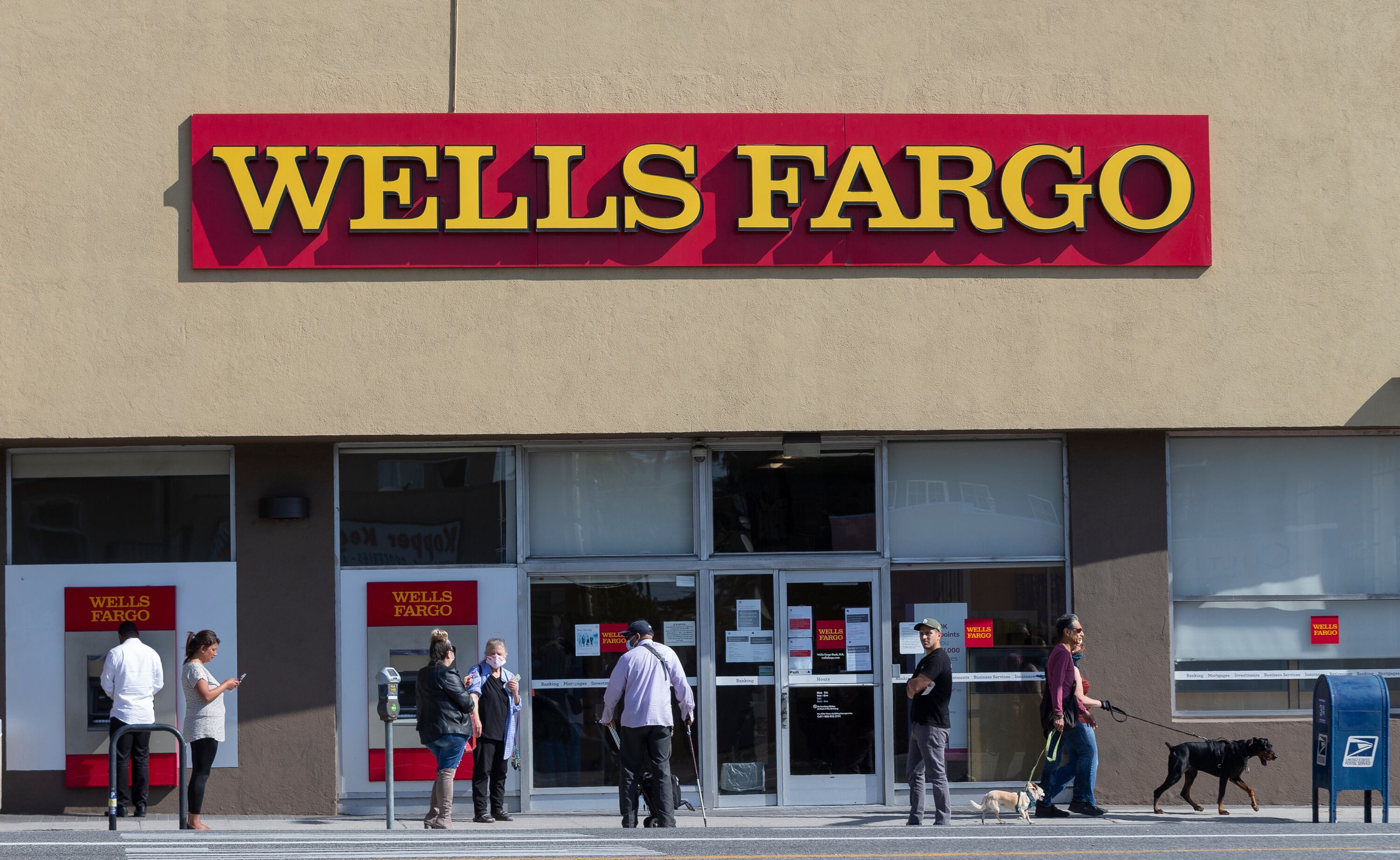
Wells Fargo had reached its capacity of $10 billion to lend under the PPP by Sunday and had to close the window for loan requests; though on Wednesday afternoon the Federal Reserve said it would loosen its leash on the bank, allowing the largest U.S. small business lender to make even more loans. The Fed had previously forced the $10 billion lending cap on Wells as a consequence for the bank's 2016 phony accounts scandal and other subsequent legal issues.
Partial guidance received by lenders Tuesday night gave some a clearer idea of what they need to do to stay in compliance and also begin funding any approved loans, according to Chris Hurn, CEO and founder of Fountainhead, a non-bank direct lender licensed to lend PPP loans. Hurn said he expects to see significantly more PPP loan funds released starting next week.
Lenders have been waiting on clear guidance from the Treasury Department and the Small Business Administration clarifying the procedures for submitting borrower applications they have already processed. An update they received last Thursday, the eve of the program's launch, from the Treasury said it had "not received guidance on how lenders will submit applications" and that it was awaiting a standard operating procedure manual for the PPP," according to one lender.
Some U.S. banks had begun funding for some borrowers with or without the backing of the SBA, despite not knowing what the operating procedure for PPP loans would look like, in part to avoid the reputational risk of turning away small businesses in need. But many lenders, no less eager to make these PPP loans, are still acting more cautiously so as not to put their borrowers or their own institutions at risk of any liability.
Lenders have also been awaiting guidance on what kind of funding facility could be put in place to ensure lenders have enough cash on hand to deploy the funds. On Monday the Federal Reserve said it would establish that facility, and lenders expect to know more details about it by Friday.
There are 30 million small businesses in the U.S. employing some 60 million people. Many of them, especially in the service industry, expect to close for good in the coming weeks. On Tuesday Treasury Secretary Steven Mnuchin began seeking an additional $250 billion to replenish the PPP.
Meanwhile, as SBA lenders accumulate loan application backlogs, technology companies have been creating solutions for them to streamline the application process for borrowers to make at least that portion of the process more seamless. Yesterday the small business-focused lending unicorn (though not an SBA-approved lender) Kabbage, for example, said it partnered with an as-yet-unannounced bank to help it automate the bank's application process for borrowers; the digital banking platform MX has created a similar portal for banks and credit unions that allows lenders to submit PPP loan applications for their small business customers in as little as 30 seconds.