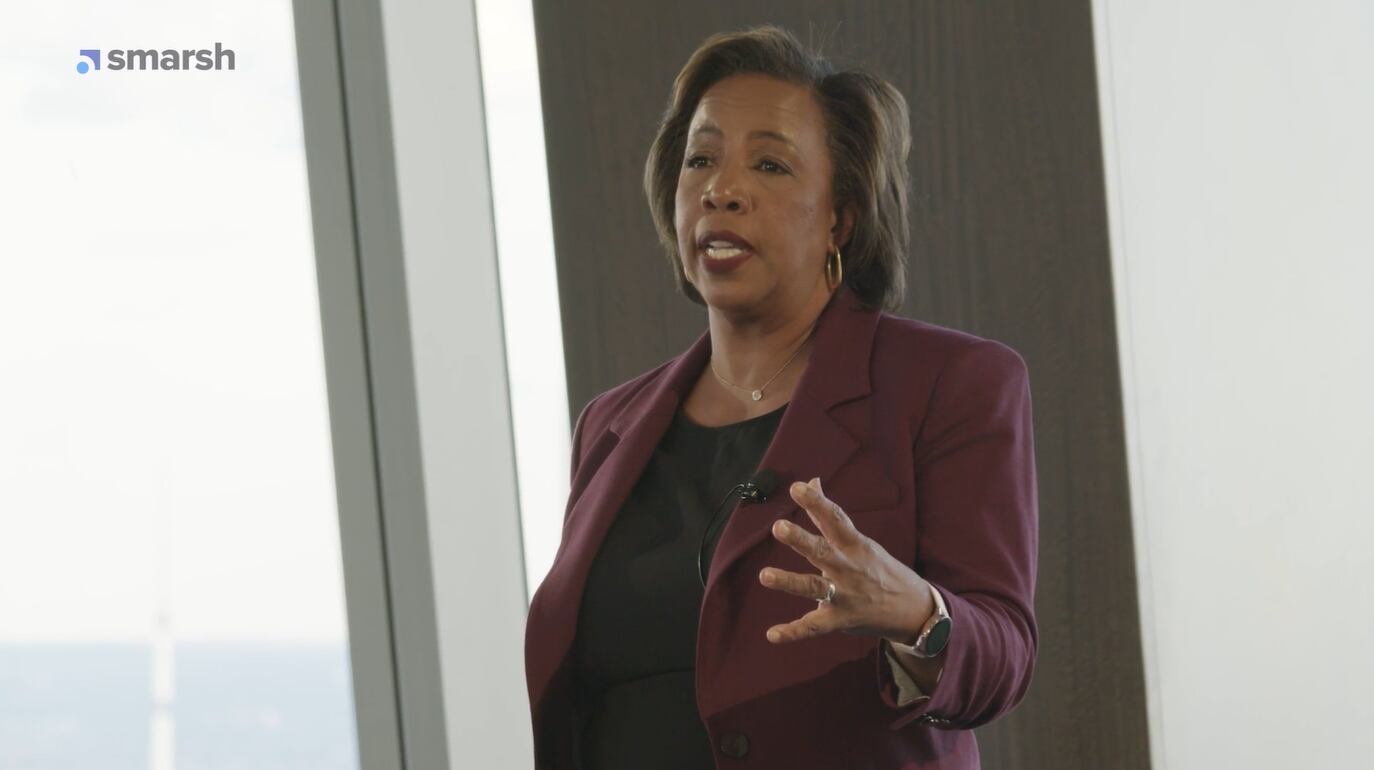
*By Chloe Aiello* Tech companies may understand the cultural ー and monetary ー benefits of a diverse staff, but more often than not, they've still got a long way to go. As more companies choose to unveil diversity reports that sometimes disappoint, SAP's April Crichlow says transparency is still an important step in the right direction. "You have to be honest," Crichlow said. "And I think we have to move from blame and shame to really saying, 'We are on the journey of this together, we know we have work to do together, and how do we start to do that?'" "It starts with being honest about those numbers," she added, "sharing them from the top down, and really thinking about, 'How can we as an organization change that?'" Releasing data on in-house diversity has become a more common practice among technology companies, since diversity activist and engineer Tracy Chou made a viral call-to-action in 2013, [the Atlantic reported](https://www.theatlantic.com/technology/archive/2018/02/the-origins-of-diversity-data-in-tech/552155/). But often those reports are pretty dismal. At the end of October, [Intel bragged](https://newsroom.intel.com/news/intel-achieves-goal-full-us-workforce-representation-notes-just-beginning/) it had achieved "full representation" of women and minorities, meaning its workforce "reflects the percent of women and underrepresented minorities available in the U.S. skilled labor market." However, women account for less than 27 percent of Intel's ($INTC) U.S. workforce, with less than 24 percent of them in technical roles. Underrepresented employees made up about 14 percent of the staff. Micron ($MU), which released its first ever diversity report in November, says about 30 percent of its global staff is female, [VentureBeat reported](https://venturebeat.com/2018/11/28/mi). SAP ($SAP) also [released its own diversity report](https://www.sap.com/docs/download/investors/2017/sap-2017-integrated-report.pdf), which revealed about 33 percent of its workforce is female, including about 25 percent of management. The company hopes to bump that number to 28 percent by 2020. Crichlow, who works as the Global Customer Marketing and Diversity & Inclusion Lead at SAP, acknowledged that industry numbers may not be ideal, but the industry sentiment and accountability has greatly improved. "I've never been more inspired than in the conversation right now. The first step is having an open dialogue and an honest dialogue, and I think we'll start to see that change as people have an open dialogue around it," she said. For full interview [click here](https://cheddar.com/videos/sap-looks-to-fix-diversity-and-inclusion-issues-in-workplace).