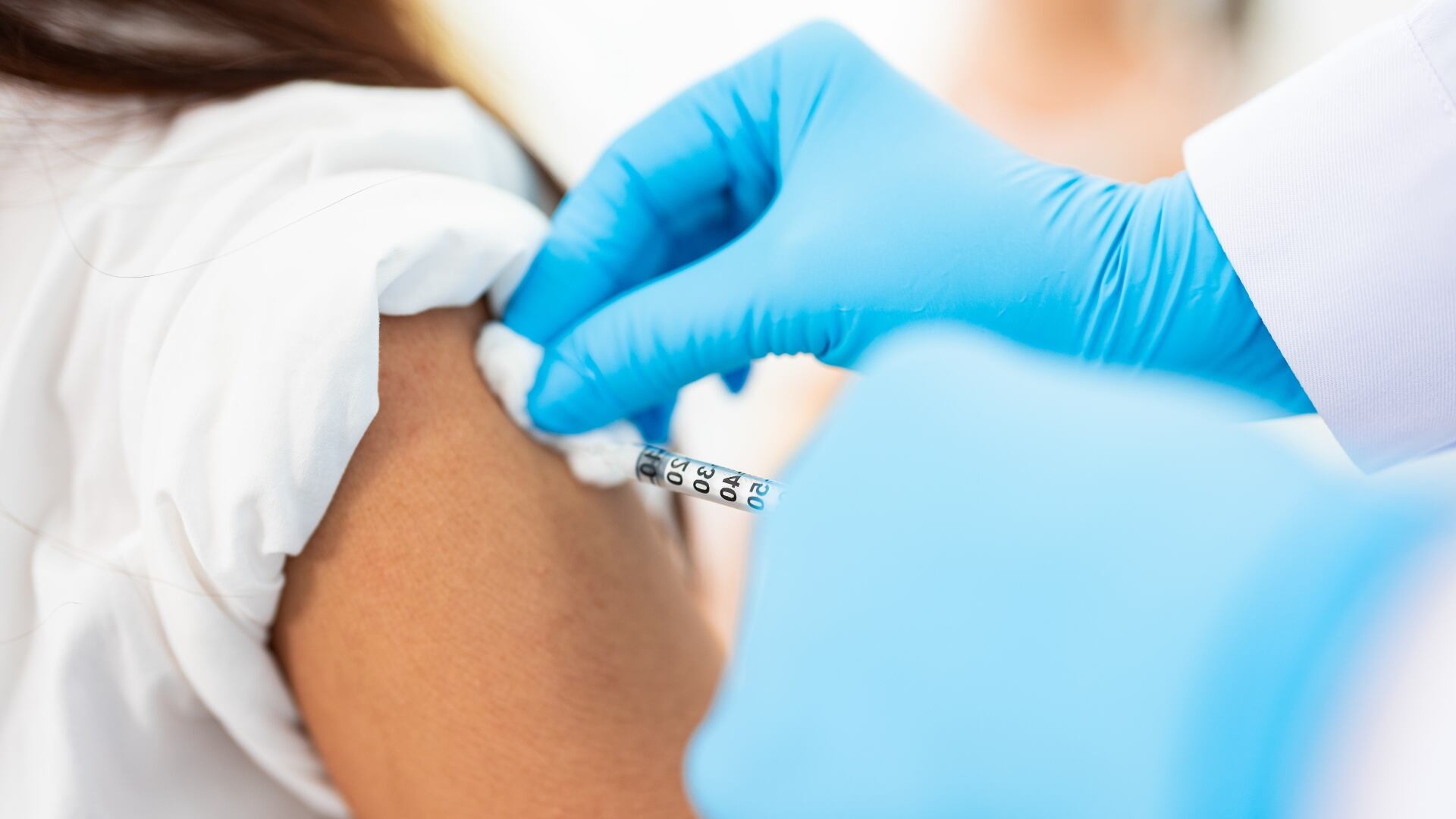
Sanofi has announced that it will lower the list price of its insulin drug, Lantus, by 78 percent and will set a $35 cap on out-of-pocket costs for all patients.
The price change and cap will go into effect starting January 1, 2024. They follow a series of moves made last year to lower the price of diabetes medicine, including the launch of an unbranded version of Lantus and a $35 cap for uninsured patients.
Yet, Olivier Bogillot, head of U.S. general medicines at Sanofi, said "the health system was unable to take advantage of it due to its inherent structural challenges."
“Sanofi believes that no one should struggle to pay for their insulin and we are proud of our continued actions to improve access and affordability for millions of patients for many years," he said. "Our decision to cut the list price of our lead insulin needs to be coupled with broader change to the overall system to actually drive savings for patients at the pharmacy counter.”
Sanofi will also cut the price of short-acting Apidra by 70 percent.
Season's greetings! Tax season, that is. January 29 is the first day you can file your tax return. We walk you through each step — plus a checklist you can download.
The Q-Collar helps protect athletes from impact-related concussions. Now, the U.S. Army is evaluating if the device could help reduce traumatic brain injury cased by blast weapons.
Co-founder and executive chairman of the board at Vaxxinity Lou Reese shares how the company is working to bring vaccines for chronic illnesses like heart disease and Parkinson’s to market with an eye for accessibility.
Mario Veneroso, Kingsview Asset Management Partner, weighs in on the latest economic data and whether the market is pricing in too many rate cuts for the coming year.
Apple has rolled out an update to its operating system this week with a feature called Stolen Device Protection. It makes it a lot harder for phone thieves to access key functions and settings, and users are being urged to turn it on immediately.
The U.S. economy grew at an unexpectedly brisk 3.3% annual pace from October through December as Americans showed a continued willingness to spend freely despite high interest rates and frustrating price levels.