Sen. Bernie Sanders, who saw his once-strong lead in the Democratic primary evaporate as the party’s establishment lined swiftly up behind rival Joe Biden, ended his presidential bid on Wednesday, an acknowledgment that the former vice president is too far ahead for him to have any reasonable hope of catching up.
The Vermont senator’s announcement makes Biden the presumptive Democratic nominee to challenge President Donald Trump in November.
Sanders plans to talk to his supporters later Wednesday.
Sanders initially exceeded sky-high expectations about his ability to recreate the magic of his 2016 presidential bid, and even overcame a heart attack last October on the campaign trail. But he found himself unable to convert unwavering support from progressives into a viable path to the nomination amid “electability” fears fueled by questions about whether his democratic socialist ideology would be palatable to general election voters.
The 78-year-old senator began his latest White House bid facing questions about whether he could win back the supporters who chose him four years ago as an insurgent alternative to the party establishment’s choice, Hillary Clinton. Despite winning 22 states in 2016, there were no guarantees he’d be a major presidential contender this cycle, especially as the race’s oldest candidate.
Sanders, though, used strong polling and solid fundraising — collected almost entirely from small donations made online — to more than quiet early doubters. Like the first time, he attracted widespread support from young voters and was able to make new inroads within the Hispanic community, even as his appeal with African Americans remained small.
Sanders amassed the most votes in Iowa and New Hampshire, which opened primary voting, and cruised to an easy victory in Nevada — seemingly leaving him well positioned to sprint to the Democratic nomination while a deeply crowded and divided field of alternatives sunk around him.
But a crucial endorsement of Biden by influential South Carolina Rep. Jim Clyburn, and a subsequent, larger-than-expected victory in South Carolina, propelled the former vice president into Super Tuesday, when he won 10 of 14 states.
In a matter of days, his top former Democratic rivals lined up and announced their endorsement of Biden. The former vice president’s campaign had appeared on the brink of collapse after New Hampshire but found new life as the rest of the party’s more moderate establishment coalesced around him as an alternative to Sanders.
Things only got worse the following week when Sanders lost Michigan, where he had campaigned hard and upset Clinton in 2016. He was also beaten in Missouri, Mississippi and Idaho the same night and the results were so decisive that Sanders headed to Vermont without speaking to the media.
Sanders had scheduled a rally in Ohio but canceled it amid fears about the spread of coronavirus — and the outbreak kept him home as his campaign appeared unsure of its next move. The senator addressed reporters the following day, but also sounded like a candidate who already knew he’d been beaten.
“While our campaign has won the ideological debate, we are losing the debate over electability,” Sanders said then.
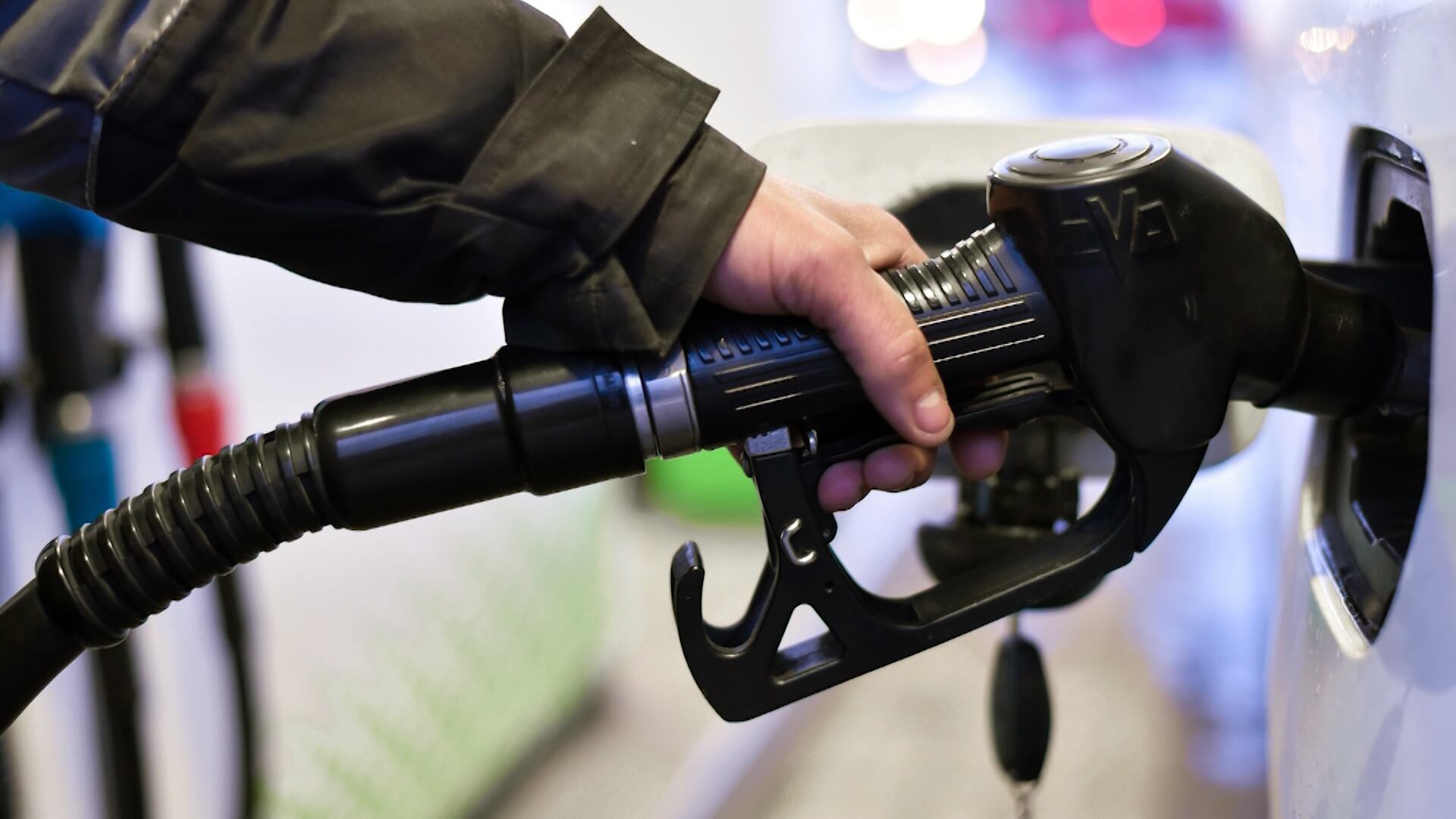
Peter Zalzal, associate vice president for clean air strategies at the Environmental Defense Fund, a nonprofit environmental advocacy group, joined Cheddar to discuss the Biden Administration's unveiling of stricter fuel-efficiency standards for new automobiles. "The administration estimated that these rules will reduce about 2.5 billion tons of climate pollution by 2050, and using less fuel also means that we have to go to the gas pump less often. And so it means we save money, thousands of dollars in avoided fuel costs each year for consumers," he noted.
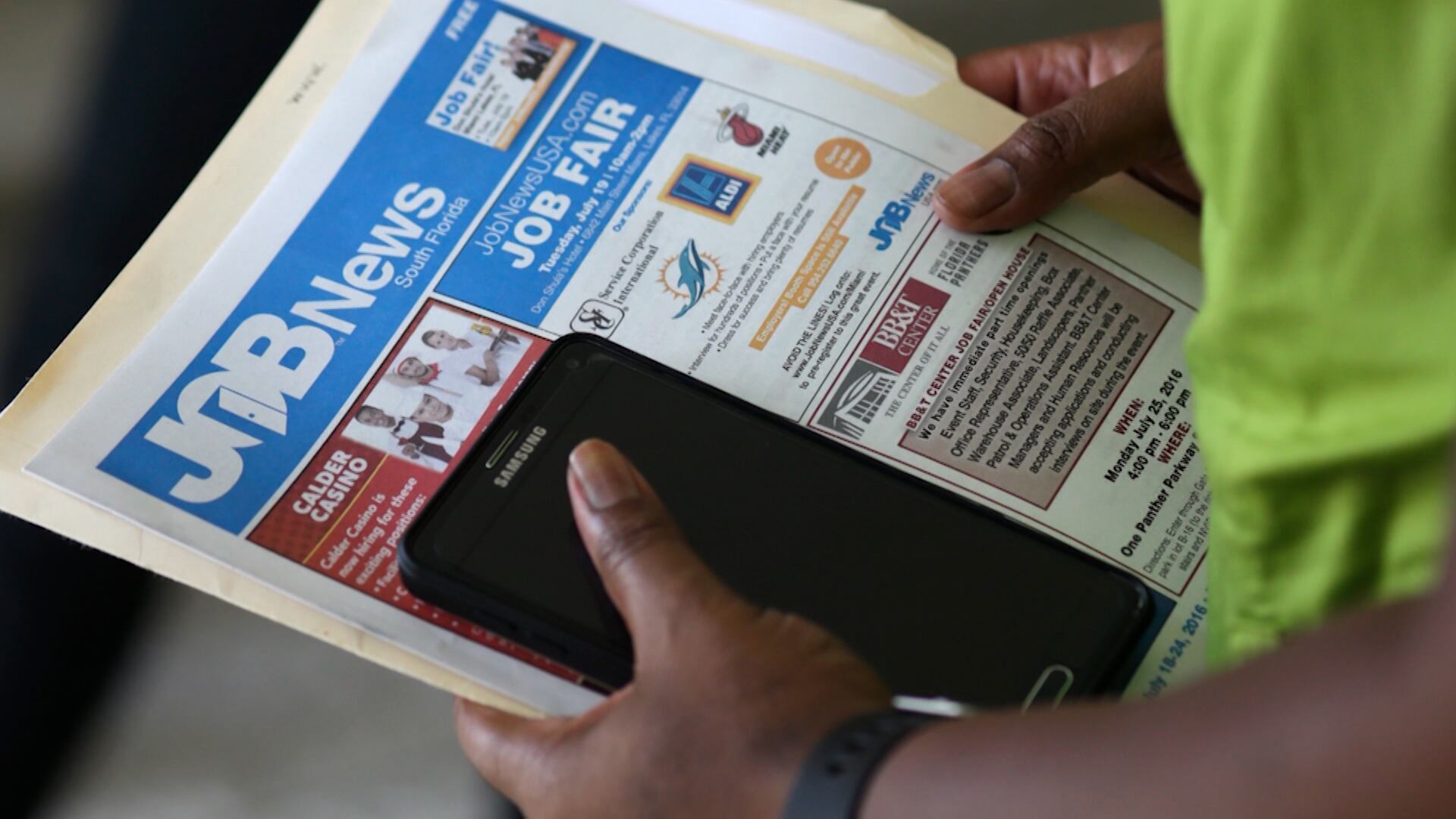
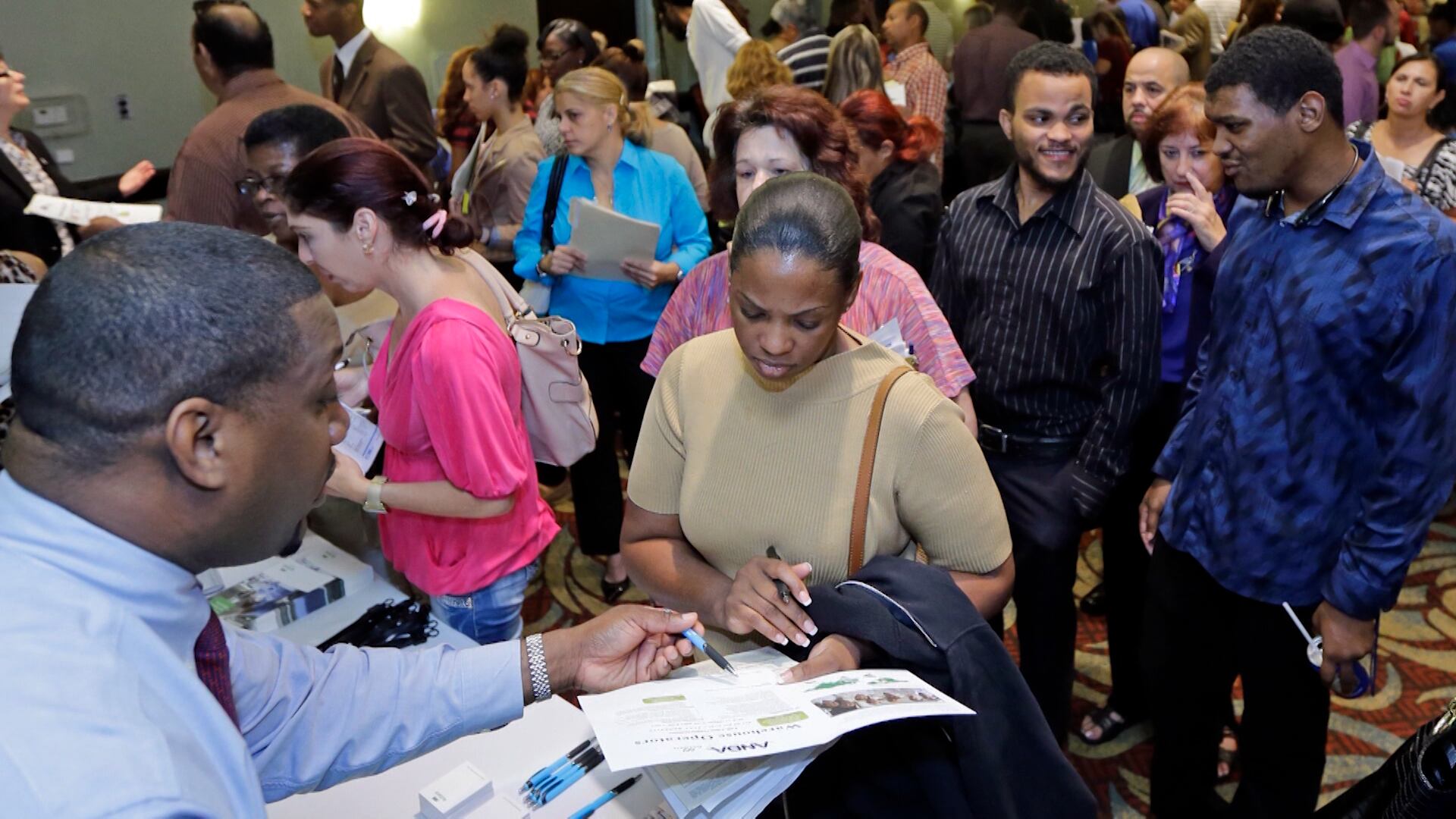
The relatively robust March jobs report showed that despite the low unemployment rate, Black, Hispanic, and women job seekers are still having difficulty finding work. William M. Rodgers III, the vice president and director of the Institute for Economic Equity at the Federal Reserve Bank of St. Louis noted that participation rates in the labor force ticked up for minorities, adding to other positive signs of growth. He also spoke to Cheddar News to discuss further the jobs figures, the state of the labor market, and rising inflation.
U.S. markets opened higher to kick off the second quarter, despite a miss on the March Jobs Report. The economy added $431,000 in the month, slightly lower than the $490,000 analysts had expected. The unemployment rate also ticked down to 3.6% from 3.8%. Kevin Simpson, Founder & Chief Investment Officer, Capital Wealth Planning joined Cheddar's Opening Bell to discuss.
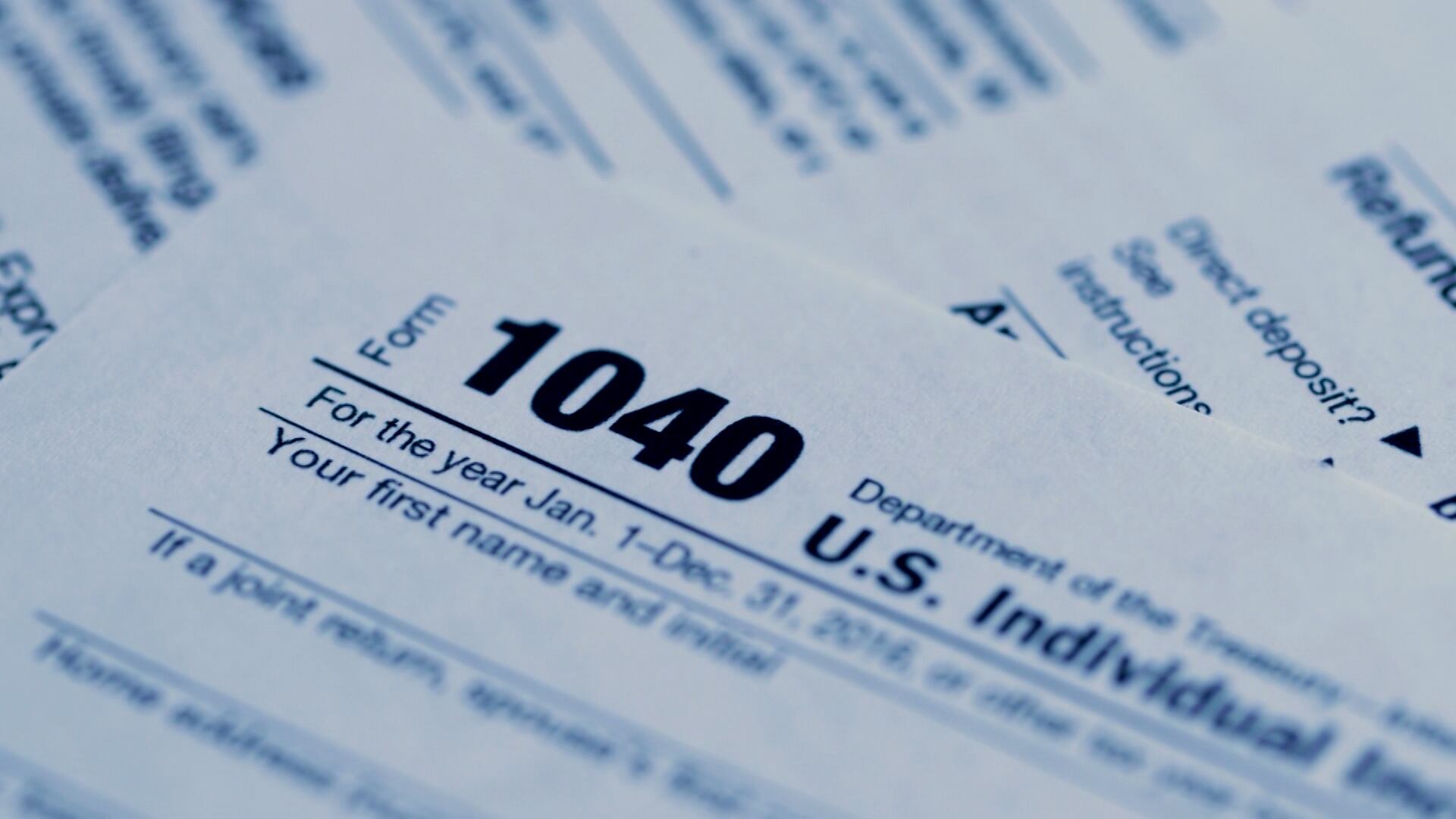
President Biden is going after billionaires in his 2023 budget request to congress. The proposal would establish a 20% minimum tax rate on all households worth more than $100 million, as well as raise the corporate tax rate from 21% to 28%. Rhett Buttle, Small Business for America's Future Senior Advisor, Business Policy Expert & Biden Campaign Business Advisor, breaks down the proposal, what it aims to accomplish, and how small businesses might feel about it.
The Biden administration has announced the U.S. will accept up to 100,000 refugees fleeing the war in Ukraine and provide more than 1 billion dollars in new funding for the growing humanitarian crisis. The move comes as President Biden meets with his western counterparts in Europe to demonstrate a united front against Russia and show support for Ukraine. Altagracia Pierre-Outerbridge, Immigration Attorney for Outerbridge Law, explains how this is going to work.
The DOJ has endorsed an antitrust bill targeting tech giants like Apple, Amazon, Meta, and Google. The legislation would ban the companies from favoring their own products and services over their competitor's, making it more difficult them to dominate the marketplace. Greg Day, Assistant Professor of Legal Studies at the University of Georgia, breaks down the bill and its potential impact on anti-competition in the tech sector.
Catching you up with what you need to know on Apr 1, 2022, with Ukrainians hoping to flee the besieged city of Mariupol with a ceasefire is in place, President Biden orders the release of oil from U.S.reserves, LGBT activists suing Florida Governor Ron DeSantis over the "Don't Say Gay" Law, U.S. passports offering an "x" option for gender, and more.
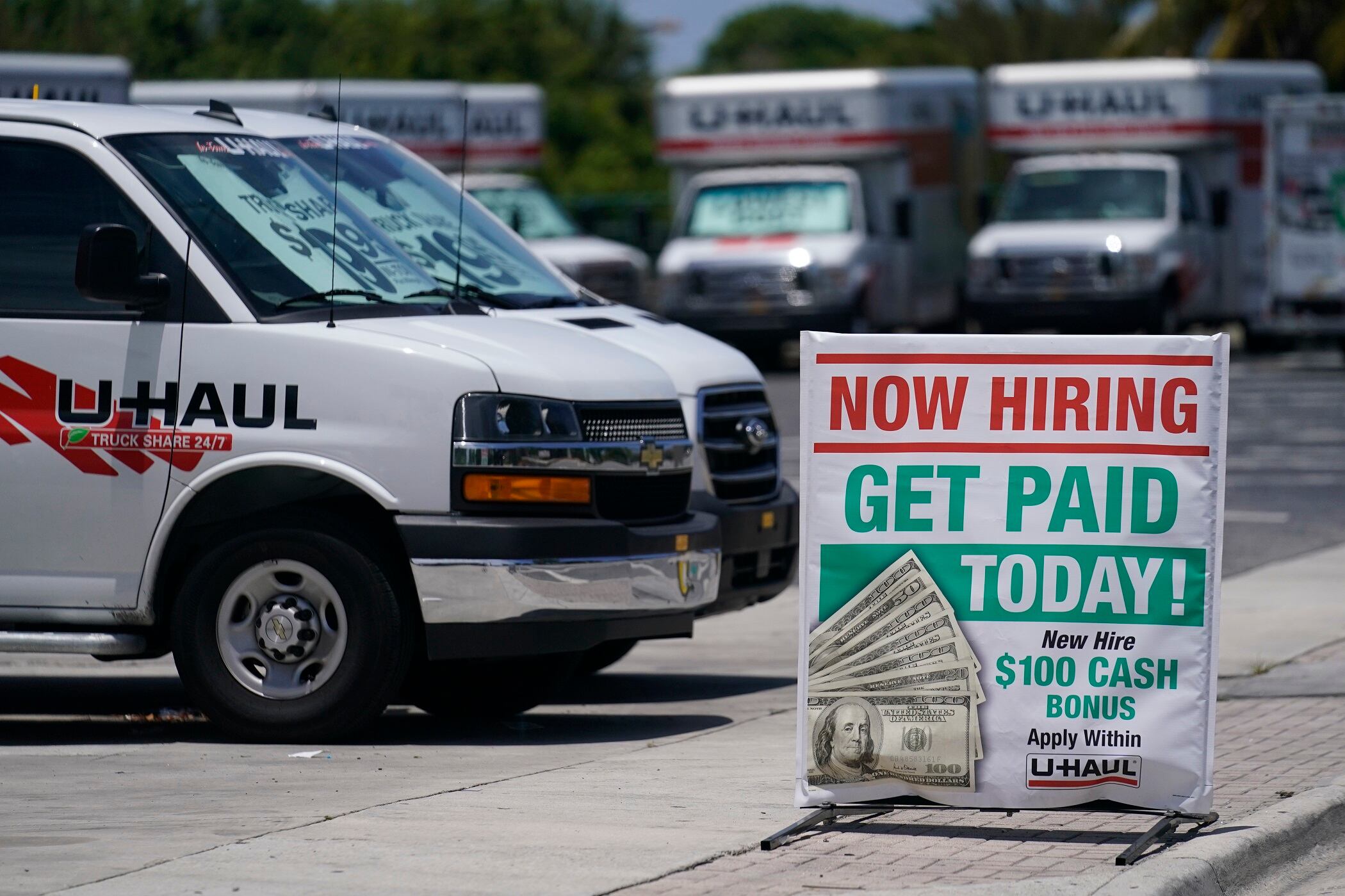
America’s employers extended a streak of robust hiring in March, adding 431,000 jobs in a sign of the economy’s resilience in the face of a still-destructive pandemic and the highest inflation in 40 years.