Sen. Bernie Sanders, who saw his once-strong lead in the Democratic primary evaporate as the party’s establishment lined swiftly up behind rival Joe Biden, ended his presidential bid on Wednesday, an acknowledgment that the former vice president is too far ahead for him to have any reasonable hope of catching up.
The Vermont senator’s announcement makes Biden the presumptive Democratic nominee to challenge President Donald Trump in November.
Sanders plans to talk to his supporters later Wednesday.
Sanders initially exceeded sky-high expectations about his ability to recreate the magic of his 2016 presidential bid, and even overcame a heart attack last October on the campaign trail. But he found himself unable to convert unwavering support from progressives into a viable path to the nomination amid “electability” fears fueled by questions about whether his democratic socialist ideology would be palatable to general election voters.
The 78-year-old senator began his latest White House bid facing questions about whether he could win back the supporters who chose him four years ago as an insurgent alternative to the party establishment’s choice, Hillary Clinton. Despite winning 22 states in 2016, there were no guarantees he’d be a major presidential contender this cycle, especially as the race’s oldest candidate.
Sanders, though, used strong polling and solid fundraising — collected almost entirely from small donations made online — to more than quiet early doubters. Like the first time, he attracted widespread support from young voters and was able to make new inroads within the Hispanic community, even as his appeal with African Americans remained small.
Sanders amassed the most votes in Iowa and New Hampshire, which opened primary voting, and cruised to an easy victory in Nevada — seemingly leaving him well positioned to sprint to the Democratic nomination while a deeply crowded and divided field of alternatives sunk around him.
But a crucial endorsement of Biden by influential South Carolina Rep. Jim Clyburn, and a subsequent, larger-than-expected victory in South Carolina, propelled the former vice president into Super Tuesday, when he won 10 of 14 states.
In a matter of days, his top former Democratic rivals lined up and announced their endorsement of Biden. The former vice president’s campaign had appeared on the brink of collapse after New Hampshire but found new life as the rest of the party’s more moderate establishment coalesced around him as an alternative to Sanders.
Things only got worse the following week when Sanders lost Michigan, where he had campaigned hard and upset Clinton in 2016. He was also beaten in Missouri, Mississippi and Idaho the same night and the results were so decisive that Sanders headed to Vermont without speaking to the media.
Sanders had scheduled a rally in Ohio but canceled it amid fears about the spread of coronavirus — and the outbreak kept him home as his campaign appeared unsure of its next move. The senator addressed reporters the following day, but also sounded like a candidate who already knew he’d been beaten.
“While our campaign has won the ideological debate, we are losing the debate over electability,” Sanders said then.
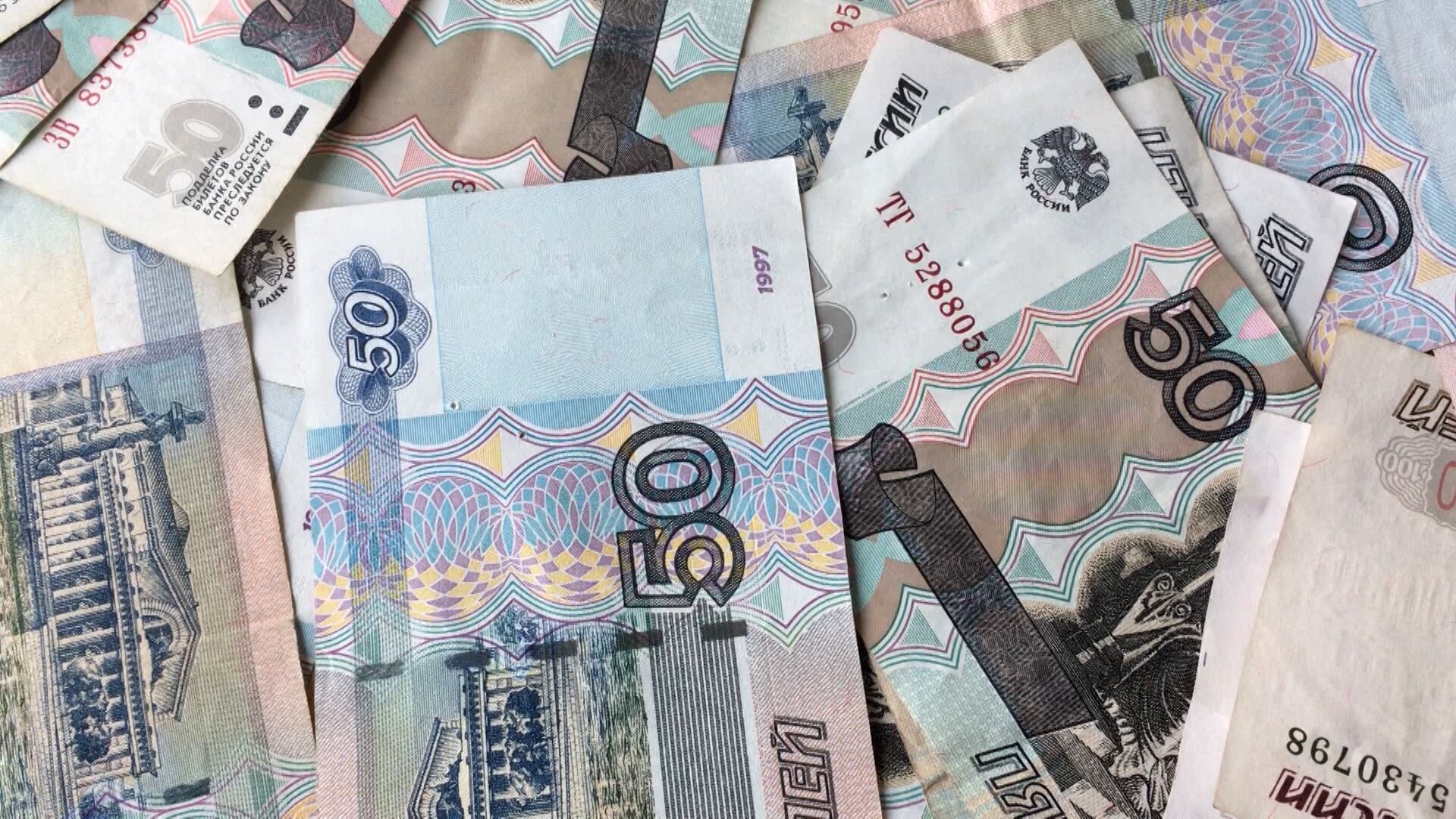
Russia has defaulted on some of its foreign debt as a tidal wave of western sanctions threatens its economy. The credit ratings agency S&P has placed Russia under "selective default" after it tried to pay its latest obligations in rubles. Russia now has a 30-day grace period to resolve the issue, but Moscow is threatening to take legal action. George Seay, Annandale Capital's CEO, joined Cheddar to break down what this means, and how Russia defaulting on its debt might impact the global economy.
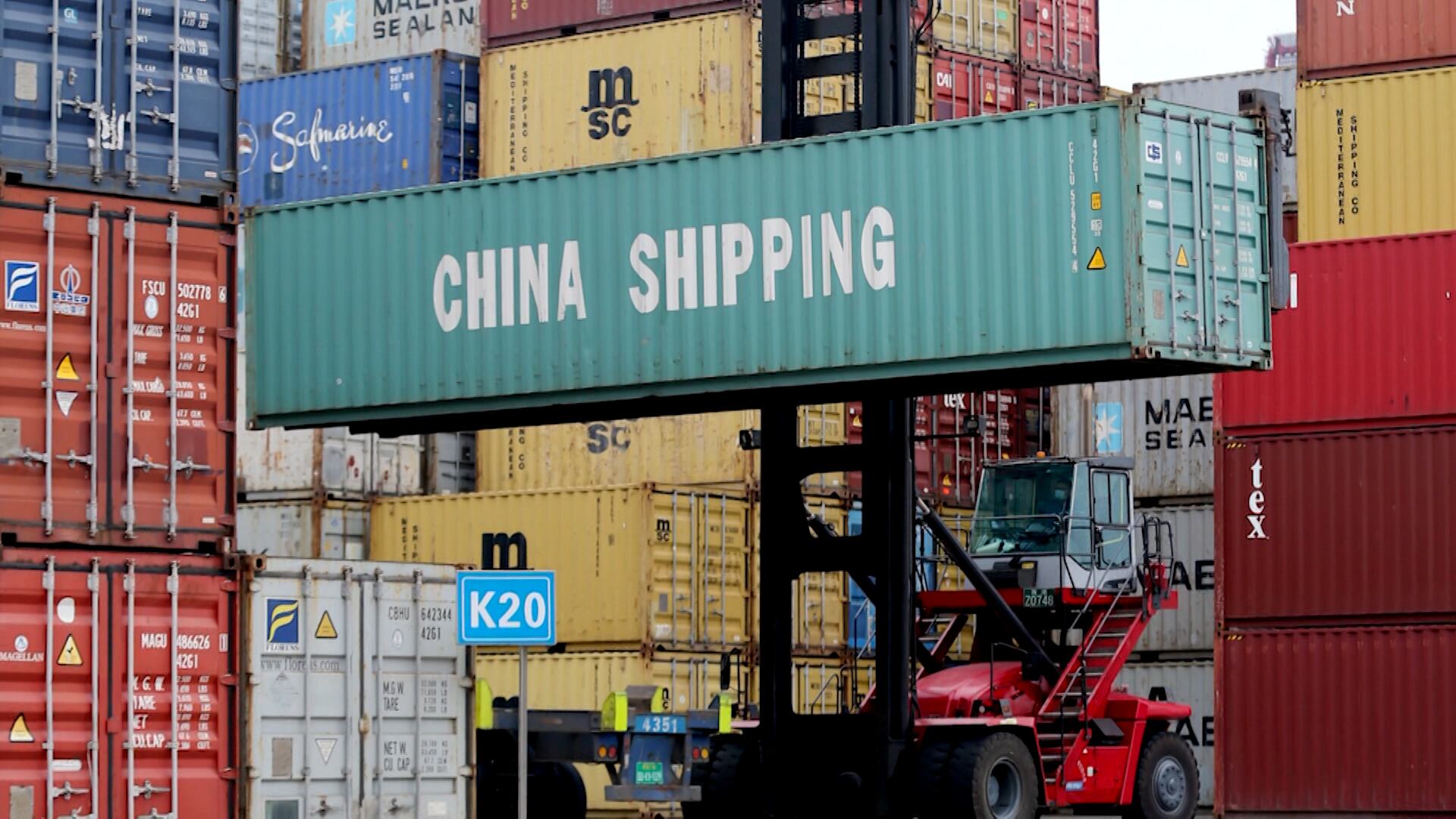
China's zero-covid policy may pose a wide-ranging threat to the local, and overseas economy. Analysts voicing concern on the strict lockdown in Shanghai as businesses and ports remain shuttered, potentially threatening the global supply chain. Shehzad H. Qazi, Managing Director, China Beige Book International joined Cheddar's Opening Bell to discuss.
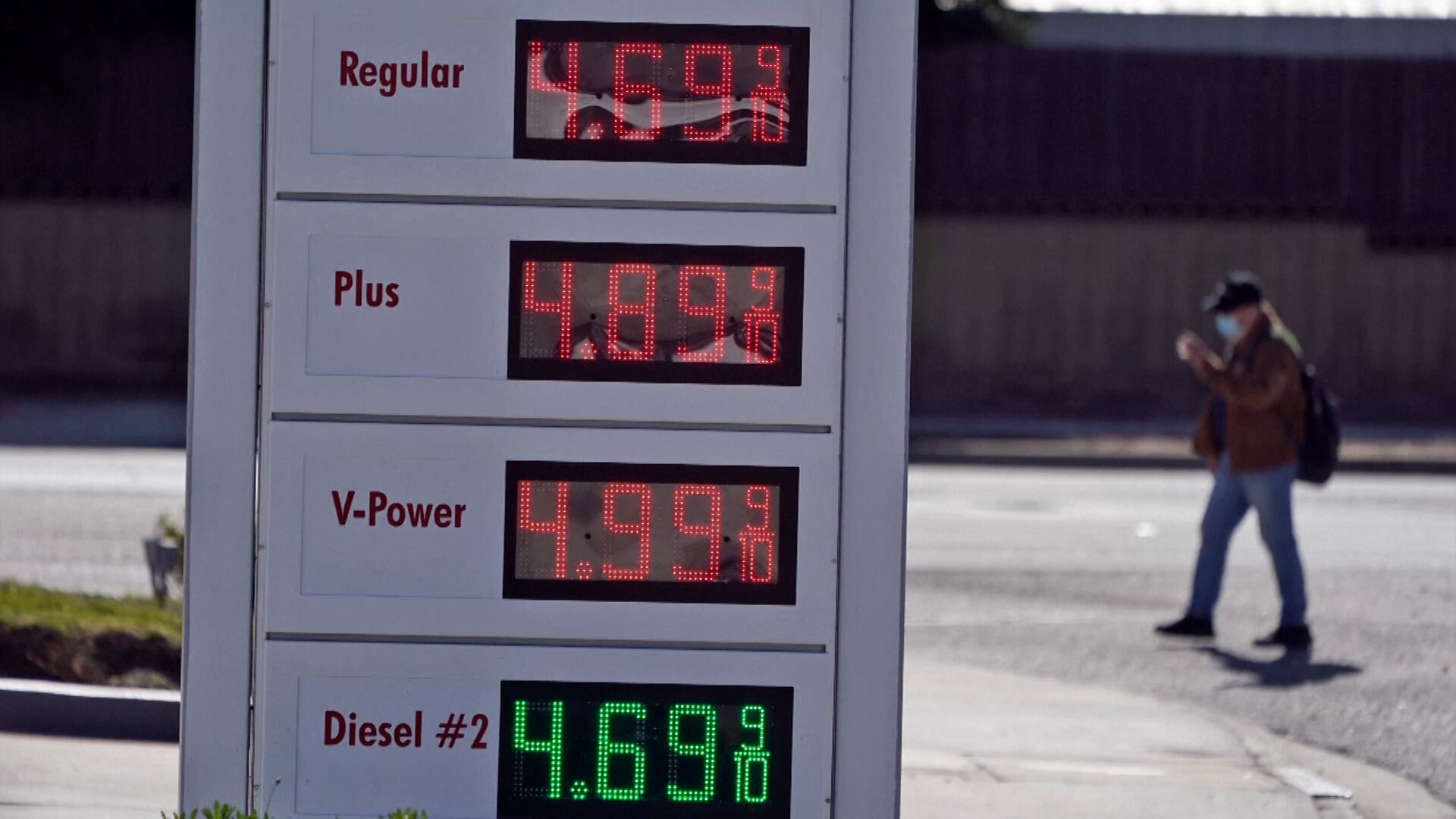
The consumer price index in March rose by 8.5% from a year ago, the fastest annual gain since December 1981 and one-tenth of a percentage point above the estimate. The rise in prices is driven by strong consumer demand, supply-chain disruptions and skyrocketing energy costs related to Russia's invasion of Ukraine. Heather Boushey, Council of Economic Advisers Member for President Biden, joined Cheddar's Opening Bell to give her reaction to the latest inflation numbers.
As China faces backlash from its response to Russia's invasion of Ukraine, the U.S. is strengthening its relationship with India. India is expected to become one of the top three economic powers in the world over the next 10 to 15 years, bolstered by technological advances and the manufacturing sector. Samir Kapadia, CEO and Principal of The Vogel Group, joined Cheddar to discuss the state of India's economy, and how it can only grow from here.
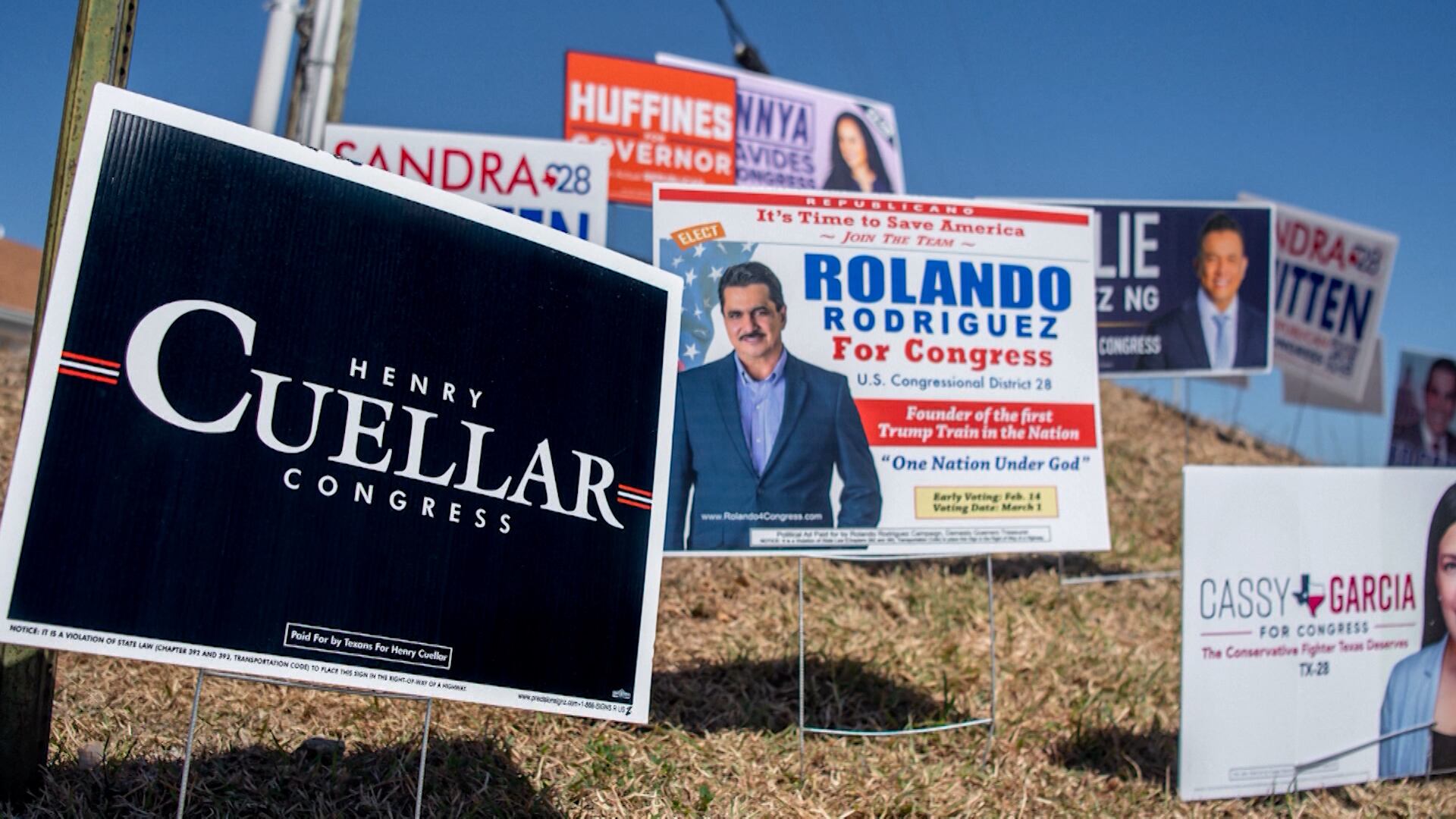
With the midterms just a few months away, record-setting inflation is weighing on the minds of voters. According to a recent CNN poll, a majority of voters said the state of the economy will play a key role in how they cast their ballot, and 55% said the same of inflation. Joseph Zeballos-Roig, Economic Policy Reporter for Insider, joined Cheddar to discuss how inflation could shape the 2022 midterms, and ultimately determine the balance of power in Congress.
The Brooklyn subway attack is the latest in a string of high-profile crimes that have plagued New York City. The surge in crime comes as cities across the country are trying to recover from the pandemic and bring life back to a sense of normal. Joseph Giacalone, professor at John Jay College and retired NYPD sergeant, joined Cheddar's Opening Bell to explain what's behind the rise in crime, and what can be done about it.
After failing to take control of northern and western Ukraine, Russia is shifting its focus to the east. As both sides continue to pour reinforcements into the region, officials are expecting more conventional combat involving tanks, artillery, and aircraft that could shape the war's biggest battles yet. Doug Collins, a former Georgia congressman, joined Cheddar to discuss the change in Russia's tactics.
Catching you up on what you need to know on Apr 14, 2022, with the U.S. sending $800M to Ukraine, updates on the subway shooting in Brooklyn, Gov. Abbott putting a pause on his southern border truck inspections, migrants being bused from Texas to Washington, DC, the travel mask mandate extending until May 3, and more.
This March 19, 2018, file photo shows the Yelp app on an iPad in Baltimore. Yelp reports financial results Thursday, Nov. 7, 2019. The online review service will cover the travel expenses of employees who have to travel out of state for abortions, joining the ranks of major employers trying to help workers affected by restrictions being placed on the procedure in Texas and other states. The benefit announced Tuesday, April 12, 2022 covers Yelp's entire workforce of 4,000 employees, but seems most likely to have its biggest immediate impact on its 200 workers in Texas, which has passed a law banning abortions within the state after six weeks of pregnancy. (AP Photo/Patrick Semansky, File)