Sen. Bernie Sanders, who saw his once-strong lead in the Democratic primary evaporate as the party’s establishment lined swiftly up behind rival Joe Biden, ended his presidential bid on Wednesday, an acknowledgment that the former vice president is too far ahead for him to have any reasonable hope of catching up.
The Vermont senator’s announcement makes Biden the presumptive Democratic nominee to challenge President Donald Trump in November.
Sanders plans to talk to his supporters later Wednesday.
Sanders initially exceeded sky-high expectations about his ability to recreate the magic of his 2016 presidential bid, and even overcame a heart attack last October on the campaign trail. But he found himself unable to convert unwavering support from progressives into a viable path to the nomination amid “electability” fears fueled by questions about whether his democratic socialist ideology would be palatable to general election voters.
The 78-year-old senator began his latest White House bid facing questions about whether he could win back the supporters who chose him four years ago as an insurgent alternative to the party establishment’s choice, Hillary Clinton. Despite winning 22 states in 2016, there were no guarantees he’d be a major presidential contender this cycle, especially as the race’s oldest candidate.
Sanders, though, used strong polling and solid fundraising — collected almost entirely from small donations made online — to more than quiet early doubters. Like the first time, he attracted widespread support from young voters and was able to make new inroads within the Hispanic community, even as his appeal with African Americans remained small.
Sanders amassed the most votes in Iowa and New Hampshire, which opened primary voting, and cruised to an easy victory in Nevada — seemingly leaving him well positioned to sprint to the Democratic nomination while a deeply crowded and divided field of alternatives sunk around him.
But a crucial endorsement of Biden by influential South Carolina Rep. Jim Clyburn, and a subsequent, larger-than-expected victory in South Carolina, propelled the former vice president into Super Tuesday, when he won 10 of 14 states.
In a matter of days, his top former Democratic rivals lined up and announced their endorsement of Biden. The former vice president’s campaign had appeared on the brink of collapse after New Hampshire but found new life as the rest of the party’s more moderate establishment coalesced around him as an alternative to Sanders.
Things only got worse the following week when Sanders lost Michigan, where he had campaigned hard and upset Clinton in 2016. He was also beaten in Missouri, Mississippi and Idaho the same night and the results were so decisive that Sanders headed to Vermont without speaking to the media.
Sanders had scheduled a rally in Ohio but canceled it amid fears about the spread of coronavirus — and the outbreak kept him home as his campaign appeared unsure of its next move. The senator addressed reporters the following day, but also sounded like a candidate who already knew he’d been beaten.
“While our campaign has won the ideological debate, we are losing the debate over electability,” Sanders said then.
The Biden administration is making changes to federal student loan programs, bringing more than 3.6 million people closer to debt forgiveness under the new rules, providing 40,000 with immediate debt cancellation, and allowing several thousand more with older loans to get some relief. Rob Franek, Editor-In-Chief of the Princeton Review, joined Cheddar News to break down how these changes might impact the lives of student loan borrowers and addresses some of the pushback against doing even more. "This is not a bankruptcy bailout of industries that are supporting the American economy," he said. These are for students right now who would otherwise be hobbled financially if they didn't experience some sort of forgiveness overall."
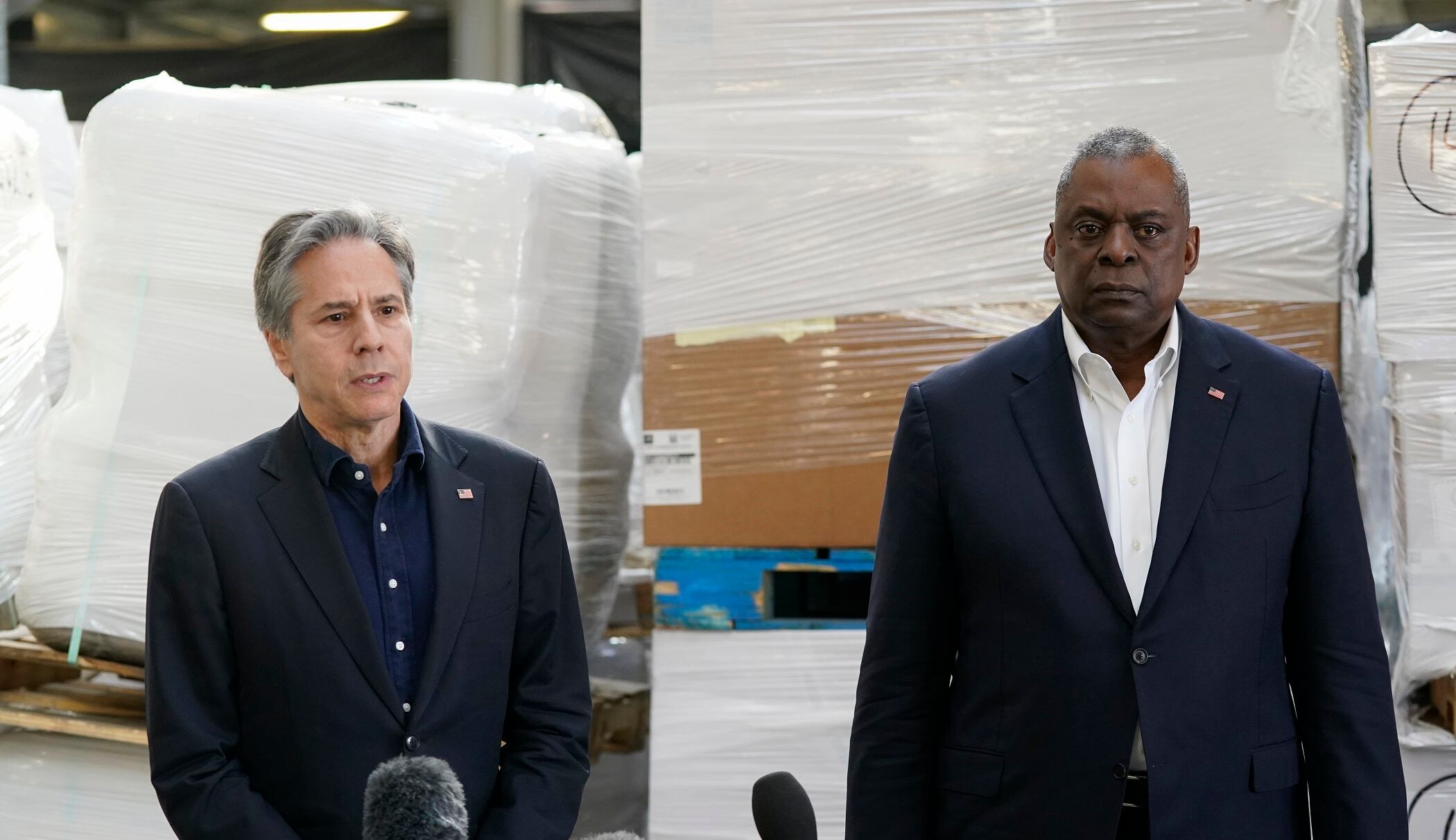
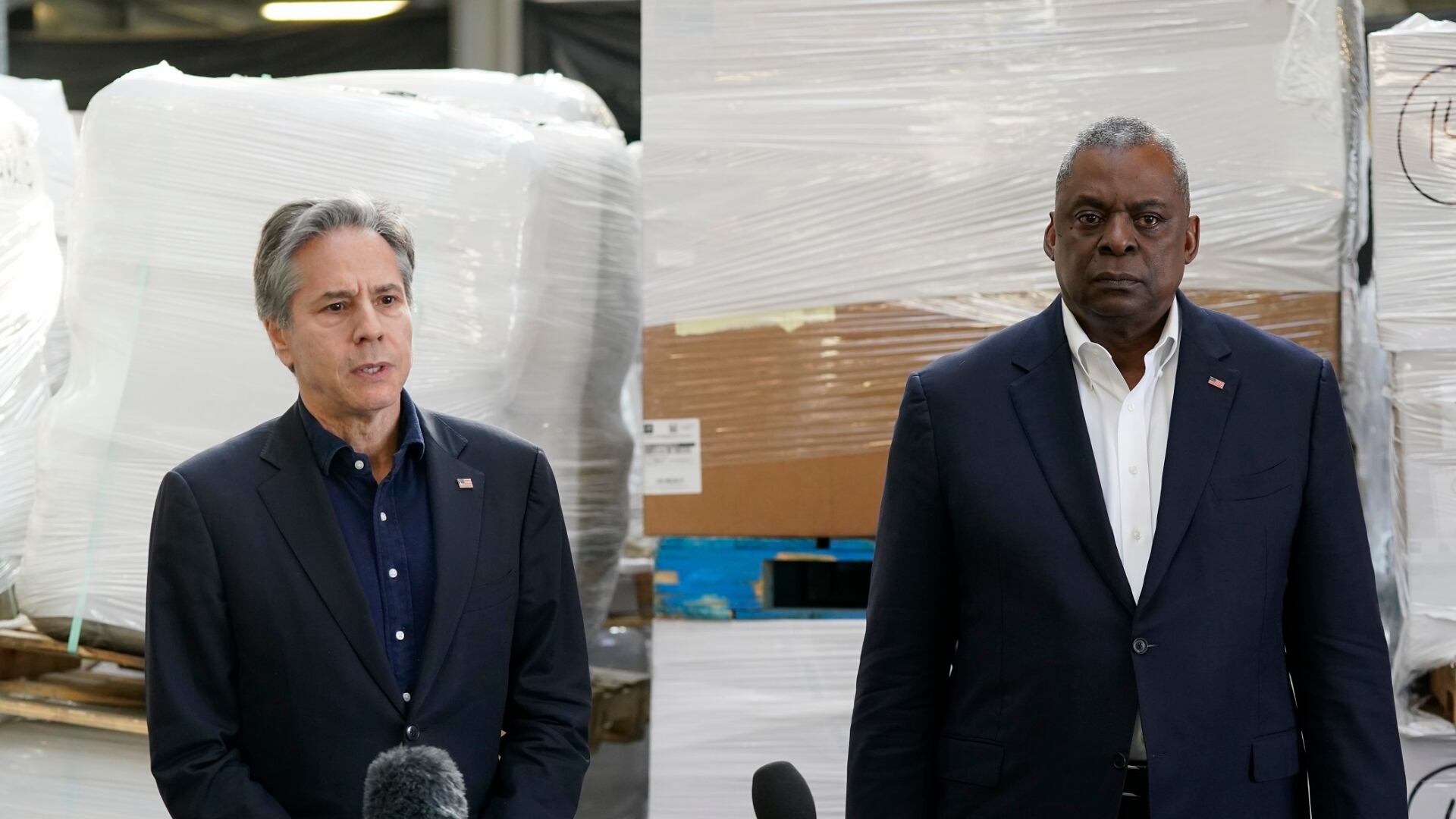
After a secrecy-shrouded visit to Ukraine's capital, U.S. Secretary of State Antony Blinken says Russia is failing in its war aims and “Ukraine is succeeding.”
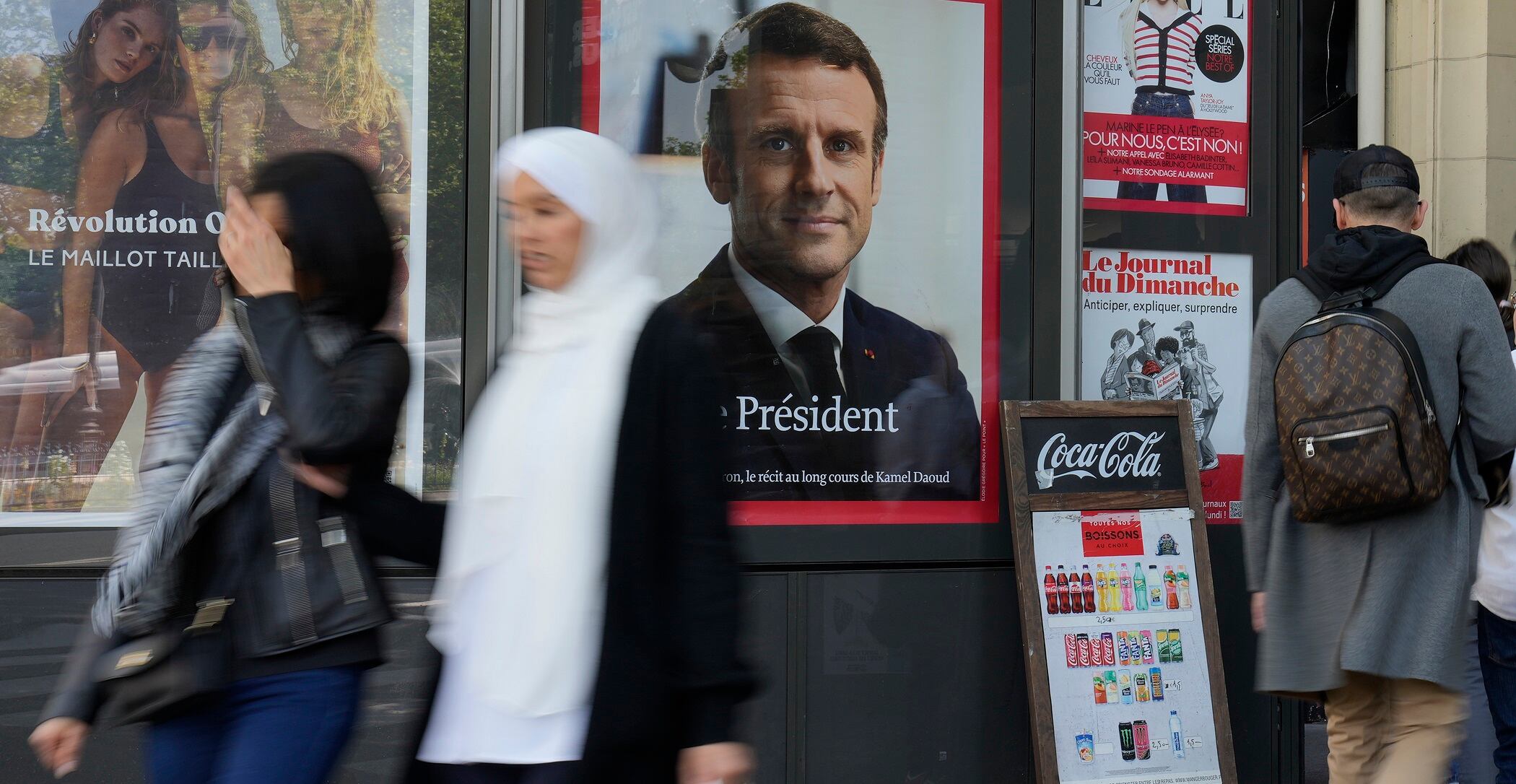
Emmanuel Macron staves off the far right challenger Marine Le Pen in France, conservative lawmakers find themselves embroiled in varying controversies, and pickleball is hotter than ever in the U.S.
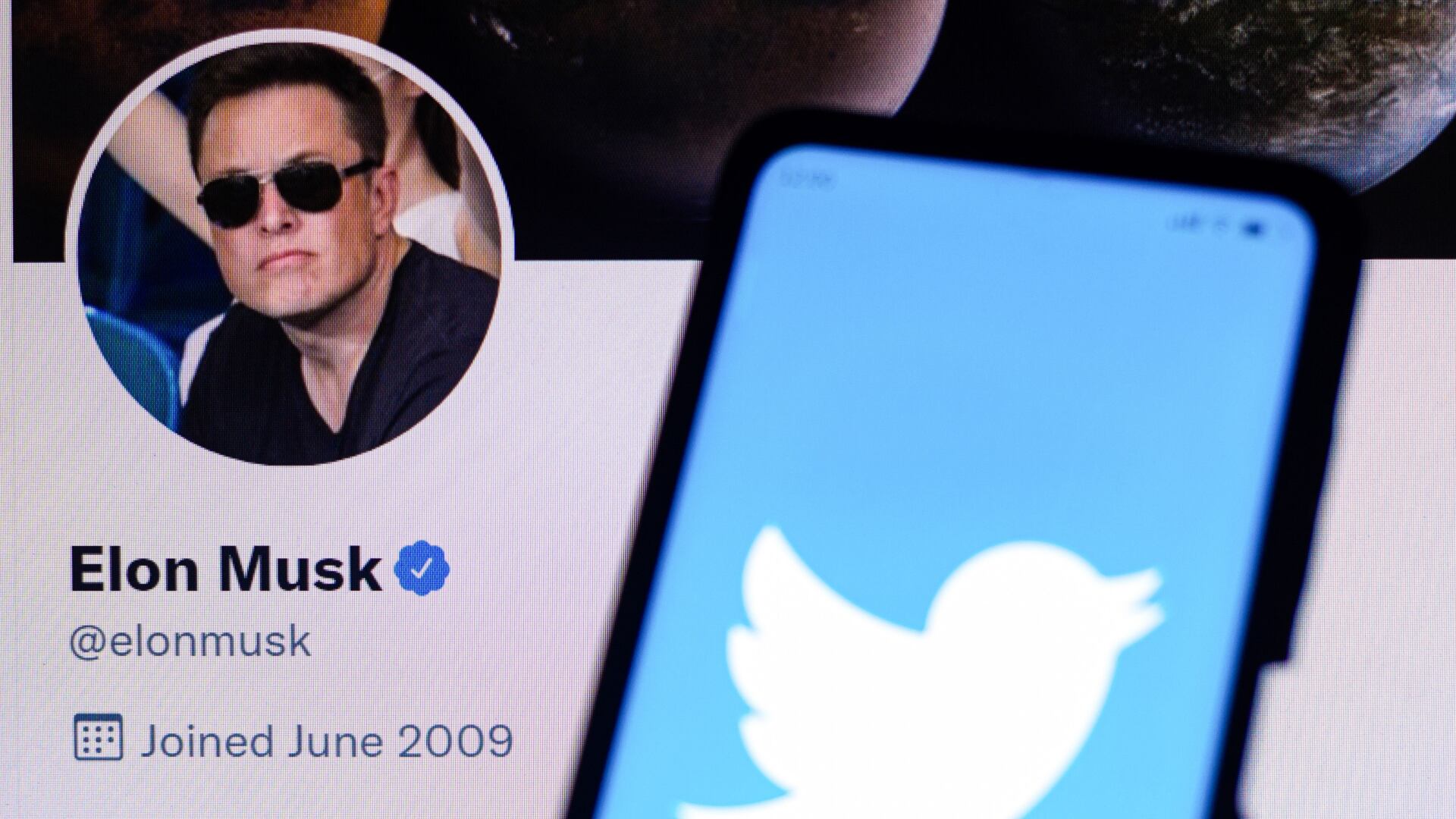
Catching you up on what you need to know on April 25, 2022, with Secretary of State Blinken and Defense Secretary Austin visiting Ukraine, Emmanuel Macron is reelected as president of France, Twitter is talking to Elon Musk about his purchase bid, and more.
An increasing number of countries are recognizing "Rights of Nature", a legal movement that says ecosystems and species have basic rights to exist and flourish. Grant Wilson, executive director at Earth Law Center joins Cheddar News to explain what the movement is aiming to achieve.
The saga surrounding Elon Musk's bid to buy Twitter has made its way to Washington, DC. A group of 18 House Republicans are calling on the social media platform's board to preserve all records and documents related to the company's response to the offer from the Tesla CEO. Caleb Silver, editor in chief of Investopedia, joined Closing Bell to discuss. "This is a long term play, but it's just a shot across the bow by congressional Republicans, who probably will end up taking the House, that they're going to be tough on Big Tech and they're going use Musk's bid for twitter to take it private, so that he can get the platform to be open source and remove its censorship."
Florida Gov. Ron DeSantis has signed a bill dissolving Walt Disney World’s private government after the entertainment giant criticized a measure that critics have dubbed the “Don’t Say Gay” law.
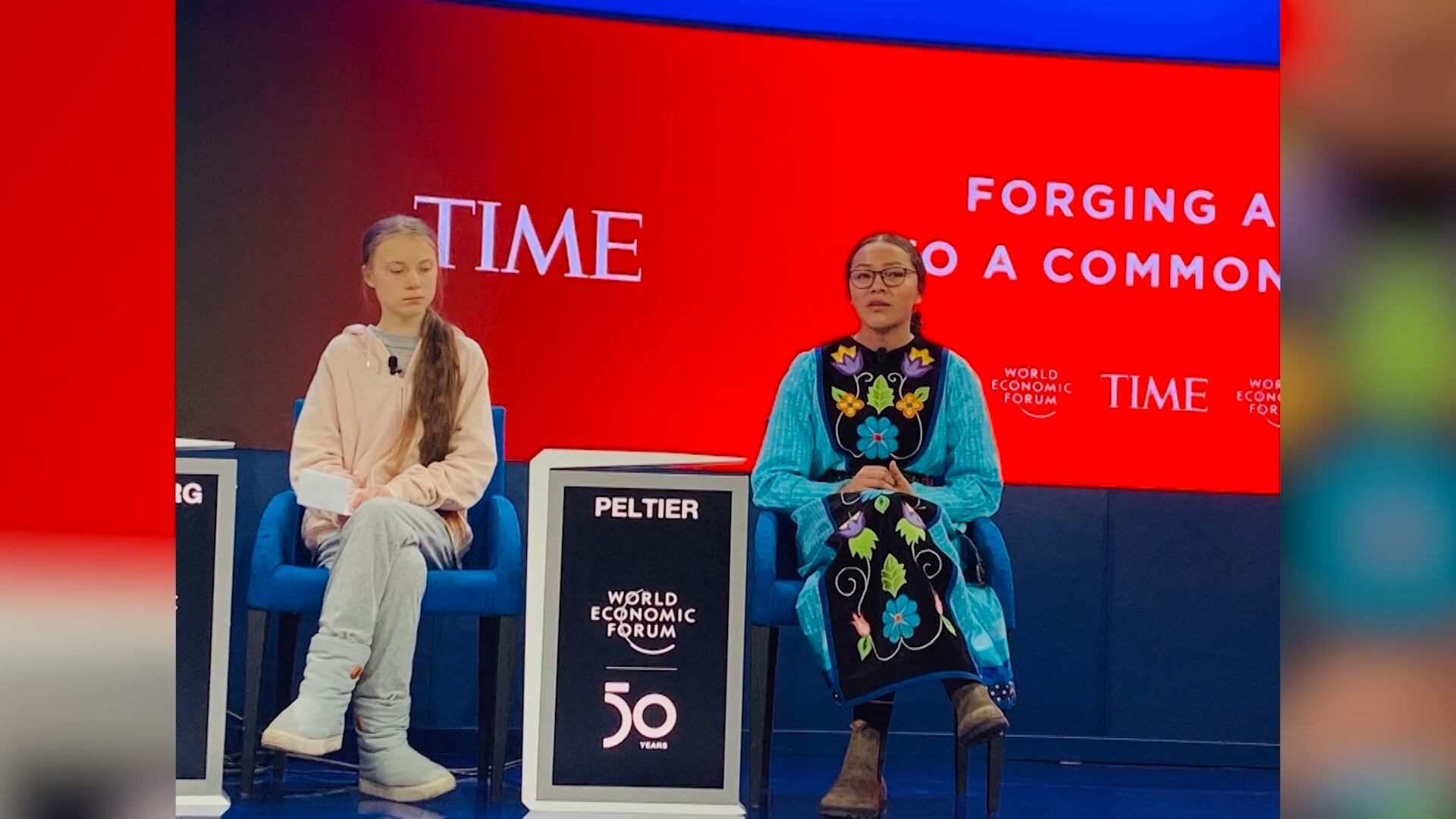
Autumn Peltier, an indigenous water activist, joined Cheddar News to talk about the lack of access to clean water among indigenous communities in Canada. “I say the government to hold themselves accountable for the promises that they make because Canada and indigenous people have a long history of broken promises and they still continue to this day to keep breaking promises with the nation's people," she said. "Less talk and more action is very much expected from me."
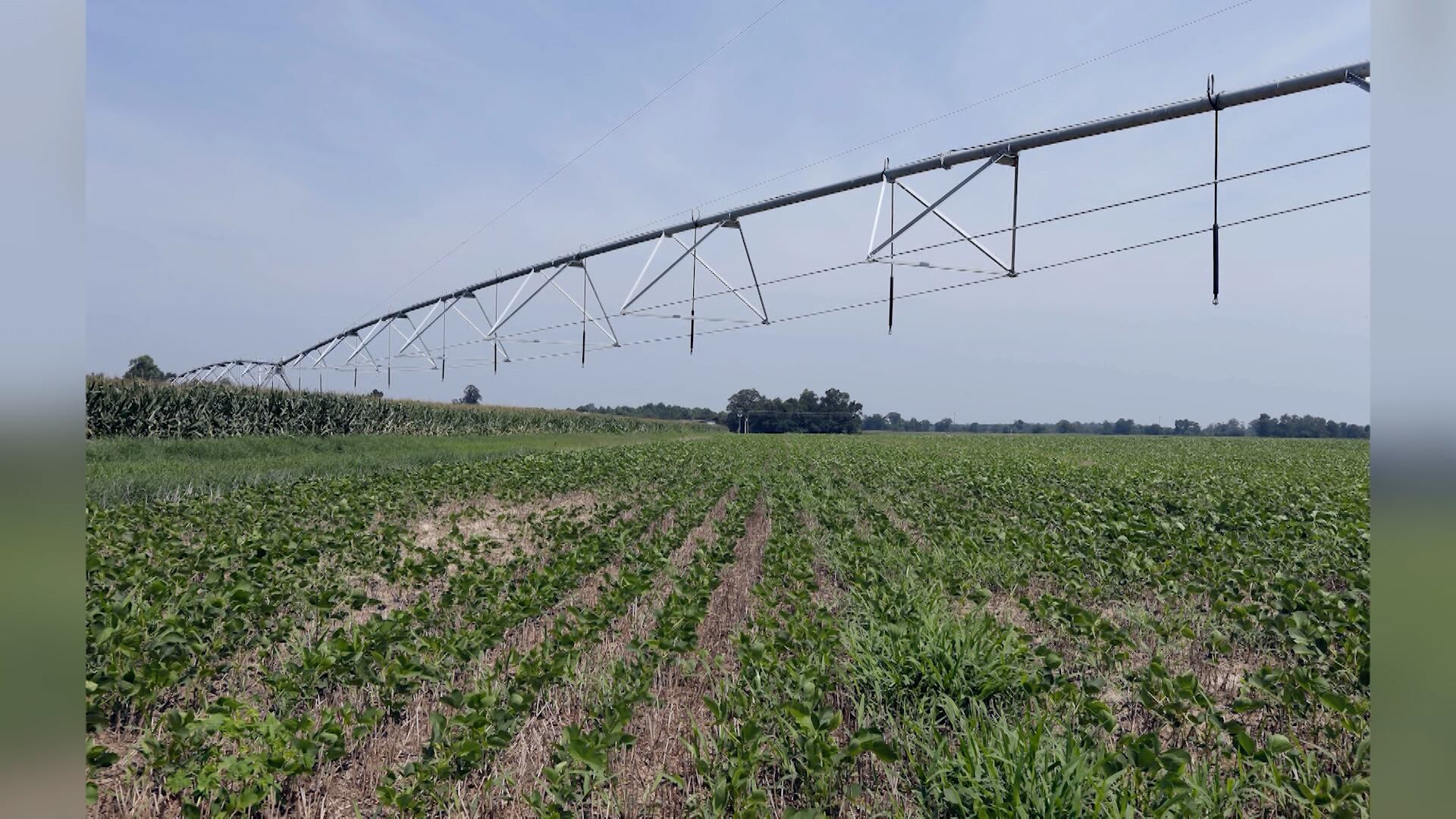
Robert Bonnie, farm production and conservation undersecretary for the USDA, spoke to Cheddar about climate-smart strategies to help farmers reduce carbon emissions from agriculture. "We share the costs of installing those practices on their lands in ways that will protect the climate and maintain agricultural productivity, and we're also partnering with farmers to draw in private investment in greenhouse gas emissions reductions provided by agriculture and forestry," he said. The hope is to get farmers and ranchers to produce climate-smart commodities to lessen the impact of climate change.