Sen. Bernie Sanders, who saw his once-strong lead in the Democratic primary evaporate as the party’s establishment lined swiftly up behind rival Joe Biden, ended his presidential bid on Wednesday, an acknowledgment that the former vice president is too far ahead for him to have any reasonable hope of catching up.
The Vermont senator’s announcement makes Biden the presumptive Democratic nominee to challenge President Donald Trump in November.
Sanders plans to talk to his supporters later Wednesday.
Sanders initially exceeded sky-high expectations about his ability to recreate the magic of his 2016 presidential bid, and even overcame a heart attack last October on the campaign trail. But he found himself unable to convert unwavering support from progressives into a viable path to the nomination amid “electability” fears fueled by questions about whether his democratic socialist ideology would be palatable to general election voters.
The 78-year-old senator began his latest White House bid facing questions about whether he could win back the supporters who chose him four years ago as an insurgent alternative to the party establishment’s choice, Hillary Clinton. Despite winning 22 states in 2016, there were no guarantees he’d be a major presidential contender this cycle, especially as the race’s oldest candidate.
Sanders, though, used strong polling and solid fundraising — collected almost entirely from small donations made online — to more than quiet early doubters. Like the first time, he attracted widespread support from young voters and was able to make new inroads within the Hispanic community, even as his appeal with African Americans remained small.
Sanders amassed the most votes in Iowa and New Hampshire, which opened primary voting, and cruised to an easy victory in Nevada — seemingly leaving him well positioned to sprint to the Democratic nomination while a deeply crowded and divided field of alternatives sunk around him.
But a crucial endorsement of Biden by influential South Carolina Rep. Jim Clyburn, and a subsequent, larger-than-expected victory in South Carolina, propelled the former vice president into Super Tuesday, when he won 10 of 14 states.
In a matter of days, his top former Democratic rivals lined up and announced their endorsement of Biden. The former vice president’s campaign had appeared on the brink of collapse after New Hampshire but found new life as the rest of the party’s more moderate establishment coalesced around him as an alternative to Sanders.
Things only got worse the following week when Sanders lost Michigan, where he had campaigned hard and upset Clinton in 2016. He was also beaten in Missouri, Mississippi and Idaho the same night and the results were so decisive that Sanders headed to Vermont without speaking to the media.
Sanders had scheduled a rally in Ohio but canceled it amid fears about the spread of coronavirus — and the outbreak kept him home as his campaign appeared unsure of its next move. The senator addressed reporters the following day, but also sounded like a candidate who already knew he’d been beaten.
“While our campaign has won the ideological debate, we are losing the debate over electability,” Sanders said then.
Concerns over inflation have become one of the biggest worries for executives. A survey from The Conference Board shows that more than 900 CEOs consider inflation a top tier concern, a major shift from last year's survey that had it as a low-level concern. Rebecca Ray, Executive Vice President, Human Capital, The Conference Board joined Cheddar's Opening Bell for more.
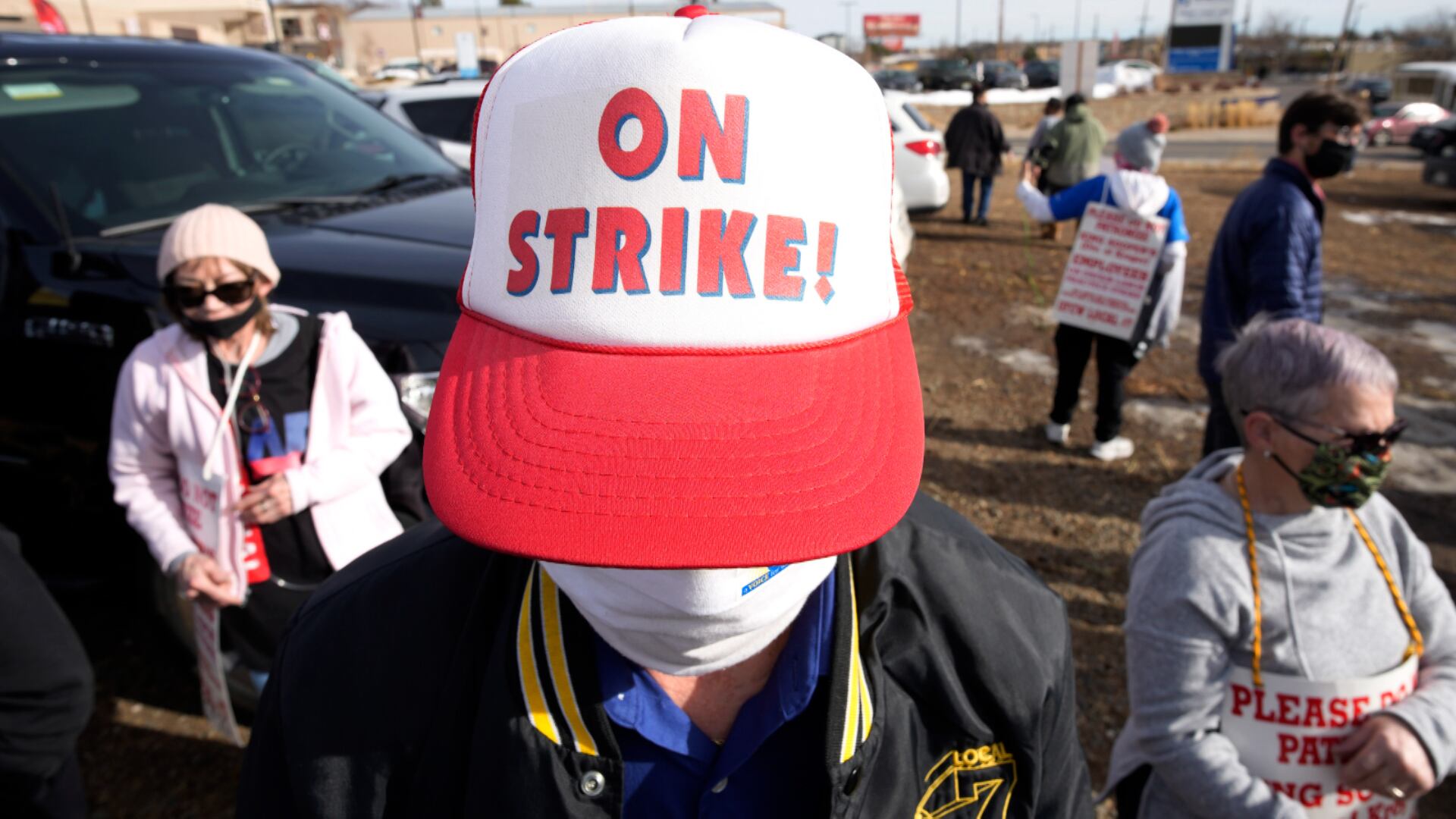
Jordan Zakarin, Media Producer at A More Perfect Union, joined Cheddar News to break down the latest from Colorado, where at least 8,700 Kroger employees walked off the job in demand of increased benefits and wages.
With the 2022 Winter Olympics in Beijing rapidly approaching, clouds of controversy continue to swirl around China's treatment of the Uyghur Muslim minority population, its surveillance state, and security for visiting athletes. Phelim Kine, China correspondent for Politico, joined Cheddar to break down the big storylines surrounding the Beijing Games and highlight what he saw as the complete disregard by top corporate sponsors like P&G, Airbnb, Intel, Visa, and Coca-Cola, for the controversies. "They spend $100 million for every Olympics that they sponsor, and they have frankly shown absolute willful indifference to any type of entreaty to essentially be more vocal about their concerns about human rights in China," he said. Kine also touched on the data privacy fears for athletes as visiting contingents are being told to carry burner phones to avoid security risks.
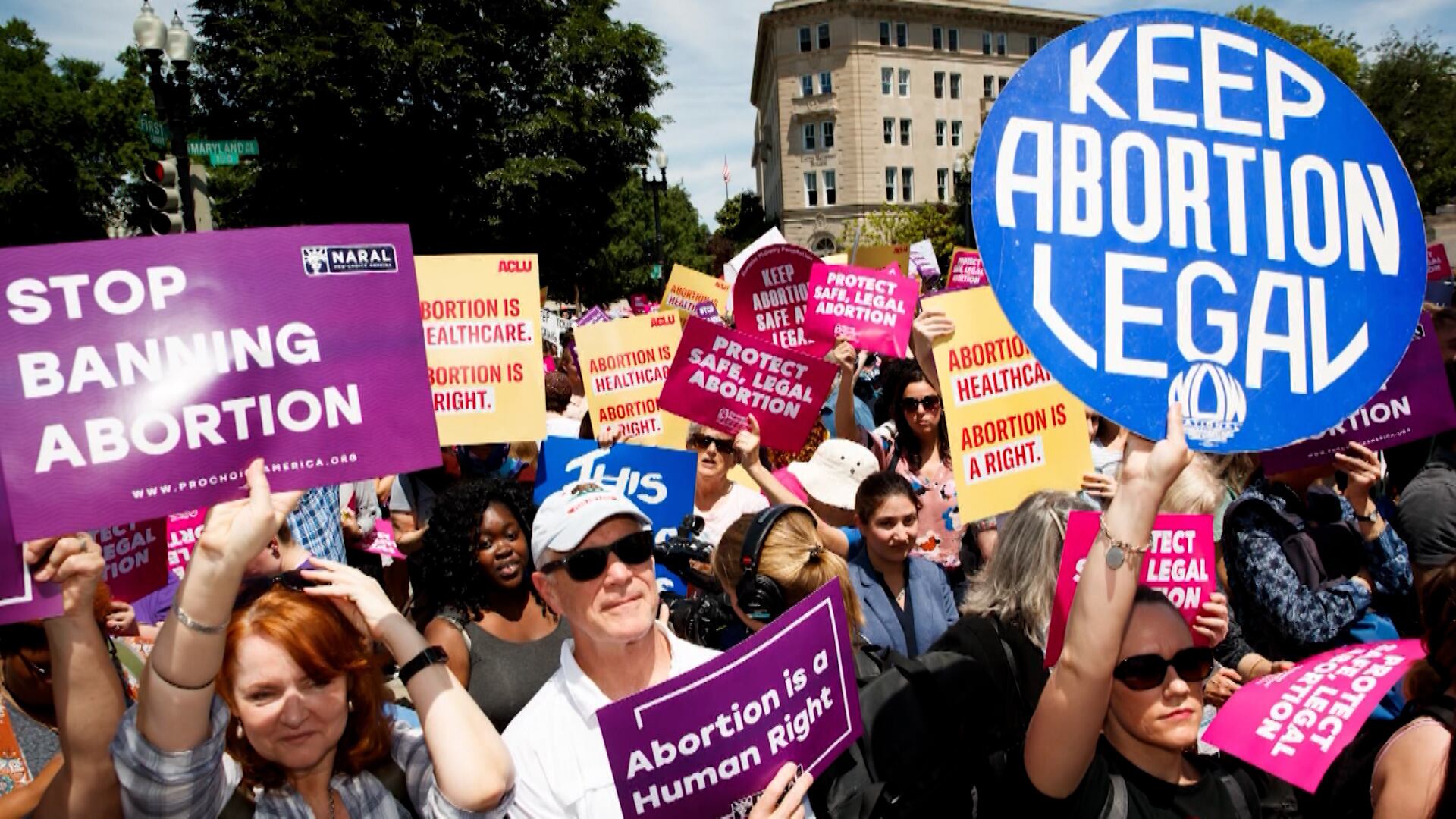
Texas's six-week abortion ban remains in effect after a federal appeals court ruling on Monday. The U.S. court of appeals for the fifth circuit temporarily transferred the case to the Texas Supreme Court, which is expected to leave the dispute in limbo for months to come. Katie Barlow, attorney and media editor of SCOTUSblog, joins Cheddar News to discuss.
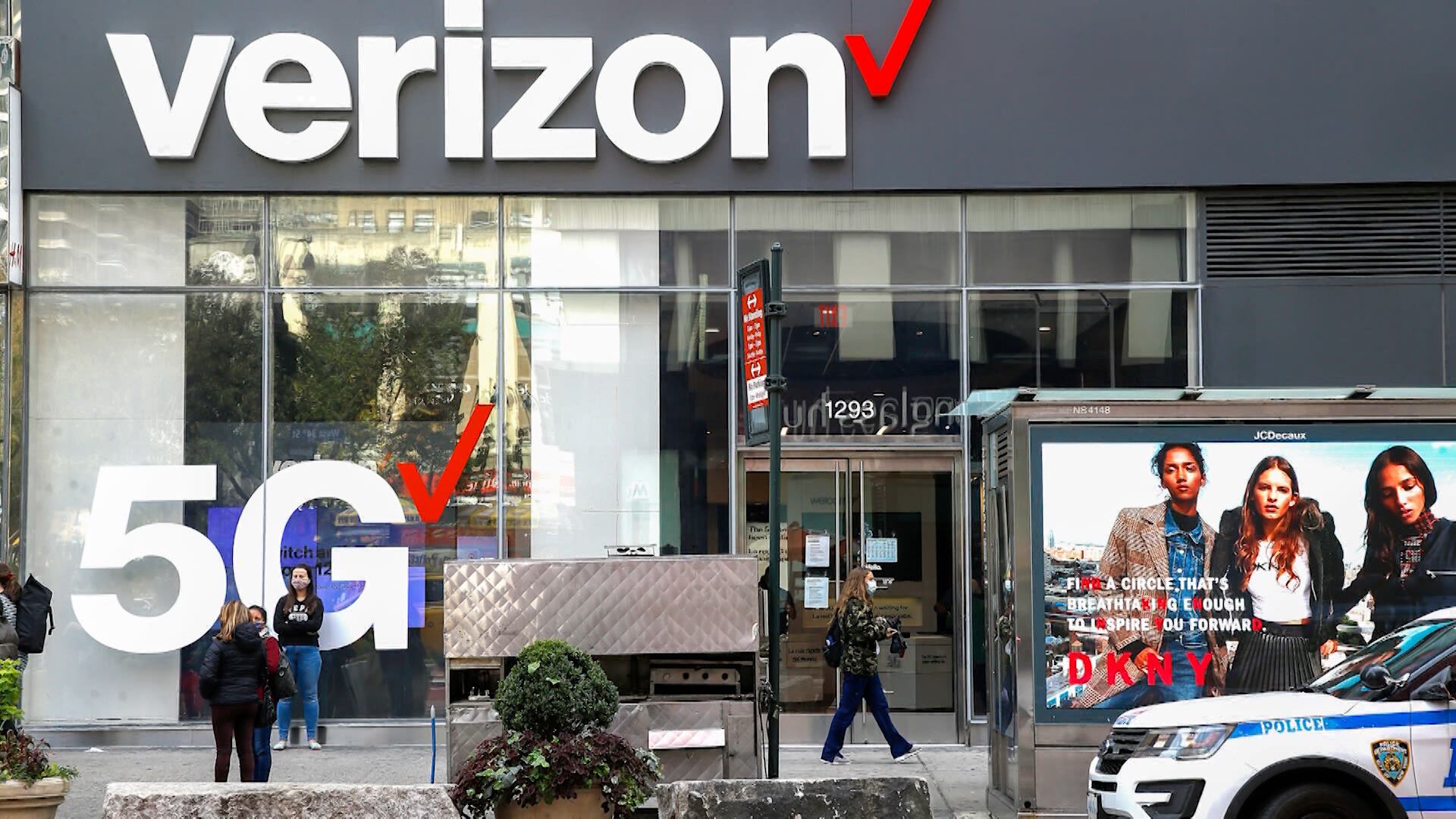
Hugh Odom, founder and president of Vertical Consultants, shared his expertise on telecommunications with Cheddar on the safety issue raised about 5G deployment by airlines. The installation was partially delayed again on Tuesday as the airlines warned of potentially catastrophic delays in a letter to the Biden administration. Later, both Verizon and AT&T relented and put a pause on some of the implementations. "The first thing the Biden administration needs to do is get everybody in the room and say, look, aviation industry, identify the problem — wireless industry, come up with a solution," said Odom.
Dave Levinthal, deputy Washington Bureau chief at Insider, joins Cheddar News to discuss Gallup's new survey that reveals more Americans leaned Republican by the end of 2021.
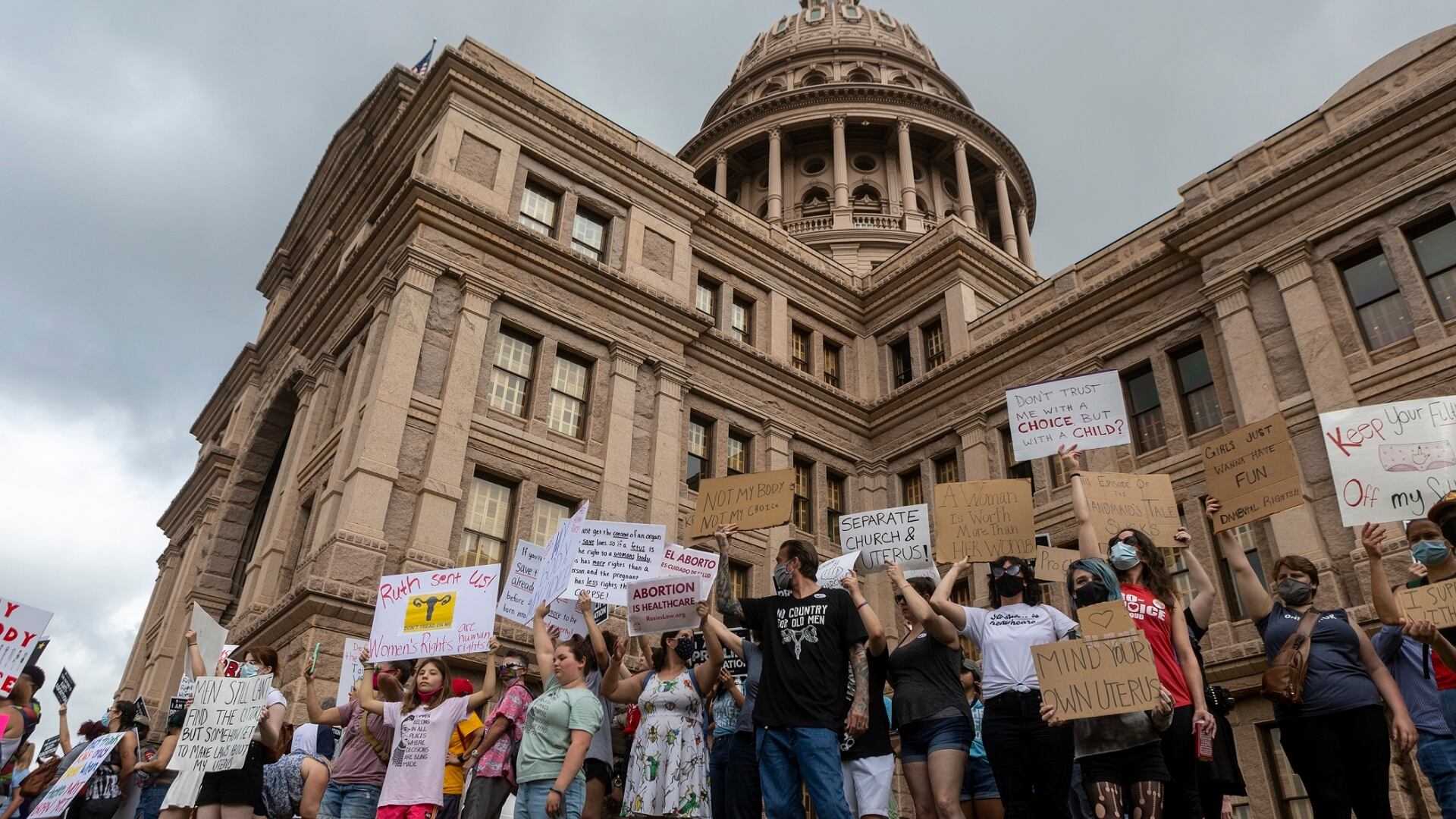
Women's March ATX rally, Saturday, Oct., 2, 2021, at the Texas State Capitol in Austin, Texas. An expected decision by the U.S. Supreme Court in the coming year to severely restrict abortion rights or overturn Roe v. Wade entirely is setting off a renewed round of abortion battles in state legislatures. (AP Photo/Stephen Spillman, File)
Inflation in the U.S. is only getting hotter. The 12-month inflation rate for December 2021 was the highest in nearly 40 years - continuing the trend seen at the close of 2021.
The Consumer Price Index increased 7% in the 12-month period ending in December, marking the fastest increase since 1982. Scott Wren, Senior Global Market Strategist at Wells Fargo Investment Institute, joined Cheddar's Movers for more.
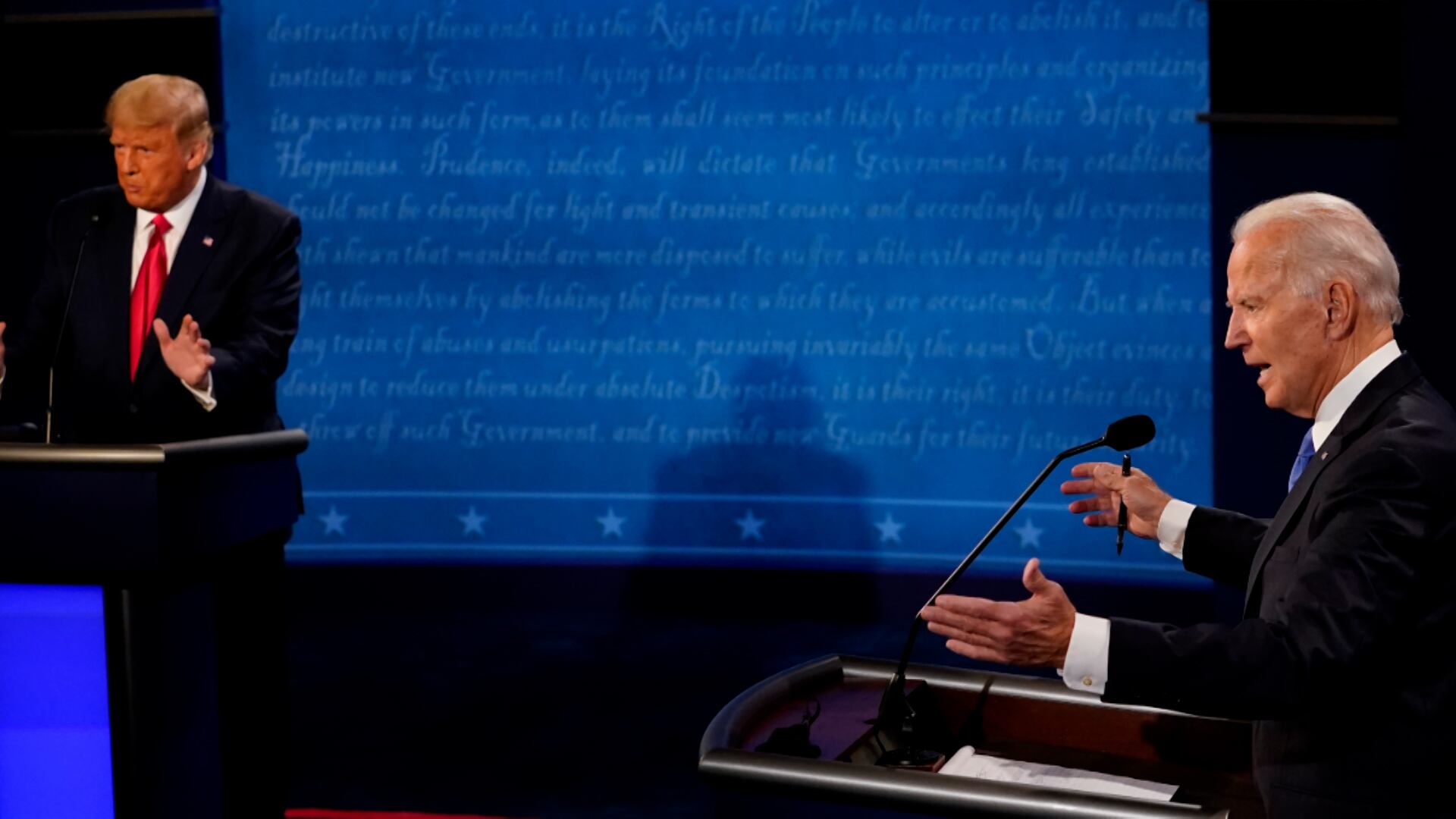
If President Biden runs for re-election in 2024, he may not have anyone to debate. The Republican National Committee sent a letter to the commission on presidential debates, saying the RNC will require candidates to pledge not to participate in those general election debates. Paris Dennard, RNC national spokesperson, joins Cheddar News to discuss.