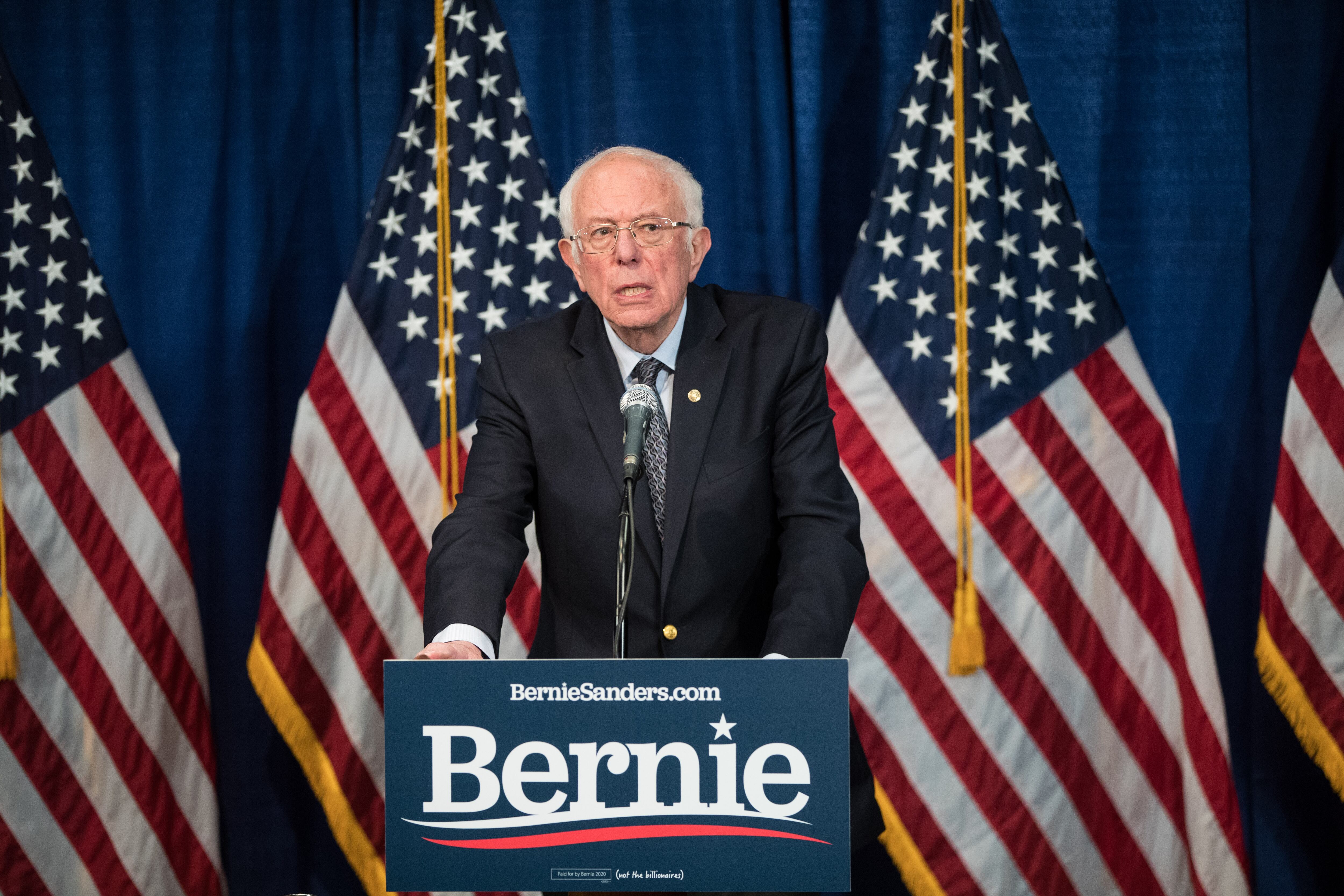
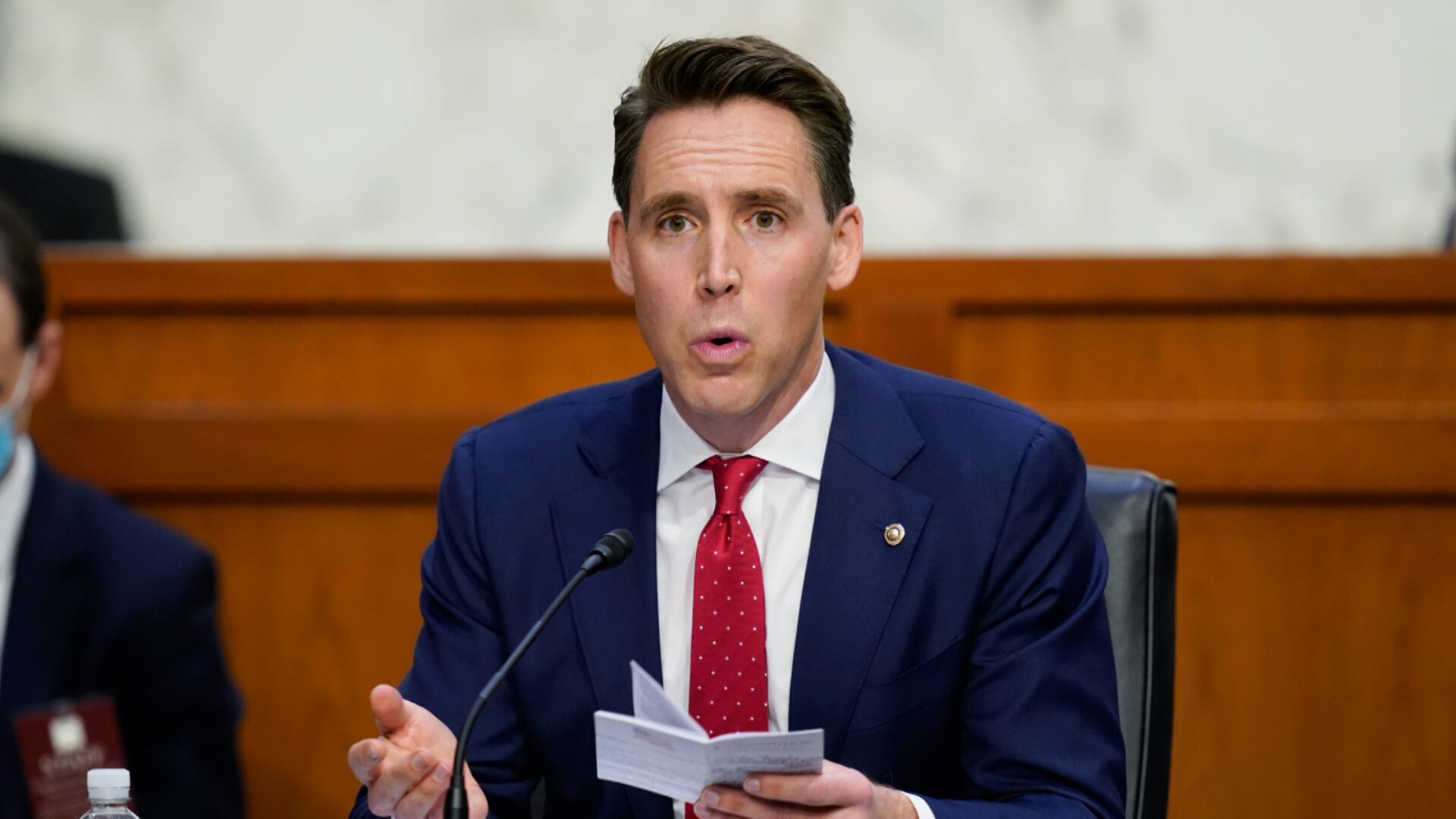
Democratic presidential candidate Sen. Bernie Sanders (I-VT) delivers a campaign update at the Hotel Vermont on March 11, 2020 in Burlington, Vermont. (Photo by Scott Eisen/Getty Images)
Vermont Senator Bernie Sanders delivered an address on the coronavirus outbreak, rounding out three perspectives from the current president and the two Democratic challengers to his presidency.
Sanders, who trails former Vice President Joe Biden in the delegate race to the nomination, used his speech to contrast with his rivals. He called for the Trump administration to declare a national emergency and appoint an "emergency bipartisan authority of experts" to determine the next steps in the crisis.
Like Biden earlier, Sanders criticized the White House response, calling the administration incompetent and point out that its "incompetence and recklessness have threatened the lives of many, many people in this country."
Sanders and Biden both mentioned the lack of intensive care units and ventilators, an issue raised by health officials but one that the administration has not touched upon. The senator called for mobilizing retired medical professionals and medical students to increase medical care. He implored the nation to protect doctors, medical professionals, and nurses with proper instructions and personal protective equipment both because their safety is important and because "if they go down, then our capacity to respond to this crisis is diminished."
"Our country is at a severe disadvantage," Sanders said, "because we do not guarantee healthcare to people as a right."
During the speech, news came in that France's Emmanuel Macron called coronavirus the worst health crisis in a century, ordered changes to businesses and education and, echoing the very words Sanders was delivering across the Atlantic Ocean, said France will massively increase hospital capacity to deal with the novel coronavirus.
Both Democratic hopefuls today pleaded for an expansion of current practices. Biden called for mobile testing centers and Sanders for an expansion of community health centers.
Sanders also listed proposals to support people from low-income neighborhoods and working-class families, including calling for providing healthcare to immigrants regardless of immigration status, emergency funding for paid medical and family leave and a moratorium on evictions, foreclosures, and utility shutoffs.
Repeatedly, health officials and, now, the Democratic hopefuls, have said a choice between a paycheck and staying home when sick will expedite the spread of a virus in need of slowing down so as not to overwhelm America's health system likely to be overwhelmed in the coming weeks.
"Here is the bottom line and that bottom line is that in the midst of this unprecedented moment, we need to listen to the scientists, to the researchers, to the medical folks — not the politicians," he said of the spread of the virus as "on the scale of major war."
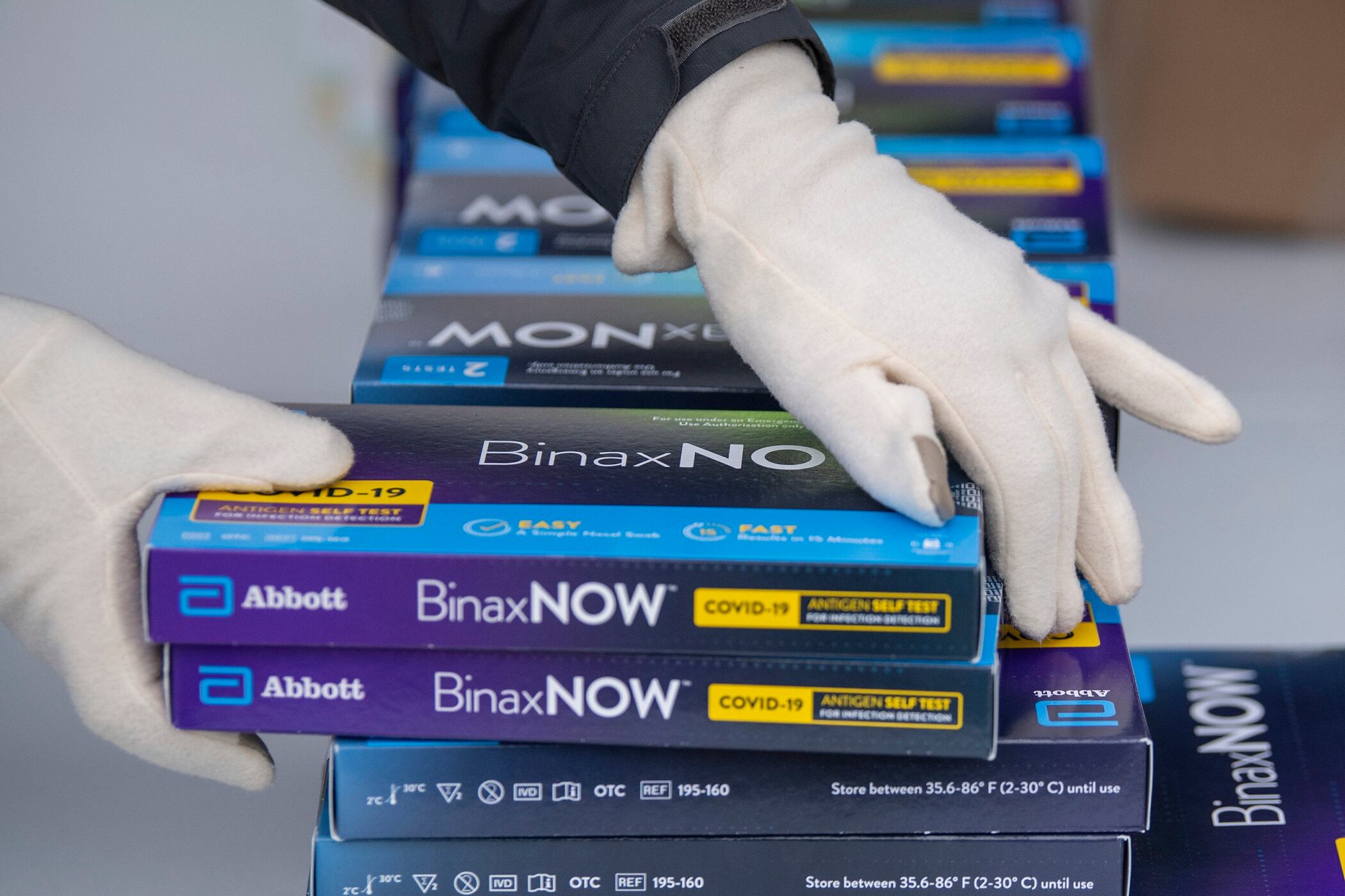
The Biden administration on Tuesday quietly launched its website for Americans to request free at-home COVID-19 tests, a day before the site was scheduled to officially launch.
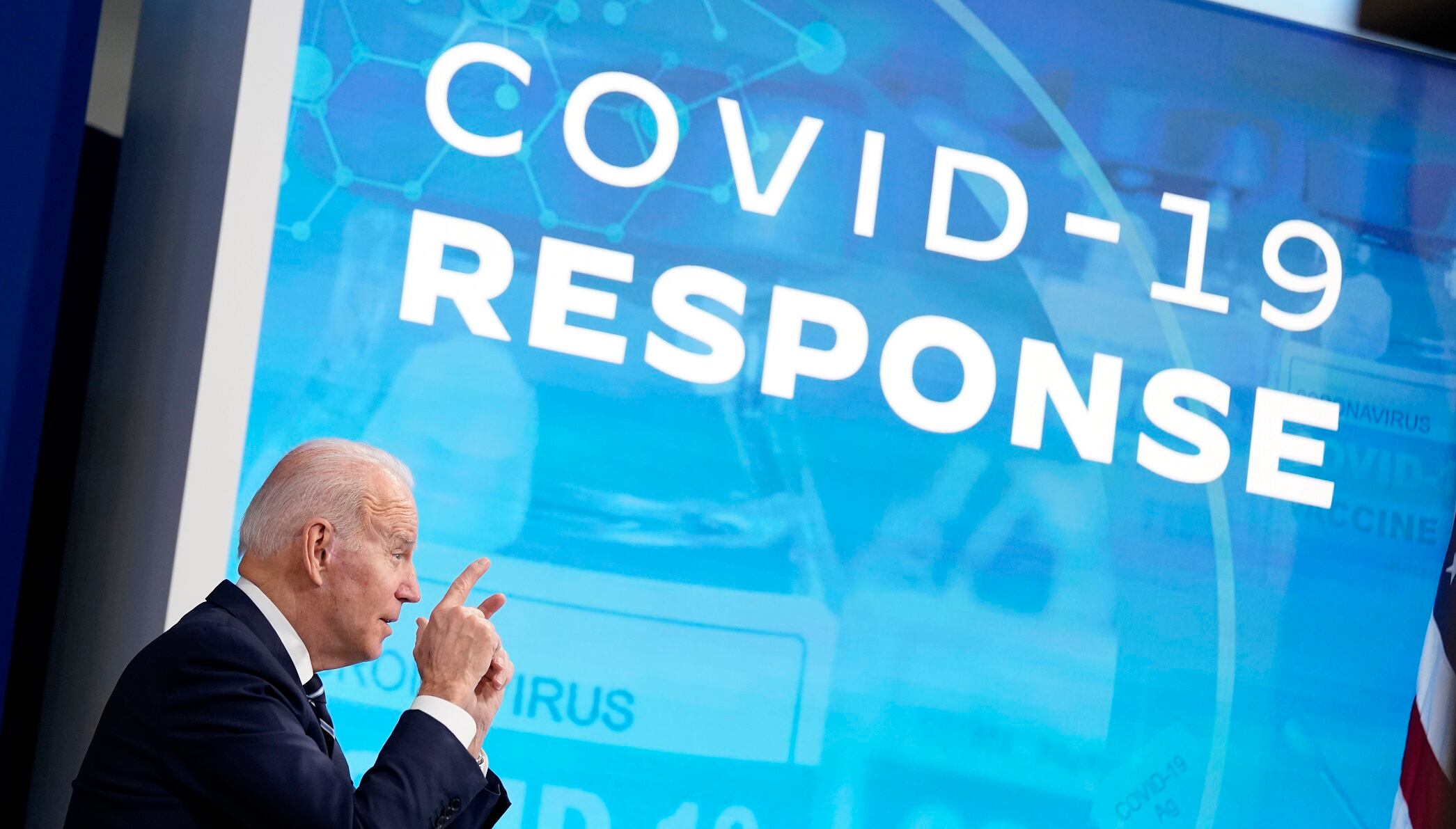
Just 27% of voters aged 18-29 approve of the job Biden is doing as president, according to a survey from The Economist and YouGov late last year. Santiago Mayer, executive director of Voters of Tomorrow, joins Cheddar Politics to discuss why President Biden is losing support among young voters.
Jesse Lehrich, co-founder of Accountable Tech, joins Cheddar News to discuss it being one year since Trump was exiled from social media and the former President's new platform 'Truth Social.'
Cliff Albright, co-founder of the group Black Voters Matter, joins Cheddar Politics to discuss why he boycotted President Biden's voting rights speech this week, and the push from Senate Democrats to debate and vote on the Freedom to Vote Act and the John Lewis Voting Rights Advancement Act.
Senator Jon Ossoff (D-Ga.) has teamed up with fellow Democratic senator and former astronaut Mark Kelly to introduce the Ban Congressional Stock Trading Act, a bill to essentially end stock trading by sitting lawmakers. From the other side of the aisle, Senator Josh Hawley (R-Mo.) introduced his own legislation to enact something similar. The dueling bills come at a time when it's popular to constrain members of Congress from owning and trading stocks. Karl Evers-Hillstrom, a business and lobbying reporter at The Hill, spoke to Cheddar about the significance of the bills, and what they could mean for lawmakers, their families, and staffers moving forward.
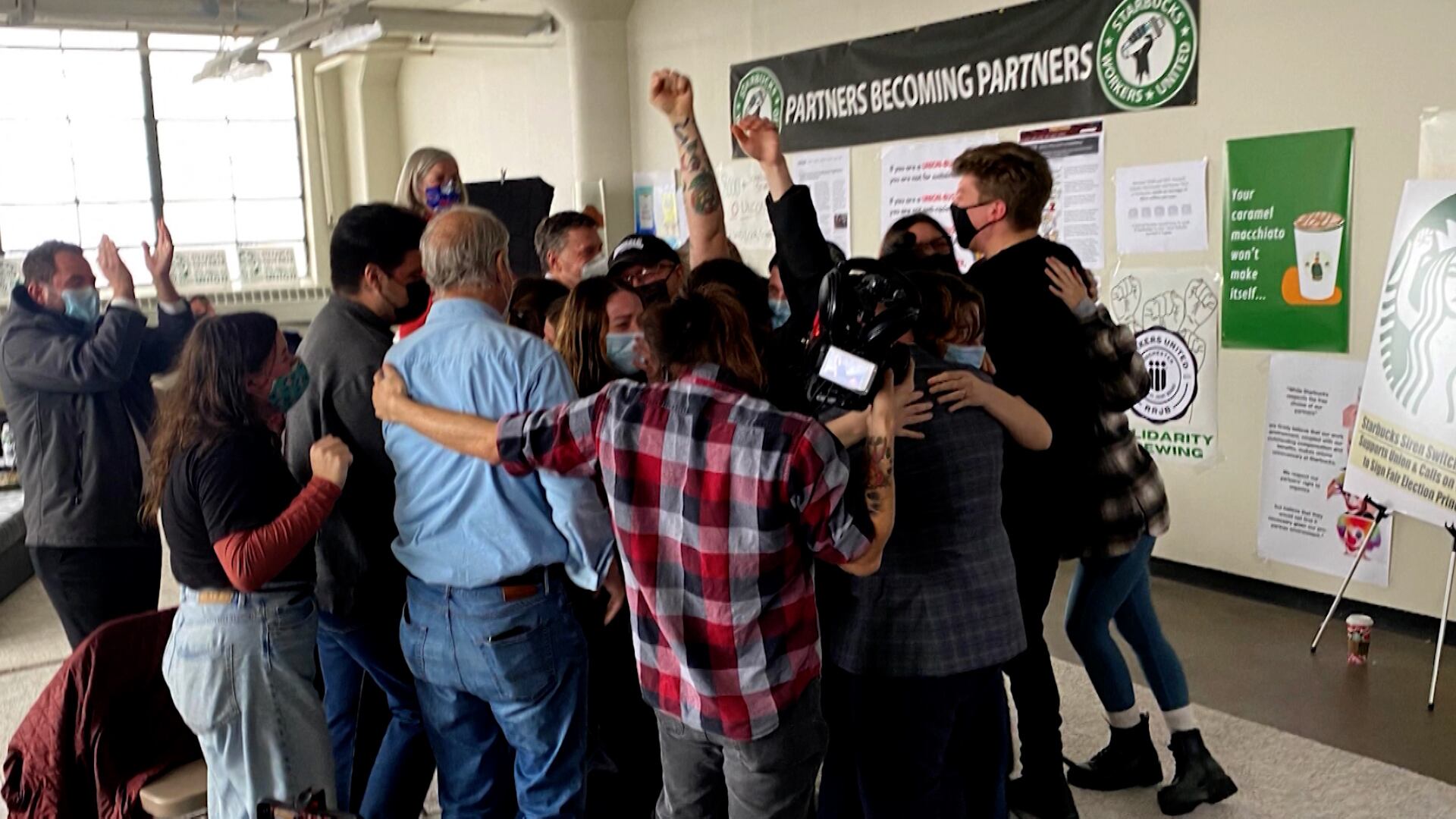
A second Starbucks location in the U.S. has officially voted to unionize. On Monday, the National Labor Relations Board announced workers at the Starbucks store located in the Buffalo, NY suburb of Cheektowaga voted 15-9 in favor of being represented by Workers United, an affiliate of the Service Employees International Union. The New York Times reports votes were tallied in December but remained inconclusive as the union challenged the ballots of several employees it said did not work at the store. A Starbucks spokesperson has said that it may appeal the labor board's decision, which comes as several other Starbucks stores across the country are also pushing to form a union. Danka Dragic, shift supervisor for the second Starbucks store in the country to unionize, joined Cheddar News' Closing Bell to discuss.
Earlier today, Minnesota Republican Representative, Tom Emmer, introduced a bill that would prevent the Federal Reserve from issuing a central bank digital currency directly to American consumers. According to the Congressman from Minnesota, requiring Americans to open a fed account to access a digital currency, would "put the Fed on insidious path akin to China's digital authoritarianism." Rep. Tom Emmer joined Cheddar's None of The Above to discuss more.
Sixteen of the country's most prestigious universities have been hit with a lawsuit claiming those schools illegally conspired to eliminate competitive financial aid offers for students. Just some of the schools mentioned include Yale, Brown, Columbia, UPenn, and Cornell. Author of "Who Gets In and Why" and Professor of practice at Arizona State University, Jeff Selingo, joined Cheddar to discuss more.