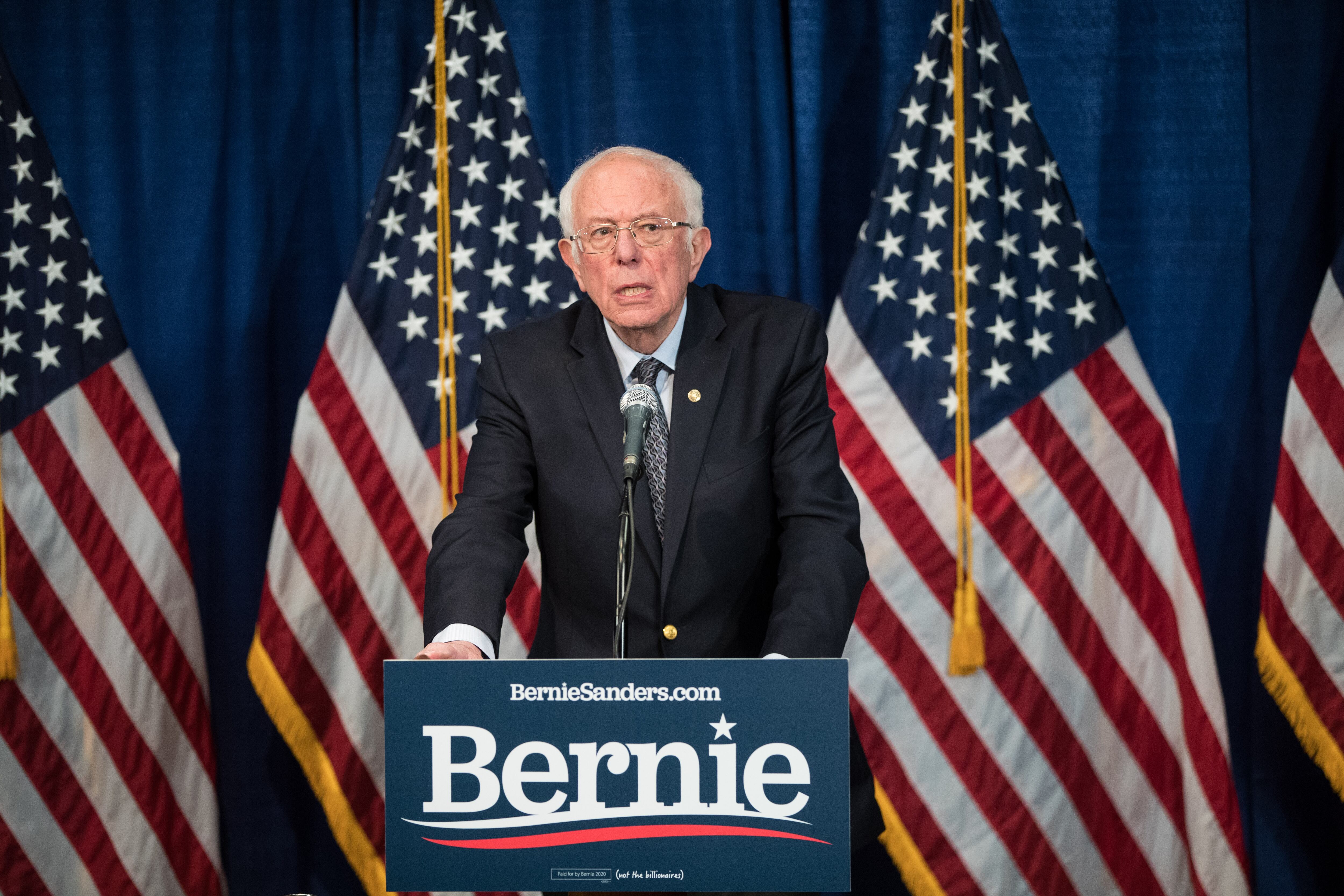
Democratic presidential candidate Sen. Bernie Sanders (I-VT) delivers a campaign update at the Hotel Vermont on March 11, 2020 in Burlington, Vermont. (Photo by Scott Eisen/Getty Images)
Vermont Senator Bernie Sanders delivered an address on the coronavirus outbreak, rounding out three perspectives from the current president and the two Democratic challengers to his presidency.
Sanders, who trails former Vice President Joe Biden in the delegate race to the nomination, used his speech to contrast with his rivals. He called for the Trump administration to declare a national emergency and appoint an "emergency bipartisan authority of experts" to determine the next steps in the crisis.
Like Biden earlier, Sanders criticized the White House response, calling the administration incompetent and point out that its "incompetence and recklessness have threatened the lives of many, many people in this country."
Sanders and Biden both mentioned the lack of intensive care units and ventilators, an issue raised by health officials but one that the administration has not touched upon. The senator called for mobilizing retired medical professionals and medical students to increase medical care. He implored the nation to protect doctors, medical professionals, and nurses with proper instructions and personal protective equipment both because their safety is important and because "if they go down, then our capacity to respond to this crisis is diminished."
"Our country is at a severe disadvantage," Sanders said, "because we do not guarantee healthcare to people as a right."
During the speech, news came in that France's Emmanuel Macron called coronavirus the worst health crisis in a century, ordered changes to businesses and education and, echoing the very words Sanders was delivering across the Atlantic Ocean, said France will massively increase hospital capacity to deal with the novel coronavirus.
Both Democratic hopefuls today pleaded for an expansion of current practices. Biden called for mobile testing centers and Sanders for an expansion of community health centers.
Sanders also listed proposals to support people from low-income neighborhoods and working-class families, including calling for providing healthcare to immigrants regardless of immigration status, emergency funding for paid medical and family leave and a moratorium on evictions, foreclosures, and utility shutoffs.
Repeatedly, health officials and, now, the Democratic hopefuls, have said a choice between a paycheck and staying home when sick will expedite the spread of a virus in need of slowing down so as not to overwhelm America's health system likely to be overwhelmed in the coming weeks.
"Here is the bottom line and that bottom line is that in the midst of this unprecedented moment, we need to listen to the scientists, to the researchers, to the medical folks — not the politicians," he said of the spread of the virus as "on the scale of major war."
Stock trading app Robinhood already has been offering cryptocurrency investments but seems further excited about the asset class following President Biden's recent announcement of an executive order. Dan Gallagher, the chief legal and corporate affairs officer for Robinhood, joined Cheddar News to talk about the White House's tentative vision for digital currency. "I think this executive order firmly states that, yes, crypto is here to stay, which it talks about the important competitive issues around crypto and how the United States needs to be a leader, a global leader, in innovation and technology regarding crypto," he said. Gallagher also discussed having clarity around meme stocks going forward but worried about overregulation slowing down innovation.
As Russia’s attack on Ukraine, the latest inflation report showed the consumer price index rose 7.9 percent — a 40-year high. Heather Boushey, a member of the White House Council of Economic Advisers, joined Cheddar News to discuss what American consumers might be in store for as prices keep rising. "Forecasters at this point believe that the American economy will be resilient," she said. "They’re still predicting that the unemployment rate will continue to be lower at the end of the year than it is today, and we are still seeing folks believe that over time prices will come back down." Boushey did note that it would be dependent on how long the current situation lasts.
Simon Shuster, TIME's Moscow correspondent joins Cheddar to discuss how Ukraine could become part of the EU and what it would mean for politics in Europe.
President Biden has banned imports of Russian oil to the U.S. in retaliation for its invasion of Ukraine. The president warned of higher prices at the gas pump, leading some analysts to think it could propel the transition to clean, renewable energy. Michael Jones, chairman and CEO of investment solutions company Caravel Concepts, discussed how the ban is hitting green energy stocks as gas prices continue to surge. "I think the 10-year prospects for renewables just got a whole lot better because ultimately this is going to force a transition into renewables," he said.
Amid ongoing tensions in the Russia-Ukraine region, many American travelers are nervous about traveling to Europe.
It comes at a time when international travel was set to make a comeback, but uncertainty surrounding the conflict may delay the overall recovery. Francesca Page, Travel Expert, joined Cheddar's Opening Bell to discuss.
Russia's invasion of Ukraine is coming for the global food supply. Ongoing tensions in the region are threatening the supply of various agricultural products including wheat, barley and corn. Vladik Rikhter, CEO & Cofounder of Zenput joined Cheddar's Opening Bell to discuss how this could impact food prices overseas.
Chris Natividad, CIO of EquBot, joins Cheddar News' Closing Bell, where he elaborates on what ultimately dragged the Dow, S&P, and Nasdaq lower on Tuesday and discusses how investors are reacting to rising oil prices and February CPI data coming out later this week.
Adam Johnson, Portfolio Manager at Adviser Investments, joins Cheddar News' Closing Bell, where he explains why he believes we saw markets jump during Wednesday's session, and adds that investors have already priced in 'every possible kind of bad news we could have.'
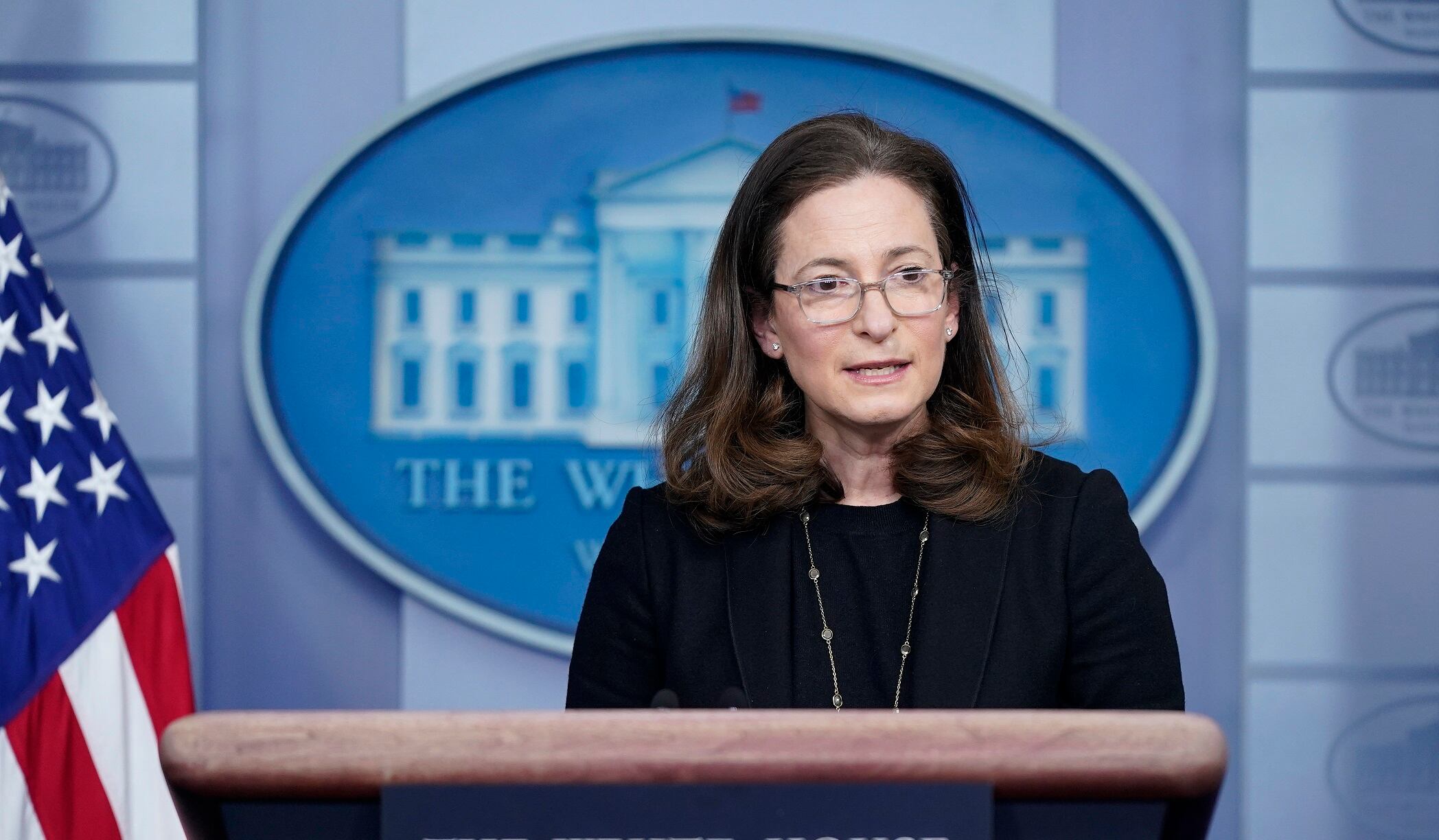
Jennifer Klein, the White House Gender Policy Council's co-chair and executive director, spoke to Cheddar News about the economic impact of the pandemic showing the need for a group like the Gender Policy Council, and the need to address issues that have affected women the most,