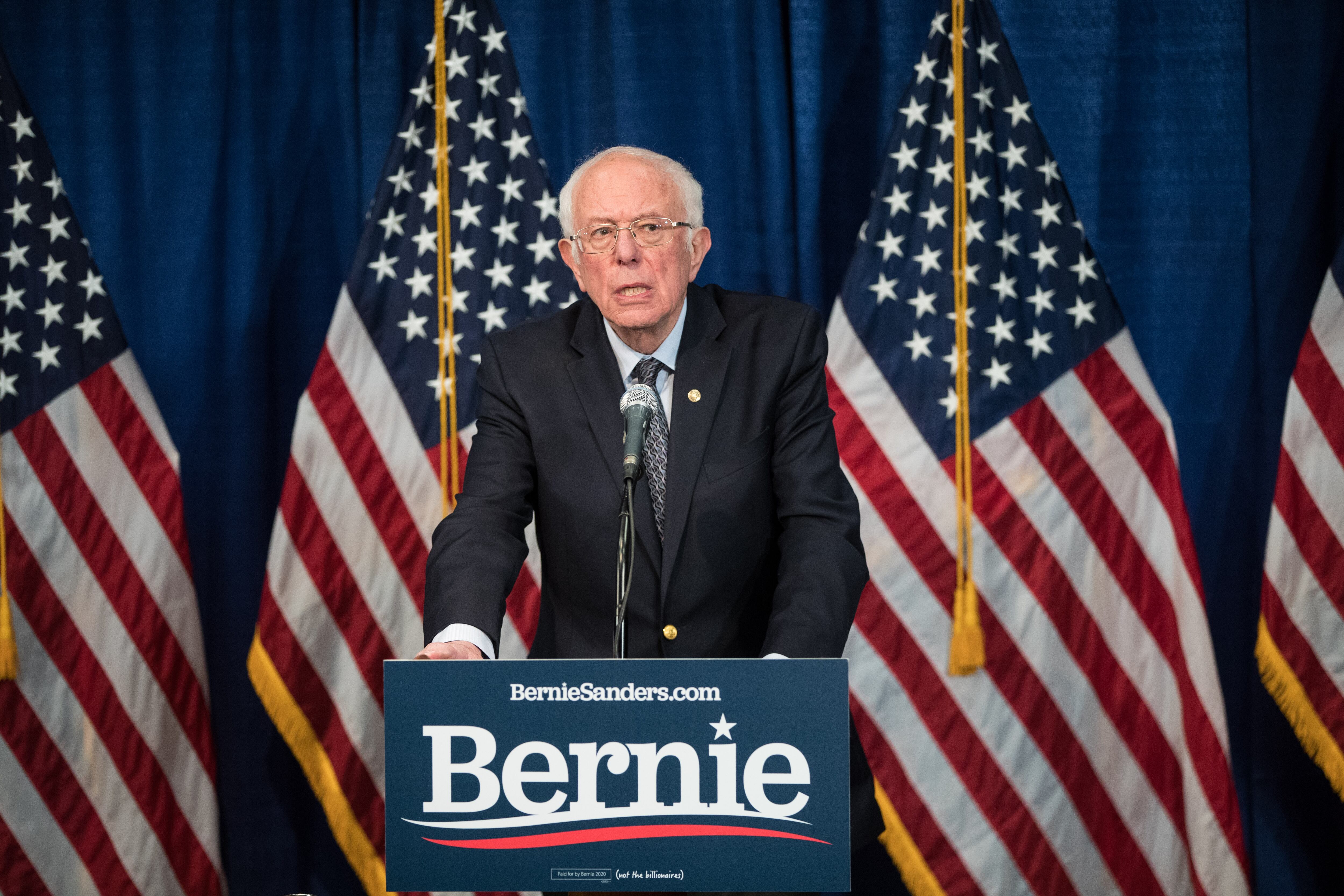
Democratic presidential candidate Sen. Bernie Sanders (I-VT) delivers a campaign update at the Hotel Vermont on March 11, 2020 in Burlington, Vermont. (Photo by Scott Eisen/Getty Images)
Vermont Senator Bernie Sanders delivered an address on the coronavirus outbreak, rounding out three perspectives from the current president and the two Democratic challengers to his presidency.
Sanders, who trails former Vice President Joe Biden in the delegate race to the nomination, used his speech to contrast with his rivals. He called for the Trump administration to declare a national emergency and appoint an "emergency bipartisan authority of experts" to determine the next steps in the crisis.
Like Biden earlier, Sanders criticized the White House response, calling the administration incompetent and point out that its "incompetence and recklessness have threatened the lives of many, many people in this country."
Sanders and Biden both mentioned the lack of intensive care units and ventilators, an issue raised by health officials but one that the administration has not touched upon. The senator called for mobilizing retired medical professionals and medical students to increase medical care. He implored the nation to protect doctors, medical professionals, and nurses with proper instructions and personal protective equipment both because their safety is important and because "if they go down, then our capacity to respond to this crisis is diminished."
"Our country is at a severe disadvantage," Sanders said, "because we do not guarantee healthcare to people as a right."
During the speech, news came in that France's Emmanuel Macron called coronavirus the worst health crisis in a century, ordered changes to businesses and education and, echoing the very words Sanders was delivering across the Atlantic Ocean, said France will massively increase hospital capacity to deal with the novel coronavirus.
Both Democratic hopefuls today pleaded for an expansion of current practices. Biden called for mobile testing centers and Sanders for an expansion of community health centers.
Sanders also listed proposals to support people from low-income neighborhoods and working-class families, including calling for providing healthcare to immigrants regardless of immigration status, emergency funding for paid medical and family leave and a moratorium on evictions, foreclosures, and utility shutoffs.
Repeatedly, health officials and, now, the Democratic hopefuls, have said a choice between a paycheck and staying home when sick will expedite the spread of a virus in need of slowing down so as not to overwhelm America's health system likely to be overwhelmed in the coming weeks.
"Here is the bottom line and that bottom line is that in the midst of this unprecedented moment, we need to listen to the scientists, to the researchers, to the medical folks — not the politicians," he said of the spread of the virus as "on the scale of major war."
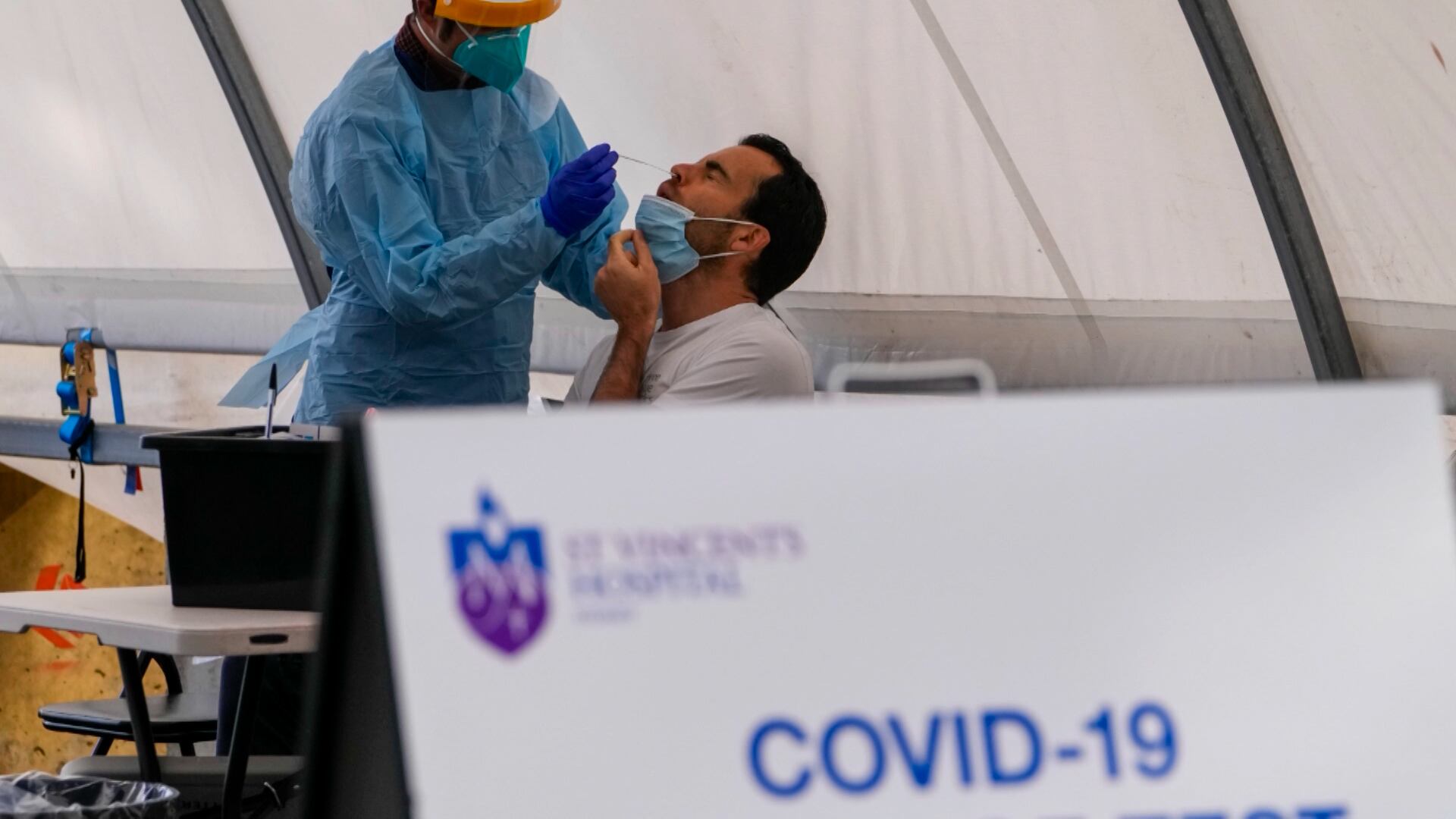
Pfizer has asked the FDA to expand authorization of COVID booster shots for all adults. The agency is expected to grant the request in the coming weeks, allowing vaccinated Americans as young as 18 to get boosted before the holidays. Dr. Bayo Curry-Winchell, Regional Clinical Director at Carbon Health, joined Cheddar to discuss.
The Justice Department has filed a lawsuit to block Penguin Random House from acquiring its rival Simon & Schuster. The DOJ hopes this will block the merger, which it says would ultimately hurt authors and consumers nationwide. Barry C. Lynn, executive director of the Open Markets Institute, joined Cheddar to explain what the lawsuit signals about the Biden administration's approach to cracking down on antitrust, and why Amazon might be next.
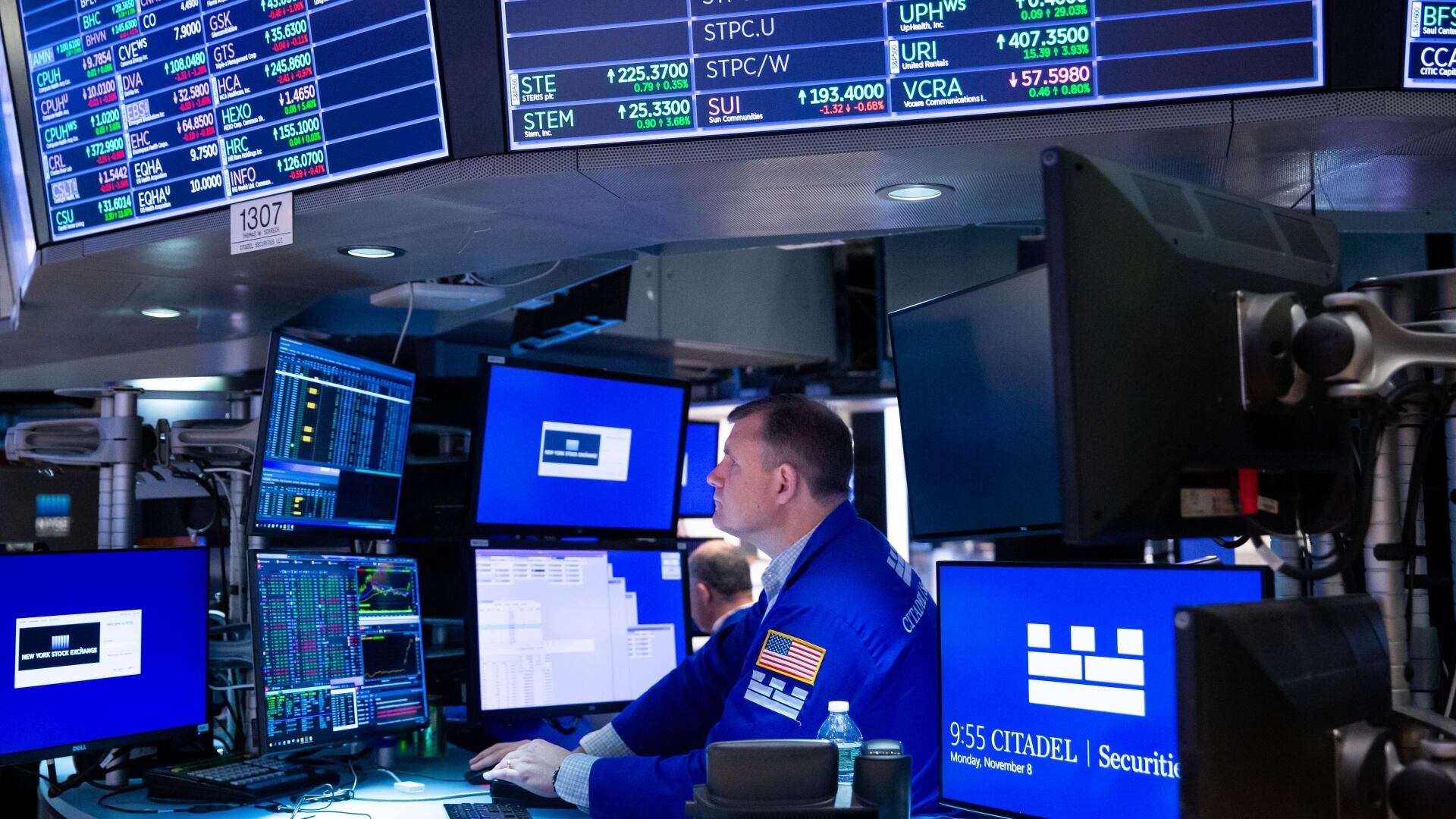
The major markets took a breather Tuesday, with the Dow, S&P, Nasdaq, and Russell 2000 all finishing lower after notching record closes on Monday. Rhys Williams, Chief Strategist at Spouting Rock Asset Management, joins Cheddar News' Closing Bell, where he provides his biggest takeaways from the day's activity.
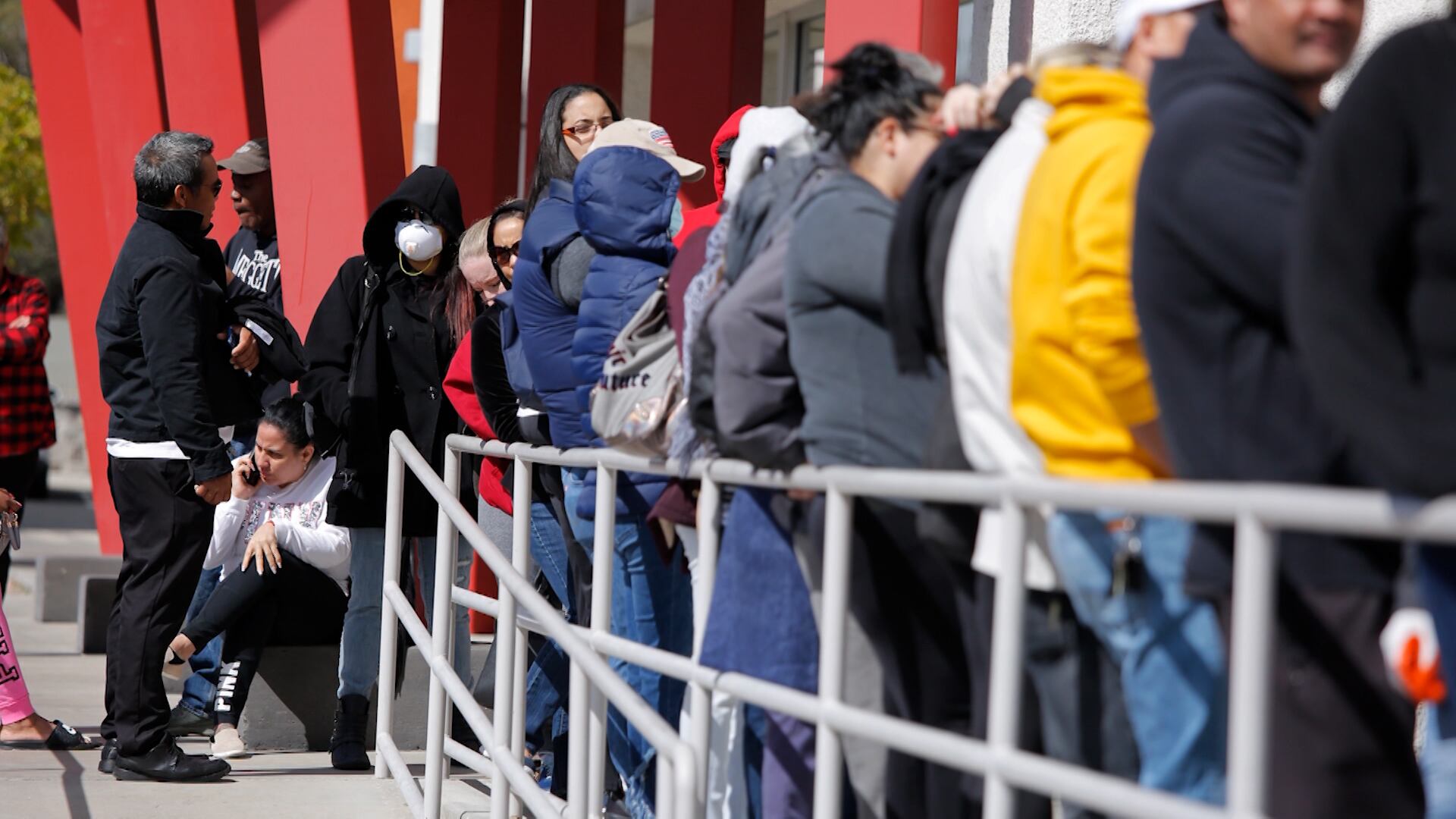
The U.S. economy added 531,000 jobs in the month of October, painting a better picture of the economy that analysts had expected. Jared Bernstein, Council of Economic Advisers Member for President Biden joined Cheddar's Opening Bell to discuss.
Election Day 2021 is in the books, and it wasn't a pretty picture for Democrats. Governor Phil Murphy narrowly won re-election in New Jersey and Republican Glenn Youngkin upset Democrat Terry McAuliffe in Virginia, with many other disappointing losses for the left. Meridith McGraw, national correspondent for Politico, breaks down the key takeaways from this year as the nation looks ahead to the 2022 midterms.
Markets opened higher to kick off the week as investors continue to digest the better-than-expected jobs report, which showed 531,000 new jobs created in October. Ken Johnson, CFA, Investment Strategy Analyst joined Cheddar's Opening Bell to break down his early market insights.
Almost 2 years into the pandemic, supply chain woes continue to wreak havoc on our everyday lives.
From groceries to chip shortages, both consumers and retailers are feeling the strain with prices only climbing as a result. Data intelligence company Morning Consult is out with its U.S. Economic Outlook for November revealing just how much of a threat these hold-ups could pose to the greater economic recovery. John Leer, Chief Economist at Morning Consult joined Cheddar's Opening Bell.
After many years and at least two presidents hoping to overhaul America's infrastructure, congress finally came to an agreement. The House passed the bipartisan infrastructure bill late Friday, receiving thirteen republican votes but failing to earn votes from the six progressive squad members. Joseph Zeballos-Roig, Economics Reporter at Insider joined Cheddar's Opening Bell to discuss the economic impact of the bill.