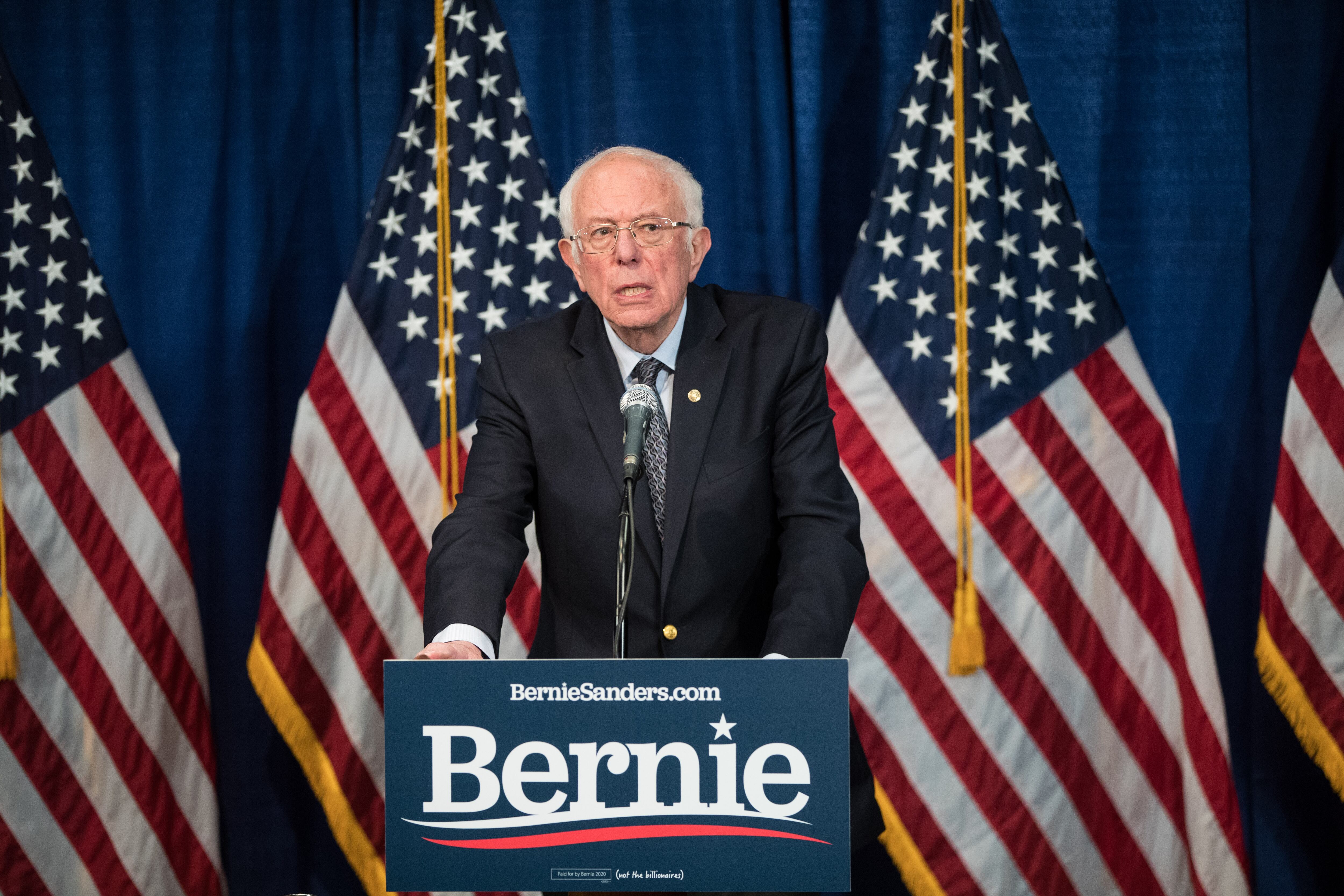
Democratic presidential candidate Sen. Bernie Sanders (I-VT) delivers a campaign update at the Hotel Vermont on March 11, 2020 in Burlington, Vermont. (Photo by Scott Eisen/Getty Images)
Vermont Senator Bernie Sanders delivered an address on the coronavirus outbreak, rounding out three perspectives from the current president and the two Democratic challengers to his presidency.
Sanders, who trails former Vice President Joe Biden in the delegate race to the nomination, used his speech to contrast with his rivals. He called for the Trump administration to declare a national emergency and appoint an "emergency bipartisan authority of experts" to determine the next steps in the crisis.
Like Biden earlier, Sanders criticized the White House response, calling the administration incompetent and point out that its "incompetence and recklessness have threatened the lives of many, many people in this country."
Sanders and Biden both mentioned the lack of intensive care units and ventilators, an issue raised by health officials but one that the administration has not touched upon. The senator called for mobilizing retired medical professionals and medical students to increase medical care. He implored the nation to protect doctors, medical professionals, and nurses with proper instructions and personal protective equipment both because their safety is important and because "if they go down, then our capacity to respond to this crisis is diminished."
"Our country is at a severe disadvantage," Sanders said, "because we do not guarantee healthcare to people as a right."
During the speech, news came in that France's Emmanuel Macron called coronavirus the worst health crisis in a century, ordered changes to businesses and education and, echoing the very words Sanders was delivering across the Atlantic Ocean, said France will massively increase hospital capacity to deal with the novel coronavirus.
Both Democratic hopefuls today pleaded for an expansion of current practices. Biden called for mobile testing centers and Sanders for an expansion of community health centers.
Sanders also listed proposals to support people from low-income neighborhoods and working-class families, including calling for providing healthcare to immigrants regardless of immigration status, emergency funding for paid medical and family leave and a moratorium on evictions, foreclosures, and utility shutoffs.
Repeatedly, health officials and, now, the Democratic hopefuls, have said a choice between a paycheck and staying home when sick will expedite the spread of a virus in need of slowing down so as not to overwhelm America's health system likely to be overwhelmed in the coming weeks.
"Here is the bottom line and that bottom line is that in the midst of this unprecedented moment, we need to listen to the scientists, to the researchers, to the medical folks — not the politicians," he said of the spread of the virus as "on the scale of major war."
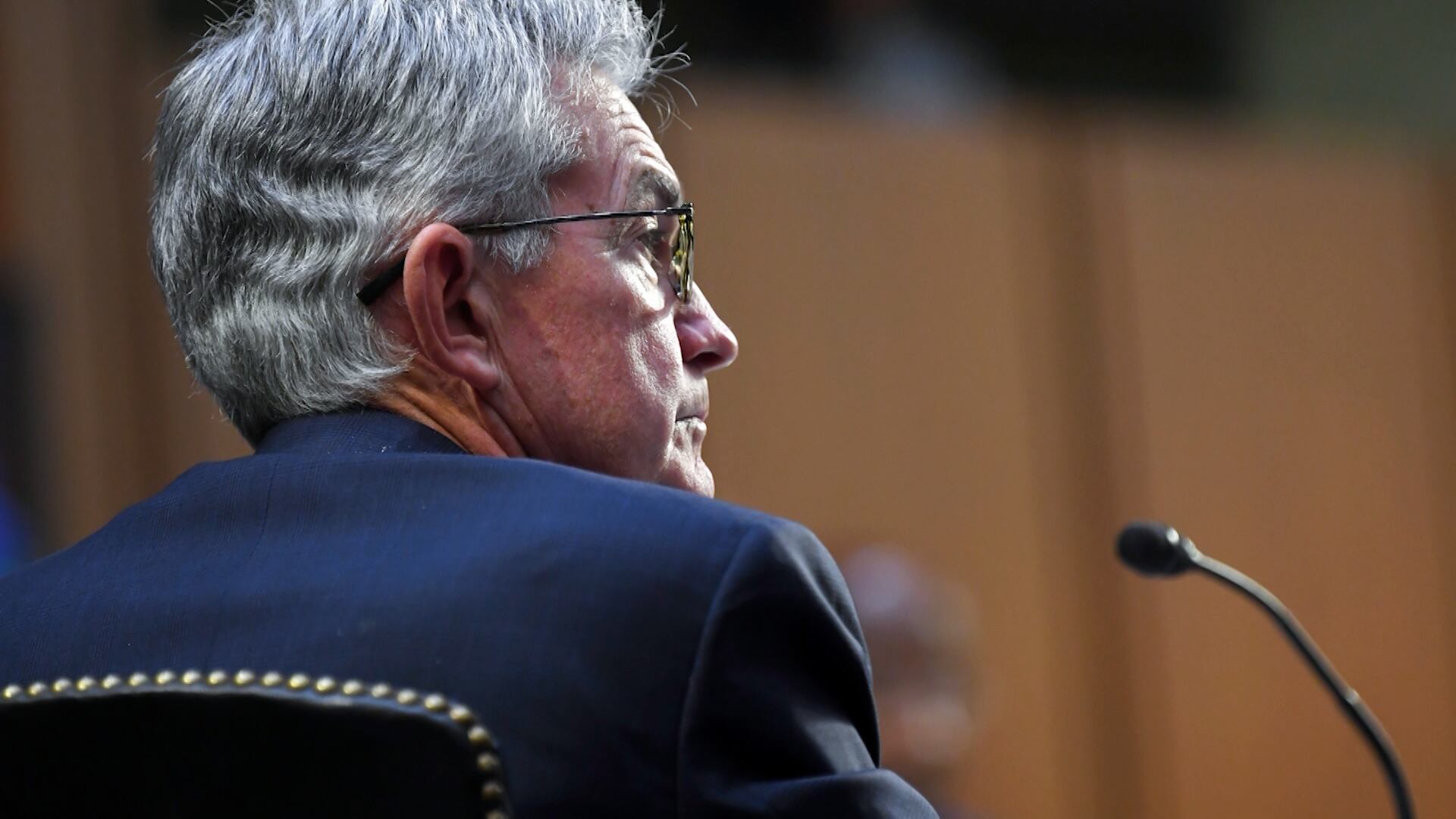
President Joe Biden named Jerome Powell, initially appointed by President Trump, to keep his seat as the chair of the Federal Reserve on Monday amid the ongoing challenges of the pandemic, inflation, and unemployment. David Beckworth, a former international economist for the Treasury Department and a senior fellow with the Mercatus Center, joined Cheddar to discuss what he sees as the practicality of Biden's decision. "What Powell brings to the table is he's built up political capital with Republicans and Democrats," he said. "It's easy for him to get the job done. I think in one way he was the path of least resistance for the president."
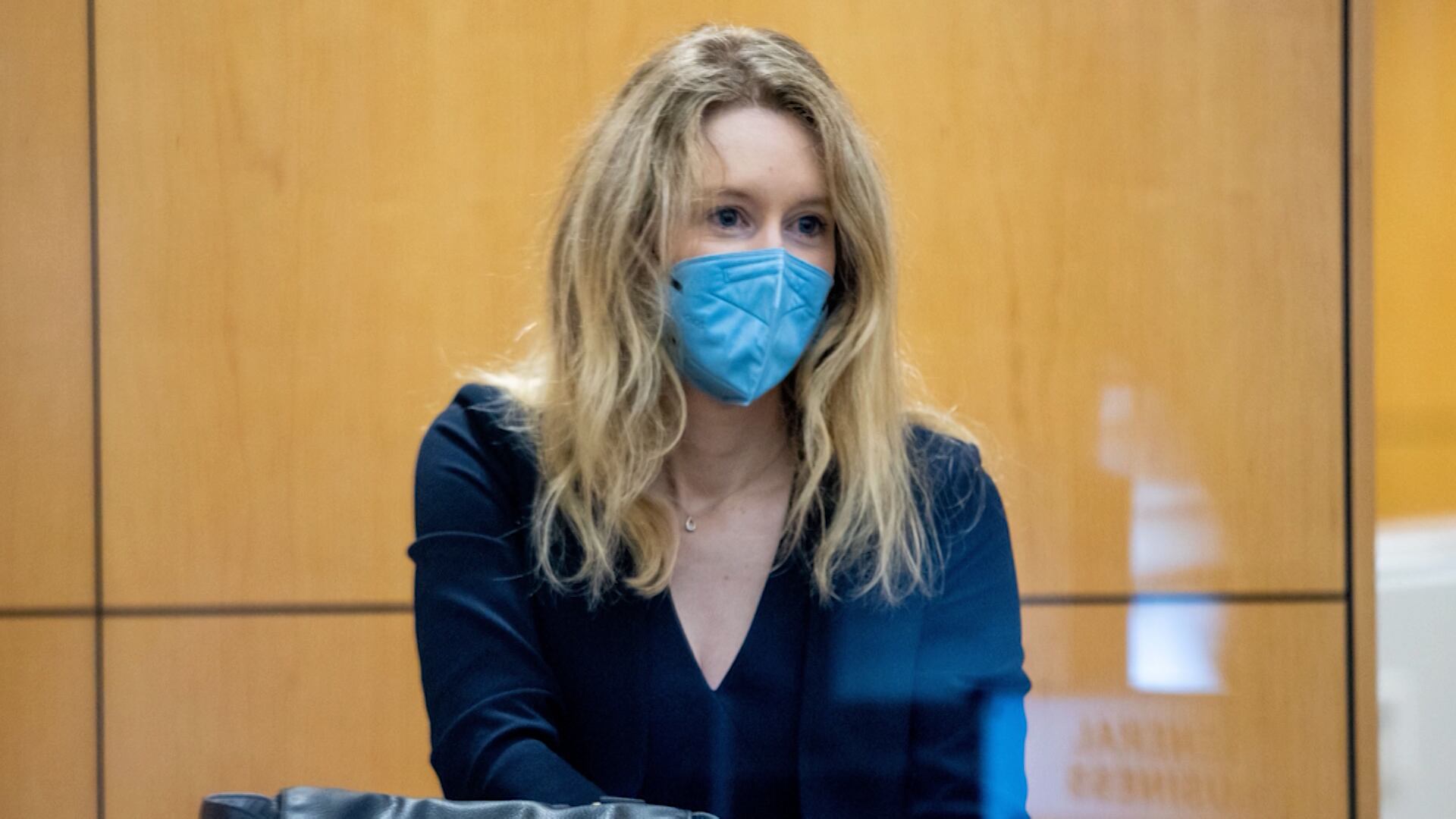
In a surprise turn of events, Elizabeth Holmes took the stand in her own defense on Friday and is expected to continue her testimony later today. Holmes, who founded a blood testing start-up Theranos back in 2003, faces 11 counts of wire fraud as well as conspiracy to commit wire fraud. Aron Solomon, Chief Legal Analyst, Esquire Digital joined Cheddar's Opening Bell to discuss.
Jill and Carlo cover the developing story out of suburban Milwaukee, where a speeding SUV careened through a Christmas parade. Looters get more brazen in San Francisco, the missing Chinese tennis star resurfaces, and more.
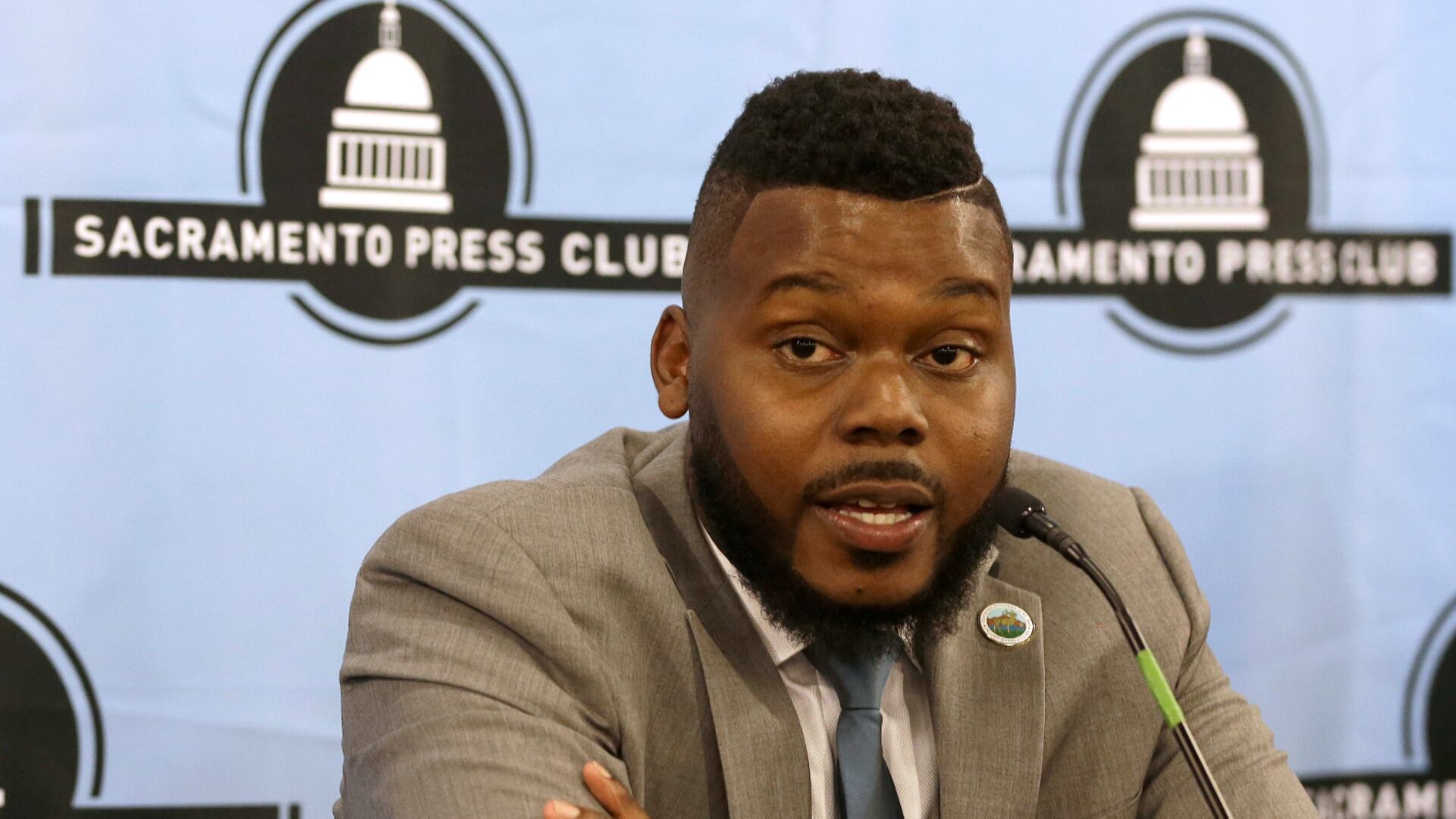
Michael Tubbs, former Mayor of Stockton, California and author of 'The Deeper the Roots,' joined Cheddar Movers to talk all about his new memoir, and his ongoing fight to make meaningful change in his community.
The House narrowly passed President Biden's $1.7 trillion Build Back Better bill, the largest expansion of the social safety net in decades. The final vote was 220 to 213, with only one Democrat joining all Republicans in opposing the bill. It now heads to the Senate, where it faces an uncertain fate. Jennifer Haberkorn, congressional reporter for the Los Angeles Times, joins Cheddar News' Closing Bell, where she breaks down the current version of the bill, where it goes next, and what it could mean for the country if it eventually reaches the president's desk.
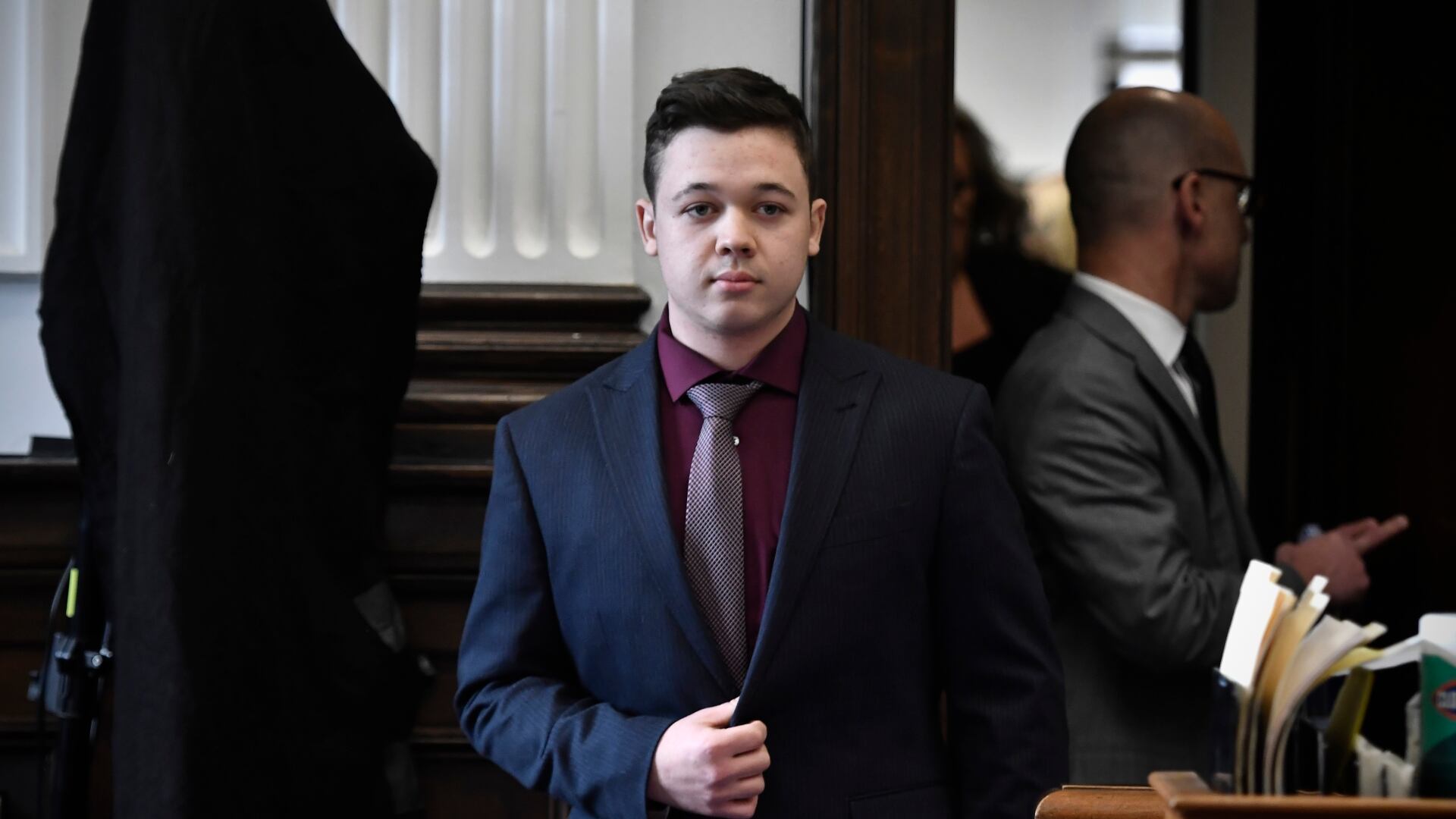
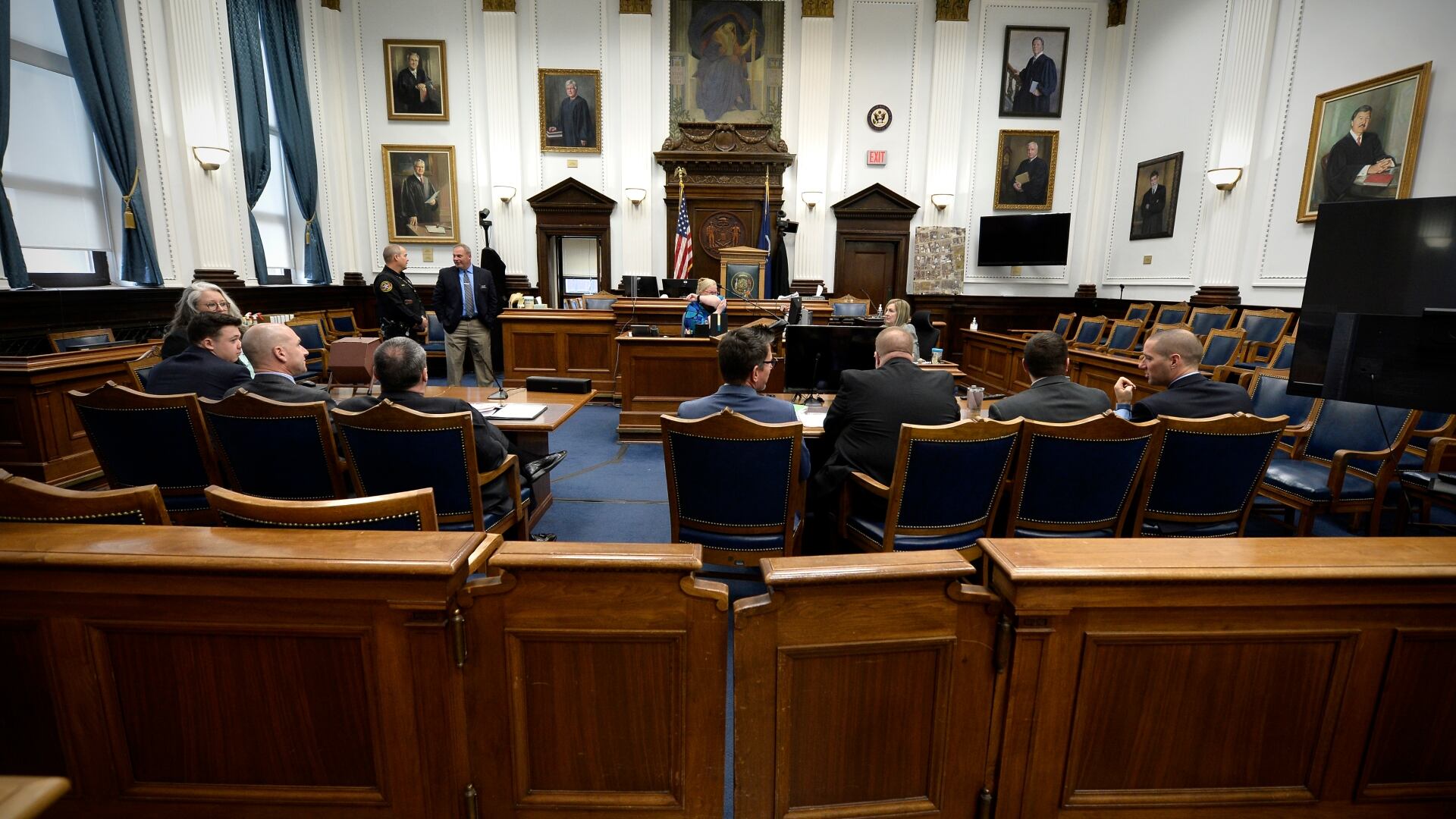
Two murder trials in focus in America — Wisconsin V. Kyle Rittenhouse and Georgia V. Travis Mcmichael, Gregory Mcmichael, and William Bryan, the Men who killed Ahmaud Arbery. Civil rights and criminal defense lawyer Anthony Tall and the Founder and CEO of Kim Crowder consulting Kim Crowder, joined Cheddar to discuss more.
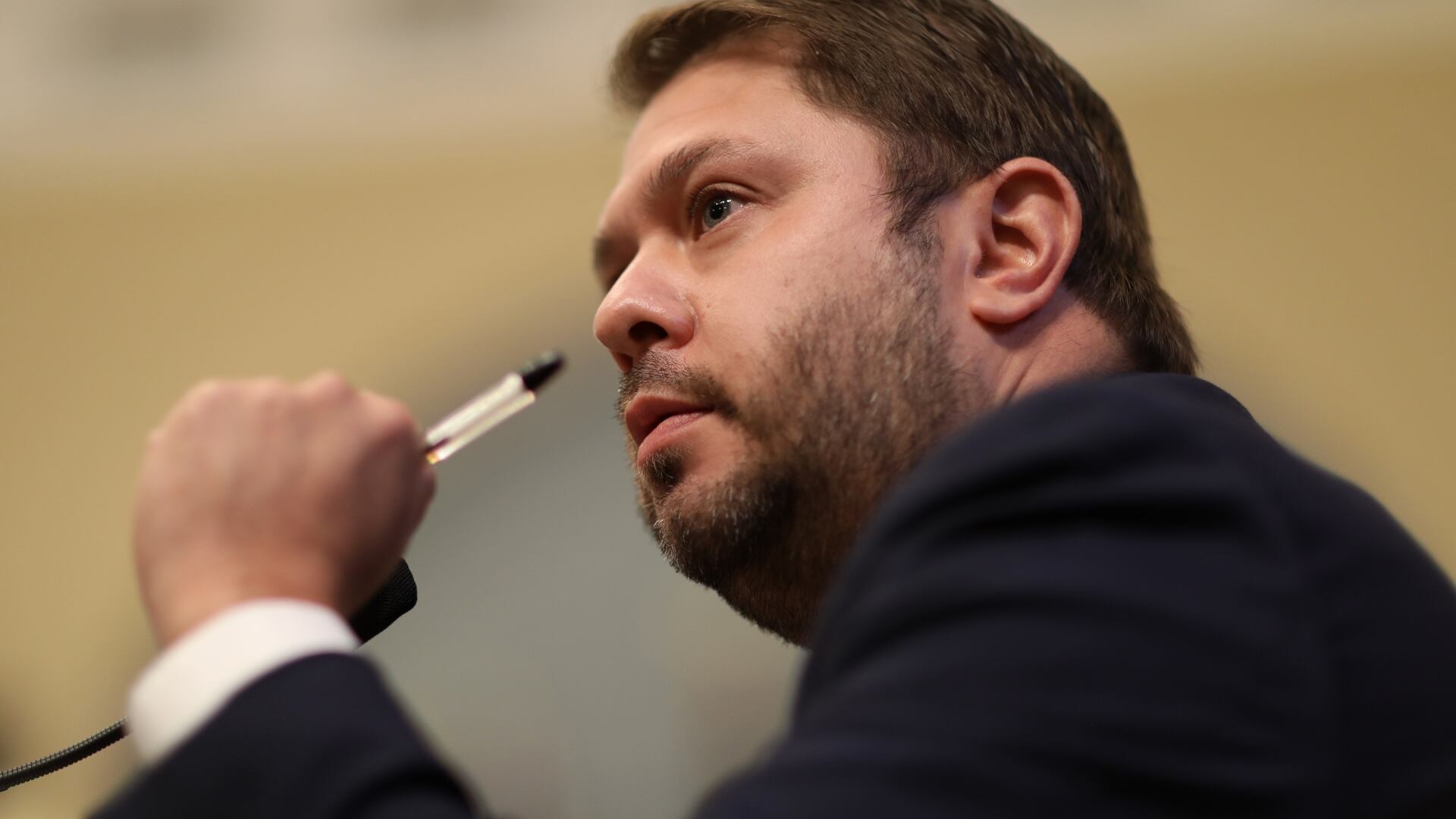
Rep. Ruben Gallego (D - Arizona) joined Cheddar to discuss the passing of President Biden's Infrastructure Bill and his new book, 'They Called us 'Lucky,' about his time serving in the Iraq War.