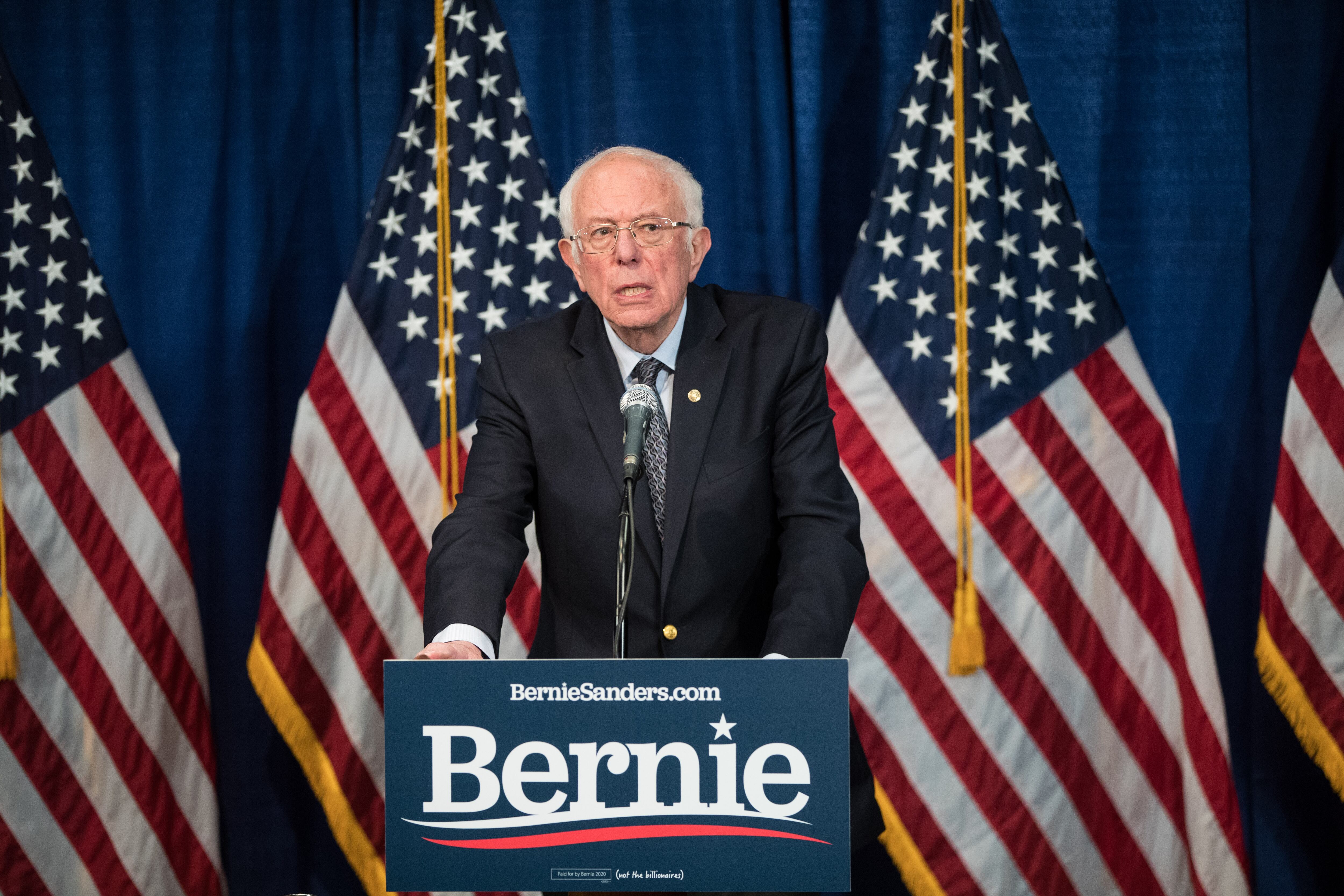
Democratic presidential candidate Sen. Bernie Sanders (I-VT) delivers a campaign update at the Hotel Vermont on March 11, 2020 in Burlington, Vermont. (Photo by Scott Eisen/Getty Images)
Vermont Senator Bernie Sanders delivered an address on the coronavirus outbreak, rounding out three perspectives from the current president and the two Democratic challengers to his presidency.
Sanders, who trails former Vice President Joe Biden in the delegate race to the nomination, used his speech to contrast with his rivals. He called for the Trump administration to declare a national emergency and appoint an "emergency bipartisan authority of experts" to determine the next steps in the crisis.
Like Biden earlier, Sanders criticized the White House response, calling the administration incompetent and point out that its "incompetence and recklessness have threatened the lives of many, many people in this country."
Sanders and Biden both mentioned the lack of intensive care units and ventilators, an issue raised by health officials but one that the administration has not touched upon. The senator called for mobilizing retired medical professionals and medical students to increase medical care. He implored the nation to protect doctors, medical professionals, and nurses with proper instructions and personal protective equipment both because their safety is important and because "if they go down, then our capacity to respond to this crisis is diminished."
"Our country is at a severe disadvantage," Sanders said, "because we do not guarantee healthcare to people as a right."
During the speech, news came in that France's Emmanuel Macron called coronavirus the worst health crisis in a century, ordered changes to businesses and education and, echoing the very words Sanders was delivering across the Atlantic Ocean, said France will massively increase hospital capacity to deal with the novel coronavirus.
Both Democratic hopefuls today pleaded for an expansion of current practices. Biden called for mobile testing centers and Sanders for an expansion of community health centers.
Sanders also listed proposals to support people from low-income neighborhoods and working-class families, including calling for providing healthcare to immigrants regardless of immigration status, emergency funding for paid medical and family leave and a moratorium on evictions, foreclosures, and utility shutoffs.
Repeatedly, health officials and, now, the Democratic hopefuls, have said a choice between a paycheck and staying home when sick will expedite the spread of a virus in need of slowing down so as not to overwhelm America's health system likely to be overwhelmed in the coming weeks.
"Here is the bottom line and that bottom line is that in the midst of this unprecedented moment, we need to listen to the scientists, to the researchers, to the medical folks — not the politicians," he said of the spread of the virus as "on the scale of major war."
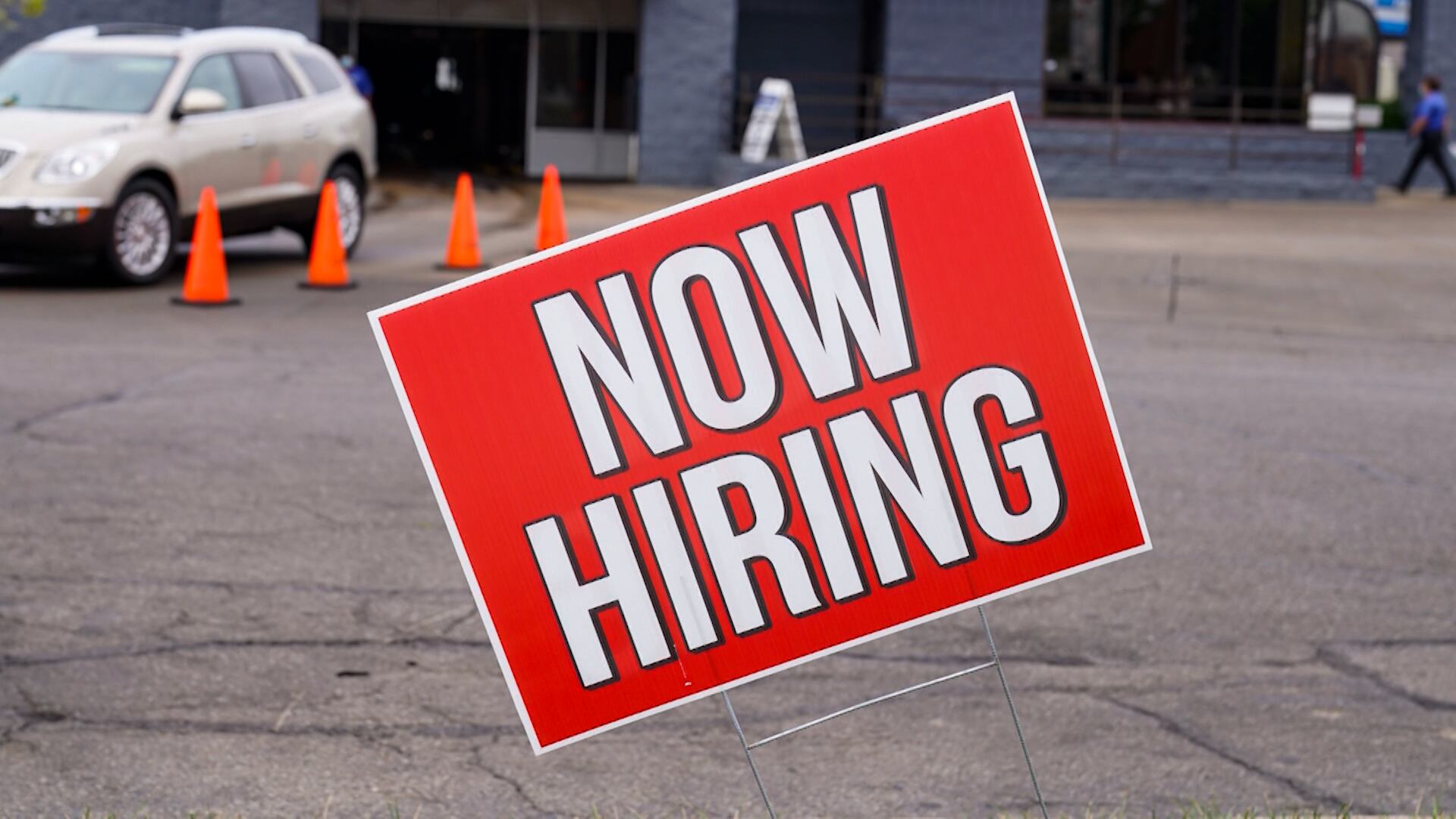
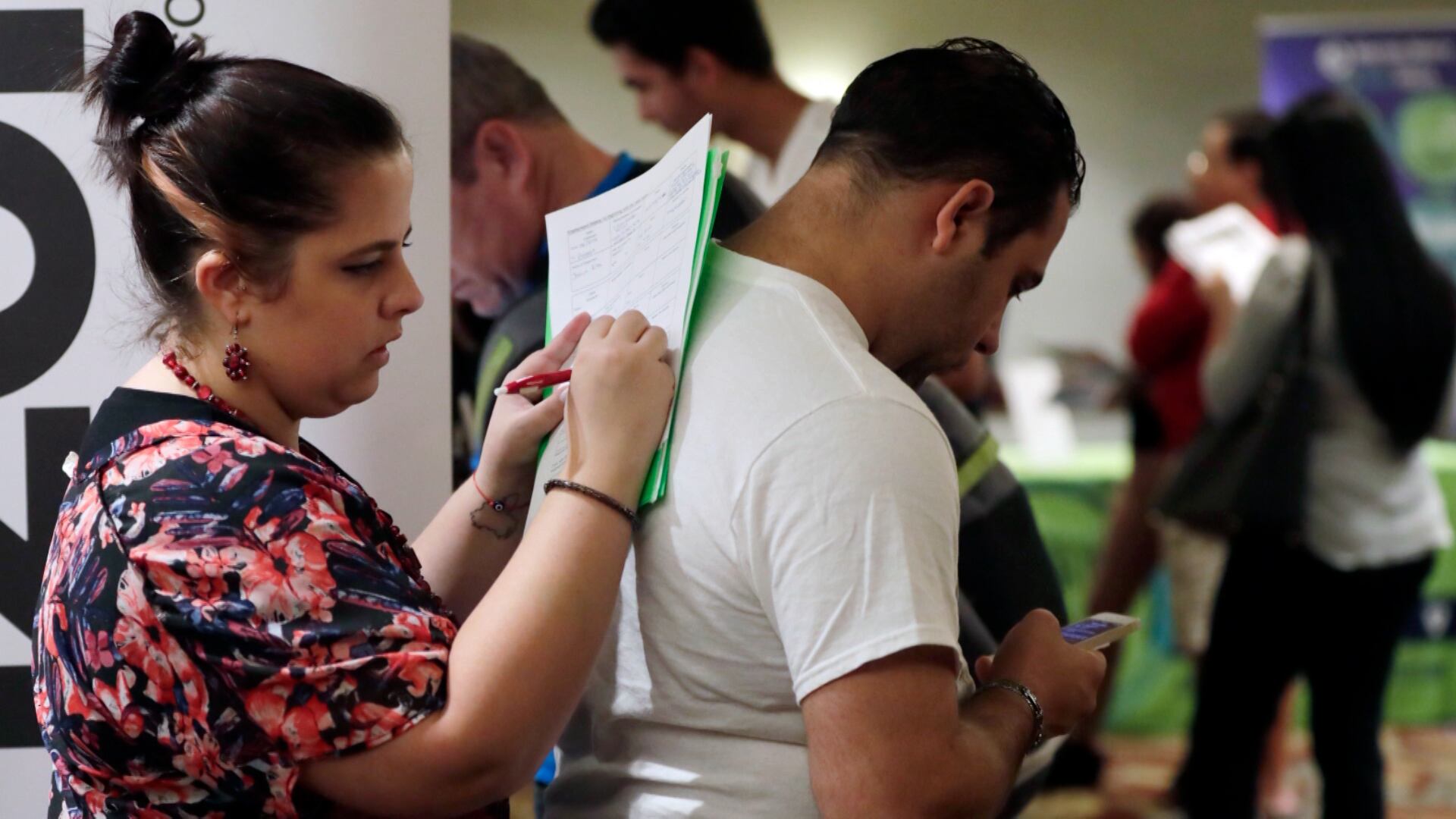
Following the surprising big beat on estimates for the January jobs report, William M. Rodgers III, vice president and director of the Institute for Economic Equity at the Federal Reserve Bank of St. Louis, joined Cheddar News to break down the data. “We ended 2021 with a strong crescendo to a recovery that had taken hold, and we started 2022 in good fashion." He also discussed the dueling pressures of wage growth and inflation.
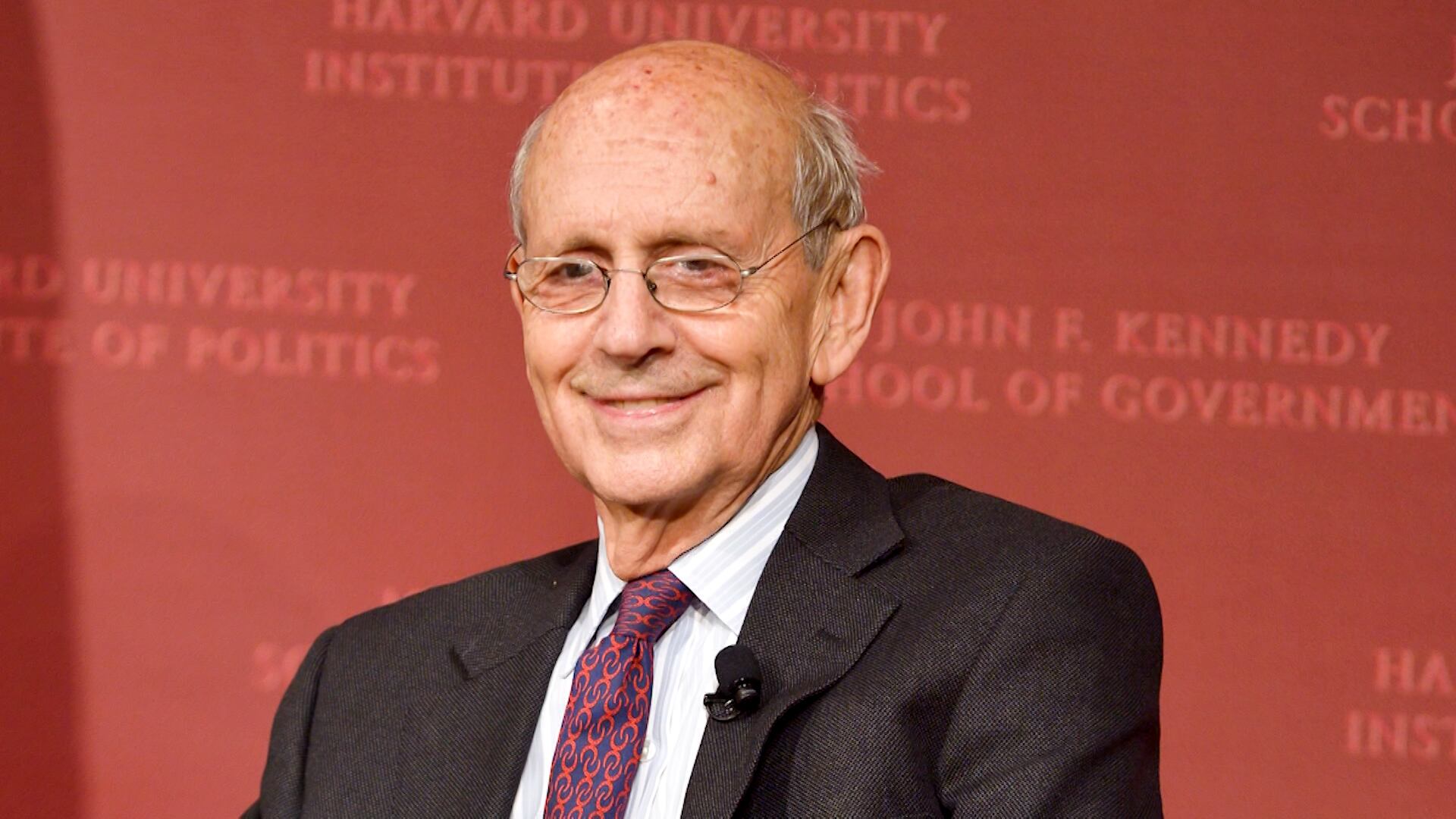
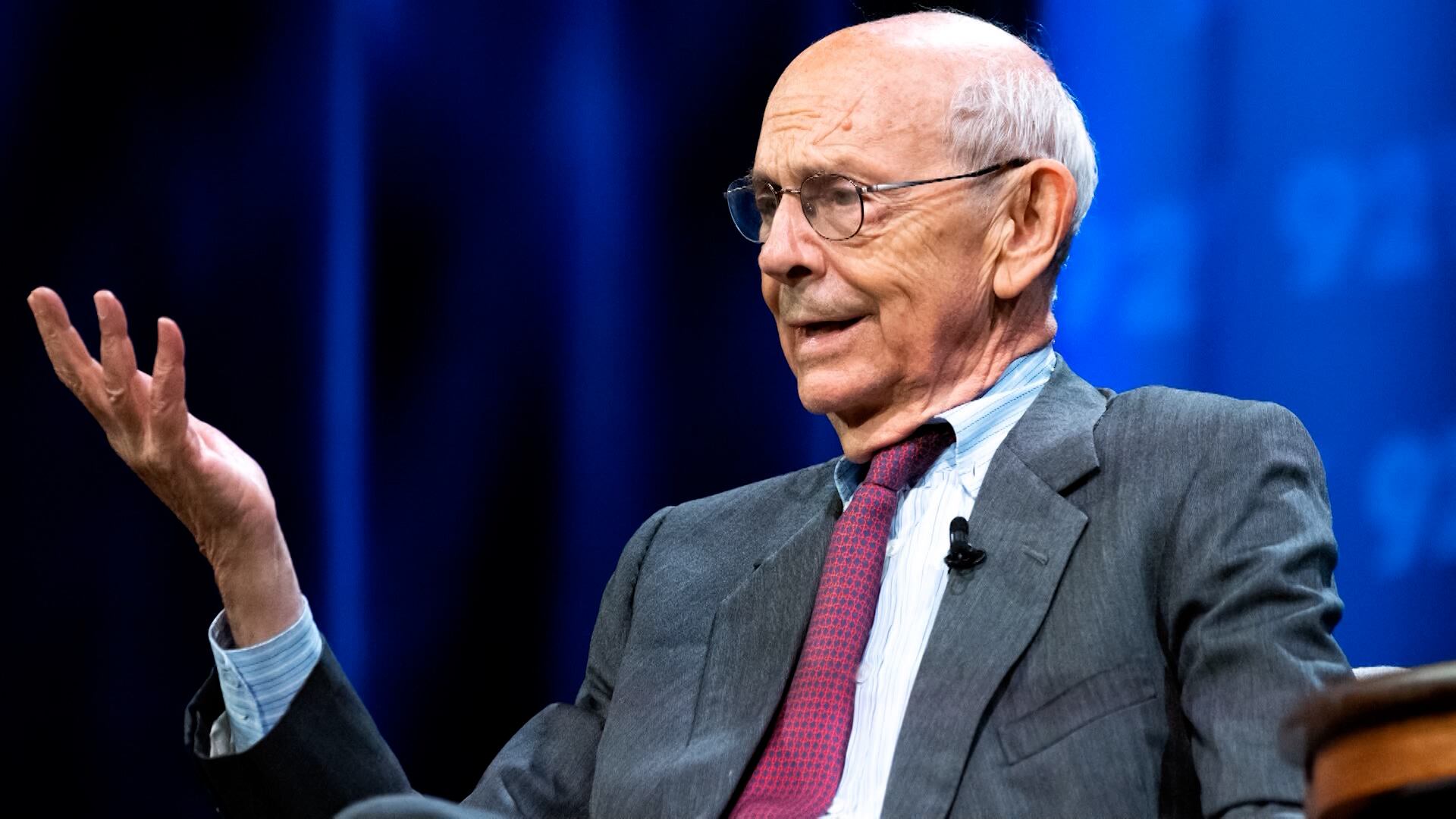
Jessica Mason Pieklo, senior vice president and executive editor of the Rewired News Group and co-host of the podcast. "Boom! Lawyered," joins Cheddar Politics to discuss Justice Stephen Breyer's retirement, legacy and potential replacement on the Supreme Court.
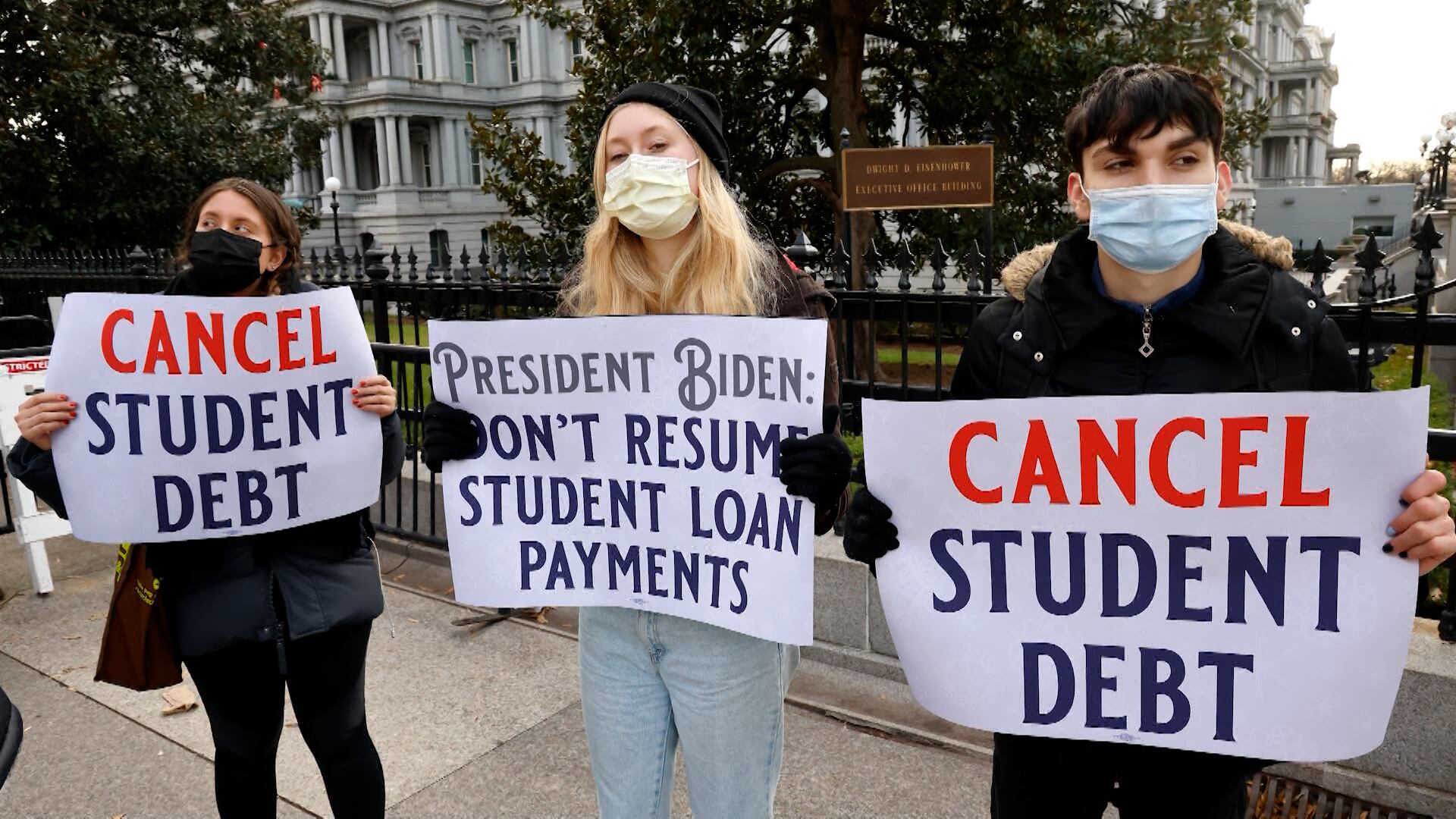
The Biden administration delivered a temporary win for student loan borrowers this year by extending the moratorium on federal payments for a few more months. That moratorium is coming to an end on May 1st and borrowers will again have their monthly loan payment plopped in their lap.
Stephanie Vanderslice, a creative writing professor paying off debt through the Parent Plus program, and Mike Pierce, executive director of the Student Borrower Protection Center, join Cheddar Politics to discuss.
2022 was already going to be a big year for the Supreme Court. We have decisions on major issues like abortion and gun rights on the way. Then, Justice Stephen Breyer announced his retirement and that set up a major confirmation fight for later this year. Amy Howe, co-founder of SCOTUSblog, joins Cheddar Politics to discuss.
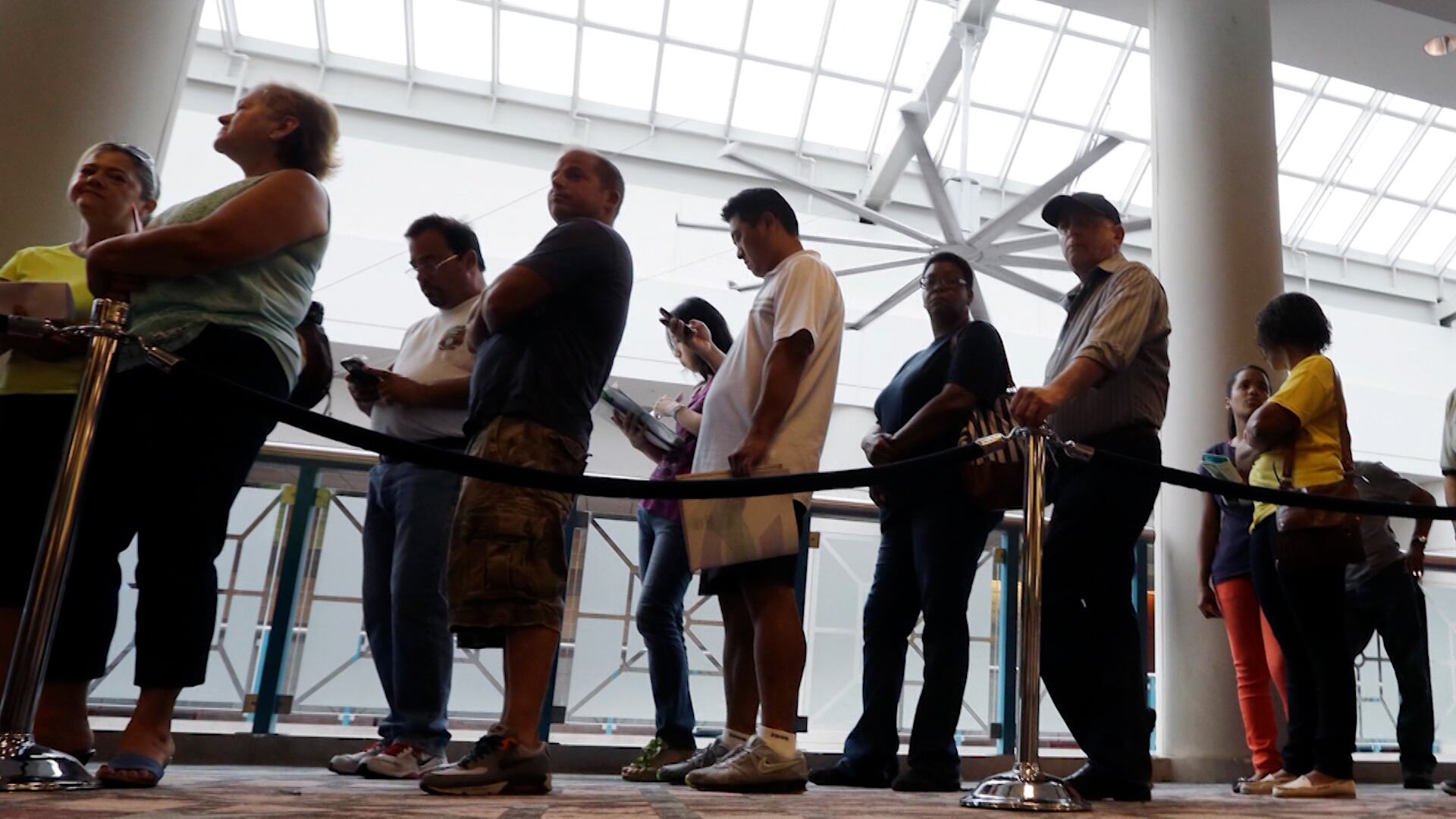
The Labor Department released a better-than-expected report of 467,000 jobs added in January. Heather Boushey, Council of Economic Advisers Member for President Biden, joined Cheddar to tout the administration's handling of the economy amid the pandemic and the upward revisions for the previous month. "It also shows that, because of the revisions, the economy was stronger over the past couple of months," she said. "I don't think that this can be said enough, but economic forecasting during an historic pandemic is extremely difficult." Boushey also addressed issues involving wage growth versus the rapid rise of inflation.
The Labor Department's January jobs report showed 467,000 jobs were added, compared to the 150,000 that were projected, a sign that employment is continuign to return to pre-pandemic levels. Lindsey Piegza, chief economist at investment bank Stifel, joined Cheddar to break down the report, noting the big gains but adding a note of caution. "Remember, even with this morning's stellar report, we're still millions below that level that we had reached prior to the onset of COVID-19," she said." Yes, we are recapturing jobs. We still have further ground that needs to be made before we can talk about reaching that previous peak." Piegza also discussed the role of the Federal Reserve going forward as the employment figures turn more positive.
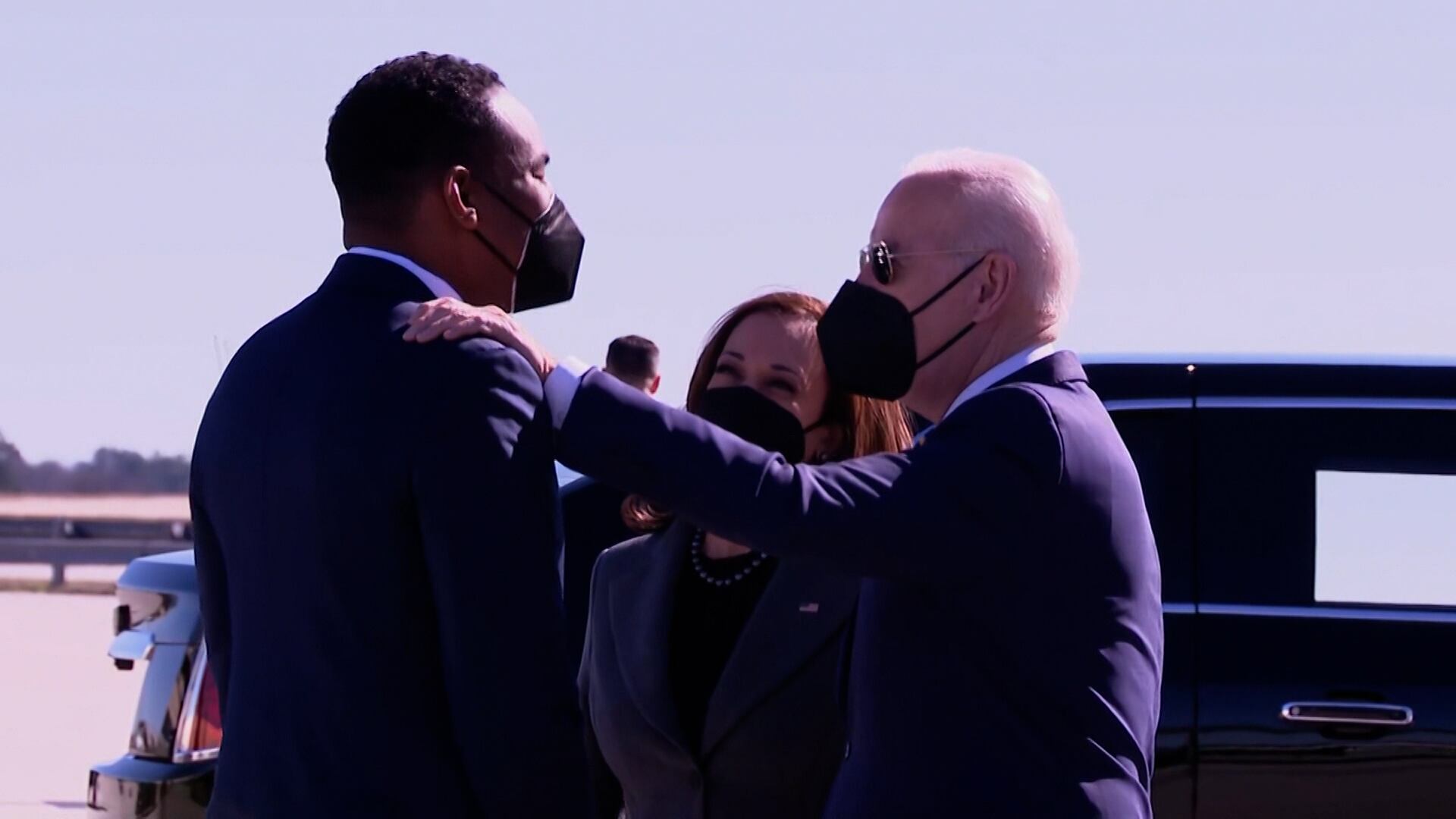
As President Biden's poll numbers fall with Black voters, Rep. Ayanna Pressley (D-Mass. 7th District) joined Cheddar to discuss what she feels could help the embattled administration: deliver on policies. Pressley pointed to stalled legislation such as new voting rights laws and Build Back Betters and canceling student loan debt, which would go a long way to improving his standing with Black constituents. "President Biden has the authority and the power to alleviate this burden, which would also help in closing the racial wealth gap, and he can do it by executive action with the stroke of a pen," she said. "And it doesn't require one vote from Congress. So, the Biden administration just needs to deliver to Black America in a tangible and impactful way."