By Mehmet Guzel and Mike Corder
Soccer club owner. Ally of Vladimir Putin. Sanctioned oligarch. Could diplomatic go-between be added to the resume of Roman Abramovich?
The 55-year-old billionaire has swapped the skybox seat he once proudly occupied at his beloved Chelsea soccer club in Britain for a spot on the sidelines of negotiations between Kyiv and Moscow aimed at ending Russia's bloody war in Ukraine.
The silver-haired oil-and-aluminum tycoon stood in the background Tuesday as Turkish President Recep Tayyip Erdogan entered a hall packed with negotiators in a government building adjacent to the 19th century Ottoman palace, Dolmabahce, on the shores of the Bosporus in Istanbul.
It was left to Kremlin spokesman Dmitry Peskov to try to explain Abramovich's role.
Abramovich has been “ensuring certain contacts between the Russian and Ukrainian sides,” Peskov said, but is not an official member of the delegation. He said both sides have approved his role.
Ukraine's ambassador to Britain, Vadym Prystaiko, said, however: “I have no idea what Mr. Abramovich is claiming or doing. He is not a part of the negotiation team.”
The talks appeared to yield a cautious step toward scaling back Moscow's offensive when Deputy Defense Minister Alexander Fomin said Russia would “fundamentally” cut back operations near Ukraine’s capital of Kyiv and a northern city in a move to build trust.
Turkish Foreign Minister Mevlut Cavusoglu said the two sides made “the most meaningful progress” since the start of the negotiations at their meeting in Istanbul.
Just being in the room in Istanbul marks a remarkable turnaround for Abramovich, who has been sanctioned by the U.K. government and European Union, although he is conspicuous by his absence from a list of oligarchs sanctioned by the United States.
Abramovich appears to have established contacts high in Ukrainian government circles, to go alongside his long-standing links to the Kremlin.
President Volodymyr Zelenskyy said Sunday that Kyiv had received “signals” with offers of help from Abramovich and others, along with requests to be spared from sanctions.
“Some of them were ready to help restore Ukraine after the war,” he said, before citing their offers: “‘We are ready to give money, we are ready to relocate business to Ukraine. We are now living in England or in Switzerland, we would like to do it. Is it possible not to be on the sanctions list?’”
Abramovich's presence in Istanbul was all the more surprising as it came a day after reports that he may have been poisoned at an earlier round of talks.
The investigative news outlet Bellingcat reported Monday that Abramovich and two Ukrainian delegates suffered symptoms of nerve agent poisoning after attending talks on March 3, but all reportedly recovered.
The British Foreign Office said in a statement Tuesday that “the allegations are very concerning.” The Organization for the Prohibition of Chemical Weapons has not commented on the report.
Ukrainian Foreign Minister Dmytro Kuleba also voiced his concern, telling the 1+1 TV channel: “I advise anyone going to the negotiations with the Russian Federation not to eat or drink anything and preferably avoid touching any surfaces.”
U.S. Secretary of State Antony Blinken said he had no details on the poisoning reports, but that the reporting to that effect “raises concerns because Russia has a real track record,” a reference to past poisoning cases blamed on Moscow.
Peskov dismissed the reports as “part of the information war. These reports obviously do not correspond to reality.”
Abramovich's press representative had no comment on the reported poisoning or on his involvement in Russia-Ukraine talks.
Abramovich amassed a fortune in Russia's oil and aluminum industries following the 1991 breakup of the Soviet Union. In 2005, Russian state-owned energy giant Gazprom paid $13 billion for the Sibneft oil company controlled by Abramovich, allowing Putin’s Kremlin to recapture state influence in the lucrative energy industry.
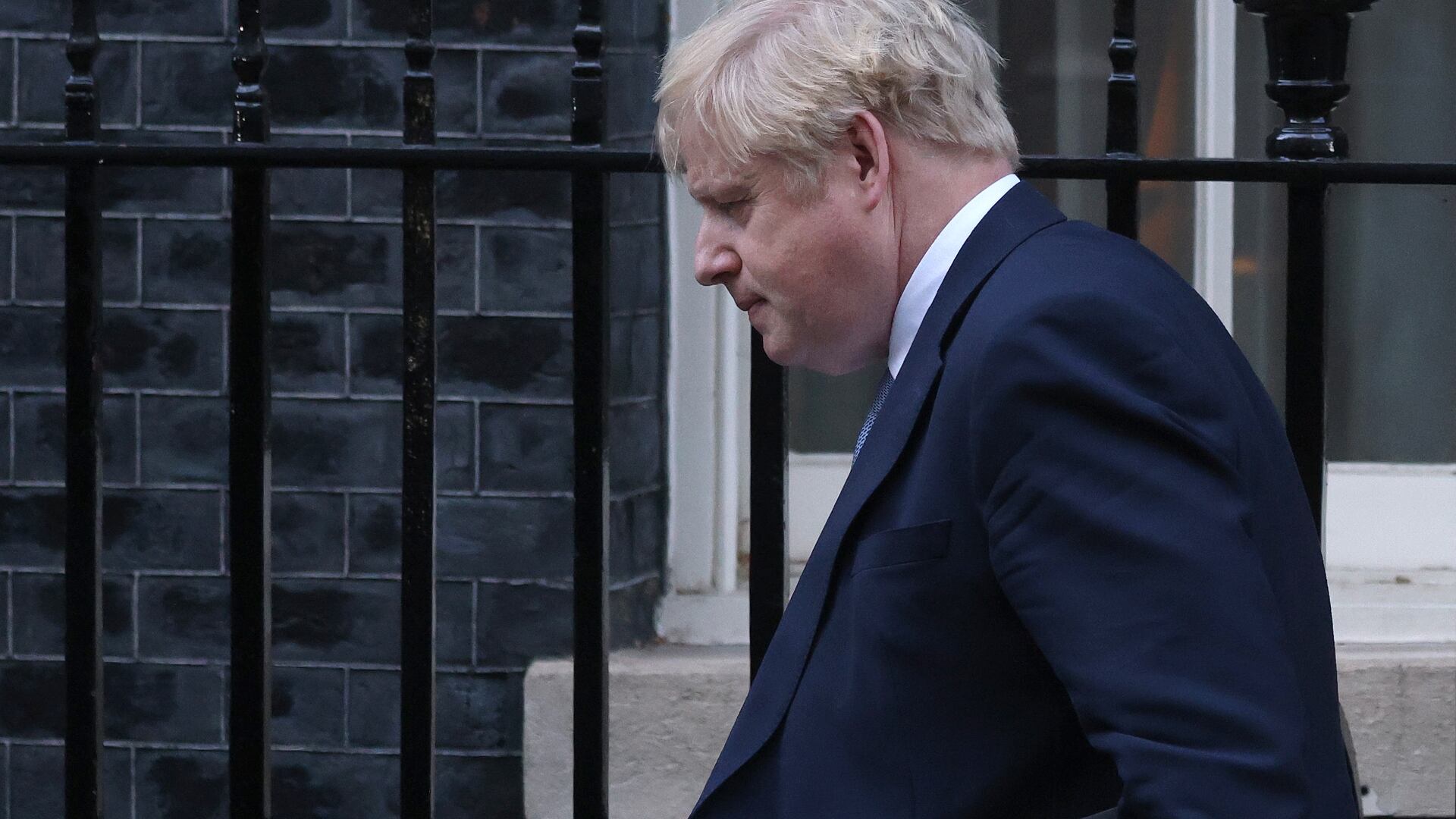
In announcing sanctions against Abramovich, Prime Minister Boris Johnson's government called him a “pro-Kremlin oligarch” with an estimated fortune of more than 9 billion pounds ($12 billion) who should be punished for his association with Putin. Abramovich also was linked with “destabilizing” and threatening Ukraine.
It was a further fall from grace for Abramovich, whose $2 billion investment in Chelsea over 19 years transformed the English Premier League team into a force in European football and earned it the nicknames “Chelski” and the “Roman Empire."
He is being forced to sell the club after his assets were frozen as part of a crackdown on oligarchs following Russia’s Feb. 24 invasion. The Premier League also disqualified him from running the west London club and being a director. Abramovich has said proceeds of the club’s sale, which is subject to government approval, will go to a foundation he started for victims of the war in Ukraine.
He has been largely absent from Britain since 2018, when he withdrew an application to renew his visa amid a clampdown on rich Russians after a former Russian spy and his daughter were poisoned in the English city of Salisbury. Britain blamed Russia for the pair’s exposure to a nerve agent, an allegation Moscow denied.
He took Israeli citizenship in 2018, although it is not clear how much time he spends in the country. He has been rumored to be in Israel several times since the war erupted, according to the movements of planes purportedly belonging to him. He was seen about two weeks ago at Ben-Gurion airport.
The Solaris, a yacht belonging Abramovich, was seen docked in Turkey’s Aegean Sea resort of Bodrum earlier this month, Turkish media reports said. NATO-member Turkey has not joined other members of the alliance in sanctions on Russia. A second yacht belonging to him, the Eclipse, was seen docked at a port in the Turkish resort of Marmaris, other Turkish media said..
___
Corder reported from The Hague, Netherlands. Associated Press writers Danica Kirka in London, Matthew Lee in Washington and Josef Federman in Jerusalem contributed.